We Don’t Get No Respect
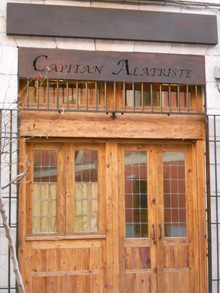 It’s often struck me that writers get more respect in other countries than they do in North America (I’m thinking specifically Europe here, since that’s the limit of my experience). When I told my (Spanish) mother as a child that I was going to be a writer when I grew up, she asked why was I wasting time talking to her, why wasn’t I getting started?
When a friend told her (Canadian) mother she wanted to be a writer, her mother told her she’d never make a living that way, and that she should go to law school. My mother recognized writing as a profession, and she further recognized that many writers do “other things” in order to live, because the writing doesn’t always pay. She always told people “my daughter is a writer” regardless of what I was doing to pay the bills.
When I tell non-writing strangers in Canada that I’m a writer, they ask me how much money I make; when I tell them I write fantasy, they either say “I don’t read that stuff” or they want to know why my books haven’t been made into a TV series. In Spain people congratulate me when they learn I’m a writer, are impressed when I say I write fantasy, and want to know if my books have been translated into Spanish.
 I wonder if there’s still a distinction to be made between holidays and vacations?* Back before “holy day” became “holiday” was there even such a thing as a vacation? Or were holy days really enforced vacations, in the sense that for some of them at least no work was allowed? Would that make the Sabbath a vacation as well as a holy day? Hmmm.
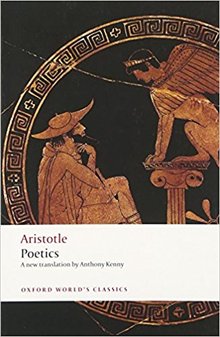 There was a time when genre in fiction writing wasn’t quite the crowded mishmash of categories and sub-categories, and sub-sub-categories that we’re faced with now, which in any case double in number with the use of the prefix “YA.” There are so many that sometimes it gets difficult to decide which one you’re writing – or reading for that matter.
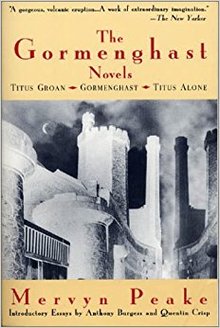 We’re always hearing about using setting as a character , and there’s no doubt that some stories simply can’t be told if they were set somewhere other than the place they’re in. Like, say, the wuthering heights in Wuthering Heights. You know, places that aren’t just somewhere for the characters to be (everyone has to be somewhere) but that in some way inform the whole story, and perhaps the characters as well.
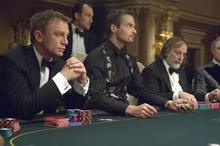 Between lotteries and televised poker tournaments, horse racing and casinos, games of chance play a large part on the world’s stage. It should come as no surprise that they play an equality large part in fiction, and perhaps in genre fiction in particular. As writers, aren’t we always looking for something for our characters to do while they’re talking to each other? Preferably something that also reveals character, and is interesting in itself?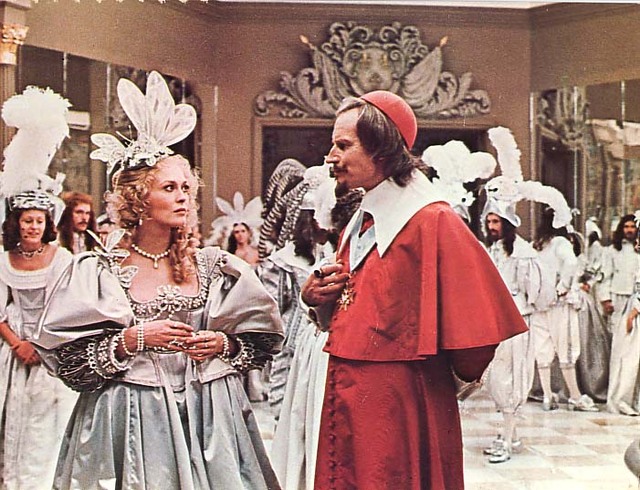
 For the most part parties in literature seem to be limited to pre-WWII novels where omniscient narrators can give us interesting overviews, occasionally zooming in to present important detail. Look at Jane Austen: with or without zombies these people spend a lot of time at balls, dances, tea parties, supper parties and the like. Otherwise, how would the characters, particularly the women, meet one another? Even Cinderella meets the prince at a ball.
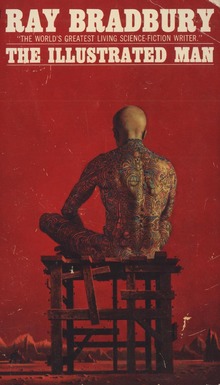 I often find that the idea of something is more frightening than the thing itself – unless you have a phobia, of course, in which case the reality is much, much worse than you imagined.
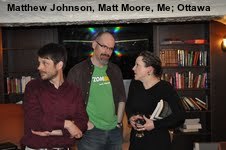 Like most other writers, I’ve given all kinds of readings, from story books to pre-schoolers (supporting early literacy) to academic papers on 18th-century pastoral poetry (supporting my academic career). I’ve had everything from great experiences (the kids really liked the animal noises) to eye-rolling ones (someone should have told the hotel hosting the NEASECS Conference that we would need lecterns) to amazing ones (people turned out at 8:30 on a Saturday morning to hear about the georgic).
 Those who know me, or who have read some of my previous posts on the subject, know that I’m a big fan of anthologies, particularly those featuring original stories. For my general remarks on the subject, you can look
  Much has been said about technology and the changes it brings with respect to our day-to-day world. It’s even been said that SF is the literature of change, exploring how evolution in technology, in scientific knowledge, in philosophical and political thought might, could, or does, affect our lives.