Richard Carpenter and Robin of Sherwood
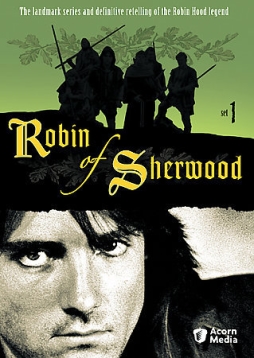 I read some bad news earlier this week: Richard Carpenter died. Carpenter, 78 at the time of his death on February 26, was an actor and television writer. He created several shows; he’s probably best known for his children’s series Catweazle, the animated Dr. Snuggles, and the show that I want to talk about here, the ITV-broadcast series Robin of Sherwood. It’s easily my favourite interpretation of the Robin Hood story, and perhaps my favourite filmed piece of sword-and-sorcery.
Robin of Sherwood ran from 1984 to 1986. Carpenter reimagined the story of Robin Hood from top to bottom, infusing it with magic, myth, and the politicised anger of youth. He also created a show that unobtrusively captured the late twelfth century with remarkable fidelity, both in its visual aspects like props and costumes, and also in its social hierarchies and habits of thought. The series ran for three seasons before its production company ran into financial problems. Some plot threads were ended prematurely, without resolution or real development. Carpenter’s observed that the ending as it is works well enough, and I can see his point. Still, I can’t help but wish that the show had gone a bit further.
As it is, Robin of Sherwood’s one of the best examples I can think of in any medium of how to reinterpret a legend. The fact that the re-interpretation was specifically as a fantasy drew me when I first saw it as a teen, but I think the fantasy wouldn’t have mattered if it weren’t for the way Carpenter made the fantasy elements harmonise with themes and elements already present in the Robin Hood tales. Carpenter’s Robin is the spiritual son of Herne the Hunter; Herne’s a god of the ancient and fearsome forest of Sherwood incarnated in a hermit-like shaman. Robin bears a magic sword called Albion, one of the Seven Swords of Wayland. He and his Merry Men (never called that in the show) encounter Templars, Kabbalists, a cursed village populated by ghosts, Satanists, and, in the first episode, an evil wizard. The famous silver arrow is a symbol of Saxon rebellion, a magical item representing freedom.
 What follows may well be total coincidence.
 After the Golden Age
 What I know about Rosemary Sutcliff:
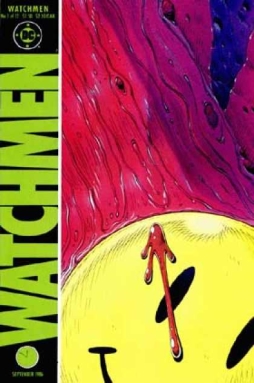 Last Wednesday, DC Comics announced a new publishing venture: “Before Watchmen,” a set of related miniseries that would act as a prologue to the best-selling and critically acclaimed Watchmen graphic novel. The news was met with a considerably mixed reaction. Alan Moore, writer and primary creator of Watchmen, has spoken out against the project. Personally, I’m not going to buy any of DC’s new series, and I want to explain why.
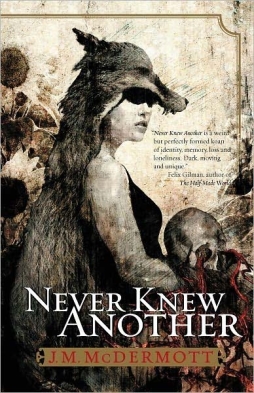 Never Knew Another
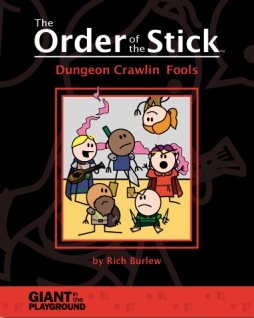 Dying is easy, the old saw has it, but comedy … that’s hard. Only — what happens if we’re talking about a world in which miracles happen to order, and people come back to life whenever a priest wants? Dying suddenly isn’t quite so easy. But comedy, real comedy … that’s still pretty hard.
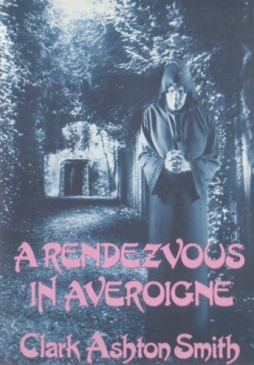 Last Friday was Friday the thirteenth. It was also Clark Ashton Smith’s birthday. In memory of that conjunction, I’d like to write a bit about Smith and his work. I have only a few thoughts about Smith’s prose style; Ryan Harvey’s excellent and insightful look at Smith’s fiction can be found in four parts,
 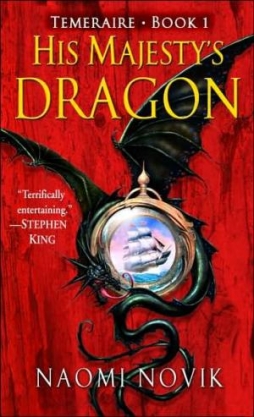 I’ve been in unwilling low-content mode for the past couple of weeks (question: what’s worse than getting the flu at Christmas? Answer: getting the flu along with a sinus infection). That’s meant I’ve had some time to read, which is good for a number of reasons. As it happens, though, one of the things I picked up to read left me wondering something I’ve wondered several times before: why do certain books pull me along, and compel me to read them, even when I think they’re not particularly good?
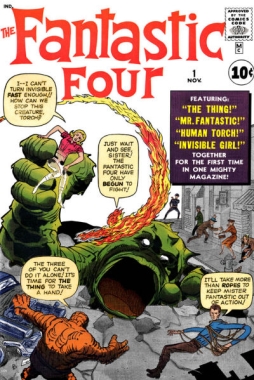 There are two different stories about how it began.