Browsed by
Author: John ONeill

The March Fantasy Magazine Rack

The March Fantasy Magazine Rack

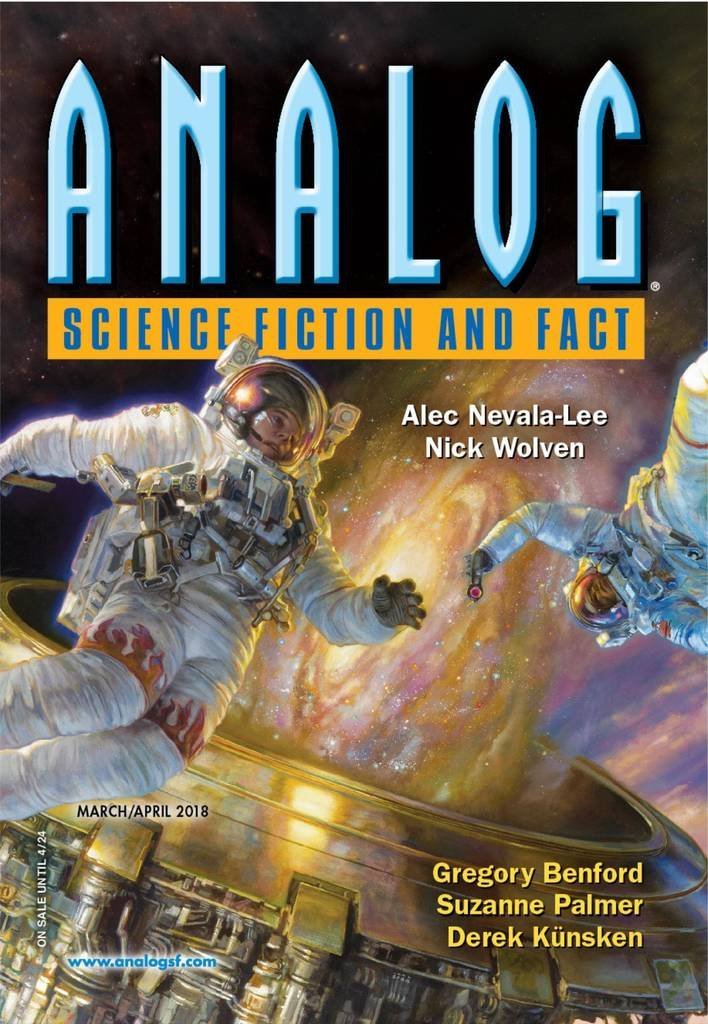
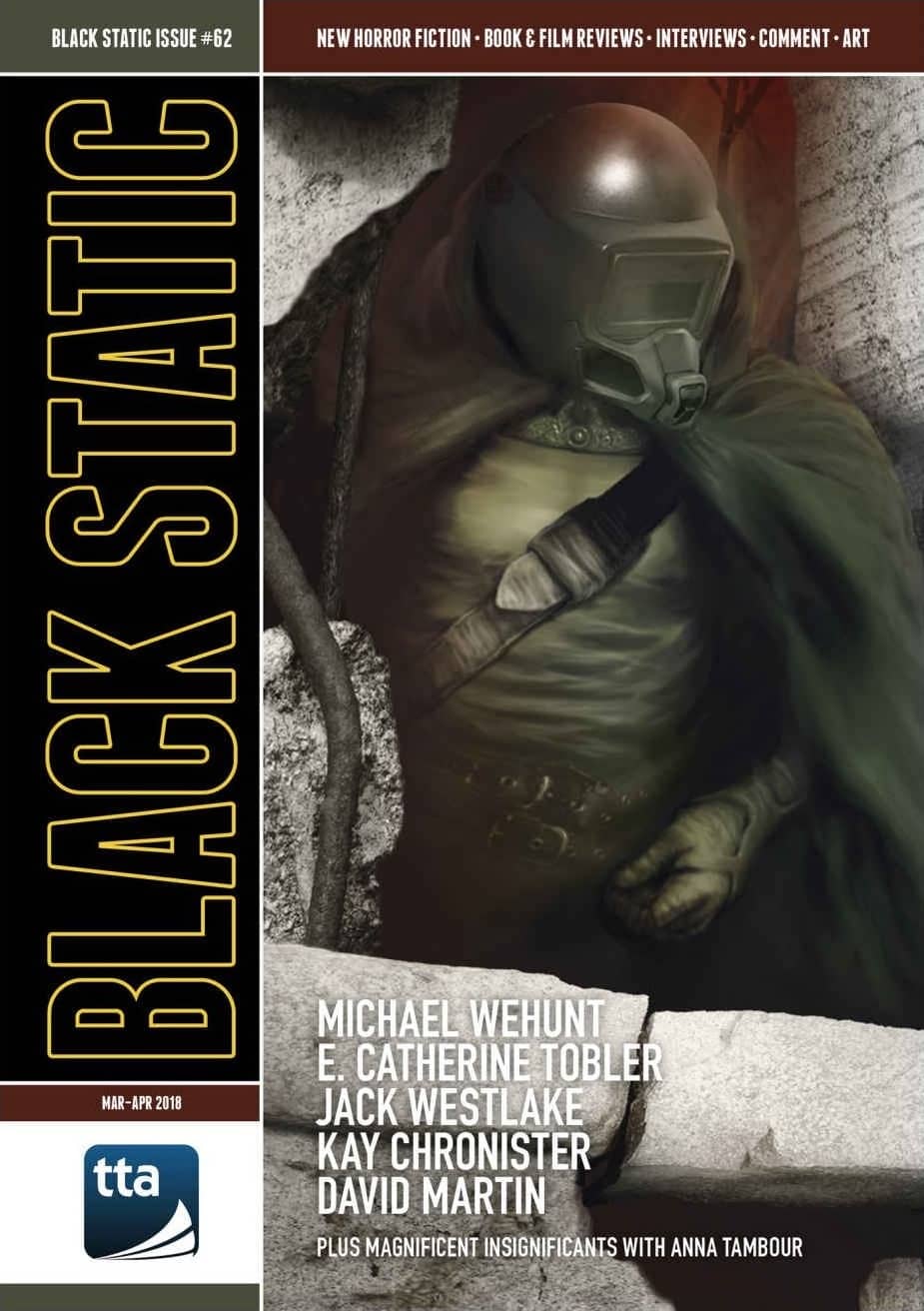
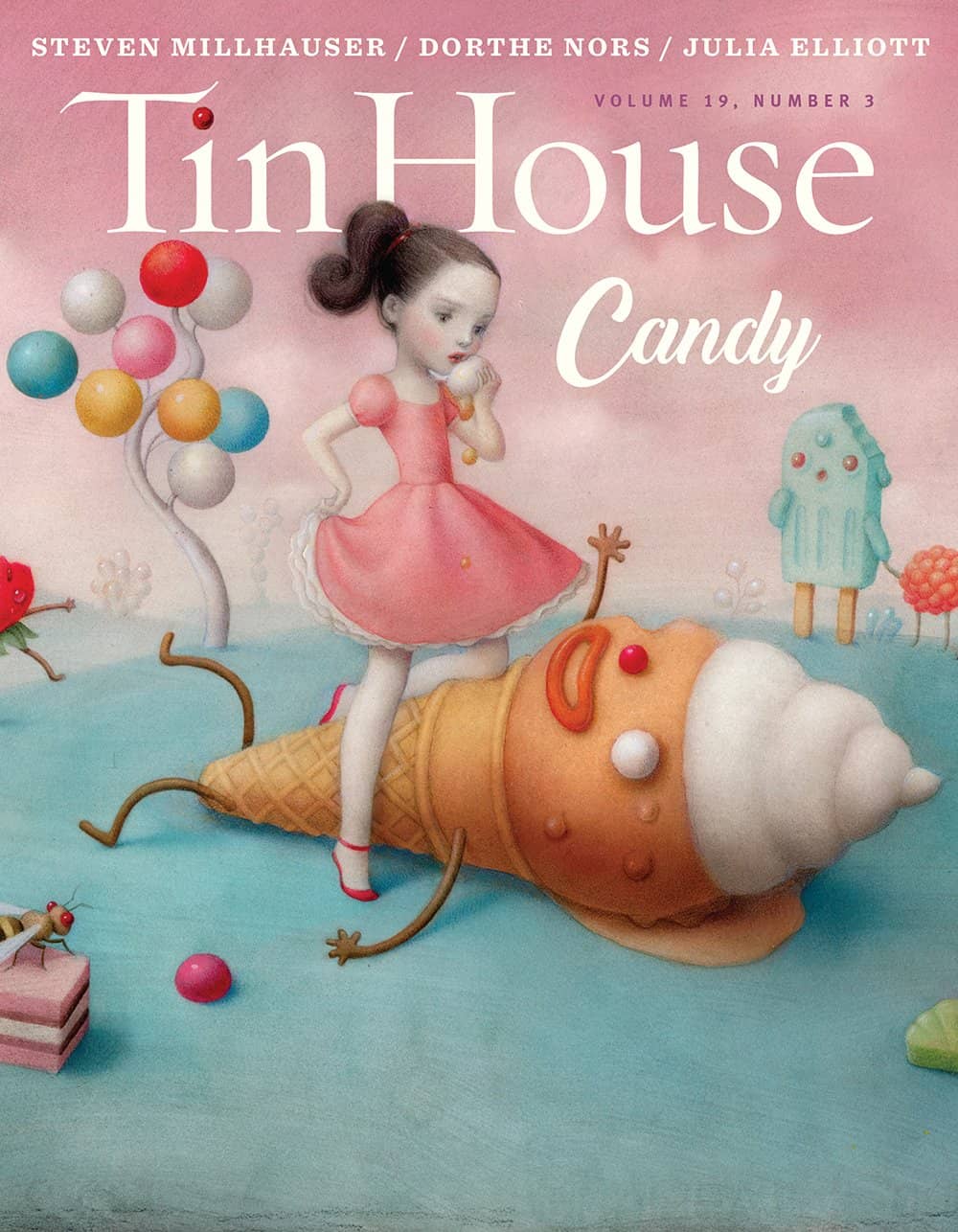
Analog Science Fiction March April 2018-rack Black Static 62 March April 2018-small Kaleidotrope Winter 2008-rack Tin House Candy March 2018-rack
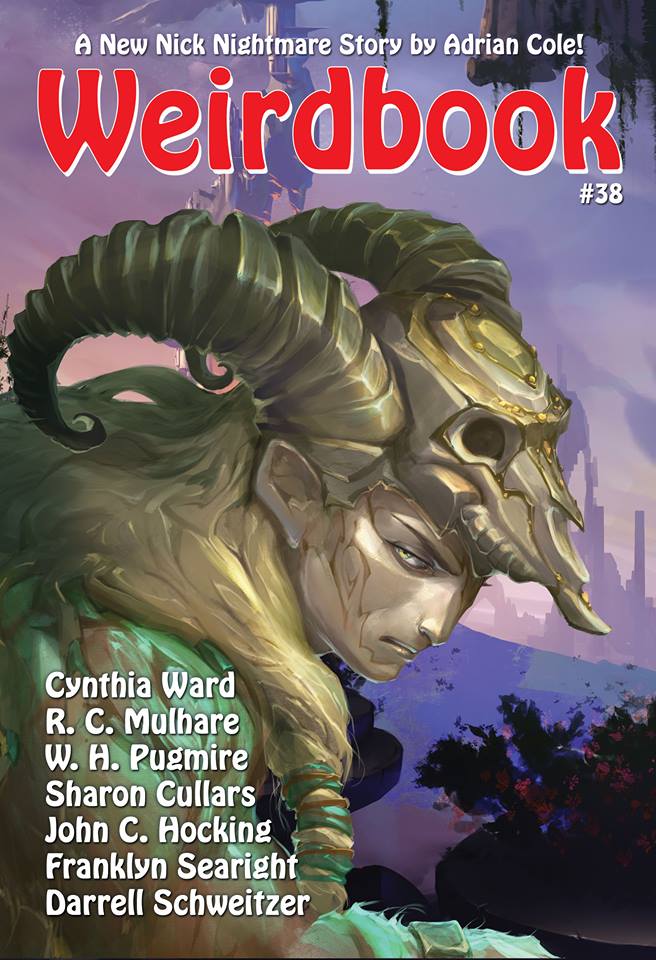
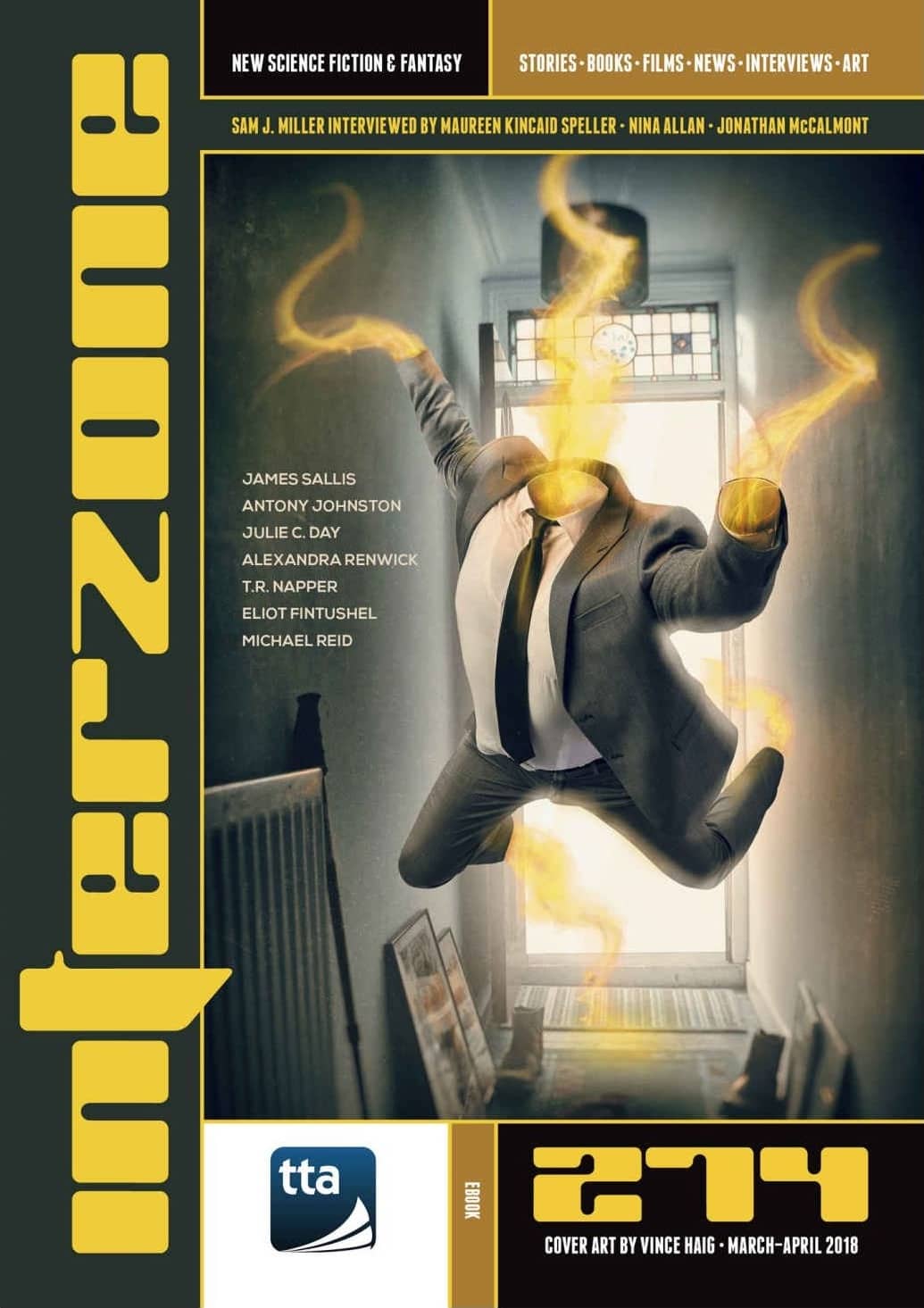
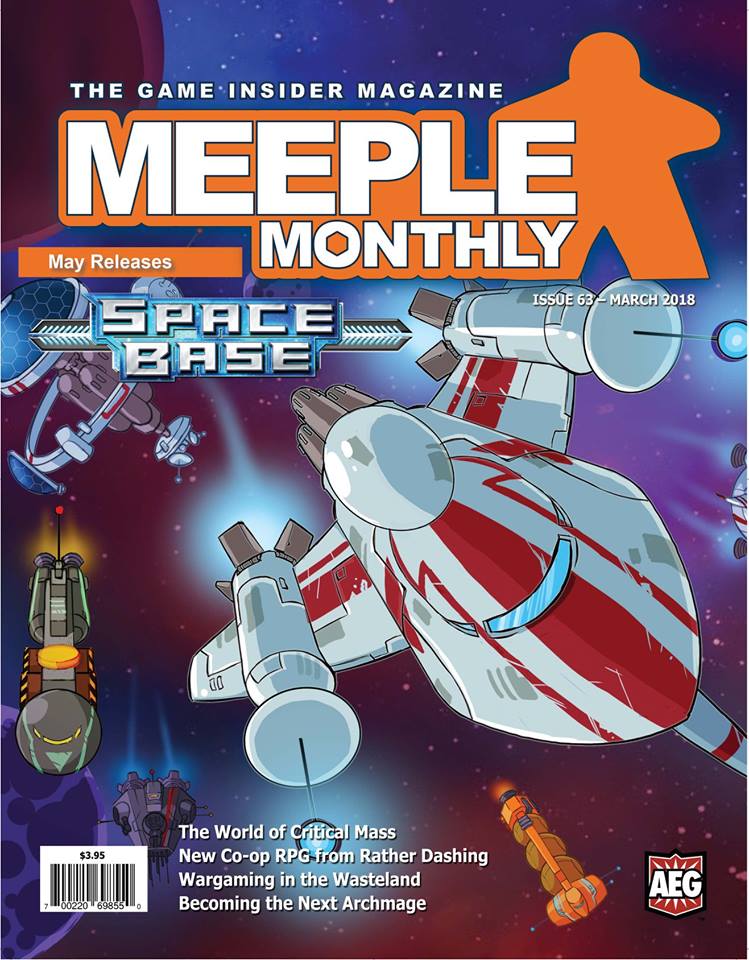
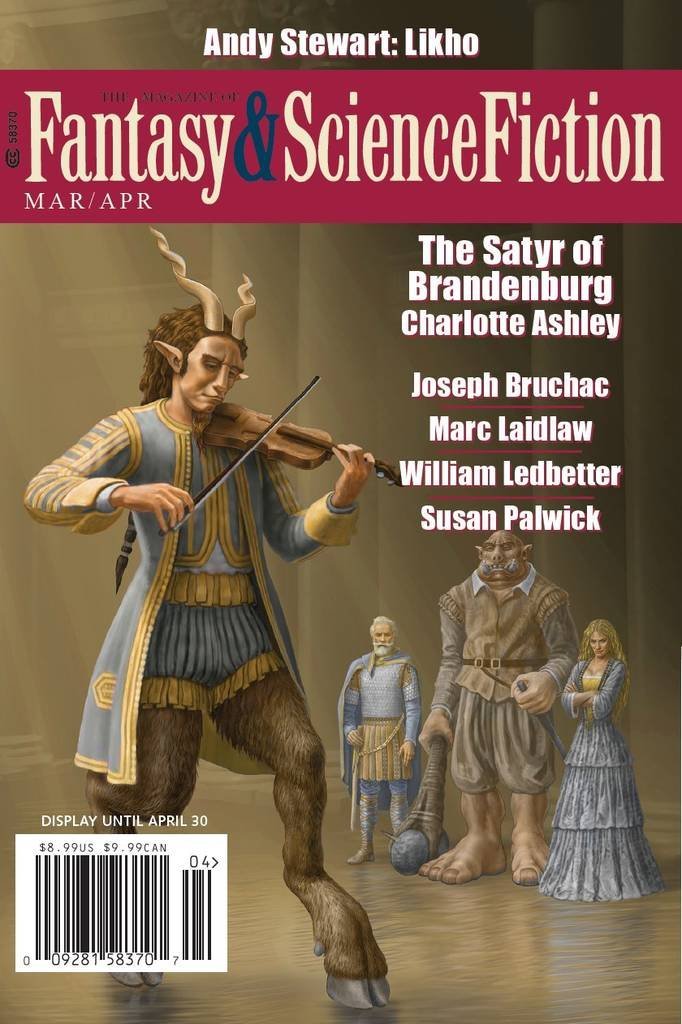
Weirdbook 38-rack Interzone 274 March April 2018-small Meeple Monthly March 2018-rack The Magazine of Fantasy and Science Fiction March April 2018-rack

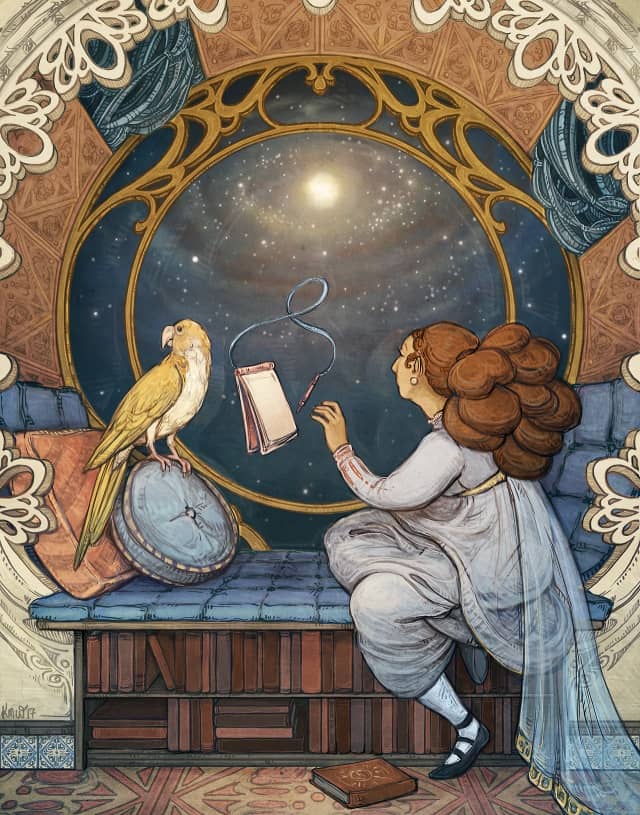
It’s a bonanza of print this month… all the titles above are print magazines, with the exception of Kaleidotrope (top row, second from right), which is new to the list. Kaleidotrope was a recommendation from Rich Horton; I’d never heard of it, but it featured prominently in Rich’s 2018 Hugo Recs list, so I thought I would check it out this month. Rich is right — it’s a very impressive magazine, with brand new fiction by Mari Ness, Octavia Cade, and others.

But they don’t seem very web-savvy, especially for a web magazine. The site loads extremely slowly, and the culprit seems to be the beautiful but massive 1.26 megabyte (!!) PNG cover image. I was able to convert it to a visually identical 90 Kb jpeg file less than 8% the size in about 15 seconds on my machine. Doing that at their end would greatly speed up loading times, and cut their monthly bandwidth costs by about 90%. I hope someone helps them get that sorted.

Here’s the complete list of magazines that won my attention in early March (links will bring you to magazine websites).

Read More Read More

Vintage Treasures: A Midsummer Tempest by Poul Anderson

Vintage Treasures: A Midsummer Tempest by Poul Anderson

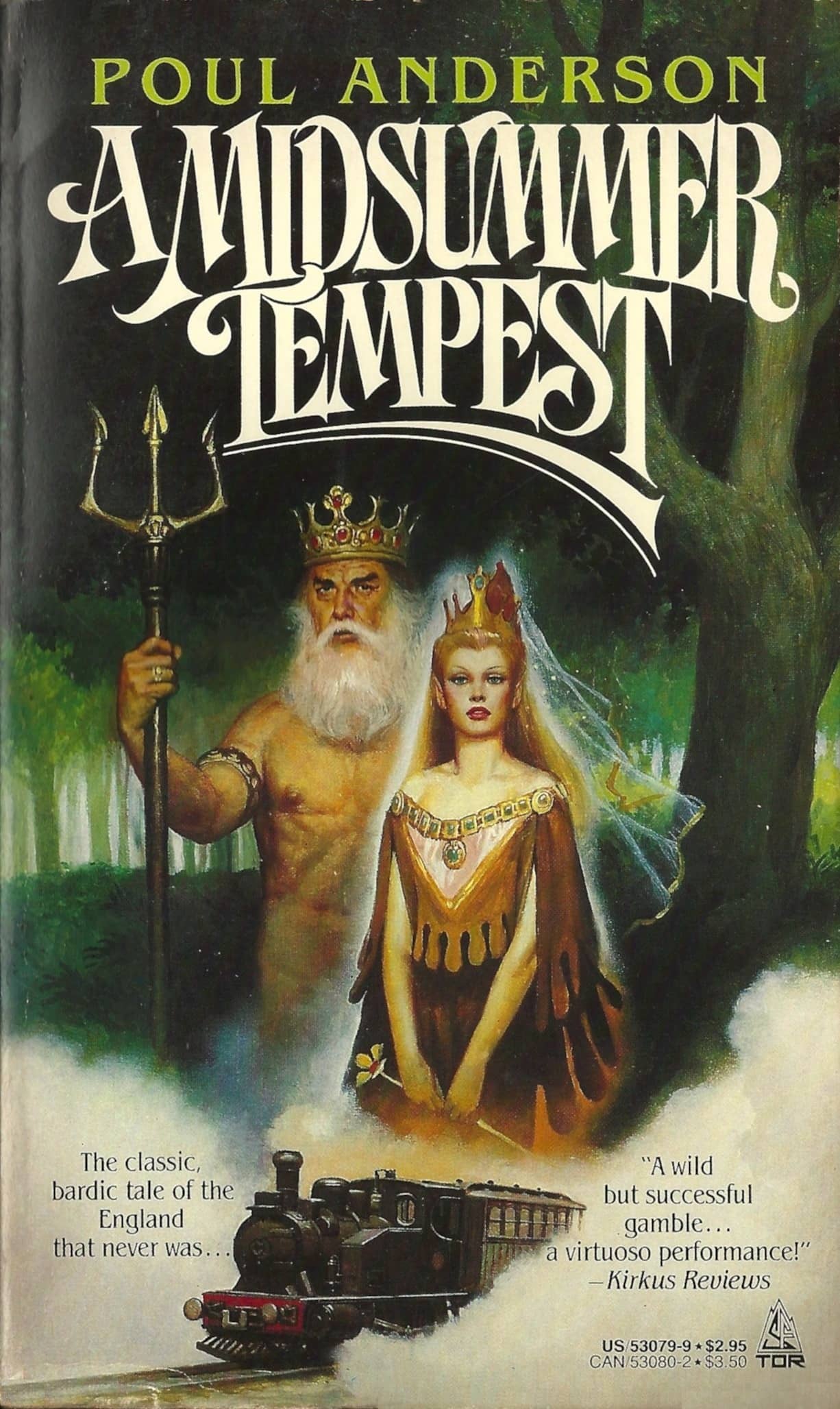
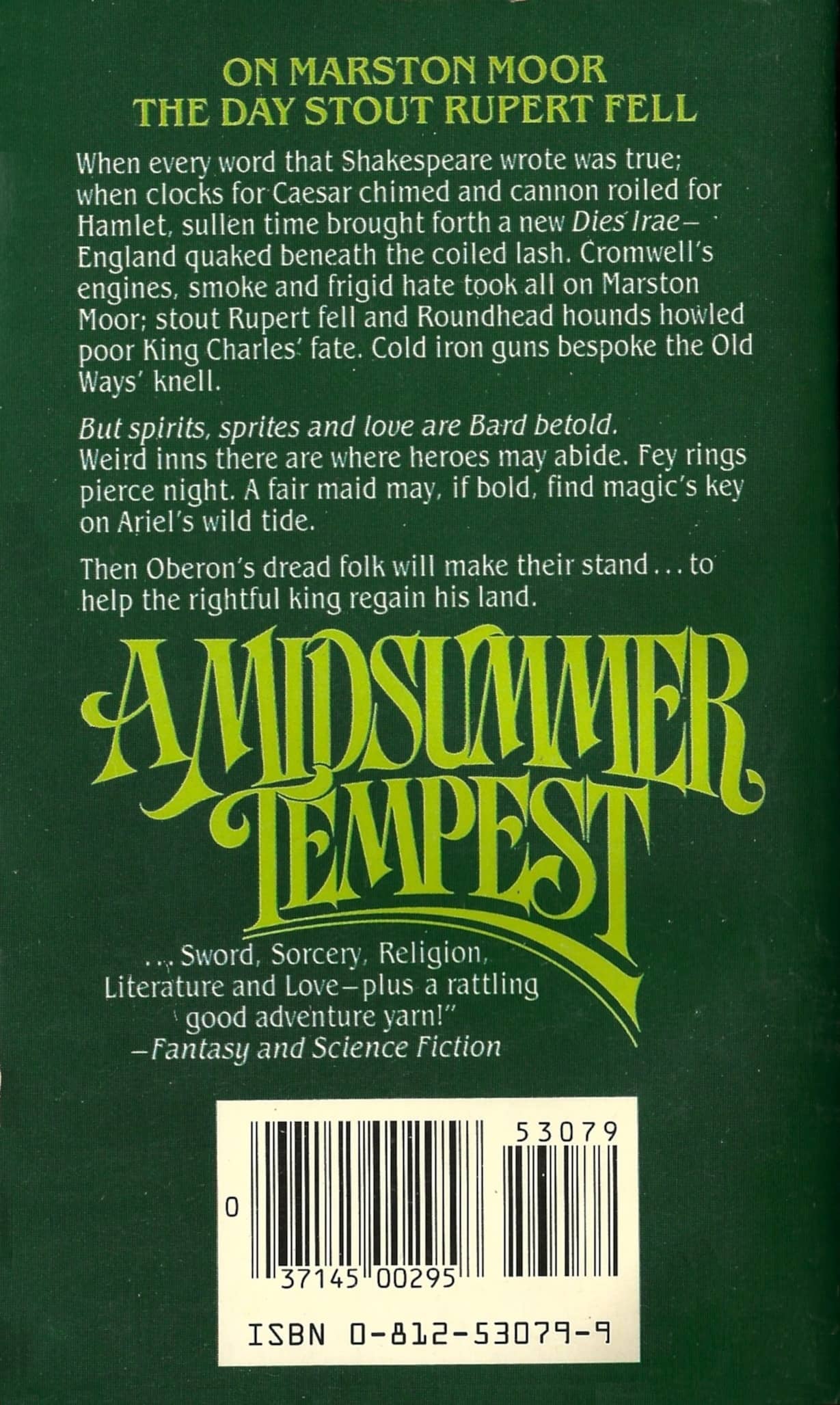
A Midsummer Tempest Poul Anderson-small A Midsummer Tempest Poul Anderson-back-small

Cover by Luis Bermejo

Poul Anderson formed a pretty consistent part of my paperback SF diet in the late 70s and early 80s. Novels like Mirkheim (1977) and classic tales like the Hugo Award-winning “No Truce with Kings” (1963) made me an early fan. But I always thought of Anderson as an SF writer, and as a result I never paid much attention to his fantasy. It wasn’t until my fellow writers here at Black Gate educated me that I learned what I was missing:

Ryan Harvey on The Broken Sword
Fletcher Vredenburgh on The Whole Northern Thing: Hrolf Kraki’s Saga by Poul Anderson
Gabe Dybing on Poul Anderson and the Northern Mythic Tradition: An Introduction
Gabe Dybing on Chaotic and Lawful Alignments in Poul Anderson’s Three Hearts and Three Lions
Gabe Dybing on Northern Matter in Poul Anderson’s “Middle Ages” of The Broken Sword and in J.R.R. Tolkien’s Middle-Earth
Gabe Dybing on Sex and Violence in Poul Anderson’s Rogue Sword

I’ve recently started exploring more of Anderson’s fantasy back catalog, and last month I purchased a copy of A Midsummer Tempest, an alternate world fantasy in which William Shakespeare was an historian, rather than playwright, and the events he recorded were all factual. While the plot draws from multiple Shakespearean plays, as the name implies it is chiefly based on A Midsummer Night’s Dream and The Tempest. It was nominated for both the World Fantasy Award and a Nebula, and won the 1975 Mythopoeic Award for Best Novel.

Read More Read More

New Treasures: First-Person Singularities by Robert Silverberg

New Treasures: First-Person Singularities by Robert Silverberg

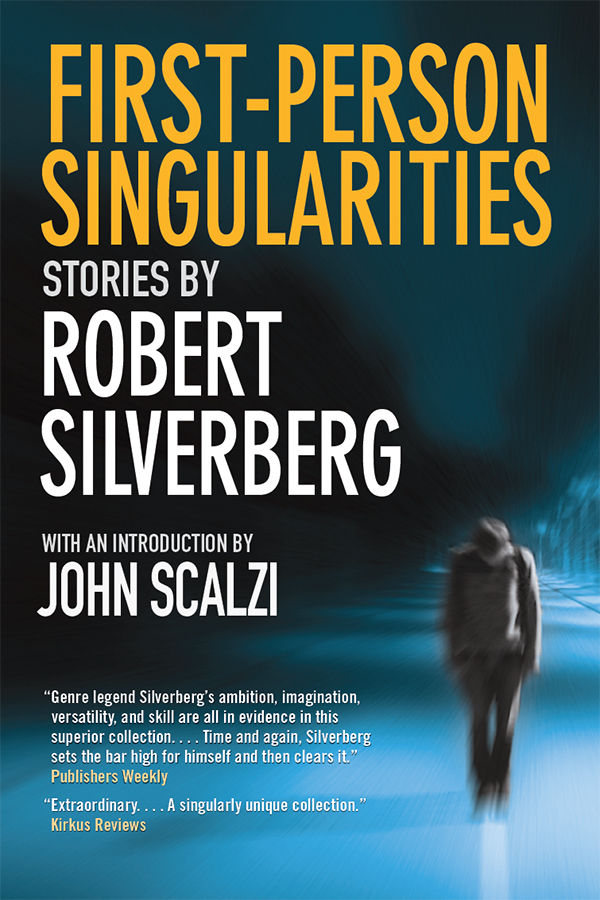
First-Person Singularities-smallA new book by SF grandmaster Robert Silverberg is a cause for celebration. It took a while for the cake and balloons to arrive, but we’re now ready to celebrate his collection First-Person Singularities. It gathers stories spanning the last six decades, all told in first person singular. Here’s Kirkus Reviews.

The sheer diversity of storylines is nothing short of extraordinary. In “House of Bones,” a time traveler is marooned more than 20,000 years in the past and is forced to assimilate into a tribe of nomadic cavemen. “Ishmael in Love” chronicles a bottle-nosed dolphin’s attempt to woo a human researcher with whom he’s fallen in love. The Nebula Award–winning “Passengers” tells the tale of a man living in a future where aliens have invaded Earth and can temporarily take possession of human minds and hijack their bodies. “Going Down Smooth” is told from the perspective of a computer, designed to help psychoanalyze troubled human patients, that finds itself slowly losing its sanity. “Caliban” chronicles a normal man’s plight in a world where everyone looks like a model. But arguably the most memorable story is “The Reality Trip,” about an alien spy — a beetle-ish creature living inside a humanlike body made of synthetic flesh — who must deal with an amorous woman who lives, as he does, in Manhattan’s Chelsea Hotel and is bent on seeking an intimate relationship with him…. this book [is] a master class in first-person narrative for aspiring writers. Additionally, each story is preceded by a short introduction by Silverberg that offers invaluable insight into the cultural landscape, the publishing industry, and the author’s personal life at the time of writing.

Decades after being originally published, most of these stories are still just as entertaining and powerful as they were when first released. A singularly unique collection.

The collection includes multiple awards winners and nominees, including the Hugo Award-nominated “Our Lady of the Sauropods,” the Nebula Award-winning “Passengers,” and the Locus Award-winning novella “The Secret Sharer.”

Here’s the complete Table of Contents.

Read More Read More

Unbound Worlds on Where to Start with Gothic Space Opera

Unbound Worlds on Where to Start with Gothic Space Opera

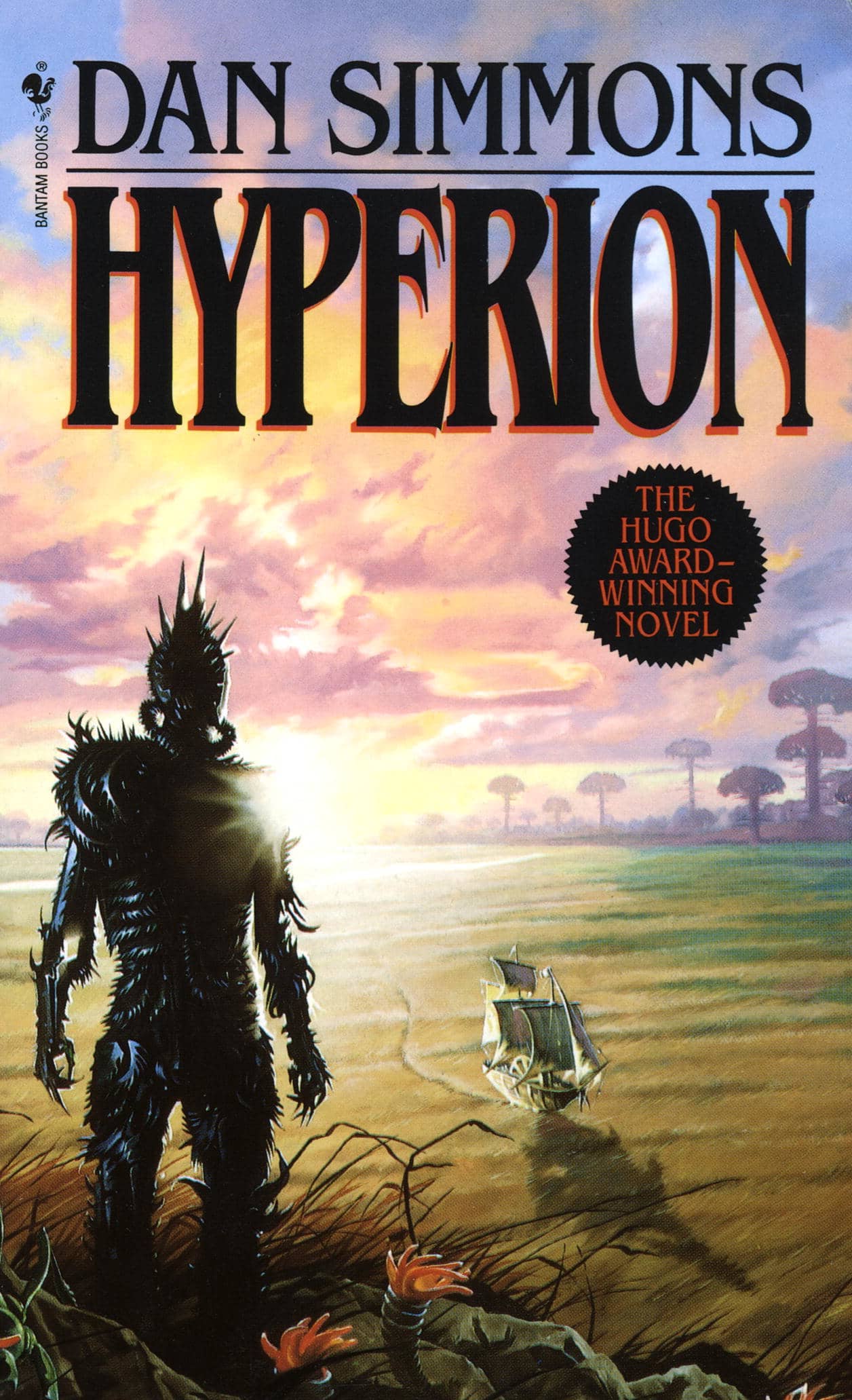
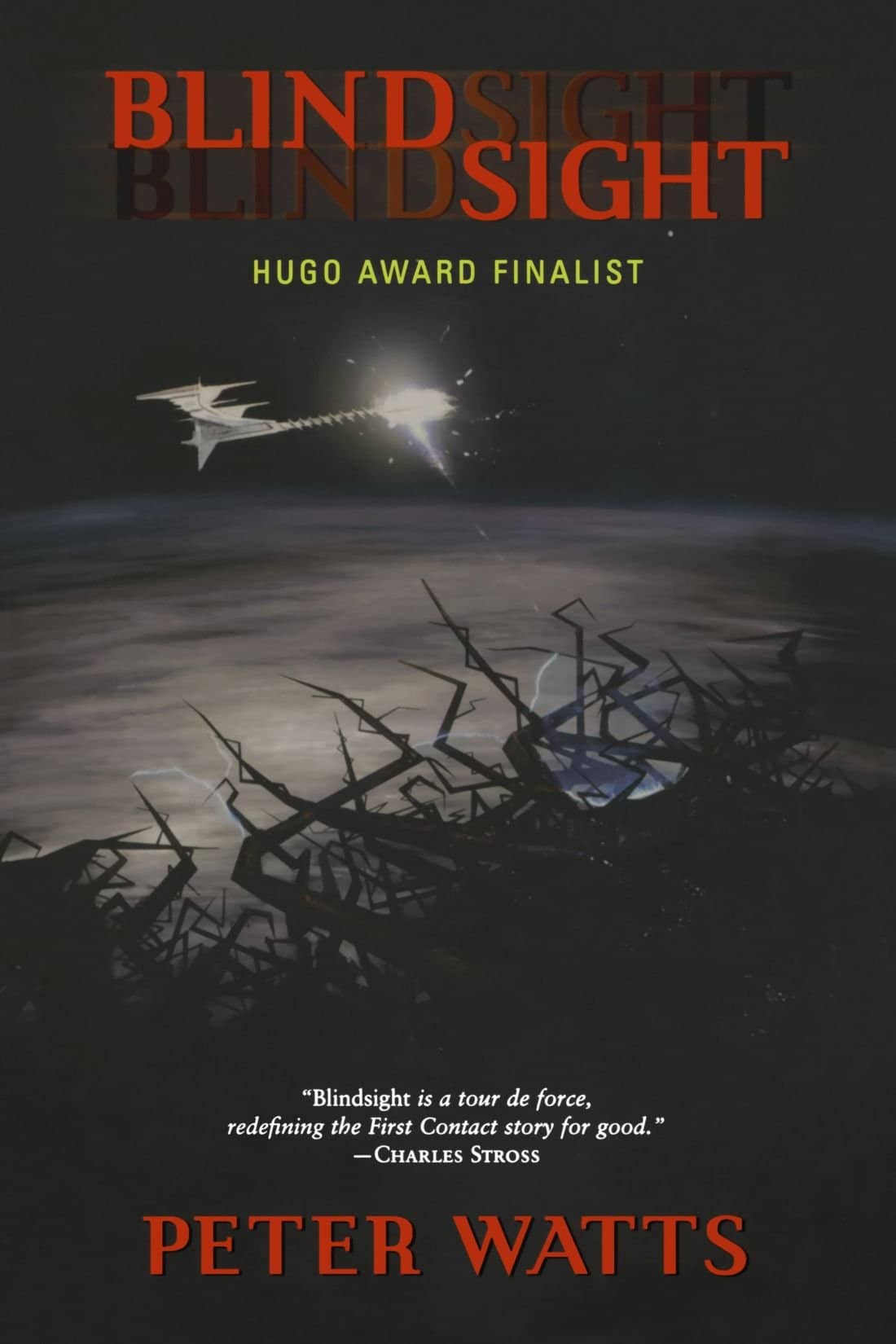
Hyperion Dan SImmons-small Blind Sight Peter Watts-small The Burning Dark Adam Christopher-small

I didn’t even know one of my favorite SF sub-genres had a name. But it does, and over at Unbound Worlds Matt Staggs tells us what it is.

In a gothic space opera, pseudo-medievalism, superstition, insanity, and decay are juxtaposed with space travel: a perfect embodiment of progress, science, and rationality. The starship becomes a stand-in for the haunted mansion, and the universe at large the misty moors that surround it.

Cults, all-powerful religions, and demonic forces are commonly found in the genre, and the wear and tear of space travel — time dilation, and the assumption of death-like states of suspended animation for examples — on human relationships are often emphasized. Human life far from civilization becomes stranger, perhaps even hostile. In gothic space opera, human beings become the aliens they fear.

Gothic space opera! It’s like Dracula married Star Wars and they had a little goth space baby. Matt says gothic space opera is “Movies like Event Horizon and Sunshine, the popular wargame franchise Warhammer 40,000, and the video game Dead Space.” I like all those things, so I’m on board (I also like Alien, the ultimate haunted-space-ship movie, but maybe that’s a separate sub-sub-genre or something. I don’t question the experts.)

It was probably Warhammer 40,000, with its exciting tales of the Dark Ages of a vast galaxy-wide empire paralyzed by superstition and constant warfare, that really cemented my love of this brand new sub-genre. Matt suggests some excellent starting points for curious fans; and this is where I really paid attention. Here’s a few of the highlights.

Read More Read More

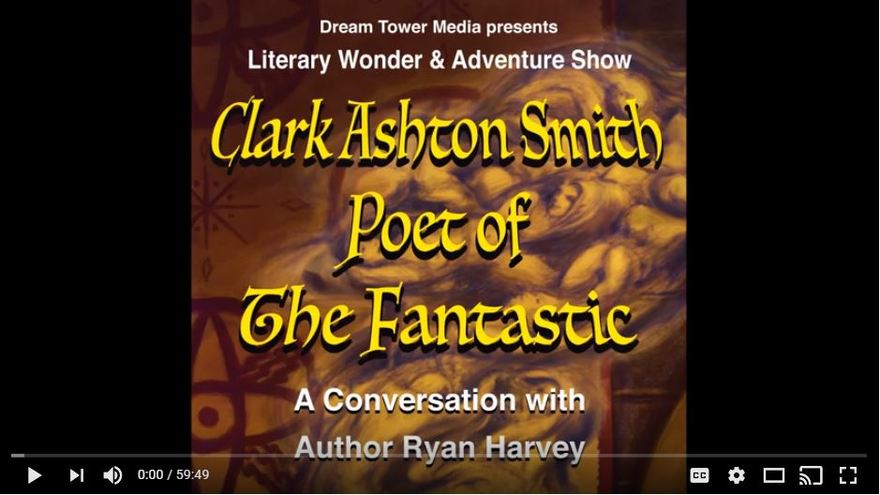
Literary Wonder & Adventure Podcast: Clark Ashton Smith, Poet of The Fantastic

Literary Wonder & Adventure Podcast: Clark Ashton Smith, Poet of The Fantastic

Clark Ashton Smith Poet of the Fantastic

I’ve started listening to podcasts during my morning commute on the train and, let me tell you, I am an instant fan. I can’t explain what took me so long to discover them, but I am a convert. I’ve really been enjoying Jonathan Strahan & Gary K. Wolfe’s Coode Street Podcast, and am just getting into Welcome to Night Vale. But the best podcast I listened to this month was Episode 9 of the Literary Wonder & Adventure Show from our old friends Robert Zoltan and Dream Tower Media. This month’s topic is Clark Ashton Smith, Poet of The Fantastic, and the special guest is our very own Saturday blogger Ryan Harvey.

Ryan practically introduced me to CAS with his epic four-part examination of The Fantasy Cycles of Clark Ashton Smith, starting with The Averoigne Chronicles. He brings both a deep knowledge and genuine passion to the topic, and his enthusiasm is infectious. Here’s a clip from around the 7-minute mark.

The first of [Smith’s] weird short stories that he sold to a magazine was 1926, a story called “The Abominations of Yondo,” which he sold to a local magazine called The Overland Monthly. And H.P. Lovecraft, who was his pen pal at the time, and for the rest of Lovecraft’s life, encouraged Smith to sell his stories to Weird Tales. And he got into Weird Tales, and for a period of about five years he, H.P. Lovecraft and Robert E. Howard, were also all pen pals, and were the major focus of the magazine. And Smith sold a lot of stories at this time, and then in 1934-35, right about the same time both Lovecraft and Howard stopped writing – although for very different reasons – Smith just no longer needed to support his parents (his mother died in ‘35 and his father died in ‘37) and he just lost interest in writing prose.

Ryan is a terrific resource for anyone who wants to understand the mystery and appeal of the great pulp fantasists of the early 20th Century, and host Robert Zoltan has edited their conversation into a fascinating 1-hour package. Check the whole thing out here, and see our coverage of previous episodes of the Literary Wonder & Adventure Show here

Future Treasures: Dread Nation by Justina Ireland

Future Treasures: Dread Nation by Justina Ireland

Dread Nation-smallJustina Ireland is author of the YA novels Promise of Shadows and Devil’s Pass. Her latest, Dread Nation, is an audacious fantasy set in a post-Reconstruction America battling a plague of zombies risen from Civil War battlefields, and it’s getting a heck of a lot of pre-release buzz for a zombie book. Booklist calls it “Brilliant and gut-wrenching,” and Publishers Weekly praised its “Abundant action, thoughtful worldbuilding, and a brave, smart, and skillfully drawn cast… [with] a nail-biting conclusion.”

Bustle has a great interview with Ireland in which she says, “Sure, you have well-to-do white women fighting, but it didn’t seem realistic. It would’ve been black women fighting in the streets.” That led her to the intriguing idea of a school for black and Native girls who train to fight the swarms of undead. Dread Nation arrives in hardcover next month.

Jane McKeene was born two days before the dead began to walk the battlefields of Gettysburg, Pennsylvania — derailing the War Between the States and changing the nation forever.

In this new America, safety for all depends on the work of a few, and laws like the Native and Negro Education Act require certain children attend combat schools to learn to put down the dead.

But there are also opportunities — and Jane is studying to become an Attendant, trained in both weaponry and etiquette to protect the well-to-do. It’s a chance for a better life for Negro girls like Jane. After all, not even being the daughter of a wealthy white Southern woman could save her from society’s expectations.

But that’s not a life Jane wants. Almost finished with her education at Miss Preston’s School of Combat in Baltimore, Jane is set on returning to her Kentucky home and doesn’t pay much mind to the politics of the eastern cities, with their talk of returning America to the glory of its days before the dead rose.

But when families around Baltimore County begin to go missing, Jane is caught in the middle of a conspiracy, one that finds her in a desperate fight for her life against some powerful enemies.

And the restless dead, it would seem, are the least of her problems.

Dread Nation will be published by Balzer + Bray on April 3, 2018. It is 464 pages, priced at $17.99 in hardcover and $9.99 for the digital edition. The cover was designed by David Curtis.

Vintage Treasures: Maske: Thaery by Jack Vance

Vintage Treasures: Maske: Thaery by Jack Vance

Maske Theary-small Maske Theary-back-small

Here’s a Jack Vance novel I haven’t read: Maske: Thaery, a science fiction adventure first published in hardcover in 1976. The Wikipedia entry does a fine job of summarizing how the book fits into Vance’s catalog, I thought.

Maske: Thaery is a science fiction novel by American writer Jack Vance, set in his Gaean Reach milieu… Maske: Thaery marks the beginning of the period when Vance’s novels were published exclusively straight to paperback, whereas prior to this the majority had first appeared in science fiction magazines, the last such examples being Durdane trilogy, serialised in The Magazine of Fantasy & Science Fiction from 1971 to 1973, The Gray Prince, serialised in Amazing Science Fiction in 1974, and Marune: Alastor 933, also serialised in Amazing Science Fiction in 1974. The twofold title of Maske: Thaery, with its separating colon, would suggest that it was originally intended to be part of a serial, similar to the Alastor novels (Trullion: Alastor 2262, Marune: Alastor 933, and Wyst: Alastor 1716), although no further volumes were written… Maske: Thaery continues Vance’s interest in richly textured, strongly xenological settings, in which an outsider protagonist comes into conflict with a bewilderingly complex social hierarchy, other examples being Emphyrio (1969) and the Durdane trilogy.

Maske: Thaery placed 12th on the annual Locus Award list for Best SF Novel in 1976. After Jack Vance’s death in 2013, I read the following tribute/review at Speculation…, which called the book “one of his best.”

Read More Read More

New Treasures: Children of Blood and Bone by Tomi Adeyemi

New Treasures: Children of Blood and Bone by Tomi Adeyemi

Children of Blood and Bone-smallAfrican fantasy and SF is experiencing a true renaissance, and while it’s tempting to give much of the credit to the astonishing worldwide success of Black Panther, in truth the trend has been building for years.

Tomi Adeyemi’s West African-inspired debut is a full-blown publishing phenomenon all on its own, for example. Publisher Henry Holt Books made a pre-emptive 7-figure bid for it last year, making it one of the biggest debut YA books of all time. Entertainment Weekly labels it “A phenomenon,” Ebony calls it “The next big thing in literature and film,” and, closer to home, Andrew Liptak features it prominently in “15 new science fiction and fantasy books to read this March” at The Verge.

Children of Blood and Bone is the first installment of a new trilogy. It follows Zélie Adeola, whose mother is killed when the king orders the death of all maji, as she fights to bring magic back to the kingdom of Orïsha, while struggling to keep her own growing power under control. Here’s the description.

They killed my mother.
They took our magic.
They tried to bury us.

Now we rise.

Zélie Adebola remembers when the soil of Orïsha hummed with magic. Burners ignited flames, Tiders beckoned waves, and Zélie’s Reaper mother summoned forth souls.

But everything changed the night magic disappeared. Under the orders of a ruthless king, maji were killed, leaving Zélie without a mother and her people without hope.

Now Zélie has one chance to bring back magic and strike against the monarchy. With the help of a rogue princess, Zélie must outwit and outrun the crown prince, who is hell-bent on eradicating magic for good.

Danger lurks in Orïsha, where snow leoponaires prowl and vengeful spirits wait in the waters. Yet the greatest danger may be Zélie herself as she struggles to control her powers and her growing feelings for an enemy.

Children of Blood and Bone was published by Henry Holt and Co. on March 6, 2018. It is 544 pages, priced at $18.99 in hardcover and $9.99 for the digital editions. Read an excerpt at Entertainment Weekly.

The 1001 Treasures of Black Blade Publishing and Goodman Games: Gary Con 2018 Report, Part II

The 1001 Treasures of Black Blade Publishing and Goodman Games: Gary Con 2018 Report, Part II

Tales from the Magicians's Skull in the Goodman Games booth at Gary Con 2018-small

New releases at the Goodman Games table, including the magnificent Tales From the Magician’s Skull

In Part I of my Gary Con 2018 report, posted here yesterday, I talked about one of the great pleasures of walking the Exhibit Hall: meeting the creative masterminds behind the most dynamic companies in old-school RPGs, like Goodman Games, North Wind Adventures, Troll Lord Games, Black Blade Publishing, Frog God, Kobold Games, and many others. Today I want to talk about the other great pleasure of a truly rich Exhibit Hall. Namely, all those marvelous gaming treasures.

I do a pretty good job staying on top of the newest releases in the adventure gaming industry. More than that, I have a staff of top-notch game writers — like Andrew Zimmerman Jones, Bob Byrne, M. Harold Page, Howard Jones, Fletcher Vredenburgh, and Gabe Dybing, just to name a few — who constantly keep me informed. And yet virtually every step through the Exhibit Hall was filled with surprises. Anyone who’s ever visited the Exhibit Hall of a major gaming con or science fiction convention knows what I’m talking about. That sense of having stepped into a virtual Cave of Wonders, packed with a dozen lifetimes worth of magical discoveries.

You can’t recreate something that overwhelming with a simple blog post. But what the hell. I’m going to give it a shot anyway. To do that, I’m going to focus on the experience of walking around a single booth at Gary Con. In this case, the largest and most well-stocked one at the show, the joint Black Blade/Goodman Games tables at the entrance to the Hall. The sixteen photos below attempt to capture a few of my delightful discoveries — as well as give you a taste of the countless tantalizing items I had to hurry past in my efforts to be a gaming journalist. Prepare yourself.

Read More Read More

Old School Role Playing, and Pathfinder by the Pound: Gary Con 2018 Report, Part I

Old School Role Playing, and Pathfinder by the Pound: Gary Con 2018 Report, Part I

Gary Con 2018 Black Gate report-small

My favorite gaming convention is Gary Con, founded in Gary Gygax’s home town of Lake Geneva, Wisconsin, in 2009, the year after he passed away. I attended many of the early Gary Cons, but regrettably have missed the last few years. I’d heard the convention had outgrown the local lodge and was now being held in a much larger venue a few minutes outside town, the Grand Geneva Resort & Spa, and I was very curious to see just how big it has become. So I packed up my car on Saturday morning and made the 90-minute drive north from St. Charles, Illinois, to Lake Geneva.

How much has it grown? A lot. Just a few years ago Gary Con was a few hundred gamers who gathered to remember Gary and celebrate all that he brought to gaming. But on Saturday morning I walked into a sprawling modern gaming convention, with thousands of folks happily throwing down dice in multiple buildings and numerous gaming rooms. I’m delighted to report that, while it had gotten much grander, Gary Con has lost none of its friendly atmosphere — or its focus on the kind of old-school role playing pioneered by Gygax.

The highlight of the con for me is always the Exhibit Hall, which has always felt more like an intimate gathering of friends than just a place to hawk wares. In past years I’ve met many some of the most creative minds in the OSR (“Old School Revival”) community there, including Jeffrey Talanian, author of the Astonishing Swordsmen & Sorcerers of Hyperborea RPG, Daniel Proctor, creator of Labyrinth Lord, Stephen Chenault, creator of Castle & Crusades, and Jon Hershberger, co-founder of Black Blade Publishing (OSRIC). Every year I also take the opportunity to meet up with friends such as Dave Kenzer and Jolly Blackburn of KenzerCo.

The tiny Exhibit Hall has grown enormously since I’d last attended, however. In fact, there were over 50 exhibitors spread across two halls, including Frog God Games, Goodman Games, Kobold Press, Northwind Adventures, Troll Lord Games, Hammered Game Tables, Inner City Games Designs, Pacesetter Games, Total Party Kill Games, and many more. Truly an old-school role player’s paradise!

Read More Read More