Browsed by
Author: John ONeill

The Pocket Best

The Pocket Best

The Pocket Best Science Fiction-small

We’ve spent a lot of time here at Black Gate celebrating Del Rey’s Classics of Science Fiction line from 1974-88 (The Best of Eric Frank Russell, The Best of Fritz Leiber, etc.); nearly two dozen paperback originals reprinting early short stores by C.L. Moore, Leigh Brackett, Edmond Hamilton, Henry Kuttner, John W. Campbell, Philip K. Dick, Fredric Brown, Murray Leinster, Robert Bloch, Jack Williamson, and many others. The series was the equivalent of a Masters-level course in science fiction and, taken as a whole, formed an essential library of 20th Century SF. The entire series, including all the reprints, is cataloged at IMDB. None of the volumes have been reprinted since 1988, and there are no digital versions, but the series was popular enough that copies are easy to find and not particularly expensive. (See below for a handsome set I bought last month for $40).

Lester del Dey wasn’t the only publisher to see the value of a line of Best of collections, of course. Donald Wollheim more or less pioneered the idea with The Book of  A.E. van Vogt (DAW Books No. 4, 1972) and The Book of Brian Aldiss (No. 29, 1972), and followed with nine more from Frank Herbert, Philip K. Dick, Gordon R. Dickson, Philip Jose Farmer, Fritz Leiber, Fred Saberhagen, Poul Anderson, John Brunner, and Andre Norton. Like most early DAW efforts though, these were slender volumes; they’re also not as numerous, and the packaging isn’t nearly as attractive as the Del Rey books, so they aren’t as collectible.

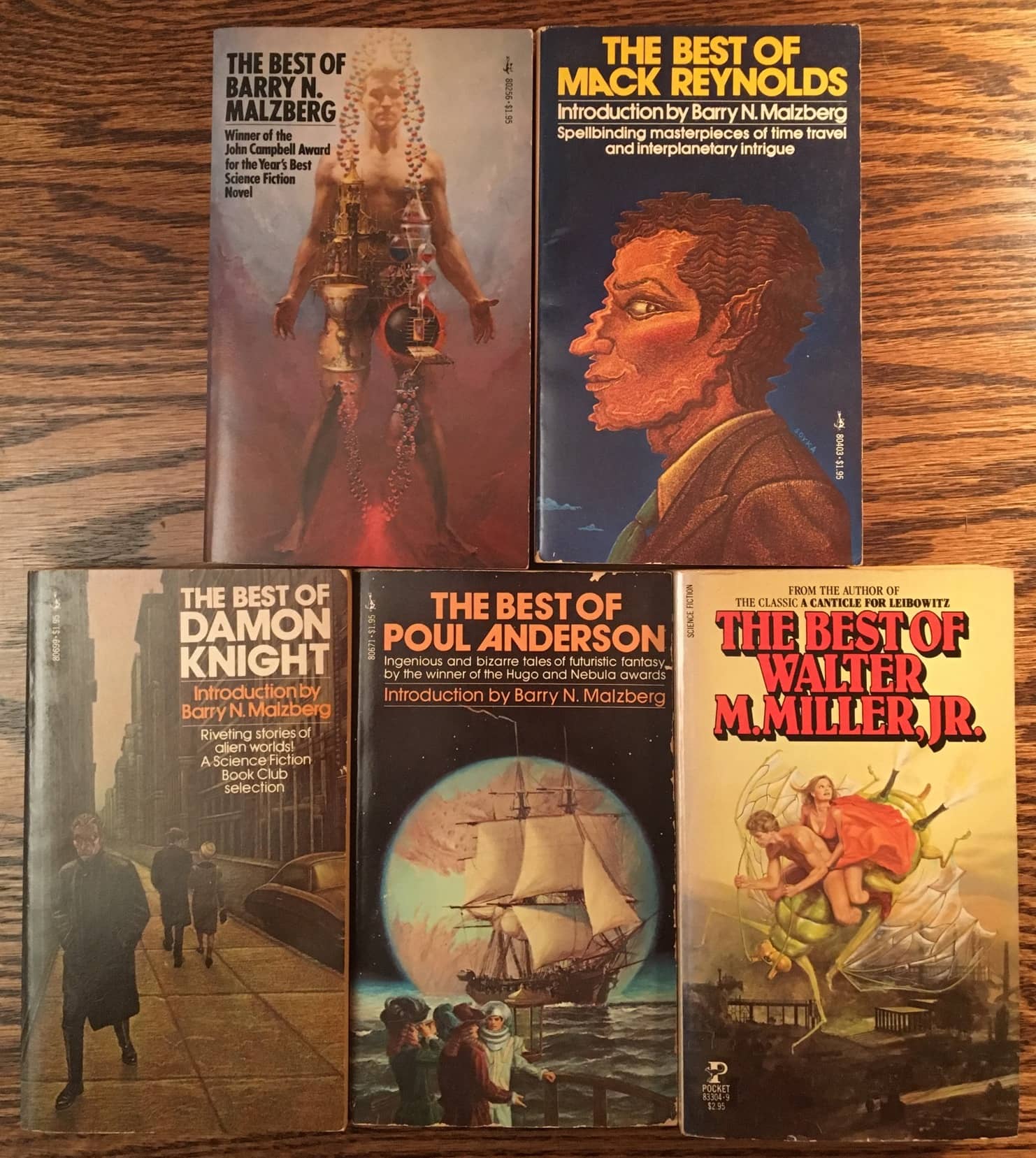
There was another publisher who gave del Rey a run for his money, however. Between 1976 and 1980 Pocket Books produced nearly a dozen substantial collections showing off the science fiction authors in their catalog, including Jack Vance, Robert Silverberg, Harry Harrison, John Sladek, Keith Laumer, Damon Knight, Poul Anderson, Barry N. Malzberg, Mack Reynolds, and Walter M. Miller.

Read More Read More

New Treasures: Deep Roots by Ruthanna Emrys

New Treasures: Deep Roots by Ruthanna Emrys

Winter-Tide-Ruthanna-Emrys-medium Deep Roots Ruthanna Emrys-small

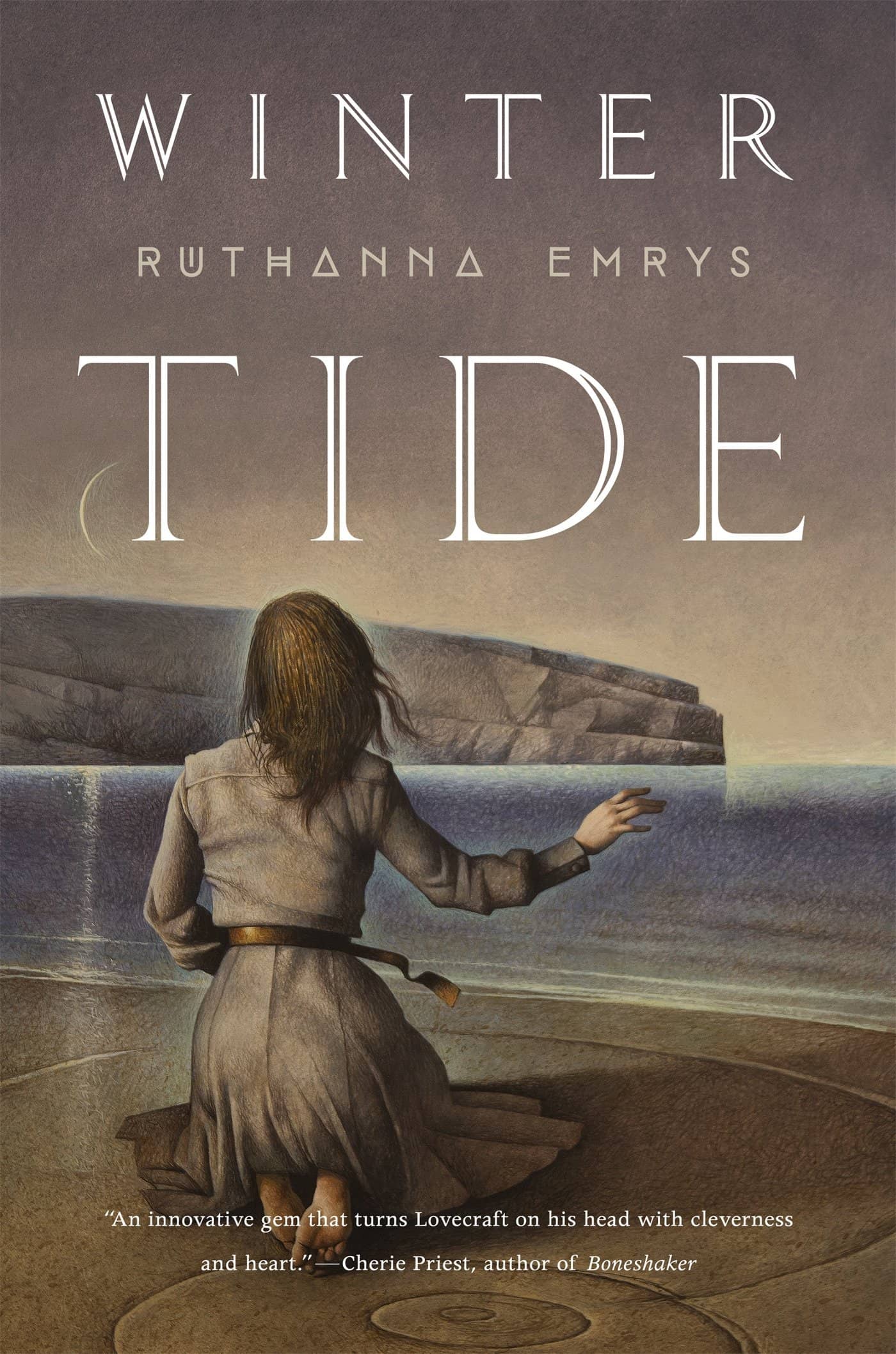
Ruthanna Emrys’ tales of The Innsmouth Legacy began with “The Litany of Earth,” a novelette originally published at Tor.com in May 2014, which picks up the threads of H.P. Lovecraft’s classic “The Shadow Over Innsmouth.” Aphra Marsh, who with the other residents of Innsmouth was forced into internment camps, discovers humans trying to replicate her people’s secret rituals, with sinister consequences. If it weren’t for the noxious Hugo-grab by the Rabid Puppies, it would almost certainly have ended up on the 2015 Hugo Award Ballot.

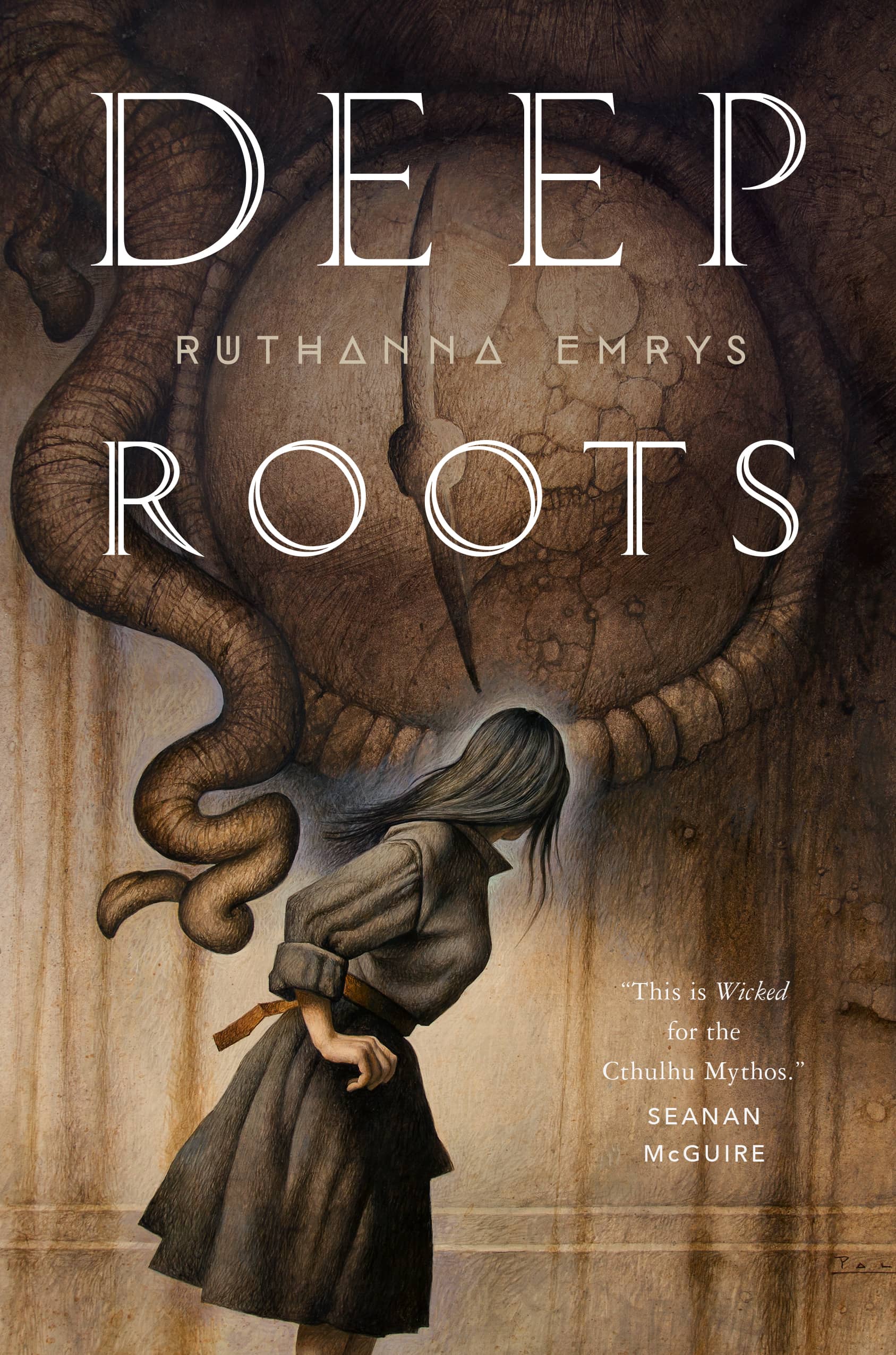
The story eventually grew into Winter Tide, one of NPR’s Best Books of 2017, which Liz Bourke called “an exceptionally accomplished debut.” Like a Great Old One emerging out of the Pacific, the tale has continued to grow and spread. The sequel Deep Roots, the second volume in what’s now a planned trilogy, arrived in hardcover from Tor.com Publications this week. Here’s the description.

Read More Read More

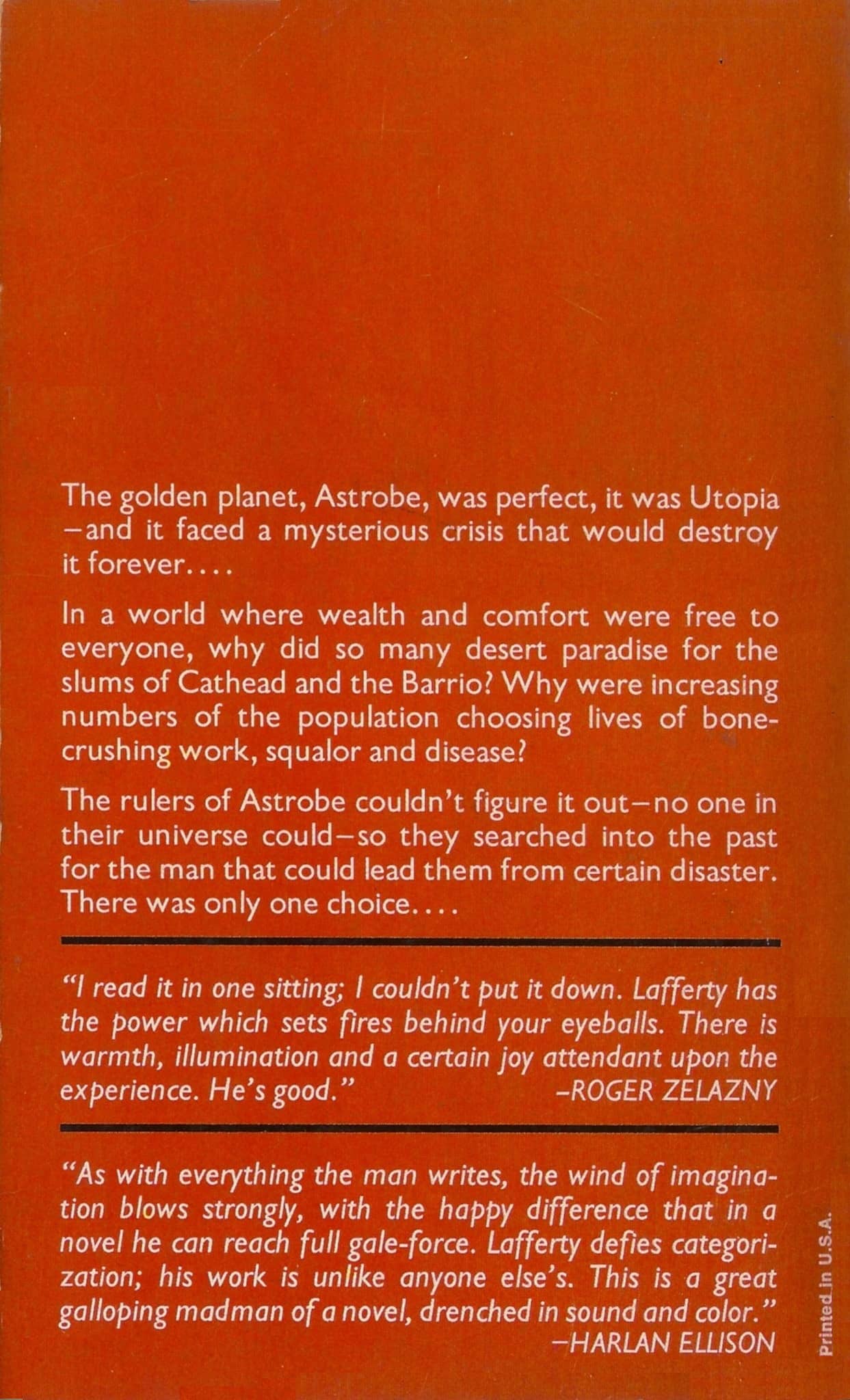
R.A. Lafferty, the Past Master of Science Fiction

R.A. Lafferty, the Past Master of Science Fiction

Past Master-small Past Master-back-small

R.A Lafferty is one of my absolute favorite classic SF writers. Though I’ve never read any of his novels.

Yeah, I know that sounds weird. But Lafferty is remembered today mostly for his brilliant short fiction, collected in priceless collections like Nine Hundred Grandmothers (1970), Strange Doings (1972), and Lafferty in Orbit (1991). And his novels… well, they’re not so well remembered. There are a lot of theories about this. In his wonderful SF biography Past Masters (the title of which is an homage to Lafferty), Bud Webster quotes Mike Resnick, who was close to Lafferty:

There were a number of people… who thought he was the most brilliant short story writer in the field. But his novelettes weren’t as good, and except for Space Chanty (sic) his novellas were unexceptional, and his novels were for the most part mediocre. I blame his drinking for this. If he could grind out a story in one or two sittings, he could be brilliant. But if a novel took him 50 writing sessions, you get the feeling that each day he had to refresh his memory of what the hell he wanted to do, how he wanted to say it, etc.

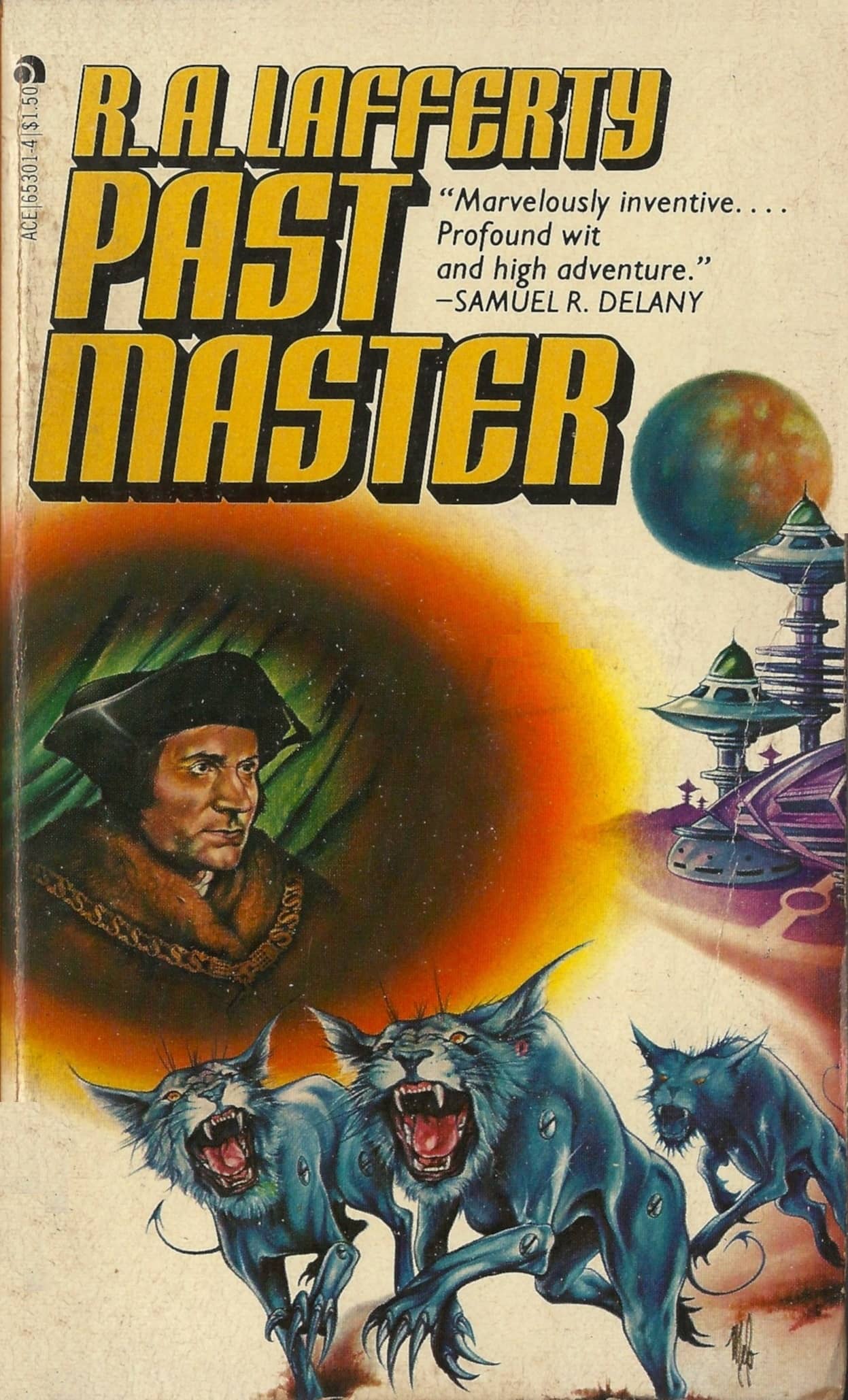
Not all of Lafferty’s novels have a poor rep. His first, Past Master (1968), was nominated for both the Hugo and Nebula, and today has become one of the most collectible SF paperbacks ever published by Ace Books, with good-condition copies commanding $50-85 and up on eBay.

Read More Read More

Sharpen Those Writing Pens: Rogue Blades Entertainment Open to Submissions for Three New Anthologies

Sharpen Those Writing Pens: Rogue Blades Entertainment Open to Submissions for Three New Anthologies

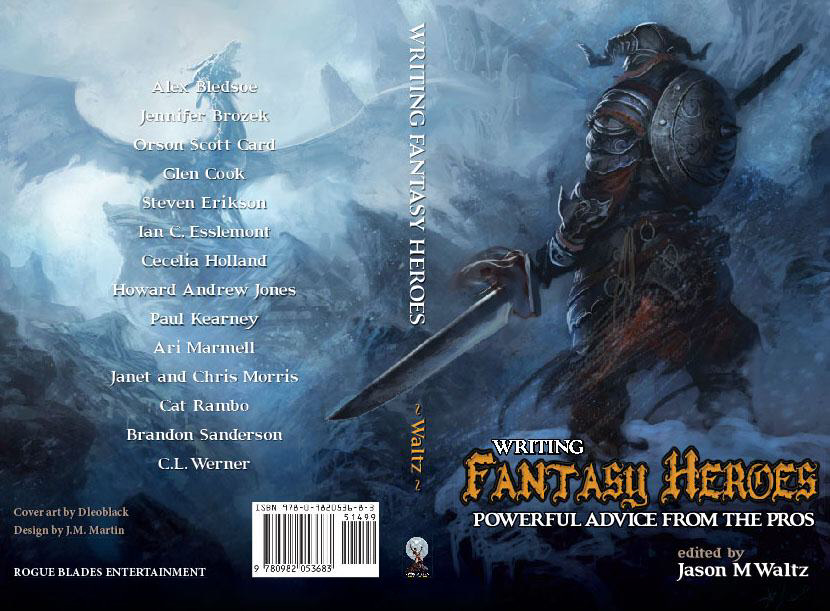
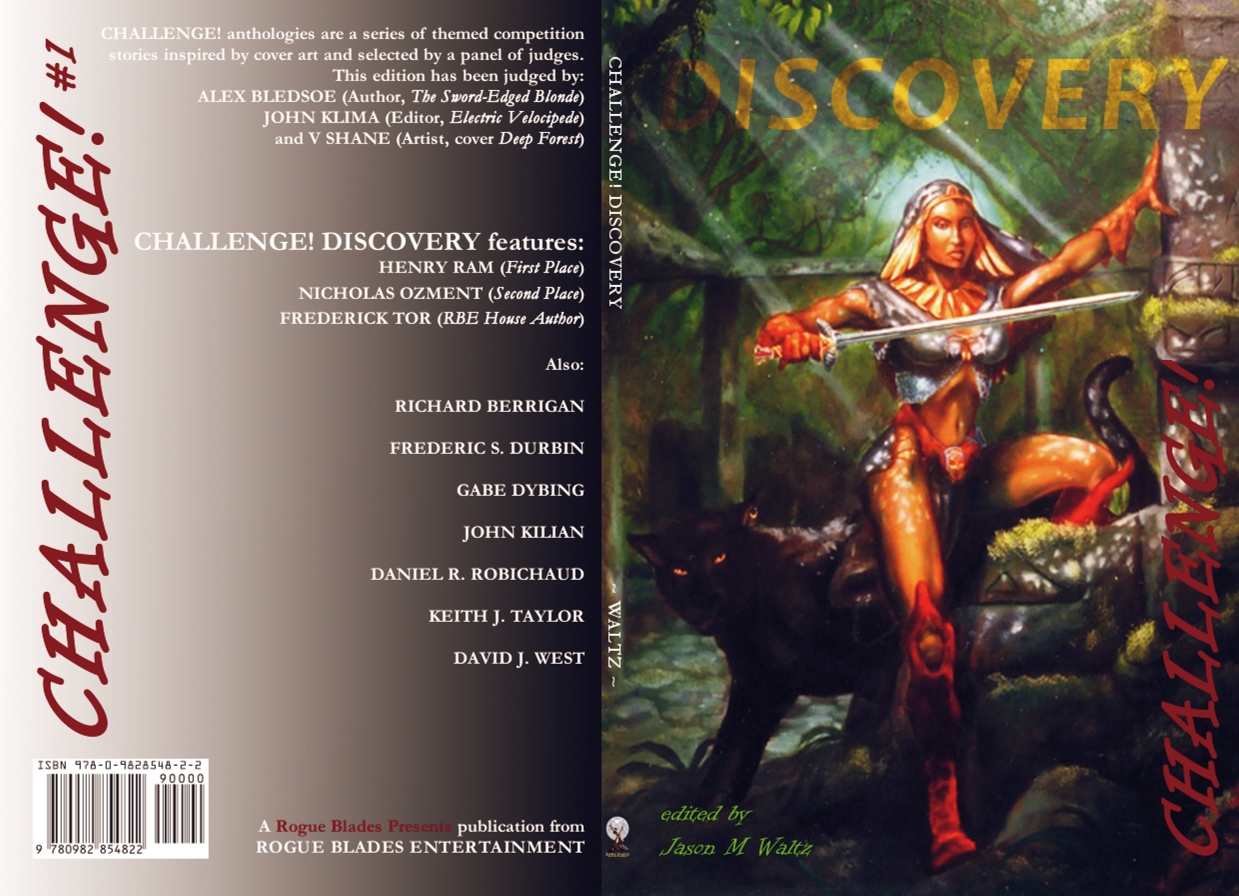
Writing-Fantasy-Heroes-small Challenge-Discovery-Rogue-Blades-Entertainment-small

Rogue Blades Entertainment’s Jason M. Waltz is one of the best editors in the adventure fantasy business. His books include the groundbreaking Writing Fantasy Heroes, Challenge! Discovery, Rage of the Behemoth, and Return of the Sword, one of the most important Sword & Sorcery anthologies of the 21st Century. But as exciting as those tomes are, what I want to talk about today are Jason’s future books — which promise to be as groundbreaking as his epic back catalog.

One of the great things about Jason is that, unlike many other editors at established publishing houses, he has open submission. That’s right — anyone can submit to one of his anthologies. And right now he has not one, not two, but three books open. The first is a swashbuckling pirates & crusaders volume, Crossbones & Crosses, and it sounds terrific. Here’s a snippet from the Submission Guidelines.

Pirates & Crusaders, ahoy! Hoist your banners, unsheathe your blades, kiss your crosses, and let’s search for booty on the seas and the sands! More of the age of steel than shot, though some rudimentary gunpowder is acceptable. NO fantastical elements! Write us your strongest swashbuckling adventures! Gritty, dangerous, and bloody, but nothing of this grimdark nihilism…

Stories should be 4k-9k words in length. Nothing either too much shorter or too much longer. Wow us with heroic storytelling!

Submissions will be open through the fall, so you have plenty of time to craft a story that will get our blood pumping. One of Jason’s other great strengths as an editor is his lightning response times — he usually gets back to you on the first 500 words of your story in the first week.

Read More Read More

Take a Monstrous Tour of Europe in The Extraordinary Adventures of the Athena Club by Theodora Goss

Take a Monstrous Tour of Europe in The Extraordinary Adventures of the Athena Club by Theodora Goss

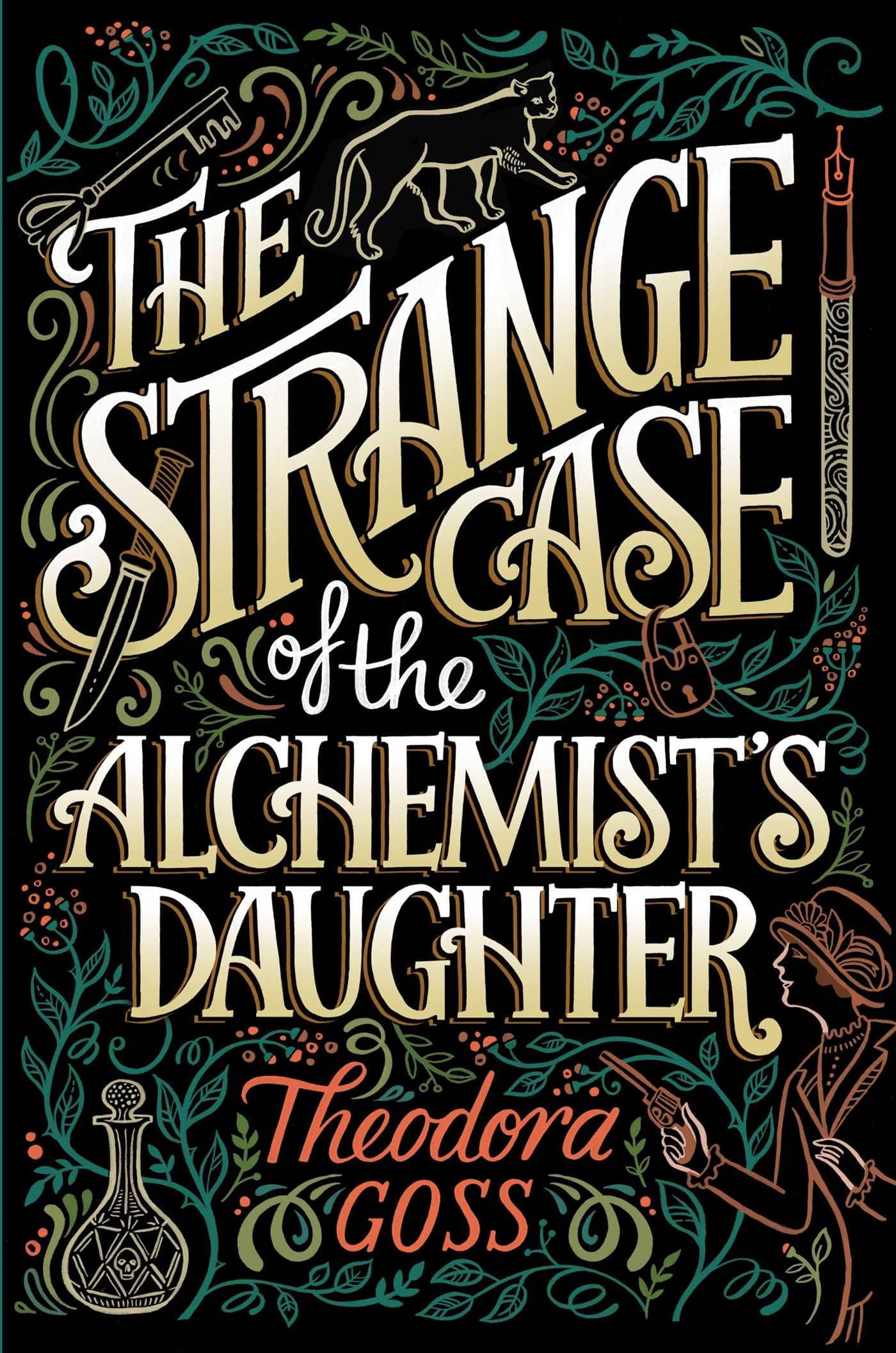
The-Strange-Case-of-the-Alchemists-Daughter-Theodora-Goss-medium European Travel for the Monstrous Gentlewoman-small

When Theodora Goss released The Strange Case of the Alchemist’s Daughter last June, Black Gate reviewer Zeta Moore raved, calling it “A Novel You’ve Been Waiting For Your Whole Life.” Here’s a clip from her review.

The Strange Case of the Alchemist’s Daughter [is] a 400-page extravaganza featuring… the daughters of legendary characters from classic fantasy and science fiction… When Mary Jekyll’s mother dies, the young inheritor of her meager estate discovers her father — Henry Jekyll himself — associated with a troubling league of gentlemen endowed with brilliant scientific ambition. With the help of Diana Hyde, a feral and headstrong spitfire (and daughter of Mr. Hyde), and a miraculous and unwilling scientific marvel named Beatrice, whom her revered father has tainted with poison from noxious plants, Mary embarks on a quest to discover just what her father’s band of brothers sought to accomplish.

Along the way, they enlist the help of an exemplary detective named Sherlock Holmes, his cherished assistant, Watson, and Catherine Moreau, daughter of the most barbaric and daring scientist of them all. Unless you factor Doctor Victor Frankenstein into the equation…

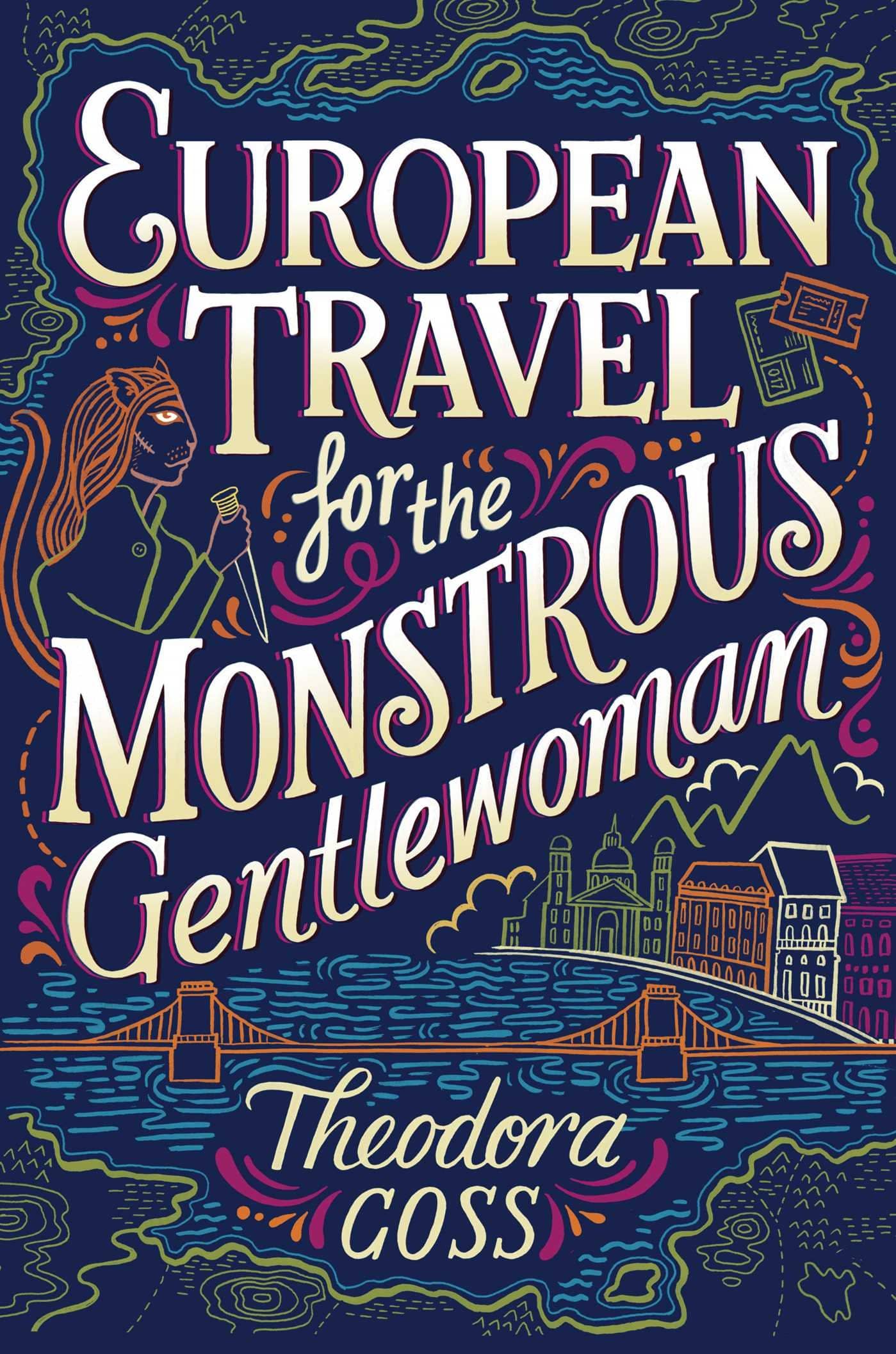
The anxiously-waited sequel, European Travel for the Monstrous Gentlewoman, arrives in hardcover from Saga Press on Tuesday. It’s a massive volume, 720 pages, and the second chapter in what’s now being called The Extraordinary Adventures of the Athena Club.

Read More Read More

New Treasures: The Merry Spinster: Tales of Everyday Horror by Mallory Ortberg

New Treasures: The Merry Spinster: Tales of Everyday Horror by Mallory Ortberg

The Merry Spinster Tales of Everyday Horror-small The Merry Spinster Tales of Everyday Horror-back-small

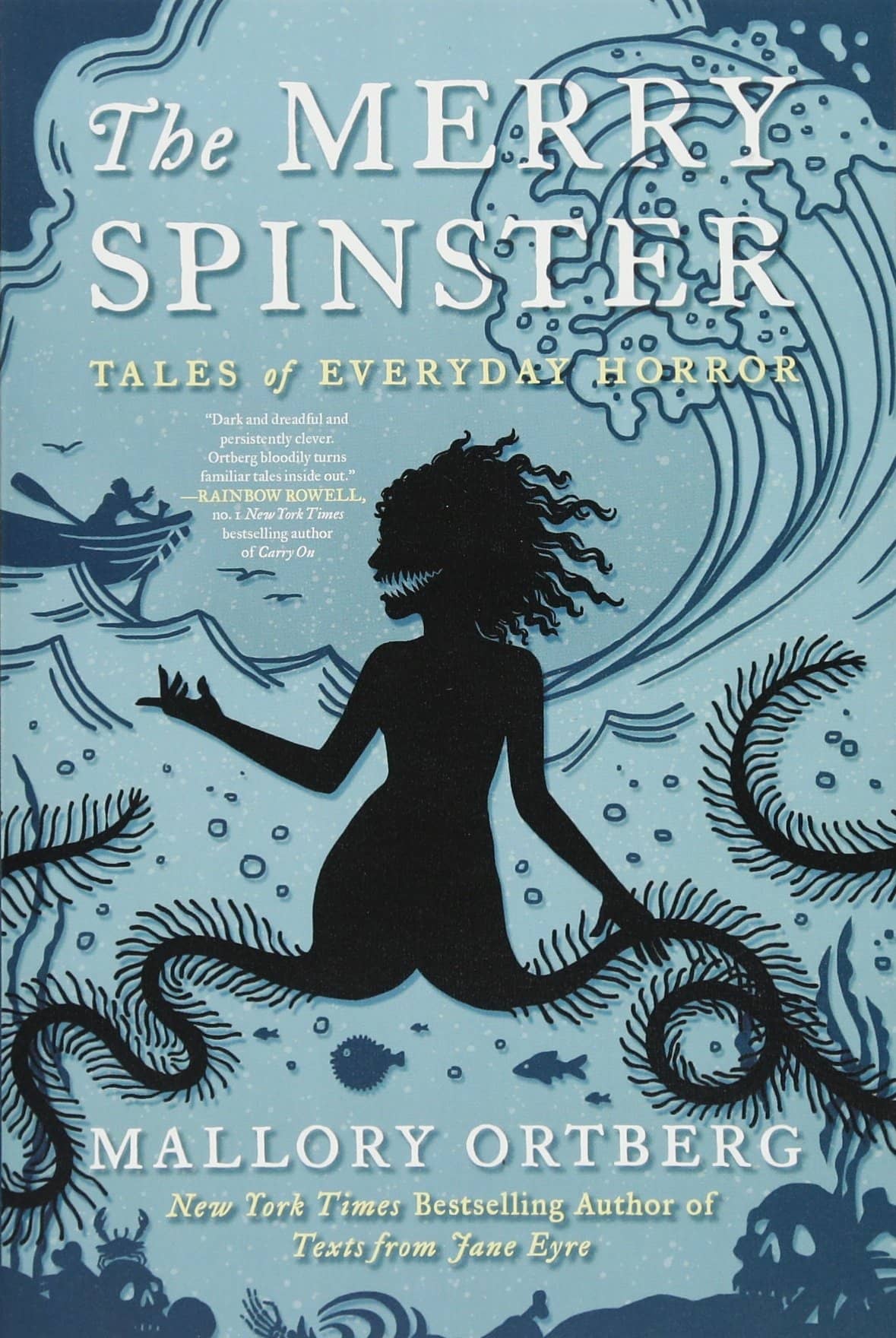
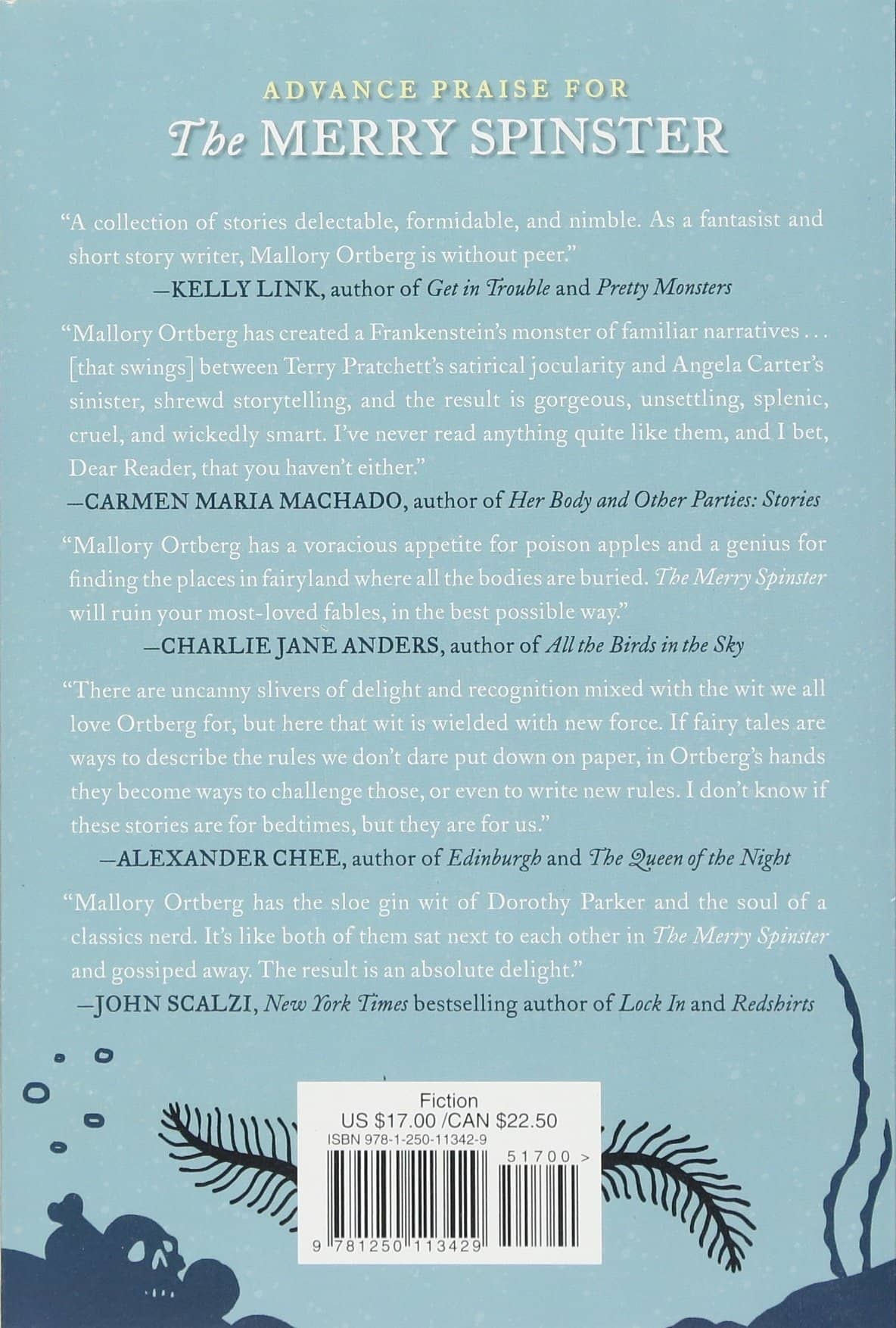
I was out to dinner with the delightful Patty Templeton last week — continuing a tour of the best ramen restaurants in Chicago — and when I got in her car I almost sat on a copy of a curious little book titled The Merry Spinster: Tales of Everyday Horror. While Patty fearlessly navigated Chicago traffic to get me to the train station, I spent a few minutes figuring out what the heck it was. And what it was was a collection of contemporary horror stories with a whole lot of accolades on the back (and plenty more online, like BuzzFeed‘s “The 33 Most Exciting New Books Of 2018” and Publishers Weekly‘s “Most Anticipated Books of Spring 2018”). I don’t know why I didn’t know about it already, but this is why it pays to have cool friends. And here I am, telling you about it. Because I’m your cool friend.

From Mallory Ortberg comes a collection of darkly mischievous stories based on classic fairy tales. Adapted from the beloved Children’s Stories Made Horrific series, The Merry Spinster takes up the trademark wit that endeared Ortberg to readers of both The Toast and the best-selling debut Texts From Jane Eyre. The feature has become among the most popular on the site, with each entry bringing in tens of thousands of views, as the stories proved a perfect vehicle for Ortberg’s eye for deconstruction and destabilization. Sinister and inviting, familiar and alien all at the same time, The Merry Spinster updates traditional children’s stories and fairy tales with elements of psychological horror, emotional clarity, and a keen sense of feminist mischief.

Readers of The Toast will instantly recognize Ortberg’s boisterous good humor and uber-nerd swagger: those new to Ortberg’s oeuvre will delight in this collection’s unique spin on fiction, where something a bit mischievous and unsettling is always at work just beneath the surface.

Unfalteringly faithful to its beloved source material, The Merry Spinster also illuminates the unsuspected, and frequently, alarming emotional complexities at play in the stories we tell ourselves, and each other, as we tuck ourselves in for the night.

Bed time will never be the same.

The Merry Spinster: Tales of Everyday Horror was published by Holt Paperbacks on March 13, 2018. It is 208 pages, priced at $17 in trade paperback and $9.99 for the digital version. See all our recent New Treasures here.

Vintage Treasures: Nebula Winners Fourteen, edited by Frederik Pohl

Vintage Treasures: Nebula Winners Fourteen, edited by Frederik Pohl

Nebula Winners Fourteen-small Nebula Winners Fourteen-back-small

Back in May, more or less on a whim, I paid $6.59 for a copy of the British paperback edition of Nebula Winners Fourteen, edited by Frederik Pohl. I already had the Bantam version (see below) but the gorgeously moody cover by the great Bruce Pennington hypnotized me, and what could I do?

I’m glad I did it, anyway. In this hot Illinois summer, a book I can dip into while relaxing on the porch is a perfect antidote, and having Nebula Winners Fourteen conveniently on hand has reminded me just how outstanding the Nebula anthologies were, and are, year after year. This one, for example, includes the three 1978 Nebula short fiction award winners, plus a 30-page excerpt from the winning novel:

“The Persistence of Vision,” by John Varley (Best Novella)
“A Glow of Candles, a Unicorn’s Eye,” by Charles L. Grant (Best Novelette)
“Stone,” by Edward Bryant (Best Short Story)
An Excerpt from Dreamsnake, by Vonda N. McIntyre

But it also includes some superb nominees, as selected by Pohl, including C. J. Cherryh’s Hugo Award-winning short story “Cassandra,” and Gene Wolfe’s massive 60-page novella “Seven American Nights.” I imagine Pohl got a lot of grief for cramming two long novellas into a slender paperback, displacing a lot of award-nominated short fiction in the process, but the years have proven the astuteness of his choice. “Seven American Nights” is one of the most acclaimed stories of the 70s, still discussed and enjoyed today, whereas the winner in the novella category, Varley’s “The Persistence of Vision,” is considered by many to be overrated (including by me.)

Read More Read More

Experience an Alternate History Space Program with Mary Robinette Kowal’s Lady Astronaut Series

Experience an Alternate History Space Program with Mary Robinette Kowal’s Lady Astronaut Series

The Calculating Stars and The Fated Sky

Mary Robinette Kowal’s “The Lady Astronaut of Mars” won the Hugo Award for Best Novelette in 2014 (after some shenanigans that caused it to be weirdly disqualified in 2013). All that — not to mention her other accolades, including multiple Nebula nominations for her popular Glamourist Histories fantasy series — helped make it one of the most talked-about SF stories of the last decade. Read the complete text at Tor.com.

“The Lady Astronaut of Mars” is the tale of Elma York, who led the expedition that paved the way to life on Mars, and the impossible decision she faces when she’s given the opportunity to return to space years later. Mary returns to the world of “Lady Astronaut” with her debut science fiction novel The Calculating Stars, available tomorrow from Tor Books. Fast on its heels is the sequel The Fated Sky, shipping in August. Tor.com offered us the following teaser back in September.

The novels will be prequels, greatly expanding upon the world that was first revealed in “Lady Astronaut.” The first novel, The Calculating Stars will present one perspective of the prequel story, followed closely by the second novel The Fated Sky, which will present an opposite perspective — one tightly woven into the first novel. Kowal elaborates: “The first novel begins on March 3, 1952 about five minutes before a meteorite slams into the Chesapeake Bay and wipes out D.C. I’ve been doing historical fantasy and I keep saying that this is historical science fiction, even though I know full well that ‘alternate history’ is already a genre. It’s so much fun to play in.”

Omnivoracious selected The Calculating Stars as one of 15 Highly Anticipated SFF Reads for Summer 2018, and just today the B&N Sci-Fi and Fantasy Blog picked it as one of the Best Science Fiction & Fantasy Books of July

Read More Read More

Shadows, Robots, and Warrior Monks: Amazon Selects the Five Best Science Fiction and Fantasy Books of June

Shadows, Robots, and Warrior Monks: Amazon Selects the Five Best Science Fiction and Fantasy Books of June

Amazon Top Five SF & Fantasy in June

Amazon closes out a month of great books with their 5 Top Picks for Best Science Fiction and Fantasy of June. The list includes some pretty familiar titles, including Peng Shepherd’s The Book of M, Yoon Ha Lee’s Revenant Gun, Stephanie Garber’s Legendary, and the debut novel by Black Gate‘s own Todd McAulty. Here’s their take.

The Robots of Gotham by Todd McAulty

Robots have taken over most of the world, but not quite in the way you’d expect. Some have fought their way to dominion. Others have been voted into power by human citizens who think AIs will make better decisions. Readers who enjoyed the complex robot-human relationships within Robopocalypse and the investigations in World War Z about how institutions function (or don’t) in the face of species-changing event will happily sink their teeth into The Robots of Gotham.

See the complete list here.

Can a Trilogy Have Six Books? The Legends of the First Empire by Michael J. Sullivan

Can a Trilogy Have Six Books? The Legends of the First Empire by Michael J. Sullivan

Age of Myth-small Age of Swords-small Age of War-small

Every time an author wraps up a trilogy, we bake a cake at the Black Gate rooftop headquarters.

Of course, this sometimes leads to anxiety. Is the series really wrapped up? Are there going to be more books? It’s not like the publisher slaps a sticker on the book saying Finito!, exactly. What if we bake a cake, and it turns out there’s four more books? Won’t we look stupid.

Ah, the hell with it. It’s cake! We’ll be forgiven. Probably. In that spirit, we were all dressed up to celebrate the arrival of Age of War, the third and (final? maybe?) book in Michael J. Sullivan’s The Legends of the First Empire series, when one of Goth Chick’s interns did some actual research (i.e. spent five minutes on Sullivan’s website). Turns out there’s a whopping six books planned for the series. Who knew?

Fortunately for those of us on staff who love cake (meaning, like, everybody), the first three books in the series will be the only ones published by Del Rey, so Age of War is an ending, of sorts. Good enough for us. Cake for everyone!

Read More Read More