Vintage Treasures: Strange Seas and Shores by Avram Davidson
 |
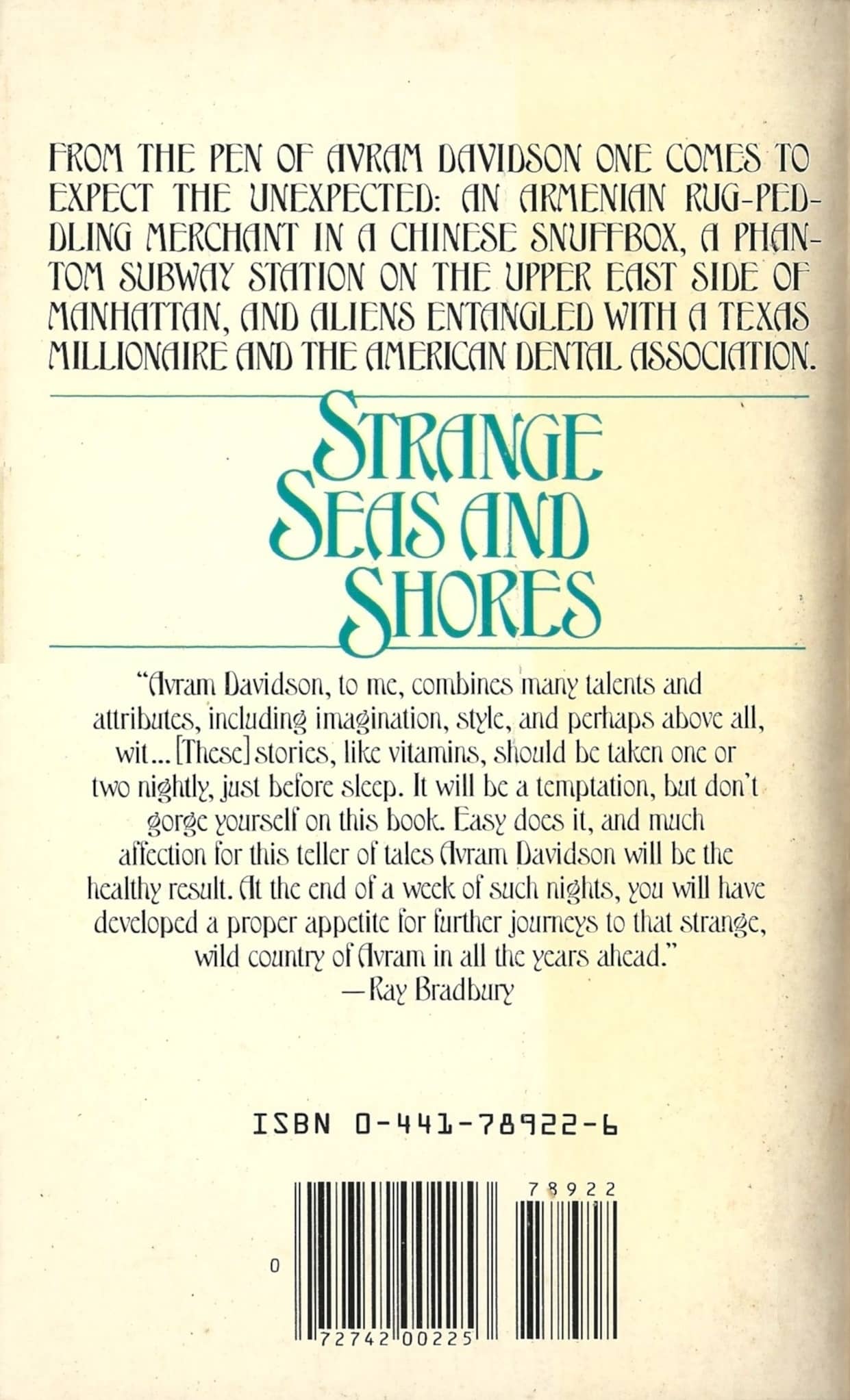 |
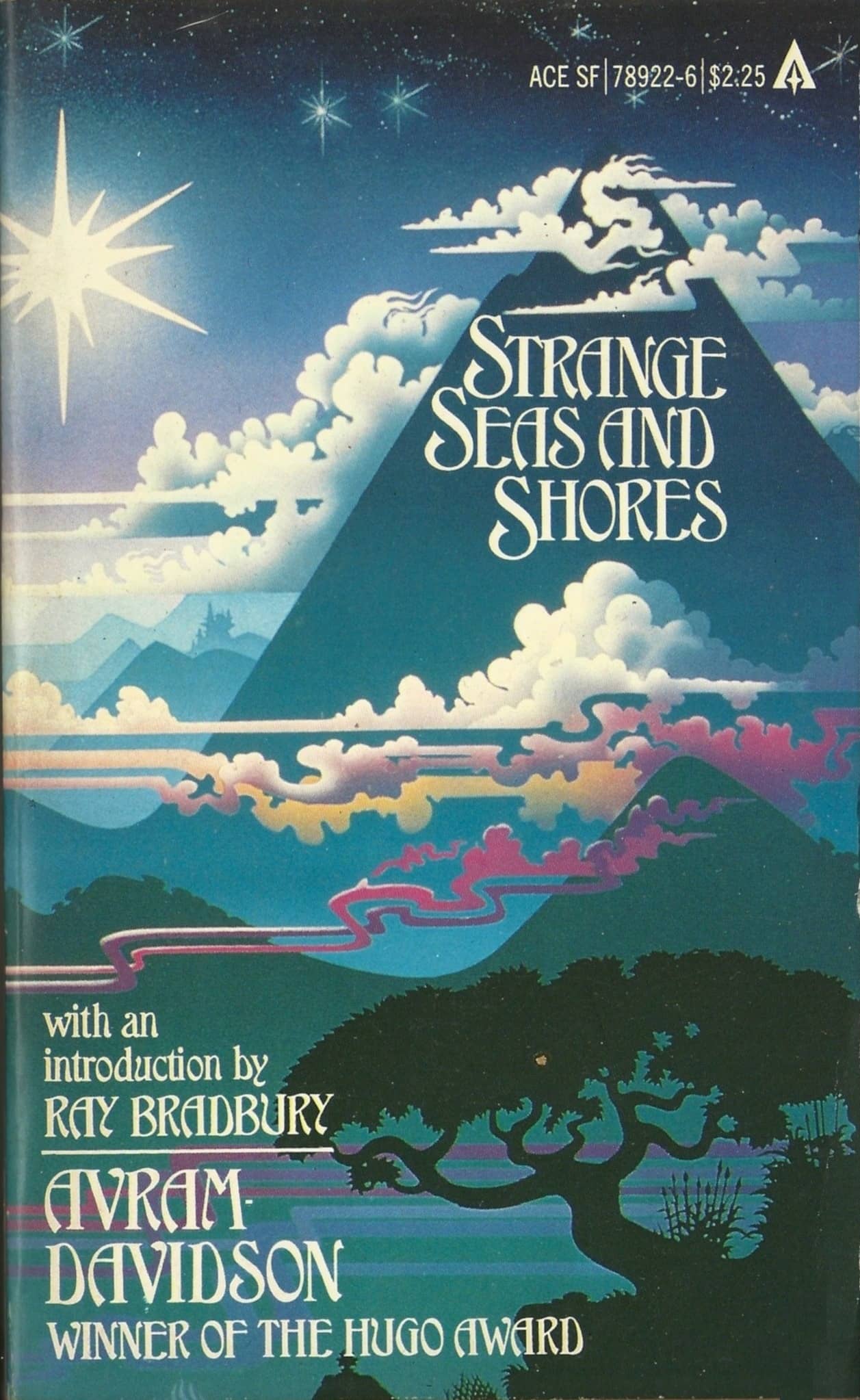
Strange Seas and Shores by Avram Davidson (Ace Books, 1981). Cover uncredited.
Avram Davidson was one of the most respected fantasy short stories authors in America during my formative years as a reader. He was nominated for the Nebula Award ten times, the World Fantasy Award nine times, and won a Hugo for his classic story “Or All the Seas with Oysters.” That’s some serious street cred right there.
He’s not well remembered today, though. Criminally, we haven’t paid much attention to him at Black Gate either (aside from a Birthday Review by Steven Silver), and that’s a serious oversight. I found his third collection, Strange Seas and Shores buried in a collection I purchased recently, and want to settle in with it this weekend. I also found this compact review at the PorPor Books Blog; here’s a taste.
In his Introduction to Strange, Ray Bradbury notes that Davidson (1923 – 1993) crafted his short stories in the mode of the renowned Saki, O. Henry, and Chesterton. That is to say, Davidson employed surprise or trick endings in his short fiction, preferring to withhold the background detail of his plots at the outset, letting these details unfold along with the narrative, with the revelation / punch line coming in the last paragraph or sentence.
Many of the entries in Strange Seas and Shores are five or fewer pages in length, so providing synopses of these tales is essentially the same thing as disclosing spoilers… Some tales use quirky or satiric humor for their revelations… Others take a grimmer tone… Some of these stories have a ‘New York City’ sensibility to them, Davidson’s home throughout most of his life. In this manner they represent a sort of alternate approach to John Cheever’s examinations of NYC life in the postwar period.
It’s interesting to observe that Davidson steadfastly adhered to the classical, or traditionalist, format for his short fiction, even as the New Wave movement overtook sf publishing. His writing is clear and unambiguous, devoid of stylish affectations, although this being Davidson, readers will need to prepare for an expanded vocabulary: ‘circumambulation’, ‘nostra’, and ‘ratiocination’, among others…. Strange Seas and Shores is dedicated reading for Davidson aficionados; those others, who appreciate short stories in the ‘classical’ mode, may also want to seek it out.
Want to know another thing I discovered about Strange Seas and Shores this weekend? It is not the same book as his 1965 collection, What Strange Stars and Skies. For the last 40 years I’ve gotten these two titles confused. Glad to get that cleared up.
 Science fiction has strong historical links to the adventure genre, but ideas-oriented science fiction tends to move away from adventure. Adventure fiction typically focusses on individual protagonists doing world-altering things, and a science fiction backdrop makes for a fictional world susceptible to alteration. But much actual social change is driven by organisations and groups, and science fiction that wants to talk about ideas usually acknowledges that. At the extreme you get something like Asimov’s early Foundation stories: tales in which the inevitable working-out of sociological forces are at the centre of the story, not the actions of a single hero. It’s not impossible to balance a quest-story about a single protagonist with a realistic portrayal of a world defined by its social structures, but tales that pull off both aspects are worth noting.

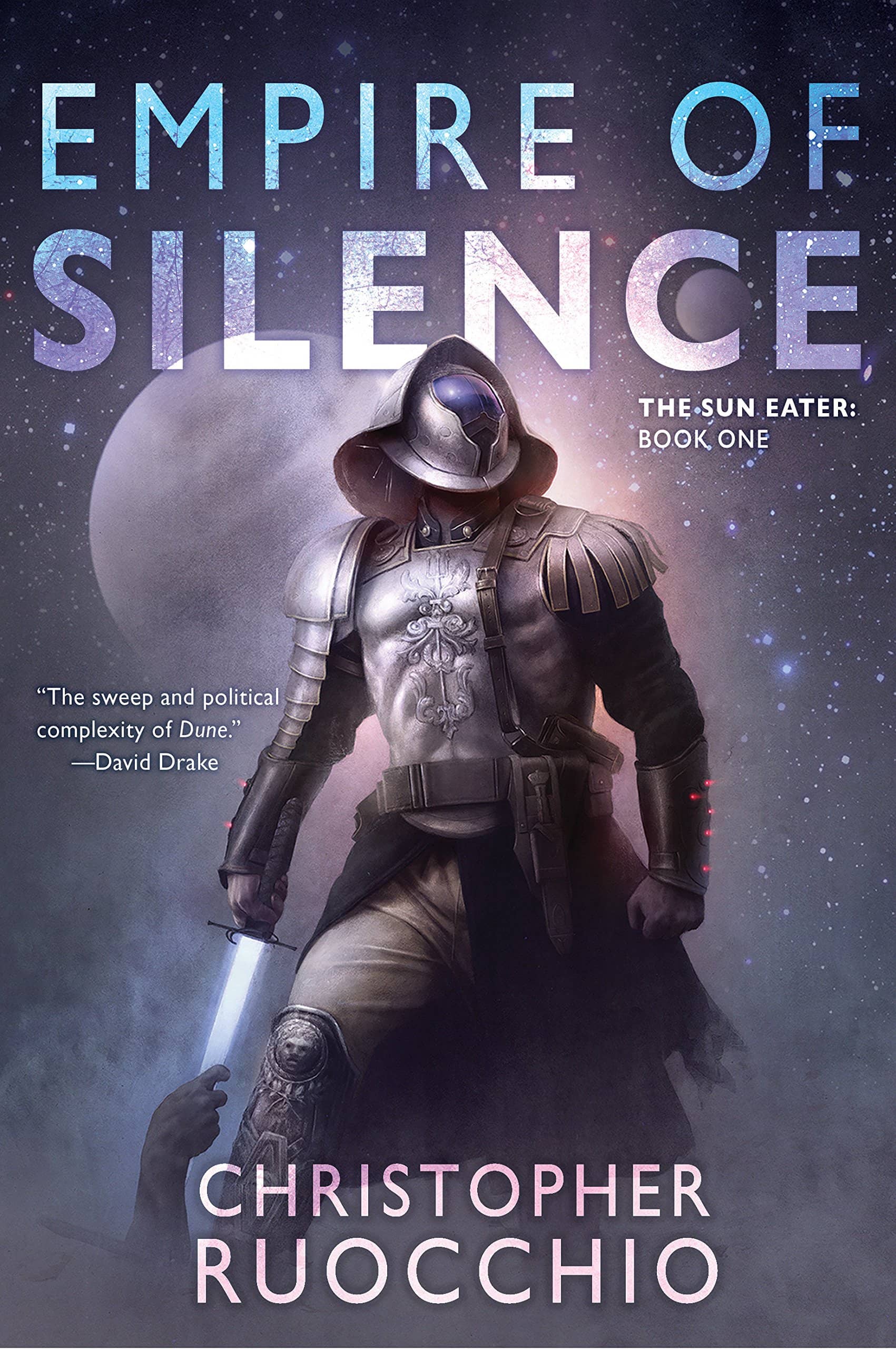
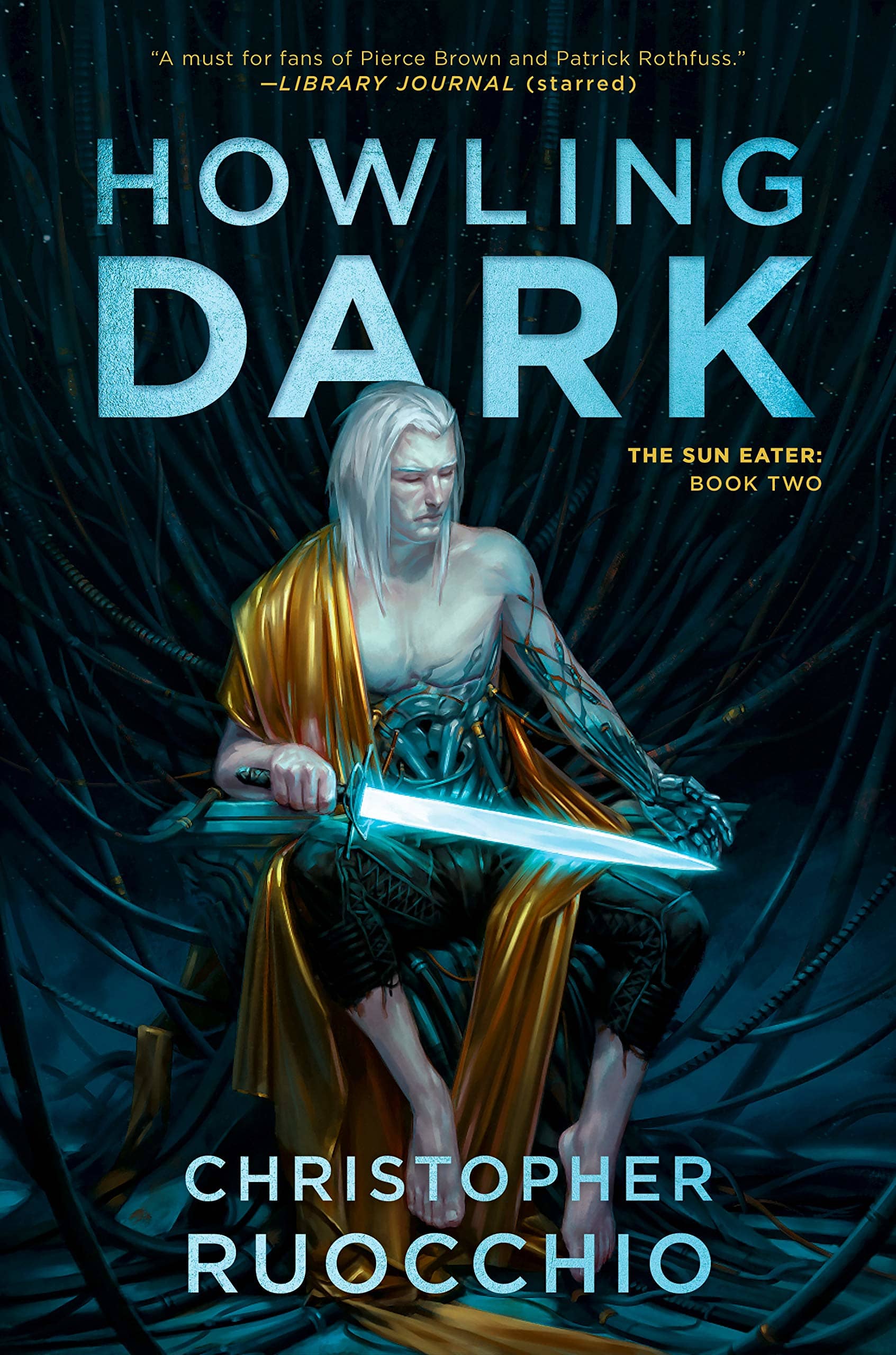
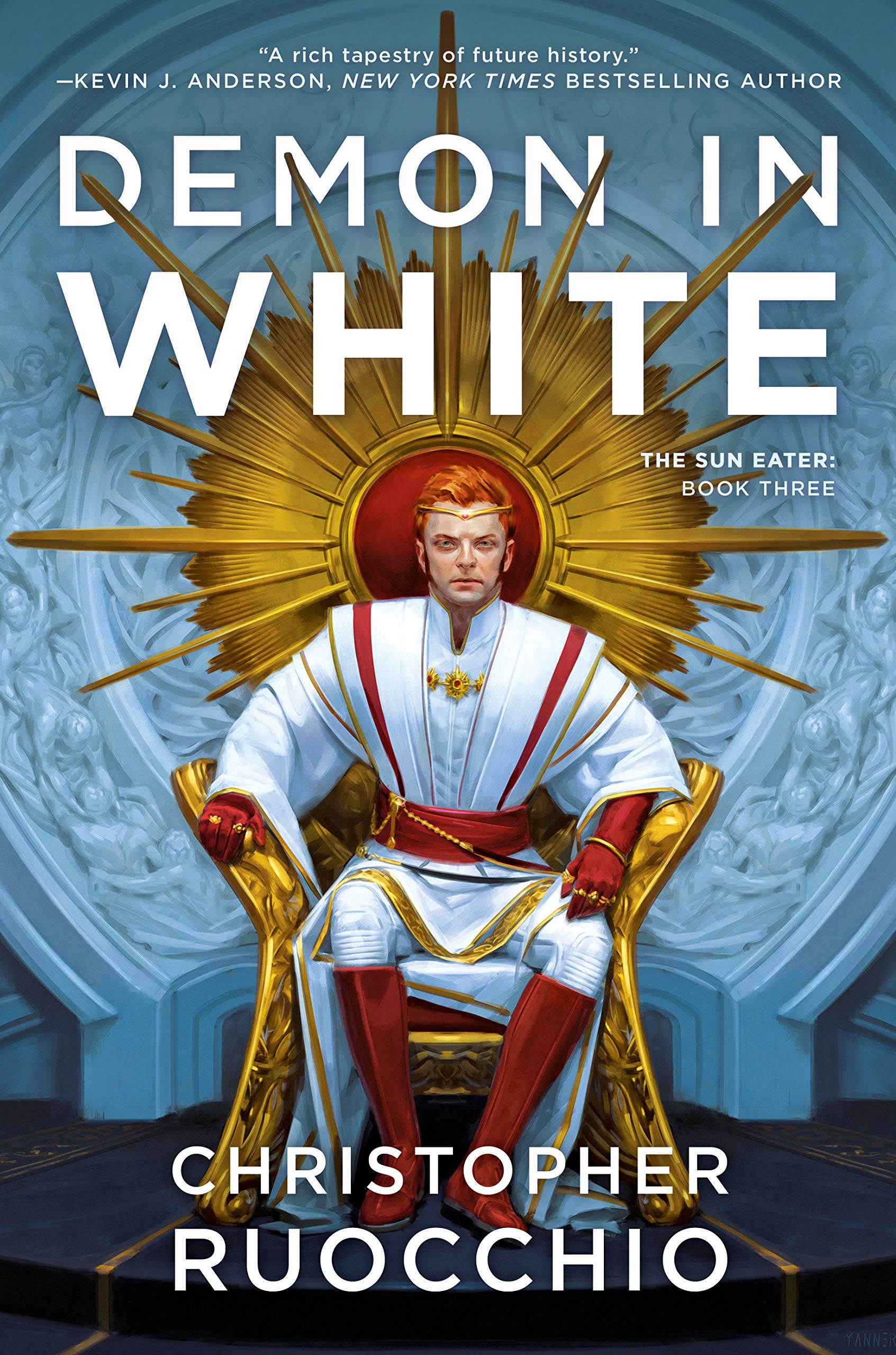
 Yesterday I wrote about

 Macbeth is one of the earliest true horror stories, in the sense of a story whose main aim is to play with the emotion of fear, and there’s a notable comic-relief scene with a gatekeeper right after the first gruesome murder. That scene became the subject of a famous essay by Thomas de Quincey arguing (roughly) that the horror’s made greater by contrast. So from the point where horror first began to emerge as a genre, storytellers have been conscious of the effect that comes from balancing horror with the everyday, and even with the comedic.