When Men Were Men and Aliens Were Green and Up to No Good: The Pulp Tales of Robert Silverberg
 |
 |
Robert Silverberg’s career as a science fiction writer spans over six decades. His first short story, “Gorgon Planet,” appeared in the February 1954 issue of Nebula Science Fiction, when he was 19 years old, and his first novel, Revolt on Alpha C, was published in 1955. He won a Hugo in 1956 for “Best New Writer,” and for the next few years — until the market for SF magazines collapsed in 1959 — he was extraordinarily prolific, routinely publishing five stories a month, and producing roughly a million words a year.
He published over 80 stories in 1958 alone, in magazines like Imaginative Tales, Fantastic, Amazing Stories, Imagination, and many others. His story “Re-Conditioned Human” appeared in the February 1959 issue of Super-Science Fiction (see the cover below left), and he had two novelettes in the April issue (below right): “Vampires from Outer Space” (under the name Richard F. Watson) and “Mournful Monster” (as Don Malcolm).
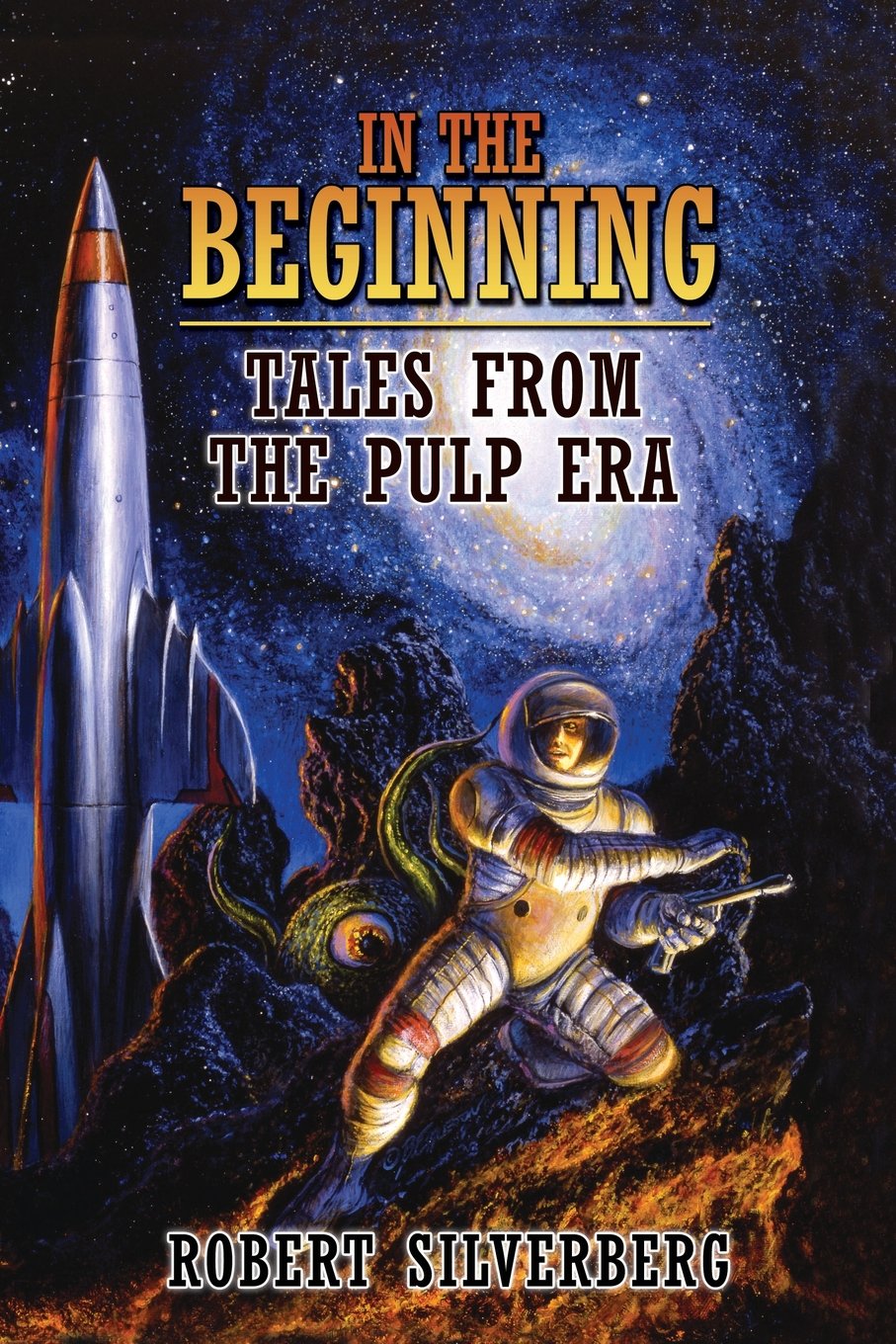
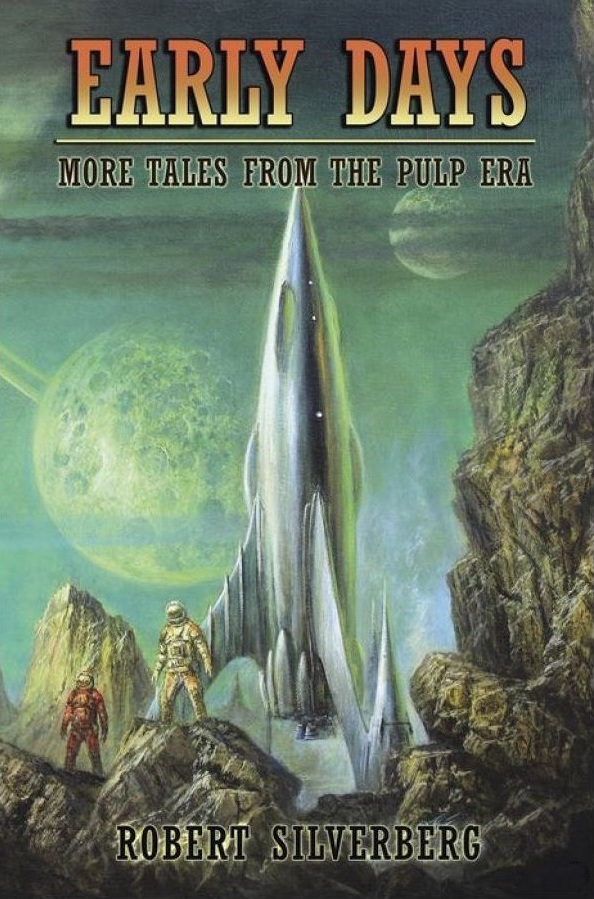
Those magazines are almost impossible to find now (unless you’re Rich Horton, of course), but Subterranean Press has done a favor for Silverberg fans — and pulp fans — everywhere by assembling two handsome volumes of his early work. In the Beginning: Tales from the Pulp Era was published in hardcover in February 2006, and Early Days: More Tales from the Pulp Era will arrive on August 31, 2016.



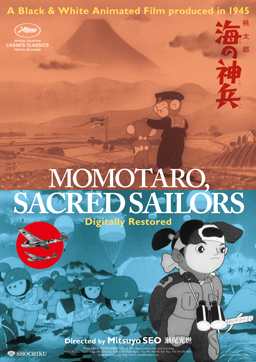 As I’ve said before, sometimes the movies I see at Fantasia on a given day have a common theme. And sometimes they don’t, however much it might look like they ought to. On Wednesday, July 20, I’d go downtown to the Hall Theatre to watch an oddity: a restored Japanese propaganda cartoon from World War II, Momotaro, Sacred Sailors (Momotaro, Umi No Shinpei). Then I planned to head across the street to the De Sève and watch an independent American horror film, The Alchemist Cookbook. I hoped to make it back to the Hall after that in time to watch the second in a series of Japanese science-fiction action movies, Library Wars: The Last Mission (Toshokan Sanso: The Last Mission). It looked like a packed day, and I wondered how the movies would play off of each other.

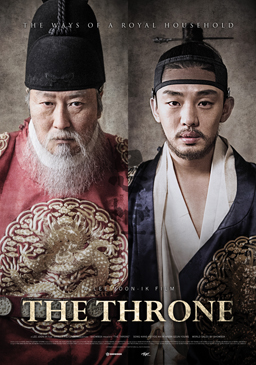 Sometimes the movies I get to see on a given day at Fantasia have an obvious common theme. Sometimes not. Sometimes there’s a commonality binding two otherwise different movies, but it’s tenuous. So it was that on Tuesday, July 19, I watched a Korean historical drama called The Throne (originally Sado), and followed it with a Polish musical-fantasy-tragicomedy called The Lure (originally Córki dancingu). They’re both films based on older stories, in the first case recorded history from the eighteenth century, and in the second Hans Christian Andersen’s fairy tale “The Little Mermaid.” As you might imagine from those two very different source materials, these are very different movies in very different genres. But it also seemed to me that the process of retelling the stories was very different as well.