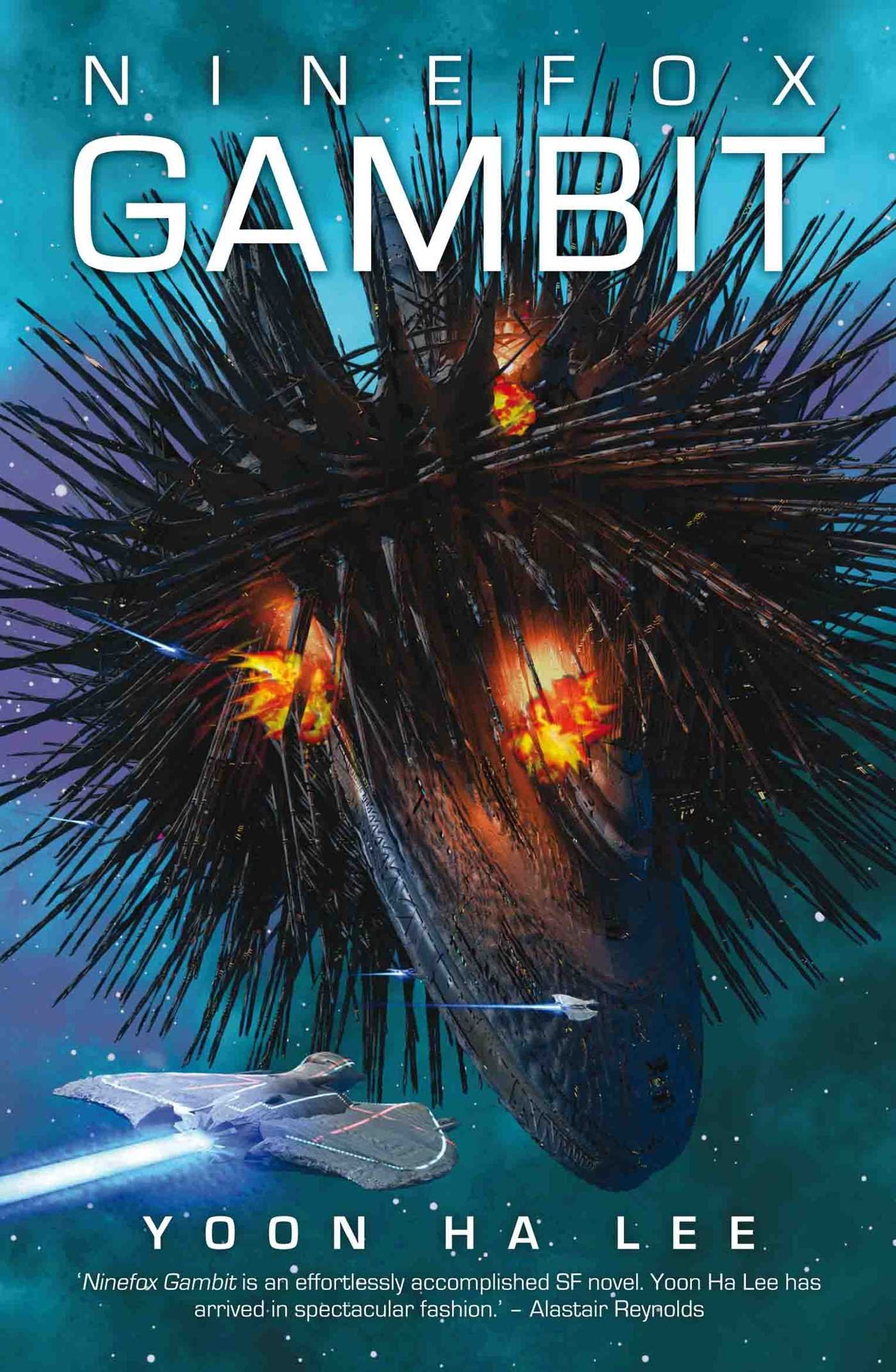
Future Treasures: Raven Stratagem, Book 2 of Machineries of Empire by Yoon Ha Lee
 |
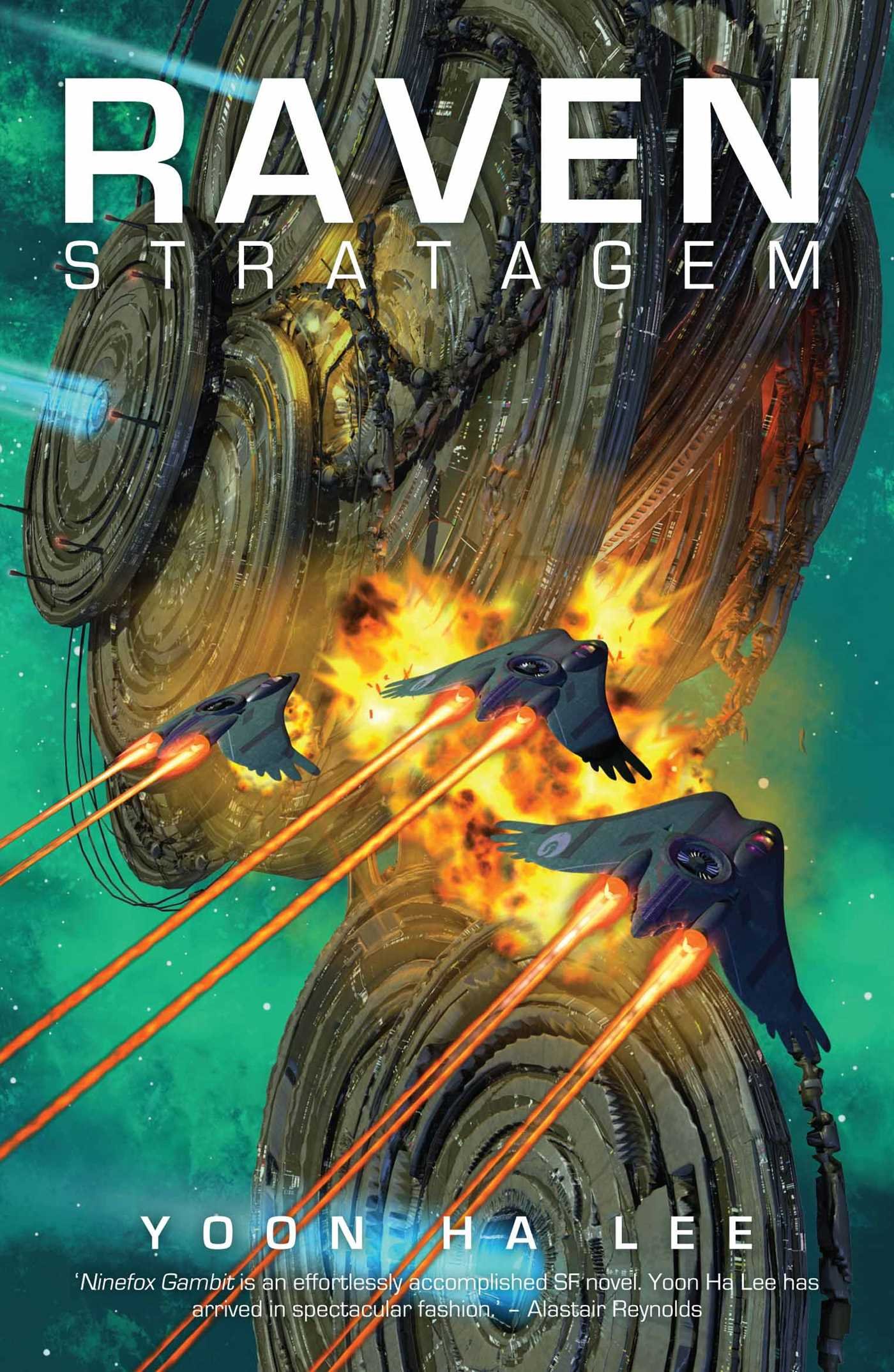 |
Yoon Ha Lee’s debut novel Ninefox Gambit was one of the most acclaimed SF novels of 2016, nominated for both the Hugo and Nebula awards, and its sequel, Raven Stratagem, is one of the most highly anticipated books of 2017. It arrives in paperback from Solaris next month,
Captain Kel Cheris is possessed by a long-dead traitor general. Together they must face the rivalries of the hexarchate and a potentially devastating invasion.
When the hexarchate’s gifted young captain Kel Cheris summoned the ghost of the long-dead General Shuos Jedao to help her put down a rebellion, she didn’t reckon on his breaking free of centuries of imprisonment – and possessing her.
Even worse, the enemy Hafn are invading, and Jedao takes over General Kel Khiruev’s fleet, which was tasked with stopping them. Only one of Khiruev’s subordinates, Lieutenant Colonel Kel Brezan, seems to be able to resist the influence of the brilliant but psychotic Jedao.
Jedao claims to be interested in defending the hexarchate, but can Khiruev or Brezan trust him? For that matter, will the hexarchate’s masters wipe out the entire fleet to destroy the rogue general?
Both novels are set in the world of the hexarchate, also the setting for over half a dozen of Lee’s short stories, most of which can be read online. Raven Stratagem will be published by Solaris on June 13, 2017. It is 400 pages, priced at $9.99 in paperback and $6.99 for the digital edition. The cover is by Chris Moore. Read an excerpt at Tor.com, and see all out coverage of the best upcoming SF & Fantasy here.

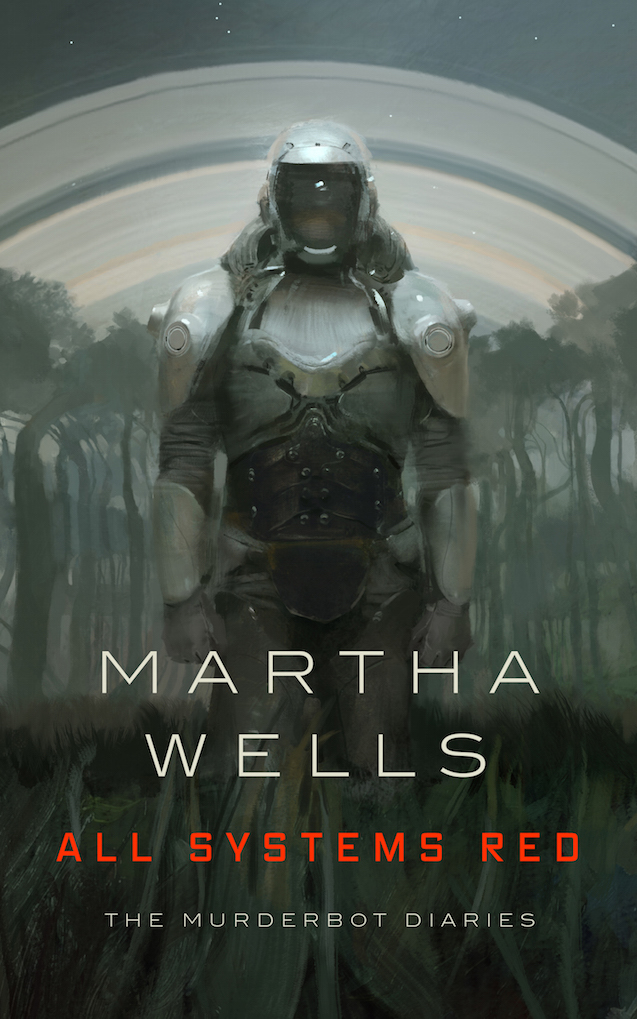


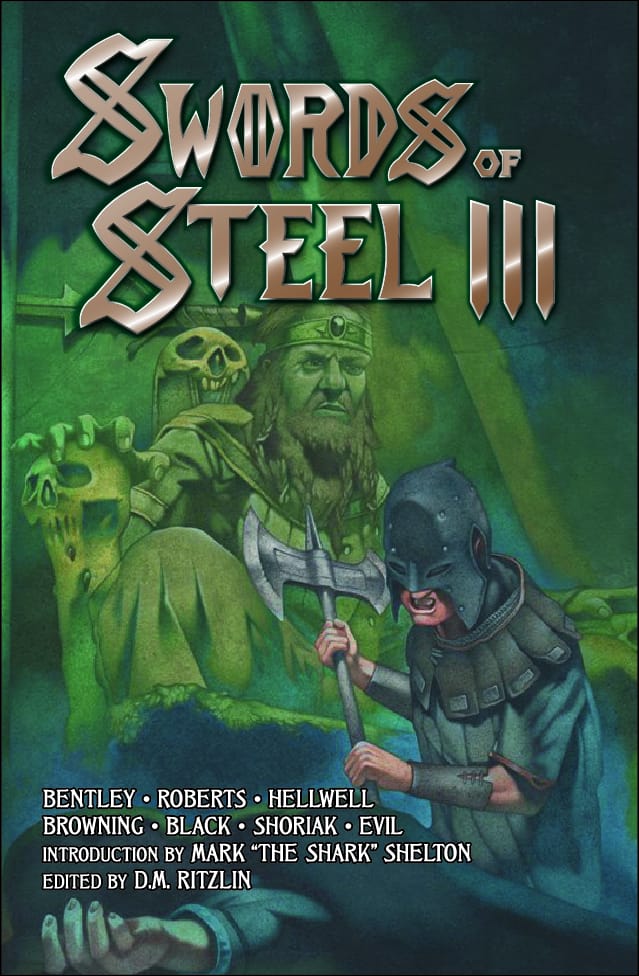
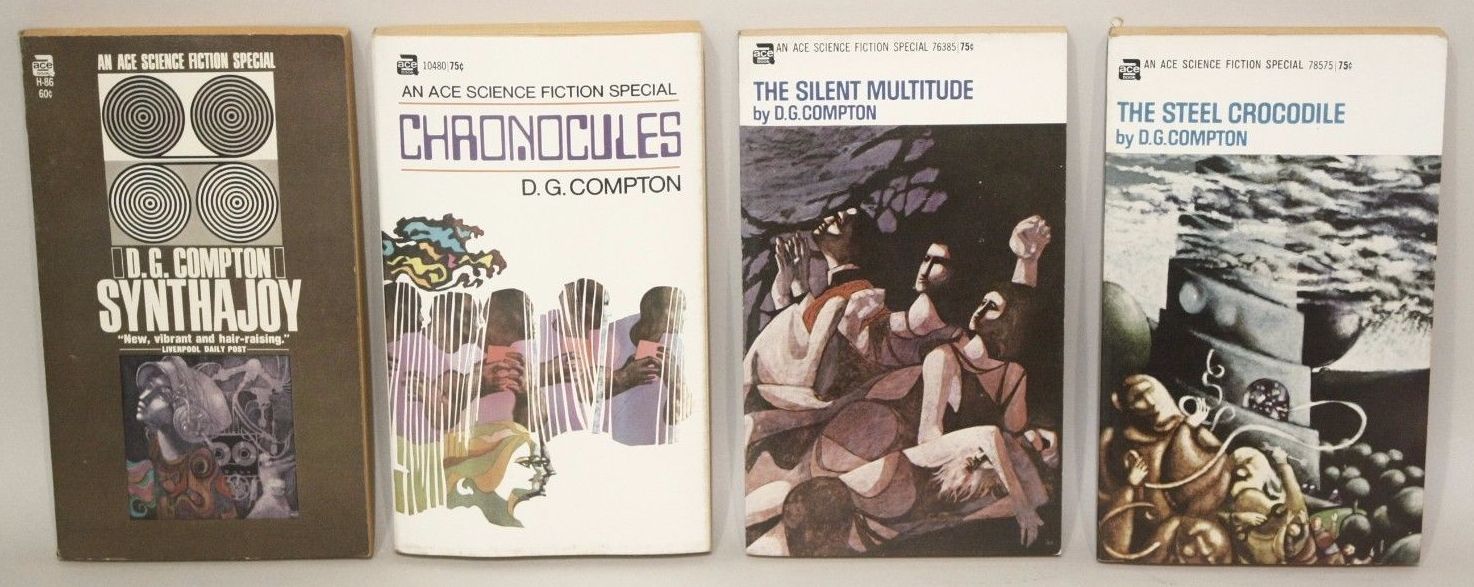

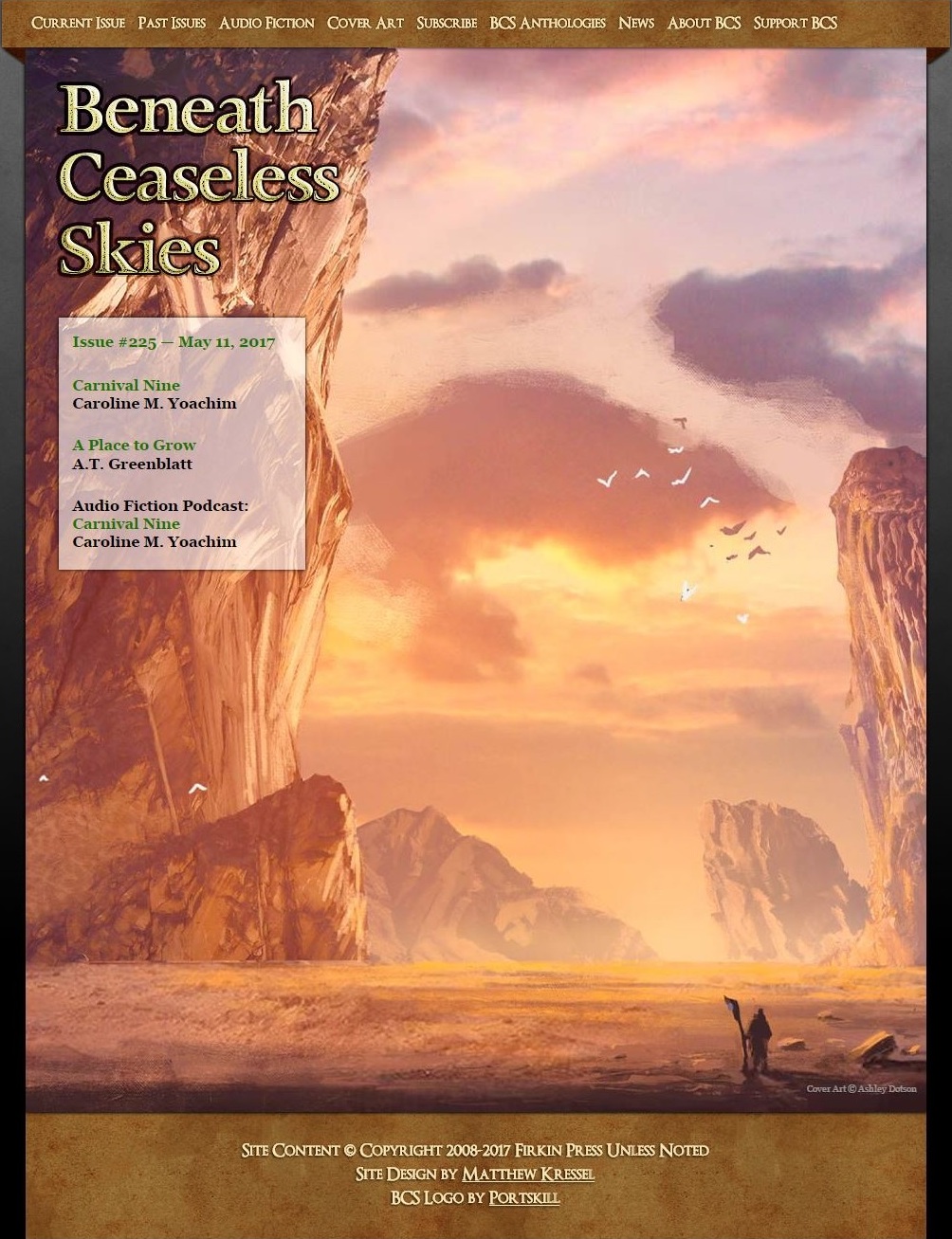
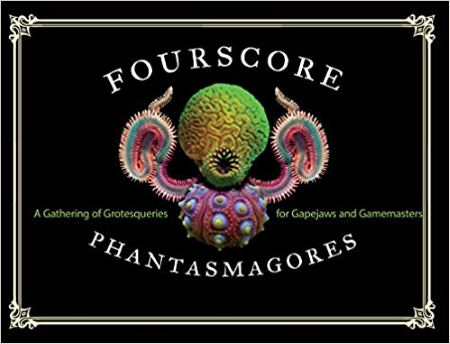 There’s a paradox in the nature of a dictionary of monsters. The medieval bestiaries at least claimed to be compendia of actual knowledge. But books like Jorge Luis Borges and Margarita Guerrero’s Book of Imaginary Beings (Manual de zoología fantástica) and perhaps even Katharine Briggs’ Dictionary of Fairies are only superficially rational collections of information. Though alphabetised and cross-referenced, the logical framework’s a way of presenting wild fantasy and dream: basilisks and baldanders, brownies and banshees, sylphs and sphinxes. The Monster Manual, and the role-playing handbooks it inspired, take this contradiction to a new level — detailed statistics for each creature described along with the avowed intent of inspiring new stories featuring the legendary or imaginary entities. Quantified, numerically precise, the monsters in these enchiridia still crack open the inside of the head, driving readers to imagine worlds big enough to hold dungeon-dwellers and dragons. Rupert Bottenberg’s Fourscore Phantasmagores is the newest volume of these wonders for gamers and monster-lovers of all stripes, presenting, as it says on the cover, “A Gathering of Grotequeries for Gapejaws and Gamemasters.” And, conscious of its predecessors, the book’s a rich source of inspiration; a grimoire seeding new myths.