A Fine and Private Place after almost 50 years
 A Fine and Private Place
Peter S. Beagle (Viking, 1960)
Peter S. Beagle wrote his first novel, A Fine and Private Place, fifty years ago at the age of nineteen. Which really annoys me because the book is so blasted good, making me aware that, although I was a skilled nineteen-year-old in my day, there was no conceivable way I could have crafted at that age a work as beautiful and knowledgeable about life, death, and love as A Fine and Private Place.
And Beagle’s greatest work, the traditional fantasy classic The Last Unicorn, still lay ahead of him.
I’ll try not to take this all personally and just feel glad we have A Fine and Private Place around… and still in-print, a minor miracle considering how fast our culture embraces new and tosses everything else into the dustbin.
A Fine and Private Place is one of the masterpieces of contemporary fantasy, and only the long shadow cast by The Last Unicorn keeps it from getting more notice. The tale occurs almost exclusively within an enormous graveyard, features ghosts and a talking raven, but it isn’t a horror story or even a dark fantasy, but a gentle and often sorrowful look at the difficulties of love and the realities of death, neither of which work out the way any person living or dead might expect.
 As a follow-up to
  The People That Time Forgot (1977)
 Risus: The Anything RPG
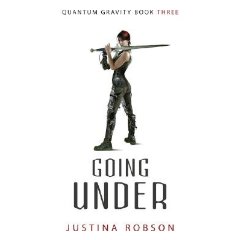 The notion of the female warrior, while rooted somewhat in factual history (e.g., Joan of Arc), is largely an idealized notion of mythology, science fiction and fantasy. I suppose there is doctoral dissertation potential in figuring out why patriarchal societies that at best otherwise relegate women to supportive roles away from the battlefield (and at worst and more typically brutally victimize women as spoils of war) generate these tales of powerful females who can lop off a head or two as well as the next guy. Speaking as a guy whose adolescent sexual fantasies were heavily influenced by Emma Peel, the black leather-clad consort of John Steed in saving the free world from various madmen bent on world domination by delivering a quick blow to the groin, I’m guessing it’s some kind of inversion of castration anxiety.
 Star Trek (2009)
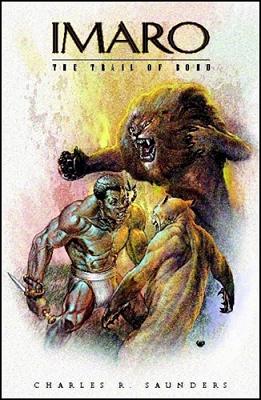 Imaro: The Trail of Bohu