Neverwhens, Where History and Fantasy Collide: No One Suspects the Spanish Inquisition (Wasn’t That Bad)
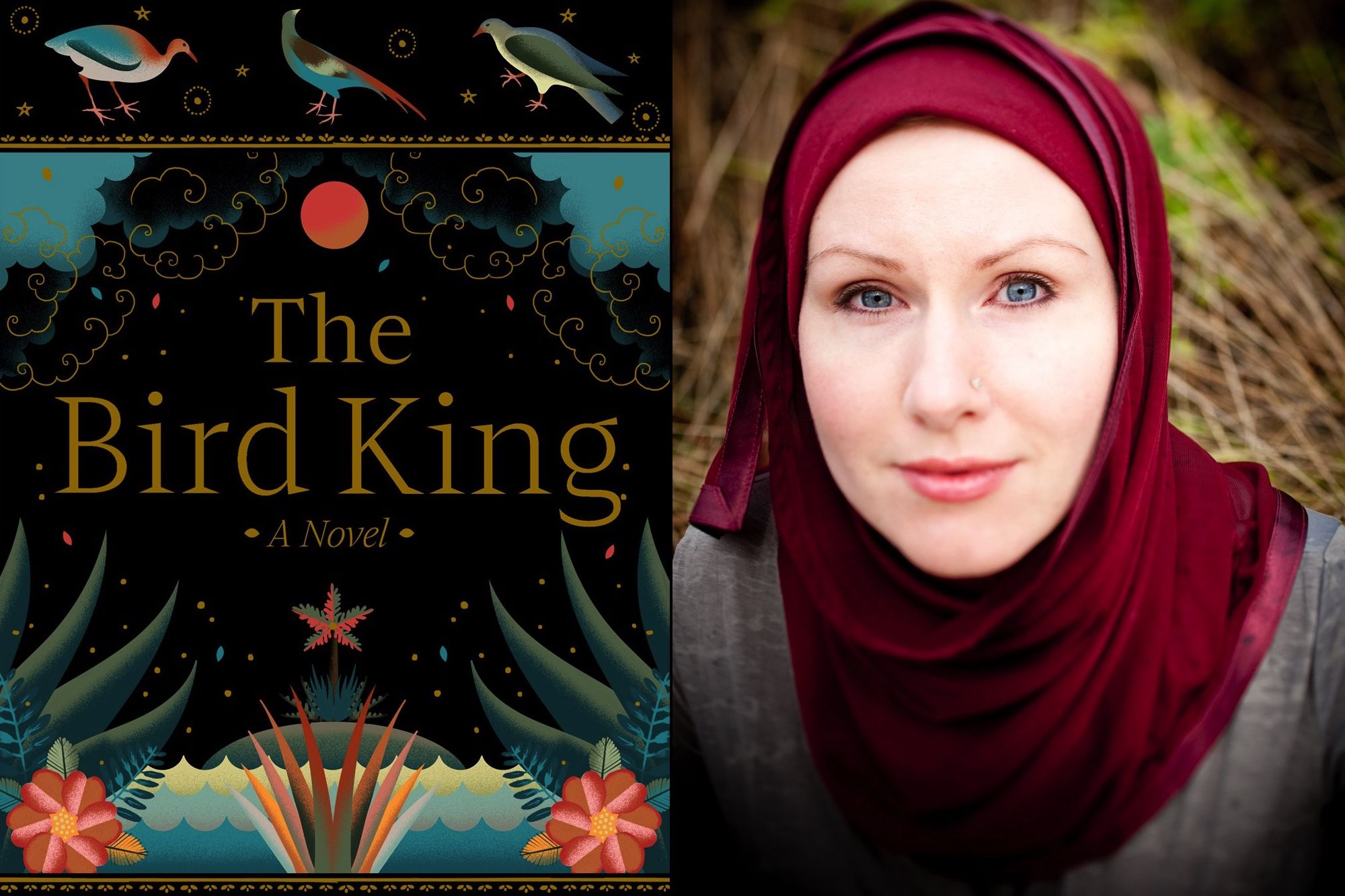
G. Willow-Wilson author photo by Amber French for SyFy.com
Since this column began this year, we’ve looked at the visual continuity of Jackson’s The Lord of the Rings (and why, ironically, it does a better job of wordlessly telling the sweep of Middle Earth’s history than Tolkien’s millennia-long, cultural stasis does), authenticity (and lack thereof) in The Witcher, and talked about the commonalities and differences of historical fiction and fantasy with several, excellent authors who work in both arenas. Along the way, I’ve coined a few loose terms (or rather, put existing ones into a hierarchy):
- Historical Fiction — Stories set in our world, but in generations prior to ours, generally just on the edge, or earlier, of living memory.
- Historical Fantasy — Stories set in the same milieu as the above, but with fantastical elements, sometimes very subtle (a lot of magical realism falls in here), sometimes not so — urban fantasy set in bygone eras, alternate history with vampires, or magic works, or orcs, etc. The world is clearly our own, so the fantastical elements can’t too dramatically upset that balance.
- Low Fantasy — Stories set in a secondary world, that is “realistic” to varying degrees but generally follows the real world in terms of technology, laws of physics, etc. A great deal of old-school Sword & Sorcery, and modern Grimdark fit in here.
- High Fantasy — sky is the limit. The secondary world has its own peoples, its own laws, and it is whatever the author wishes it to be. Anything from Tolkien’s Middle Earth to Zelazny’s Amber, the worlds of Brandon Sanderson, Robin Hobb and Robert Jordan all fit here.
In the future, we’ll look at these “big themes” and interviews with authors once more. But it’s time to look at how actual works play with these ideas, to varying degrees of success. And here is the trick: success as a novel, does not necessarily mean success as history. In these next two columns, I’m going to look at two authors whose work I really enjoy — and talk about why a particular work of theirs just didn’t work for me. In one case, because of a failure of historical authenticity; in the other, because of too much slavish devotion to it.
First up, The Bird King, by G. Willow-Wilson.
 As part of the unusual nature of this year’s Fantasia, the festival organisers set up many more non-film special events than usual. Each day boasts a presentation, panel discussion, or other streamed activity, all of them to be archived on the festival’s YouTube page (in fact the organisers have just announced they’ll host
 My first scheduled film at Fantasia 2020 was Special Actors (Supesharu Akutâzu, スペシャルアクターズ), written and directed by Shinichiro Ueda. I loved Ueda’s previous film, 2018’s One Cut of the Dead (Kamera wo tomeruna!, カメラを止めるな!), and this is his first solo feature since; he co-directed 2019’s Aesop’s Game (Isoppu no Omou Tsubo, イソップの思うツボ), and this year
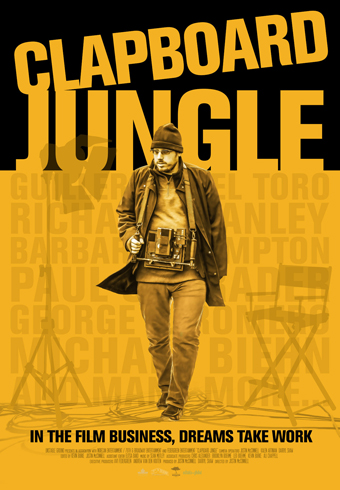 Most of the movies I want to see at Fantasia 2020 play at a scheduled time, but quite a few are available on demand for the next two weeks. One of those struck me as a good place to start this year’s unusual Fantasia-from-home: Justin McConnell’s documentary Clapboard Jungle. It’s about the process of putting a film together, focussing not so much on the technical details of directing but the much longer struggle to find financing.