D.M. Ritzlin on the Ten Greatest Sword-and-Sorcery Stories by Robert E. Howard
 |
 |
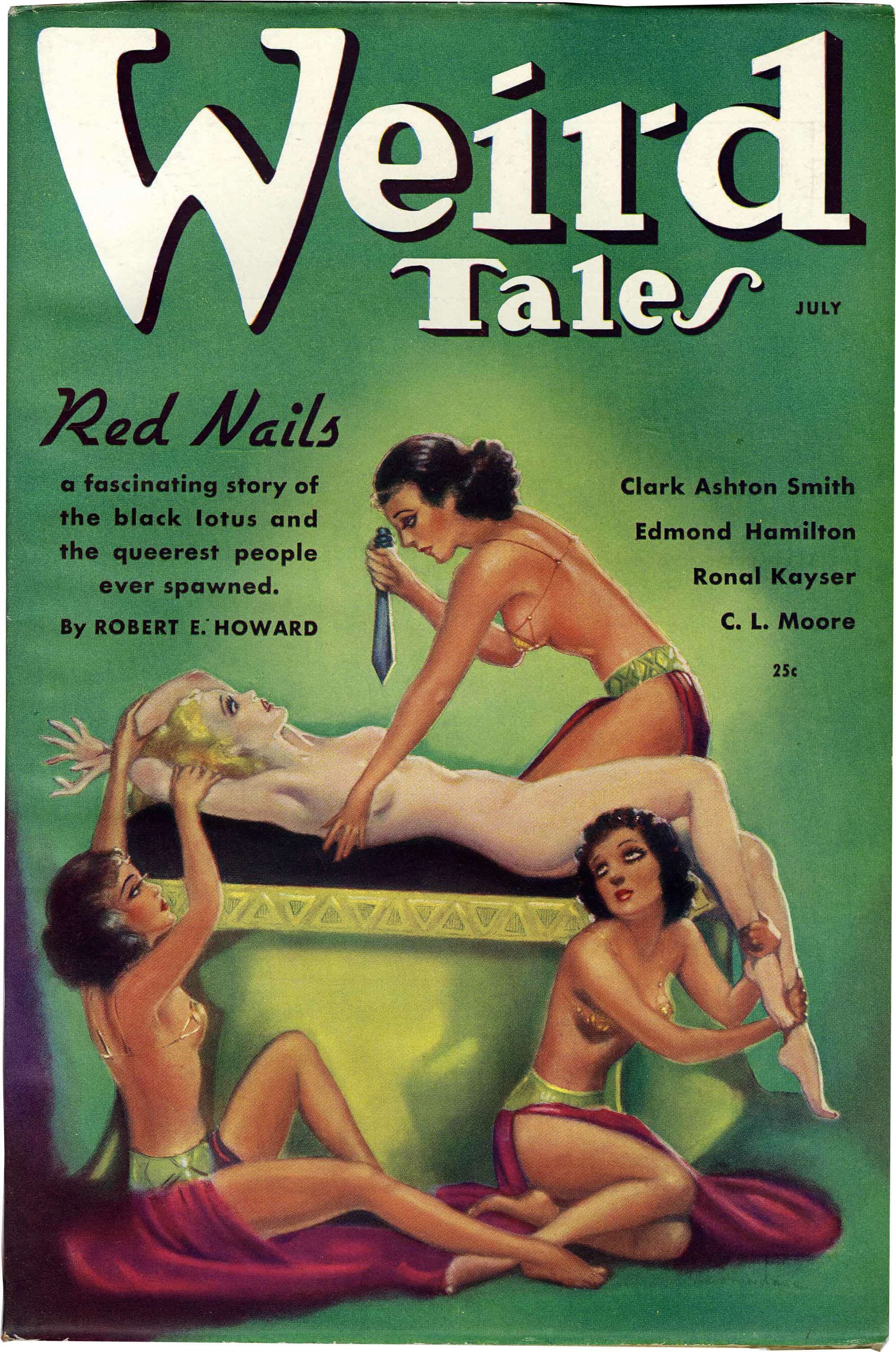 |
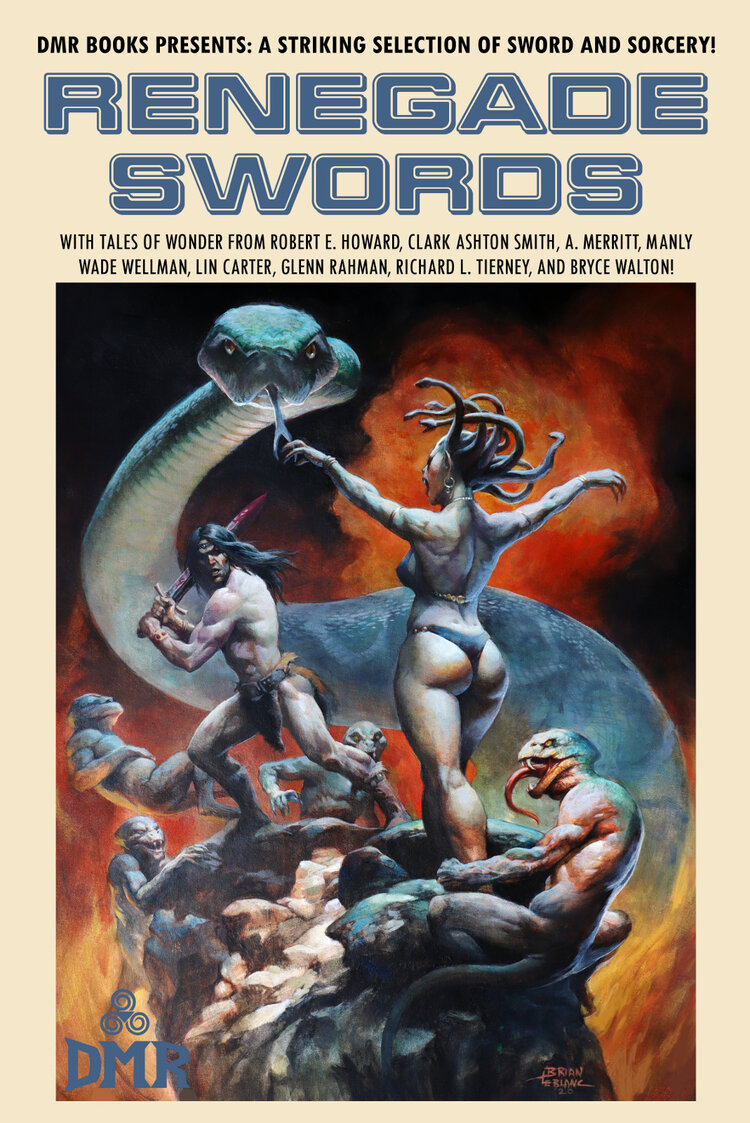
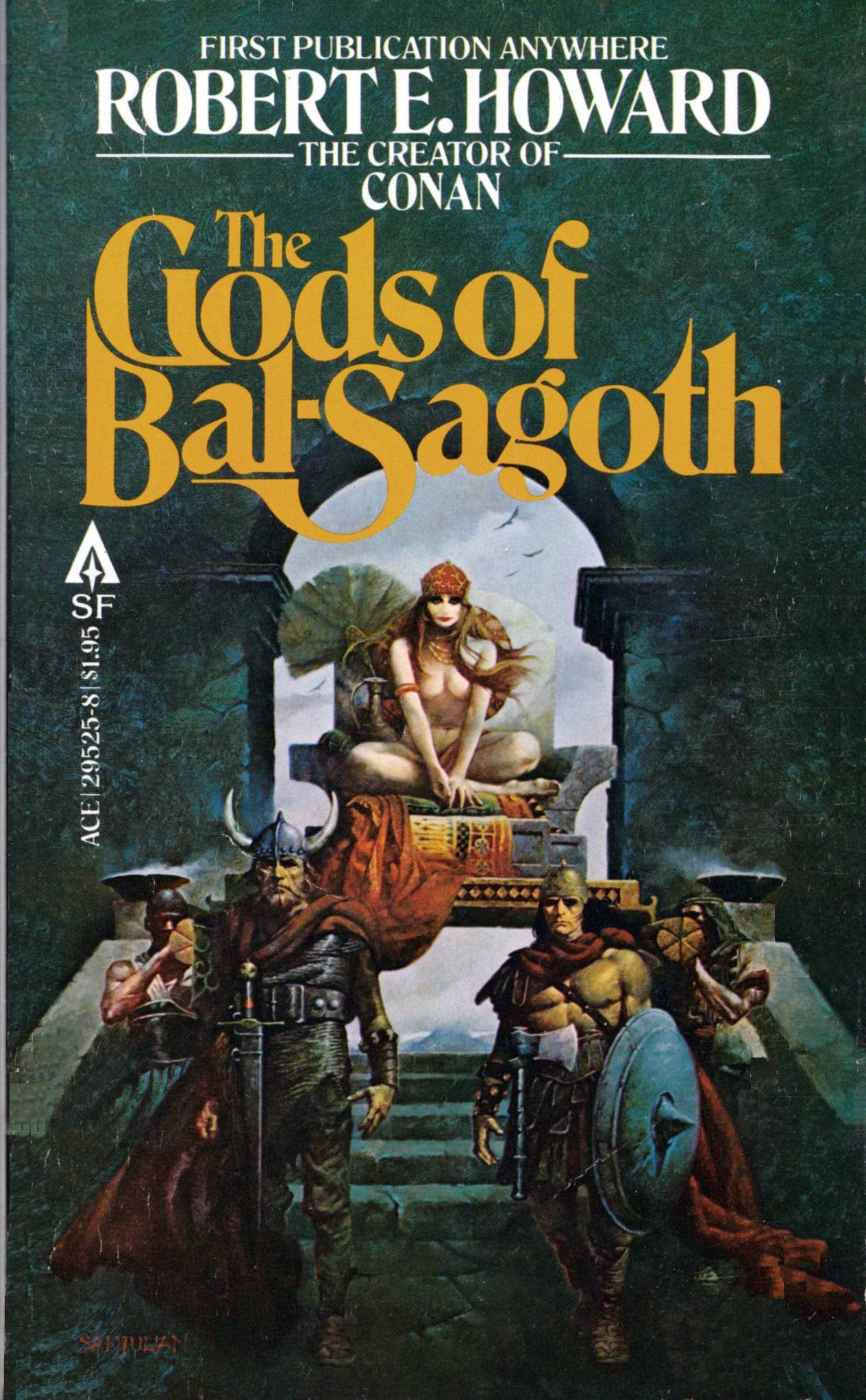
Covers by Brian LeBlanc, Sanjulian, and Margaret Brundage
Dave Ritzlin is the mastermind behind DMR books, publishers of the Swords of Steel anthologies, The Infernal Bargain and Other Stories, the 2020 anthology Renegade Swords, and many other volumes of adventure and weird fantasy. He’s also a fine blogger and Robert E. Howard enthusiast, and this month he produced one of the most interesting articles on REH I’ve read in many years — The Ten Greatest Sword-and-Sorcery Stories by Robert E. Howard.
This lengthy and entertaining piece features all of Howard’s most famous creations, including Kull, Solomon Kane, and of course Conan the Cimmerian. Here’s Dave on “The Gods of Bal-Sagoth.”
The heroes of “The Gods of Bal-Sagoth” are two renegades: Irishman Turlogh O’Brien, outlawed from his clan, and the Saxon Athelstane, who has thrown in with a group of Norse Vikings. The two have a history together, but they meet again when the Vikings attack a ship on which Turlogh is a passenger. The Saxon recognizes Turlogh in the stormy sea battle and takes him alive. Shortly thereafter the Vikings’ ship in blown off course and destroyed by a tempest. Athelstane is knocked unconscious, but Turlogh manages to save him. The two are the only survivors, and they wash up on a mysterious island (a classic sword and sorcery set-up!)…
In addition to being a spectacular sword and sorcery tale, “The Gods of Bal-Sagoth” also inspired the name of one of the most amazing metal bands of all time. Byron A. Roberts, vocalist of Bal-Sagoth, is a talented sword-and-sorcery author as well.
Read the entire thing at The DMR Blog — a fine place to learn about new and classic fantasy of interest to REH fans old and new.
 By Day 10 of Fantasia I’d started to skip the panels and special presentations. They all looked interesting to greater or lesser degrees, but while the movies were only available while the festival was still going on, the panels would stay up afterward. Still, Day 10 was an exception, with my schedule free for a panel I was particularly interested in: “New York State Of Horror,” hosted by author Michael Gingold. It took a look at how and when New York City became a setting for horror films — something unusual in the early decades of filmmaking, when horror was typically set in ancient European locales. King Kong (1933) was an obvious exception, but Gingold observed that Rosemary’s Baby was the real trail-blazer for New York horror stories in film, followed in the 70s and 80s by more tales of urban terror. It was a good discussion, with contributions from directors Bill Lustig and Larry Fessenden (
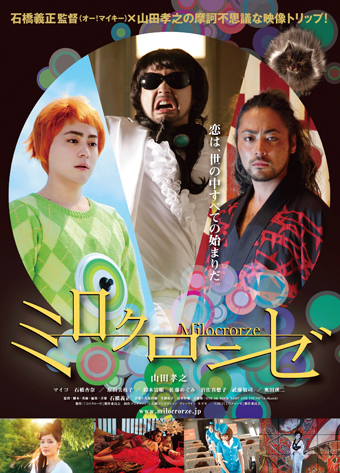 ‘Weird’ is less of a concrete descriptor than might at first appear. There are multiple subcategories of weird, and different things called weird can produce very different experiences. This is especially so when a work of weirdness mixes different weird things.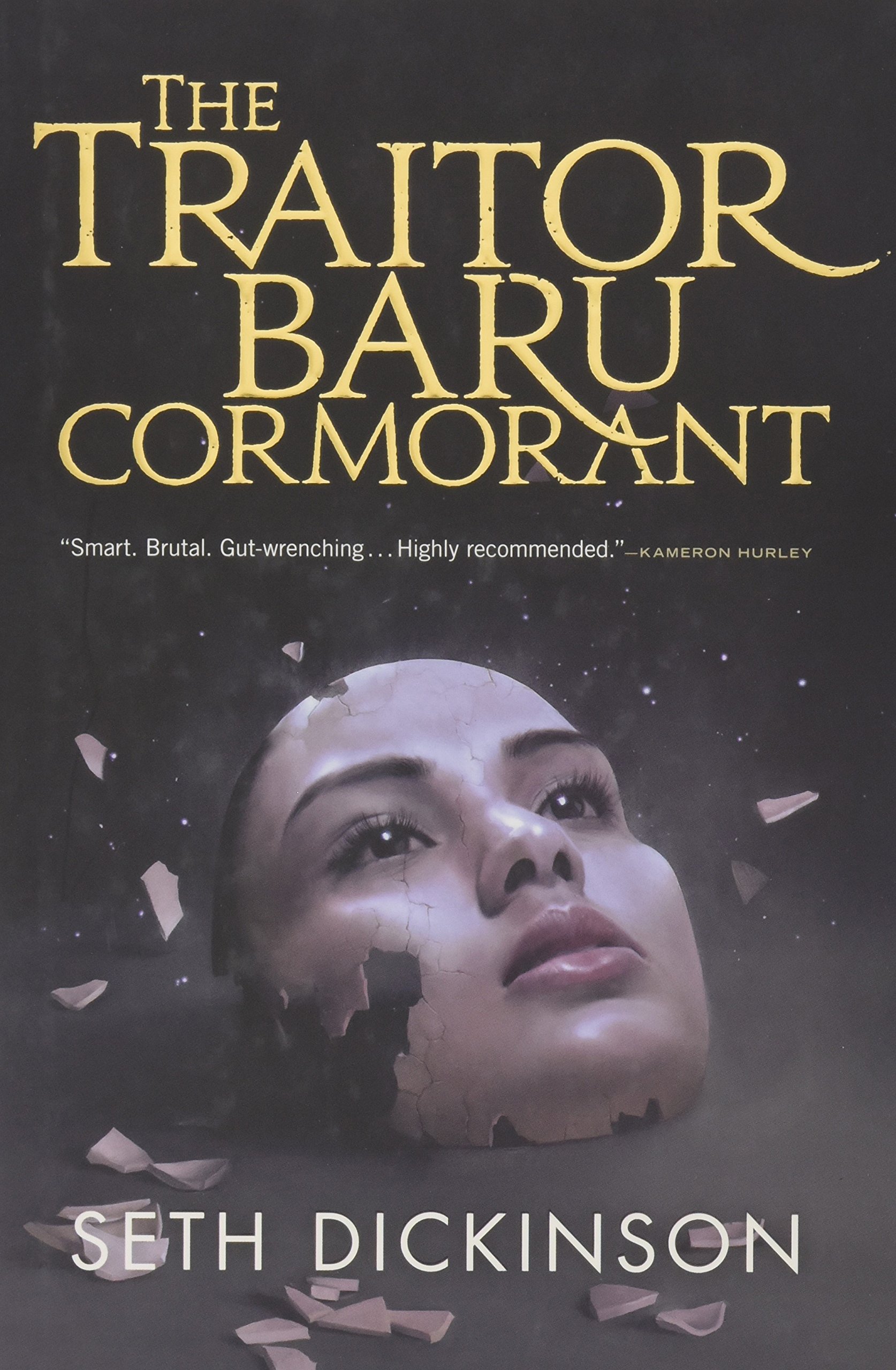
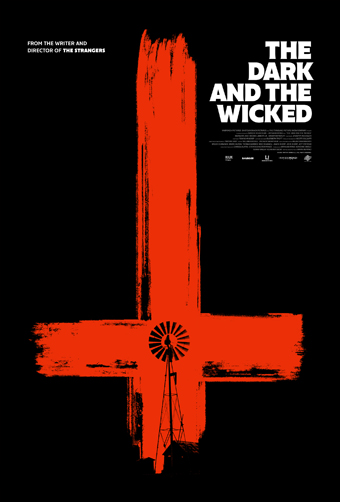 One of the fascinating things about art is the way it speaks to its exact moment. That’s even more fascinating with film, which has such a long gestation time; write a movie, shoot the movie, then edit the movie and work on it in postproduction, and it’ll come out years after it was conceived. Which is why it was fascinating to see so many films at this year’s Fantasia that revolved around haunted houses. Occasionally the haunted building might be something like a school (as in
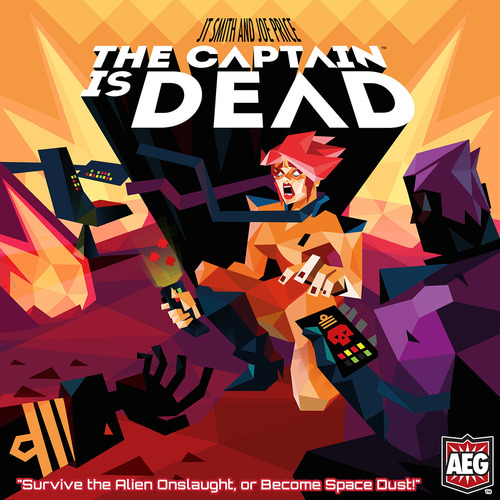 Anyone else feel like we’re living in a Golden Age of board games? Or have I just been playing more because of COVID? We’re spoiled. Gone are the days of cutting out your own cardboard counters and coloring in your own dice with a crayon.
 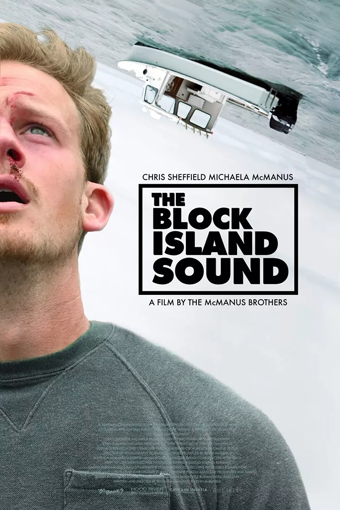 Day 9 of Fantasia began for me with The Block Island Sound. Directed by brothers Kevin and Matthew McManus, and written by Matthew, it’s a horror movie named for a body of water off the coast of Rhode Island. It’s the rare horror story that deals with inhuman mysteries on the northeastern coast of the United States while not feeling Lovecraftian at all.