Art of the Genre: The real ‘L’ word
 I’m an old TSR module fan, and as such I’ve always been intrigued by how the concept of such media came into existence. For the most part they fall in series, kind of like writers follow Tolkien with the concept of connected books and characters in a trilogy. It makes perfect sense, especially if you’re trying to create an extended campaign with a gaming group that meets on a regular basis. Series modules facilitate that, and recently I had the opportunity to chat with one of the original designers of a TSR foundation adventure path, the L Series ‘Lendore Isles.’
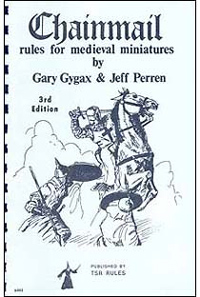
The author, Lenard ‘Len’ Lakofka is probably so ‘old school’ he’s beyond the term. His inclusion into the realm of RPGs predates the genre entirely, as he was a member of the International Federation of Wargaming. This institution came about in the sixties before the creation of Gygax’s Chainmail and was the original organizer of the first Lake Geneva Convention, i.e. GenCon in 1968.
At that first convention, people were playing Avalon Hill board games and Diplomacy during the Saturday only gathering, but that first year a chosen few were invited by Gygax to try Chainmail on the following Sunday after the convention was over. Lakofka was one of these founding fathers of the game.
From those humble beginnings, Chainmail would evolve into Dungeons & Dragons and Lakofka would continue to play the game with verve for the next forty years.
 In one of my first posts here, I mentioned that I was hoping to figure out what it is, exactly, that I like about fantasy fiction; what it is I get from fantasy that I get nowhere else.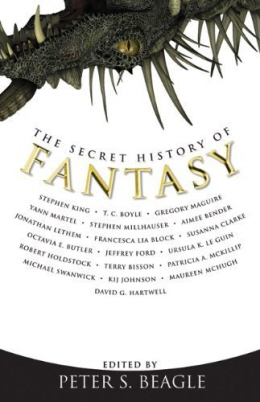
 Hallo again, Ye Faithful Paladins of the Black Gate!
![[info]](http://l-stat.livejournal.com/img/userinfo.gif)


 If you don’t understand the headline, you’re probably too young to remember Max Headroom, originally a British television movie that became a short-lived series for American broadcast (1987-1988) featuring a computer generated talking head–that would be Max–who later became a music video host, a “spokesperson” for New Coke (and if you don’t know what New Coke was, you’re really too young to care about this), and later brought out of retirement in the United Kingdom to explain the switch from analog to digital TV (this, you might remember). Though, today, any 12 year old with a cheap laptop could probably program a character like Max, back in the 1980s this was beyond the technical reach and budget constraints of broadcast television; Max was played by Canadian actor Matt Frewer outfitted in a latex get-up to make him appear pixalated.