Some Thoughts on the Nature of a Serial
 Serial storytelling is something of a mystery; even more so, perhaps, than most storytelling. When done right, it seems to hook an audience, to get them to invest heavily in the story being serialised. But for whatever reason, most serial forms have been pigeonholed as strictly popular arts; serial storytellers have generally been assumed to have a low amount of literary ambition. These presumptions about serials, and the way the form works, have always intrigued me — the more so since I’ve set out to write a serial prose fantasy of my own.
Let me try to define what I mean by ‘serial.’ The OED has “(of publication) appearing in successive parts published usually at regular intervals, periodical,” which is a start. More precisely, I’m talking about a narrative told across many installments, usually on a regular schedule, with each installment except the first and last expected by the audience to be incomplete, but usually containing some element of a genre or other story convention which will satisfy the audience.
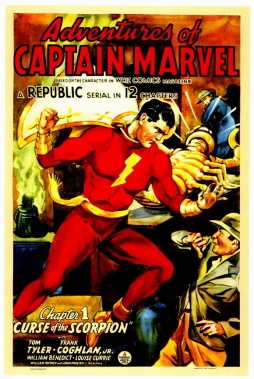
Every installment of The Adventures of Captain Marvel movie serial made sure at some point to have the titular super-hero in costume, using his powers, and usually also included fight scenes, detective work, plot twists, and exotic locales — because that was the sort of story it was, and that was what audiences were looking for. Individual chapters (or issues) of a serial may play about with these conventions — like an issue of the Steve Ditko Amazing Spider-Man, in which scripter Stan Lee apologised for not having the hero fight a villain in that particular issue, something unusual in the mid-60s. But go too far, too often, and you just end up telling a different kind of story — like, say, Scott McCloud’s Zot!, which started as a retro-adventure-hero story, and ended up becoming an examination of adventure fantasy and how it contrasts with realism.
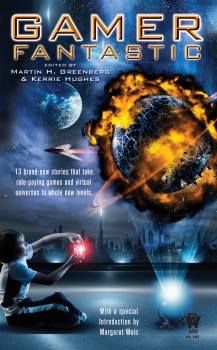 Gamer Fantastic
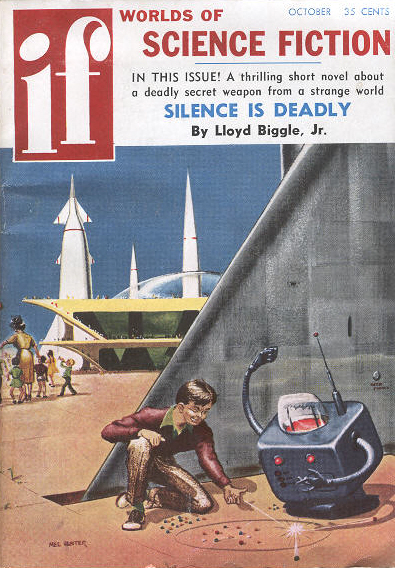
 I’m beginning to wonder when Interzone will be retitled Jason Sanford’s Interzone; the guy seems to snag the magazine’s featured author slot more times than most. Case in point is the May/June issue in which Sanford’s “Her Scientification, Far Future, Medieval Fantasy” gets top billing, “plus other new stories” by Suzanne Palmer, Lavie Tidhar, Will McIntosh and Jon Ingold. I normally find Sanford intriguing, but this is one of those “I’m in an artificial reality, and I find out that I’m not as real (or more than real) as I thought” stories that is okay but doesn’t add much to the trope that hasn’t already been done before. The first paragraph is a real hoot, though, which I felt the rest of the story didn’t really hold up to: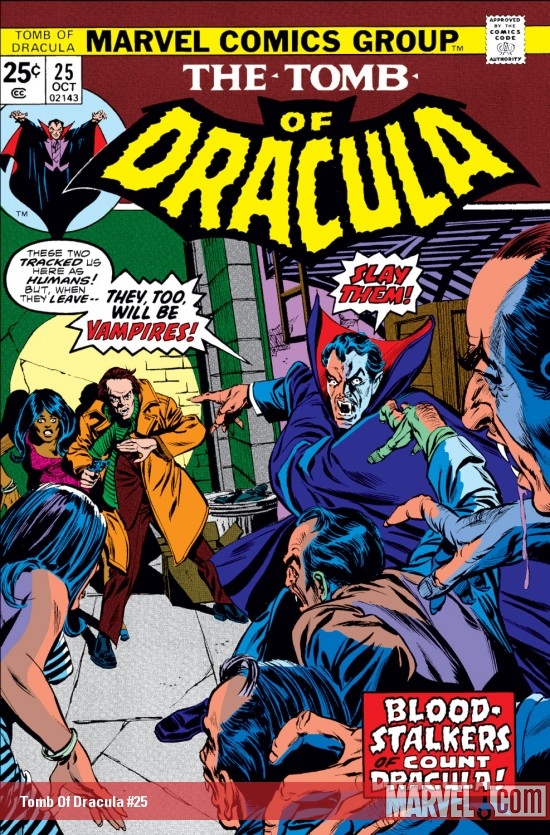
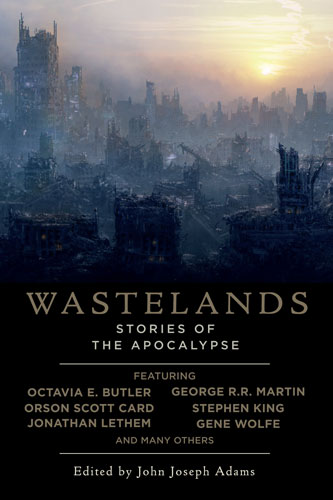 John Joseph Adams
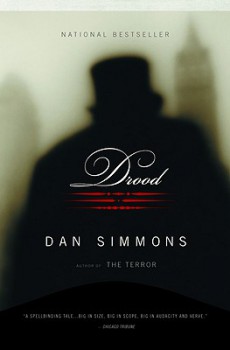 Drood
Drood