Teaching and Fantasy Literature: Beginner’s Mind in Hobbiton
 The students in Intro to Poetry read scared. They started the semester twitchy as rabbits. Poetry made them feel stupid. No, let’s be more specific: being asked to explain poetry made them anticipate humiliation. Their baggage from their high school English classes led them to expect, reasonably or not, that they had to be experts already, that they would be chastised in front of one another and punished with bad grades for not already knowing as much as their teachers did. They felt like newly licensed drivers trying to merge onto a freeway from a stop sign.
Before they could get anywhere with poetry, they had to embrace being beginners. Not to accept that they were beginners–some of them weren’t–but deliberately to become beginners. I didn’t want them to perform their expertise in my classroom. I wanted them to read with curiosity. I wanted them to encounter each poem we read together with questions like What is this? What does it do? How am I experiencing it? I urged the students to wait until they had read with beginner’s eyes, at least once through, before asking questions like What is my judgment upon this?
Reading with some approximation of the Buddhist concept of beginner’s mind is something I’ve been fairly good at since I first began teaching–it’s almost impossible to comment usefully on student writing without it–but the Intro to Poetry course forced me to model this kind of reading so assiduously that I have found it difficult ever since to read creative work, or even watch movies, in the mode of a judge in the sentencing phase of a criminal trial.
I watched Peter Jackson’s first installment of The Hobbit in an intermittent state of beginner’s mind, and my experience of it was so different from that of the film critics whose reviews I have seen since, one might think I’d seen a different film.

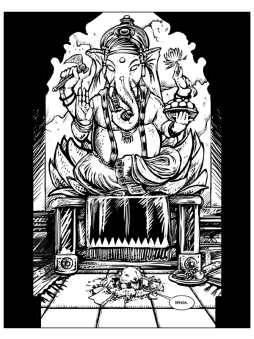 The Hugo Award for Best Graphic Story was first given out in 2009. The category was a nice idea, especially given the increased prominence of comics in the media landscape, but I have to admit that up to this year, I’ve been underwhelmed by the choice of winners. Or, more precisely, winner, singular: Phil and Kaja Foglio’s webcomic Girl Genius took the award three times straight. I don’t dislike the comic, but from what I’ve read, I’d be hard-pressed to identify anything in it that makes it worth a major award ahead of any number of series — Hellboy or Mouse Guard or Wednesday Comics or RASL or All-Star Superman or you name it. After their third win, though, the Foglios announced they would decline to accept a nomination for the next year, in the interest of helping to establish the validity of the award. So the 2012 Hugo went to another title:
 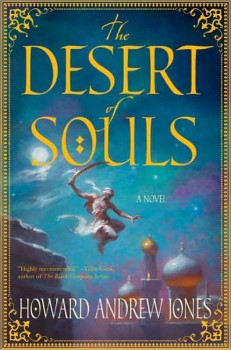 ‘Tis the season for great book deals.