On NPR: Howard Andrew Jones on Pulp Fiction
 Black Gate Managing Editor Howard Andrew Jones had his turn in the national spotlight last week, with a feature article on National Public Radio’s website titled Rich Tales In Cheap Print: Three Pulp Fiction Finds.
Howard used his fifteen minutes of fame to shine a spotlight on neglected pulp masters:
The pulps have a well-earned reputation for purple prose, but there was gold among the dross.
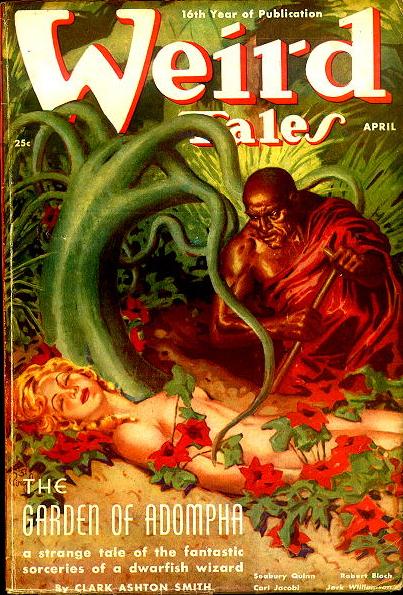
Fine adventure stories from other genres were printed in pulps like Adventure, Weird Tales and Planet Stories, but unfortunately, many of these authors remain neglected or marginalized. Today’s readers might expect to find nothing but legions of square-jawed heroes, wilting damsels and tentacled monsters in the old magazines, but there were also skilled, inventive writers plying their trade, evoking thrills and chills without formulaic plotting.
Howard calls out three modern reprints of some of the very best fantasy from the pulp era, returned to print by publishers who have worked hard to preserve pulp fiction and present it to a modern audience:
- Lorelei Of The Red Mist, Leigh Brackett (Haffner Press)
- Who Fears The Devil, Manly Wade Wellman (Paizo Publishing)
- The Best Of Robert E. Howard Volume 2: Grim Lands, Robert E. Howard (Del Rey)
All these publishers deserve your support — and you deserve to read these stories. As Howard says in his final line, “Some of the tales are dark, many are brooding, but though they be decades old, each beguiles with a siren call to strange lands to witness heroic deeds.”
Read the complete article here.




 Excalibur (1981)
 What a TRIP…

 Jhereg