An Open Letter To George R. R. Martin and the Producers of Game Of Thrones
 Dear George & Co.,
I was wrong.
Back in 2011, when the first season of Game Of Thrones aired, I watched up until the episode where Ned Stark gets speared in the leg during a street fight. (His opponent? That bastion of modesty and ethics, Jaime Lannister). And then I gave up. I stopped watching despite the fact that the storytelling was excellent, the acting superb, the locations first-rate, the camera and tech work all but faultless. I gave up because I was tired of seeing the female characters on the show abused, one after the next. I began to suspect the worst of both you and the show runners.
Call me a pig-headed liberal progressive if you must, but I’d like to see the arts, both commercial and fine, be aspirational, which I realize is a very millennial sort of term, but I like it. I’m with Gene Roddenberry: I want at least some of our creative output to showcase what we could be as a society, not merely depict what we are (i.e., barbarous and brutal). Of course the particular world of A Song Of Ice and Fire and Game Of Thrones demands its share of brutality, but it became my position, following those early episodes, that the show was reveling in the violence rather than merely depicting what was necessary to develop the story. It was my considered opinion that I was once more in the throes of a TV show where female agency was, at best, a limp afterthought.
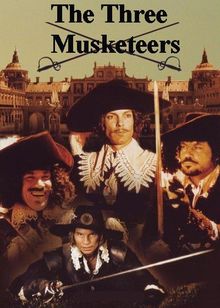 Last time I was having a look at William Goldman, both his screen and novel writing. You can see the whole post
 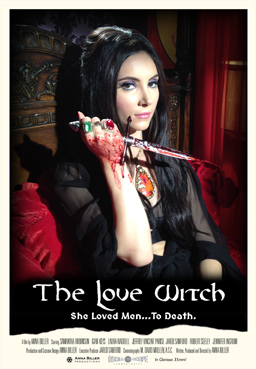 Last July, I was lucky enough to see Anna Biller’s film The Love Witch at Montreal’s Fantasia International Film Festival. After screening there and at various other festivals, it opens today in New York, with more cities to follow. Here’s how I described it back in August:
 “It’s an accepted fact that all writers are crazy; even the normal ones are weird.” Wm. Goldman
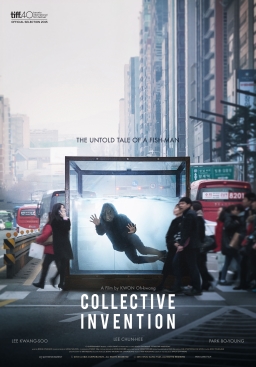 By July 29, the sixteenth day of the Fantasia Festival, I was beginning to feel exhausted. I’d had some thoughts of watching three movies that Friday, but in the end could only manage two. I made it down to the Hall Theatre in the afternoon to watch the Korean satire Collective Invention (Dolyeonbyuni), then came back right after for the raucous Japanese comedy Too Young To Die! (Too Young To Die! Wakakushite Shinu). Neither struck me as flawless, but both in different ways were interesting experiences.
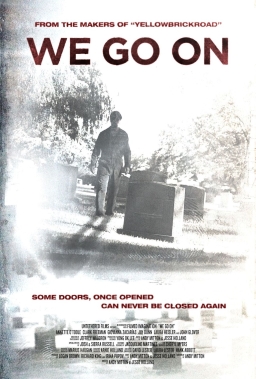 I had errands keeping me away from the Fantasia film festival on Monday, July 25. Now, interruptions are a sad fact of life, but sometimes it’s easy to get back into the swing of things; and as it happened the next day I made it back to the De Sève theatre to watch an American horror film called We Go On, which served to get me back into the Fantasia spirit. Then the day after that I saw two more movies at the De Sève, an odd Swiss romance called Aloys followed by a French horror film called Therapy. The latter had been directed by 16-year-old Nathan Ambrosioni — his second feature film. Together the movies made an odd meditation on life, death, and horror.