Browsed by
Category: Magazines

Check Out the Tangent Online 2016 Recommended Reading List
Check Out the Tangent Online 2016 Recommended Reading List

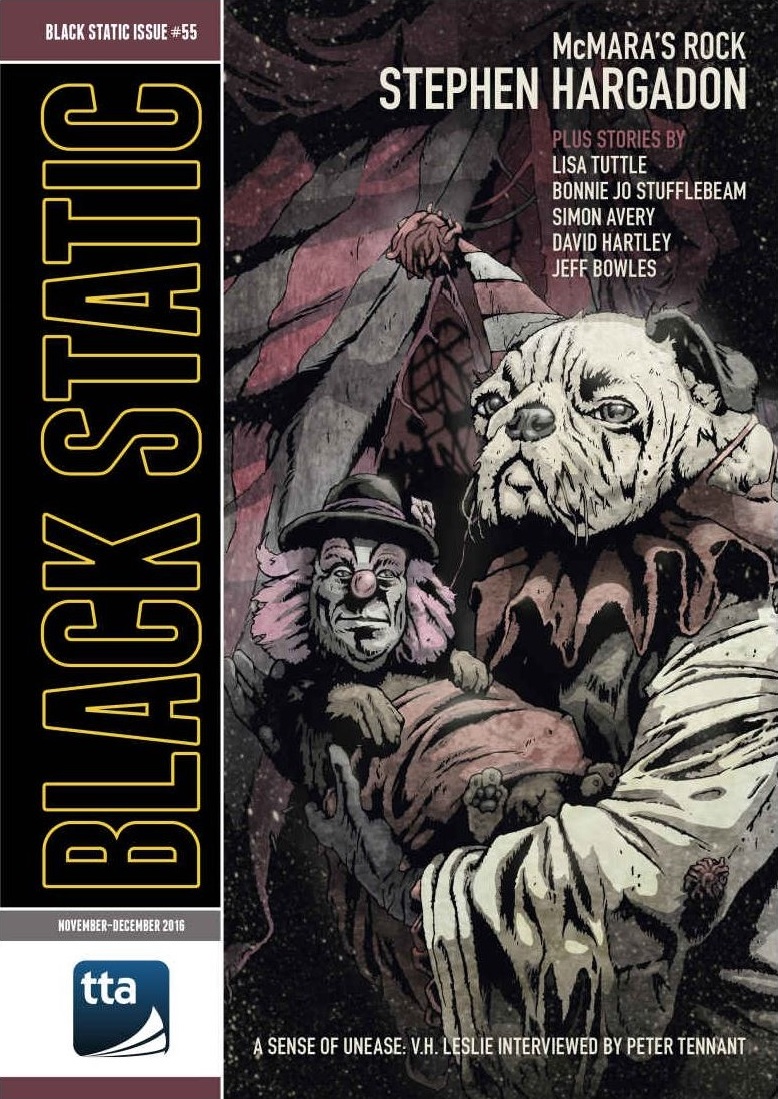
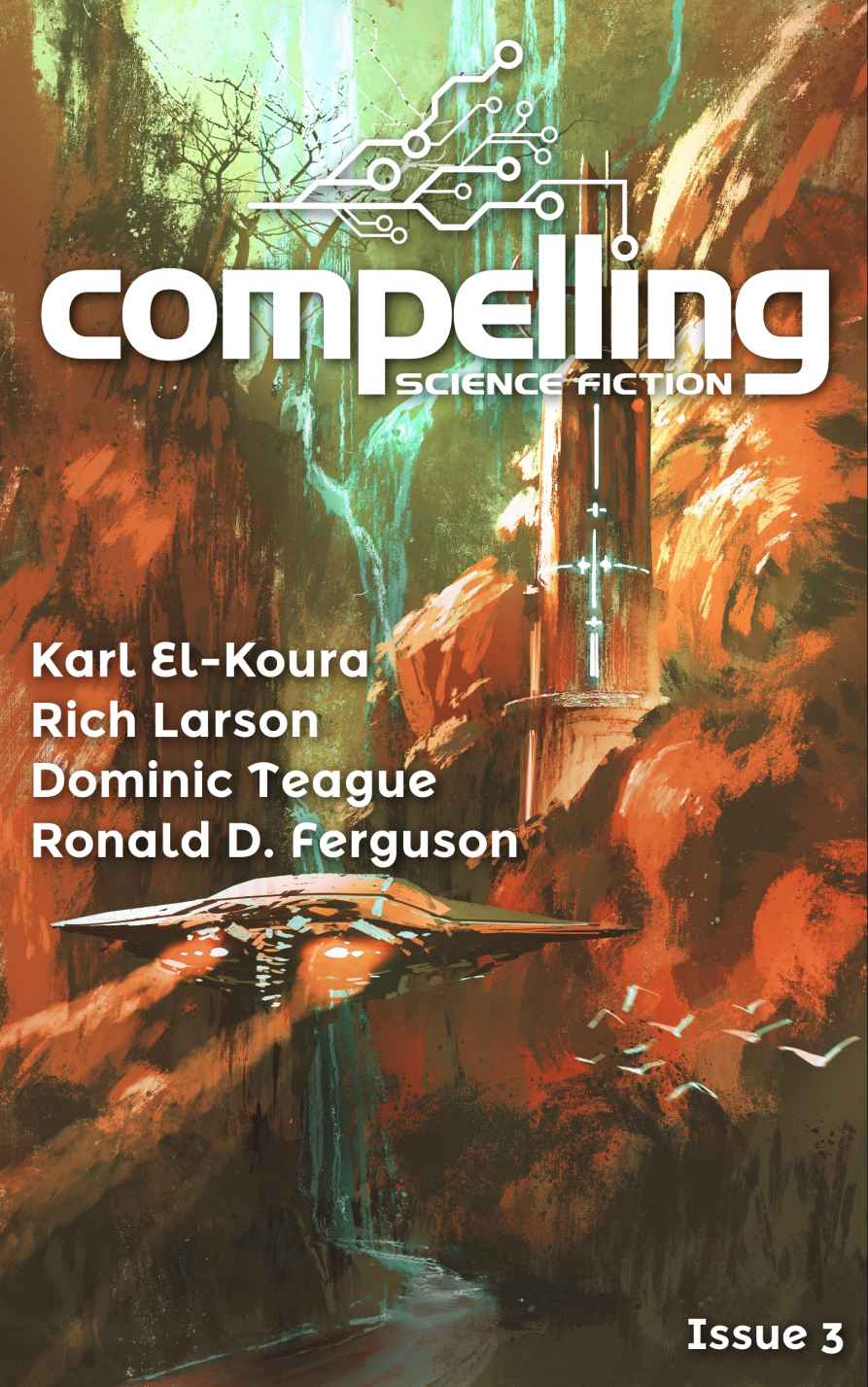
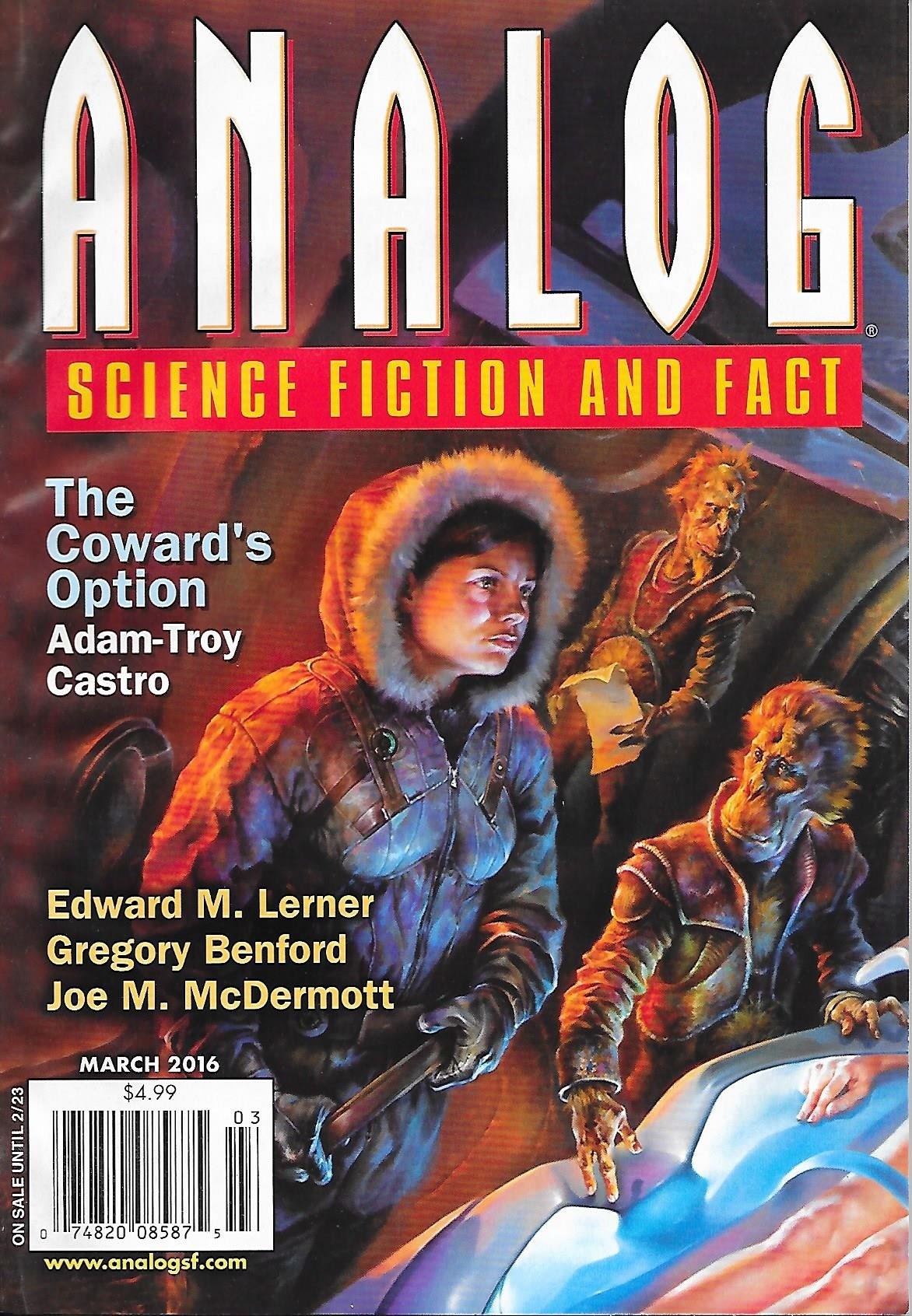
Analog March 2016-small Black Static 55-small Compelling Science Fiction 3-small

We’re approaching awards season, which means that there will be more and more Recommended Reading lists out there for novels, anthologies, collections, genre non-fiction, and much more. But for my money, the most useful list in the genre is the annual Tangent Online Recommended Reading List.

What’s makes Tangent‘s list so special? For one thing, it’s massive — 19 reviewers contributed to it, combing dozens and dozens of magazines and original anthologies to produce a comprehensive list of the top short stories, novelettes, and novellas of the year. And Tangent‘s editor, the tireless Dave Truesdale, has organized the list into one, two, and three star selections, and copiously illustrated the list with magazine and book covers — with live links to publishing websites. It’s a really terrific resource for anyone interested in learning what’s going on in short fiction markets, and I guarantee you’ll make some new discoveries. I cover over 40 magazines every month for Black Gate, and I still managed to find a few new ones. Thanks Tangent!

Here’s a handy set of links to all of their recent lists, including this year’s:

Tangent Online 2016 Recommended Reading List
Tangent Online 2015 Recommended Reading List
Tangent Online 2014 Recommended Reading List
Tangent Online 2013 Recommended Reading List
Tangent Online 2012 Recommended Reading List
Tangent Online 2011 Recommended Reading List
Tangent Online 2010 Recommended Reading List
Fantastic, June and July 1962: A Pair of Retro-Reviews

Fantastic, June and July 1962: A Pair of Retro-Reviews

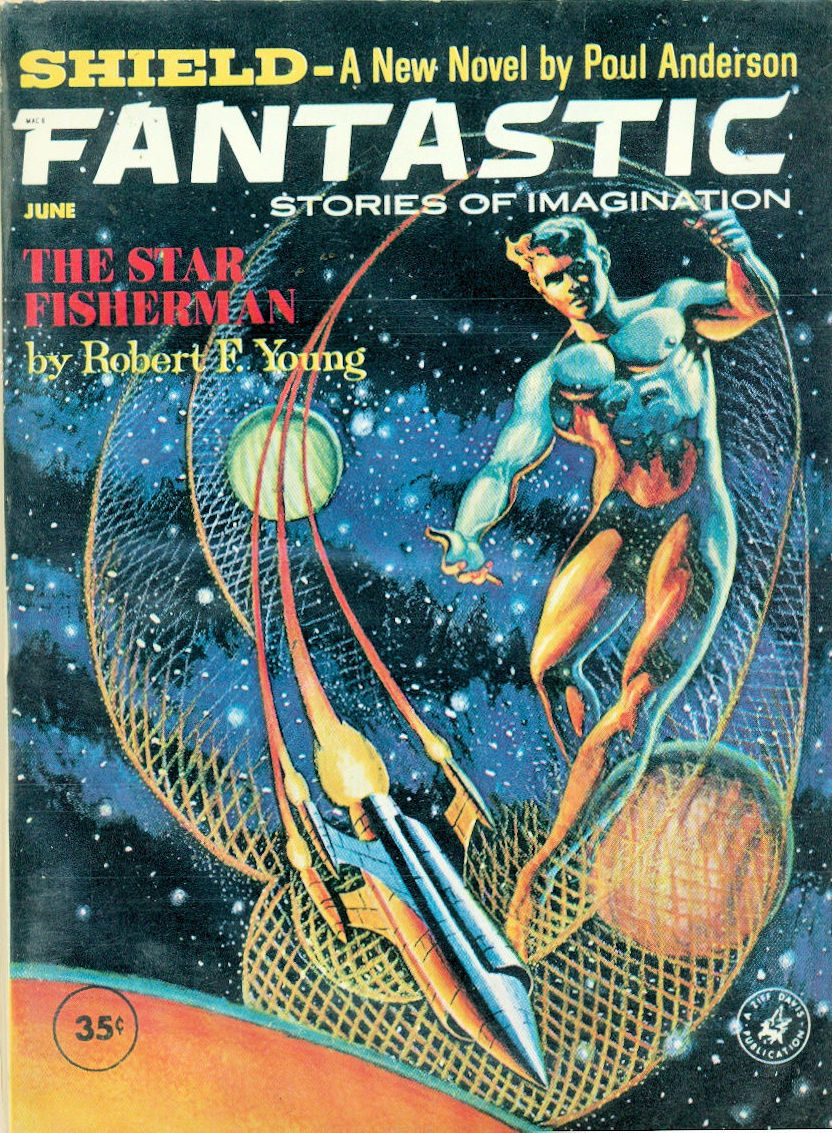
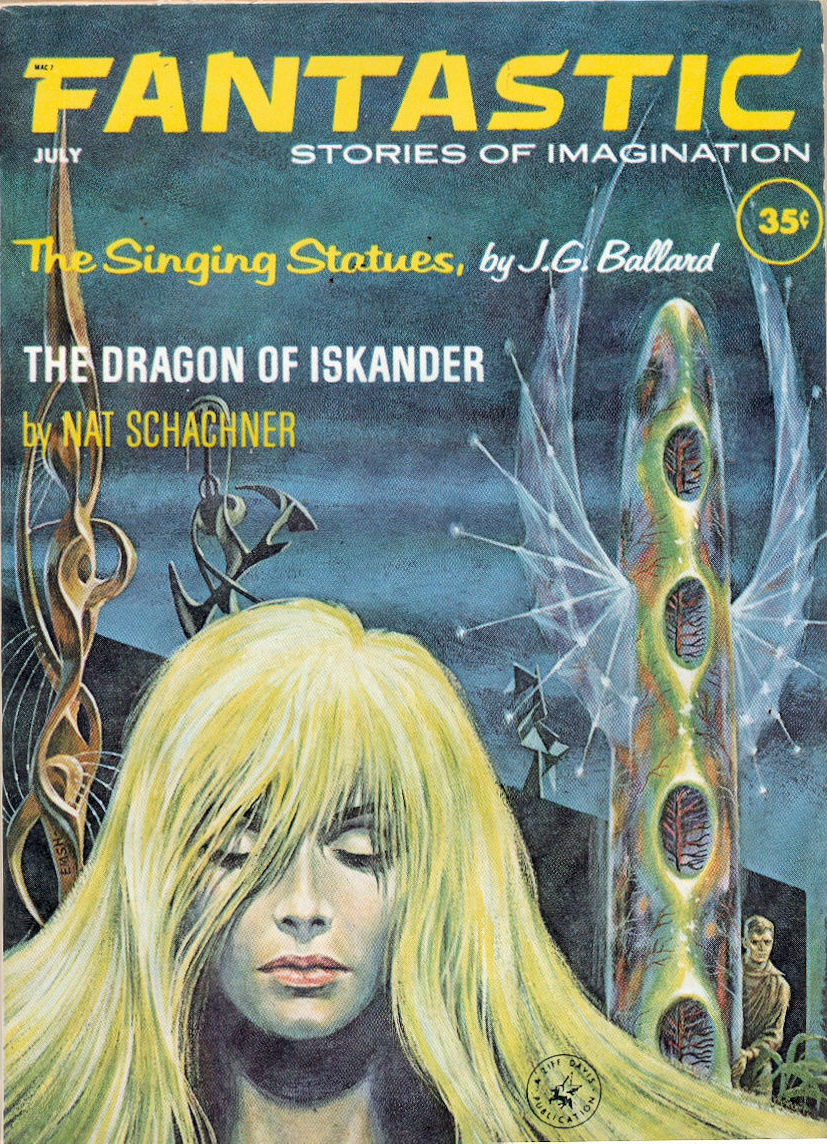
Fantastic Stories of Imagination June 1962-small3 Fantastic Stories of Imagination July 1962-small2
Cover by George Barr Cover by Emsh

Another pair of Cele Goldsmith-edited issues of Fantastic, featuring a Poul Anderson serial. And an interesting letter on the subject of Mervyn Peake by Michael Moorcock.

The editorials, by Norman Lobsenz, consider a Russian project to increase silk production by selecting for male silkworms, and a theory that the physical constants may not be constant. The covers are by George Barr (quite good) and Ed Emshwiller (not his best). Interiors are by Leo Summers, Dan Adkins, Emshwiller, and George Schelling.

The letter column was quite irregular in Fantastic, but it’s present in the July issue, for something of a special occasion, perhaps. Michael Moorcock, then a very young writer (his first story, in collaboration with Barrington Bayley, appeared in New Worlds in 1959, and his first solo work in 1961 in Science Fantasy), had read comments about Mervyn Peake and his Gormenghast books in Fantastic earlier that year, and he wrote to mention that Peake (whom he knew well) was seriously ill and unlikely to write another Titus Groan book.

Read More Read More

Occult Detective Quarterly #1 Now Available

Occult Detective Quarterly #1 Now Available

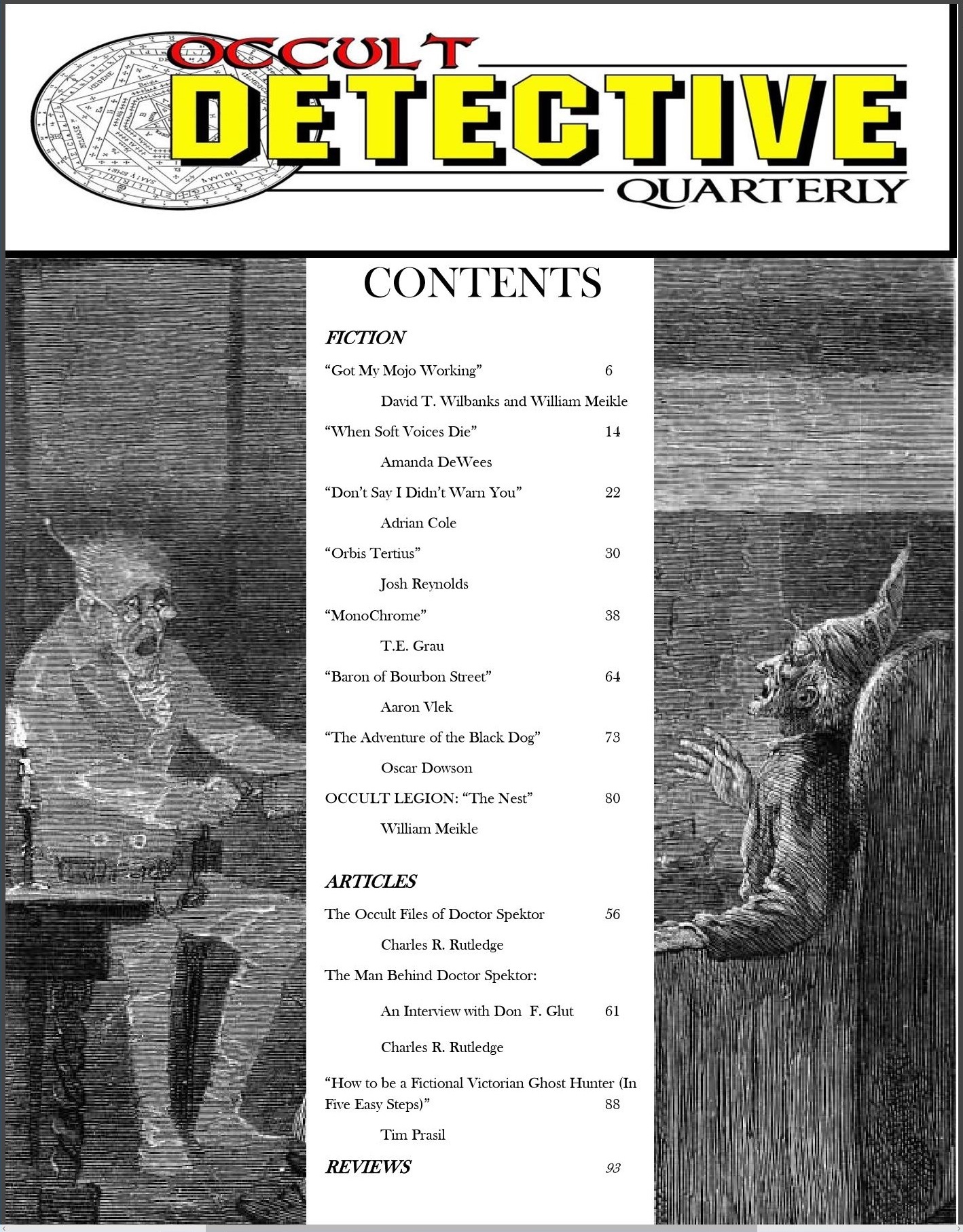
Occult Detective Quarterly 1-small Occult Detective Quarterly 1-contents-small

Back in October, shortly after the launch of the Occult Detective Quarterly Kickstarter, we welcomed co-editor John Linwood Grant to Black Gate to tell us a little about his exciting new project. Here’s what he said, in part.

I was always a Carnacki man, staunch and true. An Edwardian adventurer, willing to admit that I was afraid, but determined to stiffen that lip and see the game through. And as a follower of William Hope Hodgson’s Carnacki the Ghostfinder, I quickly took to games like Call of Cthulhu when it first came out in the eighties. The dedicated investigator pitted against almost indescribable horrors had an obvious appeal. It turned out to be a shock, because unlike our usual, intriguing fantasy RPG campaigns, in CoC we died a lot. A real lot. We were, generally, doomed.

So when we decided that we would launch a new magazine, Occult Detective Quarterly, we knew what we wanted. Someone even suggested that Doomed Meddler Quarterly would be a good alternative name. We wanted tales of psychic detectives, amateur supernatural sleuths, embittered foes of the Dark, and people who ended up having to investigate malevolent forces against their wills. New Lovecraftian terror was welcome, as was old-fashioned pluck. Stories from Carnacki to Constantine, with terrified innocents thrown in along the way.

The first issue of the magazine is now available, and it’s exceeded my expectations in virtually every way. We are witnessing the birth of a major fantasy magazine.

Read More Read More

Modular: Who Would Win? John McClane and James Bond versus a Tribe of D&D Goblins

Modular: Who Would Win? John McClane and James Bond versus a Tribe of D&D Goblins

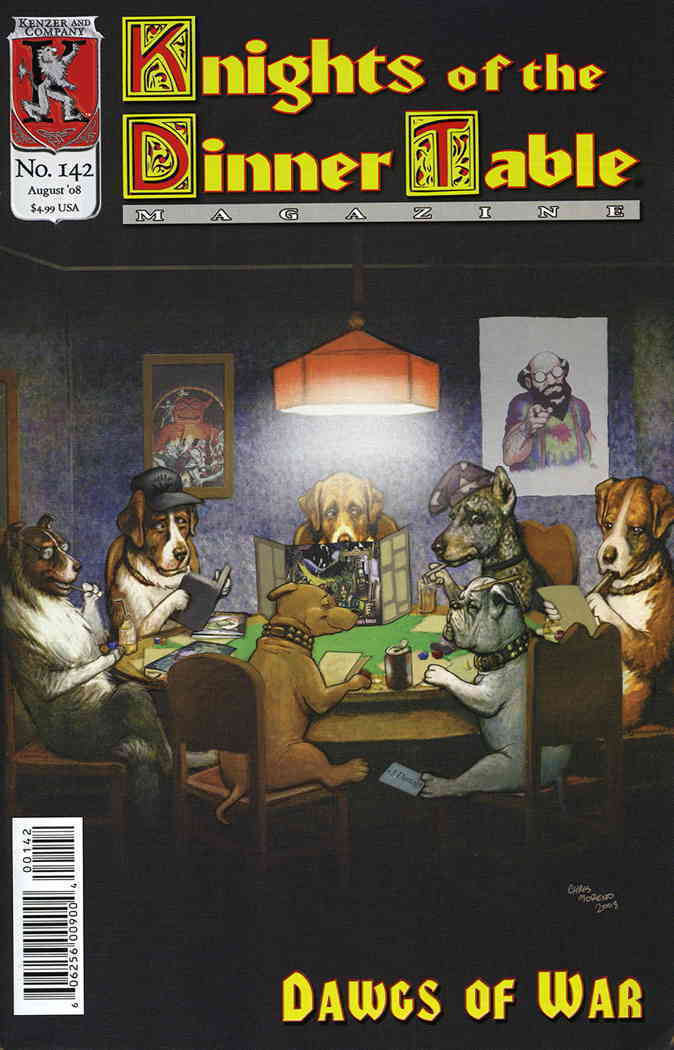
Knights of the Dinner Table 142-smallI came across a fascinating piece by Noah J.D. Chinn in Knights of the Dinner Table issue 142 (August 2008). Chinn’s guest editorial for the “Gamer’s Pulpit” column is an intriguing analysis of how the realism bar for heroes has shifted radically from the days of our youth (us Gen Xers) until now.

The single most interesting fact he presents is a piece of data generated by Mike Hensley charting how many goblins a first level fighter could kill before dying across all iterations of Dungeons & Dragons (at that point there were 6 versions, 5th Edition not yet having debuted). He ran the combats at least 1,000 times for each fighter in a Javascript simulation program, with the fighter facing the goblins one at a time, producing an average for each version. This is what the data reveals:

  • OD&D: 2.7 goblins killed
  • BD&D: 4.1
  • AD&D1: 4.3
  • AD&D2: 7.3
  • D&D 3e: 10.1
  • D&D 4e: 23.4 Holy Crap!

(It would be interesting to further extrapolate from this data: Does it suggest that a 4e first-level fighter could, one-on-one, take out 4 or 5 OD&D fighters before succumbing? Or that a first-level 4e fighter is roughly equivalent to a third-level fighter in Basic?)

Chinn argues that this hero power inflation cuts across popular culture. He uses the Die Hard movies as an apt illustration:

Read More Read More

Another Magazine Gone: Fantastic Stories of the Imagination Packs it In

Another Magazine Gone: Fantastic Stories of the Imagination Packs it In

Fantastic Stories of the Imaginations January February 2017-smallThere’s a healthy number of genre magazines on the market in 2017… but that doesn’t mean that all (or even most) of them are healthy. The vast majority of independent and small press magazines operate on paper-thin margins, which means that even minor setbacks can put the whole enterprise at risk.

We lost one of the highest-paying short fiction markets in the industry last month, as publisher Warren Lapine announced on January 18th that a combination of financial difficulties and personal setbacks had conspired to doom Fantastic Stories of the Imagination. In his Message From the Publisher he writes:

It’s with deep regret that I announce the closing of Fantastic Stories of the Imagination. The January issue will be our final regular issue and the People of Color Take Over issue will be our final issue. I’m really proud of the body of work that we produced at Fantastic. There are a number of reasons that now is the time for me to close the webzine. According to my projection, it’ll take more than five years for Fantastic to become self sustaining, and I simply don’t feel that that is a reasonable time frame.

I had planned to stick it out another year, but my personal life has made that much more difficult. Last month my daughter’s house burned down and she and her family are staying with us while we try to sort everything out with an insurance company that doesn’t want to pay; and this month my wife was diagnosed with breast cancer… For those of you who are owed portions of an electronic subscription. Your subscription will be filled with electronic copies of The Magazine of Fantasy and Science Fiction and The Cascadia Subduction Zone. That means you’ll be getting two magazines for every one we owe you.

Fantastic Stories of the Imagination was founded in August 2014, and published 17 issues over the past two and a half years. It took its name from the fondly-remembered digest Fantastic Stories, published from 1952-1980 by Ziff-Davis, and continued the original’s numbering scheme. The modern version was a free webzine that published two new stories every issue, plus reprints, reviews and commentary. It was edited by Warren Lapine and published by Wilder Publications, and available free online, and in a variety of digital formats for $2.99.

We last covered Fantastic Stories of the Imagination with the September-October 2015 issue. The final issue will be the Kickstarter-funded People Of Color Take Over Fantastic Stories, inspired by the hugely-successful People of Colo(u)r Destroy Science Fiction special issues of Lightspeed and Nightmare. The last regular issue contains new fiction by Wendy Nikel and Tamoha Sengupta; check it out here.

January 2017 Nightmare Magazine Now on Sale

January 2017 Nightmare Magazine Now on Sale

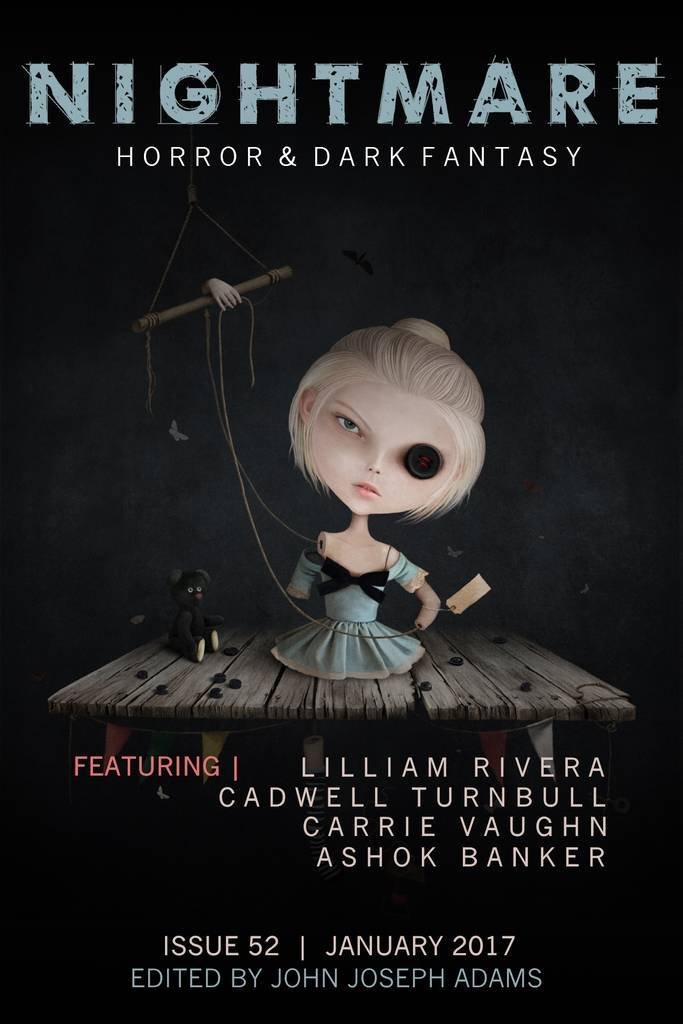
Nightmare Magazine January 2017-smallThe January 2017 issue of Nightmare is now available, with original fiction from Cadwell Turnbull and Carrie Vaughn, and reprints by Lilliam Rivera and Ashok Banker. Here’s Kevin P Hallett’s thoughts from Tangent Online:

“Loneliness is in Your Blood” by Cadwell Turnbull

This short dark horror describes a female vampire who makes herself invisible while she hunts for human blood. The vampire thinks she is immortal, living among the American slaves. But after hundreds of years, she finds herself growing old. As she ages, she is compelled to suck a young couple dry of their blood, an act that induces her own pregnancy and the birth of a new girl vampire…

“Redcap” by Carrie Vaughn

This horror short introduces us to Violet, the youngest of three sisters charged with minding the sheep. Her elder sisters warn her each day of the dangers outside the home, and that they will all starve if any sheep are lost. One day, as she prepares to herd the sheep from the pasture, she finds a lamb missing. Violet is torn between her sister’s warnings about the dangers and their cautions about starving if any sheep are lost.

She decides to search for the lost sheep. Drawn to its bleating, she climbs the haunted hill where the demon, Redcap, traps her… The story had a nice pace to it and the plot was engaging, pulling the reader forward…

Read his complete review here. The complete contests of the issue are listed below.

Read More Read More

January 2017 Apex Magazine Now Available

January 2017 Apex Magazine Now Available

Apex Magazine January 2017-smallThe January 2017 Apex is a Special Double Issue, with brand new short stories by Lia Swope Mitchell, Iori Kusano, James Beamon, and J.J. Litke, a novelette by Ursula Vernon, and reprints from Rich Larson and Mike Allen. Mike’s contribution, “The Quiltmaker,” the sequel to his Nebula nominee “The Button Bin,” is a massive 20,000 word novella which Mike calls “easily my most gruesome published work to date” (and as the guy who edited and published his The Black Fire Concerto, easily the most gruesome novel I’ve ever read, I can tell you that means something). Here’s editor Jason Sizemore with his summation of the January issue.

Ursula Vernon returns to our pages with the powerful “The Dark Birds.” This dark fantasy (and dare we say…horror) allegory is my favorite Vernon piece thus far. James Beamon explores time travel and racism in “Soliloquy in a Cheap Diner Off Route 66.” “The Invisible Box” is a fun and quick little story of revenge. “Next Station, Shibuya” by Iori Kusano continues the conversation our magazine has ongoing with Japanase-influenced horror and SF. In “Mag, the Habitat and We” Lia Swope Mitchell’s little protagonists protect and fight for their home. Our two reprints are from Mike Allen and Rich Larson. “The Quiltmaker” is a terrifying dark fantasy/horror novella that will leave a mark. “Masked” by Rich Larson will have you thinking of Black Mirrors, but hey, his story came out before the third season of the show, so we’re giving Rich all the credit for the idea!

Our nonfiction includes interviews with cover artist Aaron Nakahara and author James Beamon. Dr. Amy H. Sturgis contributes a scholarly piece titled “The Once and Future Chief: Tecumseh in (Science) Fiction.” Be sure to check out our August, 2017 issue as Dr. Sturgis will be our guest editor and will focus on First Nations and Indigenous authors of North America.

Poetry contributors this month include Barton Paul Levenson, Laura Madeline Wiseman, Tracy May Adair, and Amanda Pekar.

Here’s the complete TOC, with links to all the free content.

Read More Read More

The Late January Fantasy Magazine Rack

The Late January Fantasy Magazine Rack

Ares-4-rack Asimovs-SF-January-February-2017-rack Clarkesworld-124-rack Lightspeed-January-2017-rack
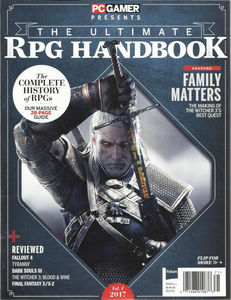
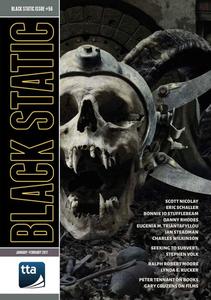
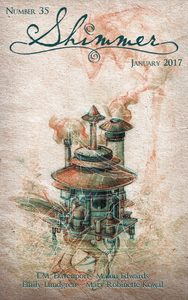
The-Ultimate-RPG-Handbook-rack Black-Static-56-rack Shimmer-35-rack Some-of-the-Best-from-Tor-2016-rack

This month the first issues of Analog and Asimov’s SF in their new bimonthly format arrived — with an extra 16 pages each — and I like the change already. We also welcome PC Gamer to our magazine checklist for the first time, courtesy of the irresistible Ultimate RPG Handbook special issue. But the big news for short fiction fans was the release of the massive annual compilation of Some of the Best From Tor.com, containing 25 recent stories from one of the most acclaimed digital magazines in the genre. I hope you managed to nab a free copy at Tor.com while they were available! If not, free copies are still available through Amazon.com and B&N.com for a limited time.

Check out all the details on the magazines above by clicking on the each of the images. Our early January Fantasy Magazine Rack is here.

As we’ve mentioned before, all of these magazines are completely dependent on fans and readers to keep them alive. Many are marginal operations for whom a handful of subscriptions may mean the difference between life and death. Why not check one or two out, and try a sample issue? There are magazines here for every budget, from completely free to $35/issue. If you find something intriguing, I hope you’ll consider taking a chance on a subscription. I think you’ll find it’s money very well spent.

Read More Read More

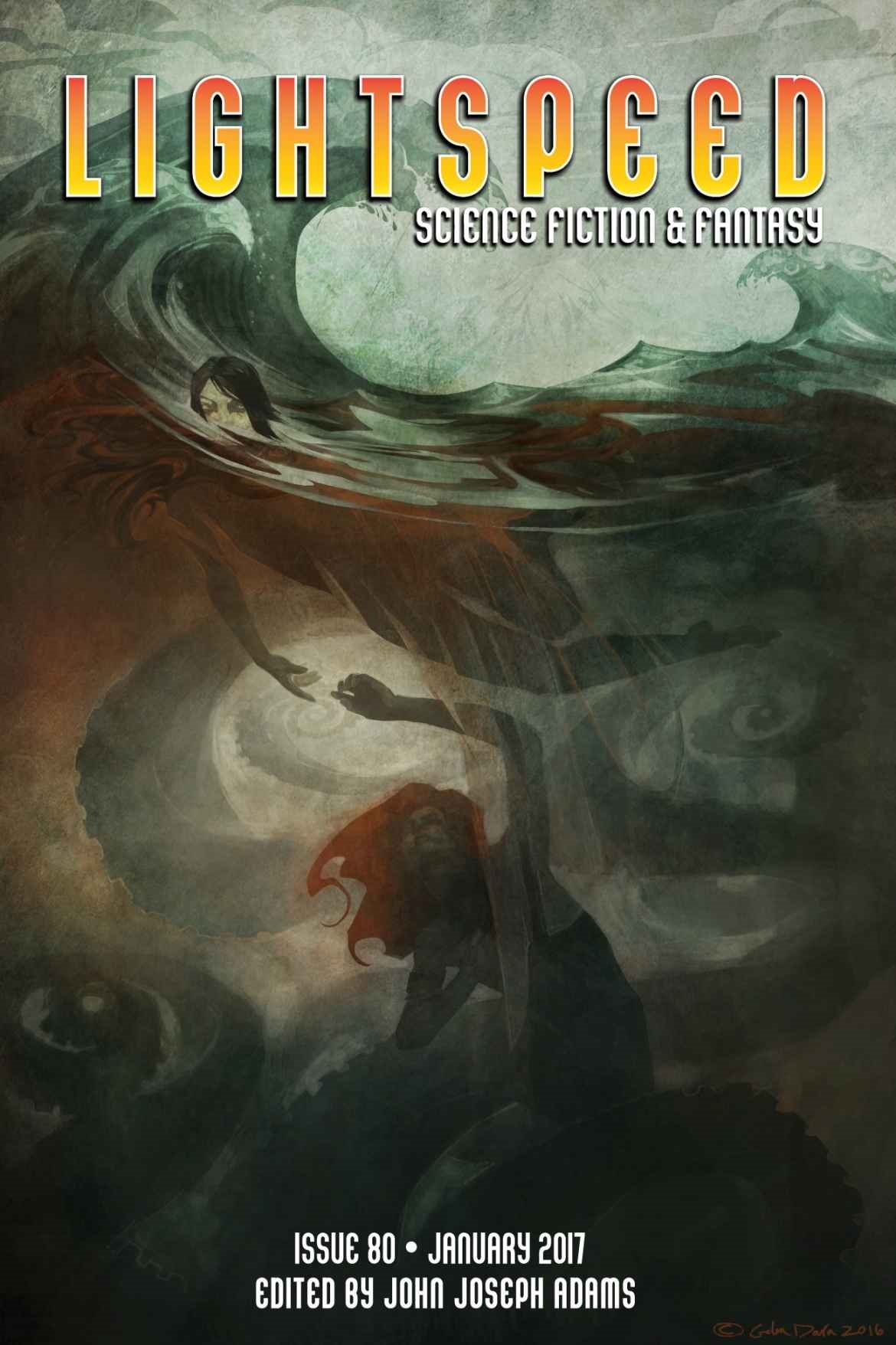
January 2017 Lightspeed Magazine Now Available

January 2017 Lightspeed Magazine Now Available

Lightspeed January 2017-smallBlack Gate author Jeremiah Tolbert (“Groob’s Stupid Grubs”) has had a nice run of stories in Lightspeed recently, including “Taste the Singularity at the Food Truck Circus” (August 2016) and the Dungeonspace tale “The Cavern of the Screaming Eye” (October 2016). Charles Payseur at Quick Sip Reviews speaks very highly of his new story in the January issue, “The West Topeka Triangle.”

The story unfolds at a time that many would point to as the golden days of modern America. Reagan’s America. And for Jason, growing up at that time means mostly absent parents and a neighborhood and world that seems poised to swallow him up. He’s not exactly popular, and as part of his social isolation he is obsessed with a theory that his town has a triangle like the Bermuda Triangle that explains a string of disappearances. And I like how the story builds this world… It’s also a world that’s full of danger, not just because people are disappearing though that comes to dominate the story, the mystery of what’s happening. For Jason it’s a diversion, a way to escape a stifling home life that seems to defy any attempt to change it… It’s a weird but also haunting story that lingers for me, that remains like a weight on my chest.

Read Charles’ complete review of the January issue here.

This month’s Lightspeed offers original fantasy by Kat Howard and Jeremiah Tolbert, and fantasy reprints by Jeffrey Ford and Kima Jones. It also has original science fiction by Adam-Troy Castro and Molly Tanzer, along with SF reprints by James S.A. Corey and Mary Rosenblum. The non-fiction includes an editorial from John Joseph Adams, author spotlights, movie reviews by Carrie Vaughn, Book Reviews by Andrew Liptak, and an interview with Kij Johnson.

The exclusive content in the ebook version this month includes Judith Berman’s Nebula-nominated novella “Awakening,” which originally appeared in Black Gate 10. Along with the story by Jeremy Tolbert, and the reprint from BG author Jeffrey Ford (who wrote the brilliant “Exo-Skeleton Town“), it’s making me positively nostalgic.

Read More Read More

Take a Crash Course in the History of Computer Role Playing in The Ultimate RPG Handbook

Take a Crash Course in the History of Computer Role Playing in The Ultimate RPG Handbook

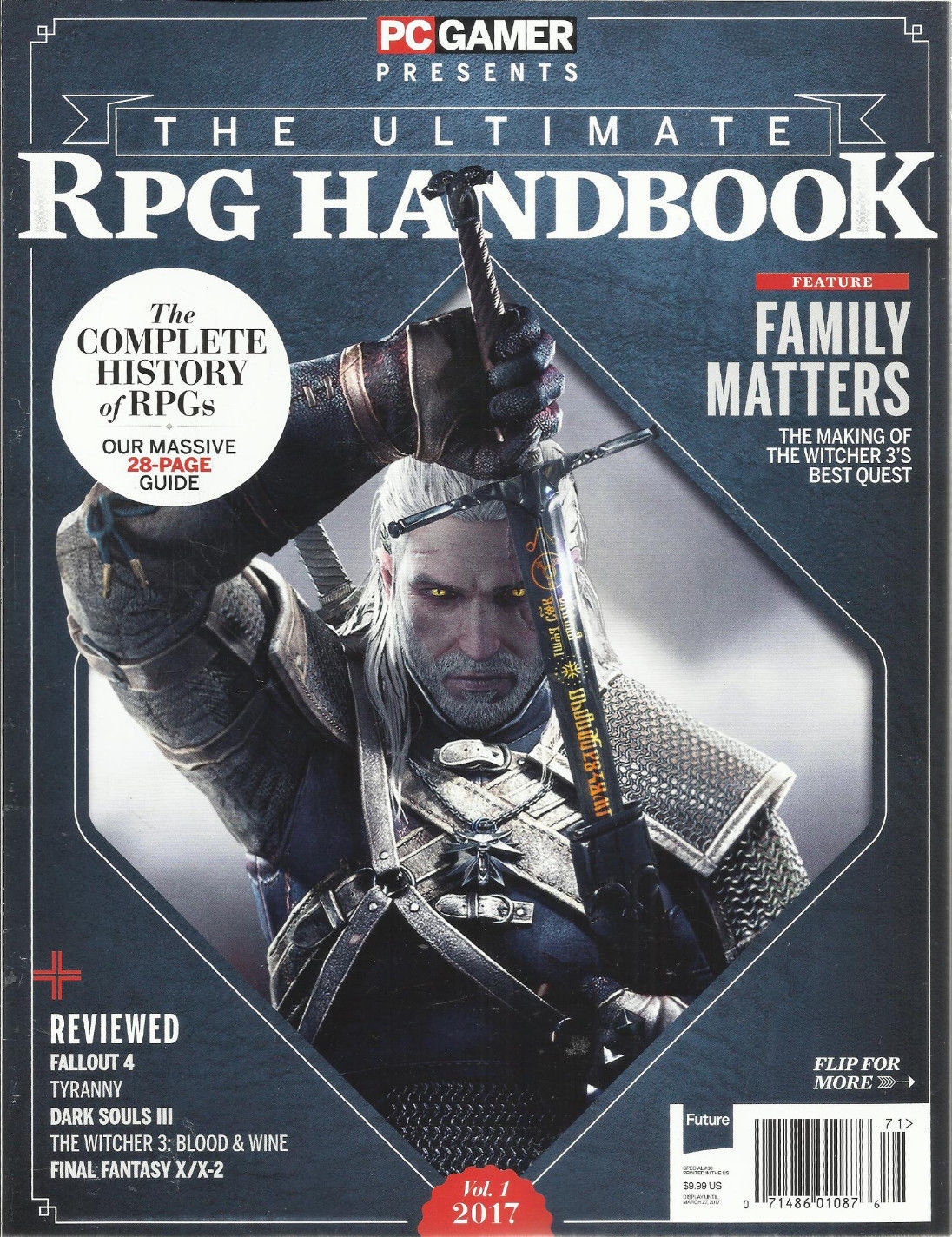
The Ultimate RPG Handbook-smallI’ve been a subscriber to PC Gamer magazine for over 22 years, since it launched as a British “Euro mag” in November 1993 (back in the days when computer hobby shops here in the US would carry British gaming magazines for the Amiga and the PC, and the magazines had disks taped to the cover. And there was such a thing as computer hobby shops.) The magazine has long had a terrific stable of writers — including Editor-in-Chief Gary Whitta, who famously left the magazine to become a screen writer. And he did, too, writing The Book of Eli and Rogue One, among others.

The artifact at right is PC Gamer Presents: The Ultimate RPG Handbook; I found it in the magazine section at Barnes & Noble on Saturday. It sorta looks like a regular issue of PC Gamer, except it has no ads, and is totally devoted to my favorite video game genre. Sweet!

Much of it is composed of reprints from the magazine, but there’s new stuff too — like Richard Cobbett’s massive 28-page full-color history of computer RPGs, starting with Temple of Apshai and Beneath Apple Manor, through Wizardry, Bard’s Tale, the SSI Gold Box Games, Star Control 2, Deus ExWitcher 3, and half a zillion titles in between. Cobbett lingers on several of the major series, like Ultima, and particularly influential games like Elder Scrolls:Arena, Baldur’s Gate, and Fallout 3. He doesn’t cover everything, of course, but his breezy style makes the whole thing entertaining and highly readable.

There’s plenty more crammed into the issue, including a feature on the future of RPGs, a long article on Witcher 3, and reviews of major new RPG releases like Fallout 4, Dark Souls III, and Tyranny (maybe they didn’t fit in the regular magazine?) There’s also a few production glitches, like the invitation on the cover to “Flip For More,” and an arrow pointing to the inside cover… which is totally blank. Nonetheless, whether you’re new to the genre or an obsessive collector who (like me) has every single game they mention, this is a terrific way to spend a few hours. Recommended.

The Ultimate RPG Handbook was published by Future Publishing in December 2016. It is 98 pages, priced at $9.99 (US edition), and 148 pages for £9.99 (UK edition). There is no digital edition, though one is promised. Get more details at the website.