Blogging Marvel’s The Tomb of Dracula, Part Eight
 The Tomb of Dracula #38, “Blood-Rush” continues the more light-hearted vein for the series with the change of setting from London to Boston as the comic relief characters of the Woody Allen-inspired Harold H. Harold and the ditzy bombshell Aurora Rabinowitz set out to score some blood so that Harold’s house guest, Dracula doesn’t die. The scene shifts to Dr. Sun’s Boston headquarters where he is monitoring, via closed circuit television, a meeting between Quincy Harker, Rachel Van Helsing and Frank Drake. The issue ends with Dracula, Quincy, Rachel and Frank captives of Dr. Sun and his murderous henchman, Juno with the unlikely duo of Harold and Aurora setting out to rescue the vampire who has promised Harold an interview so that he can meet his publisher’s deadline.
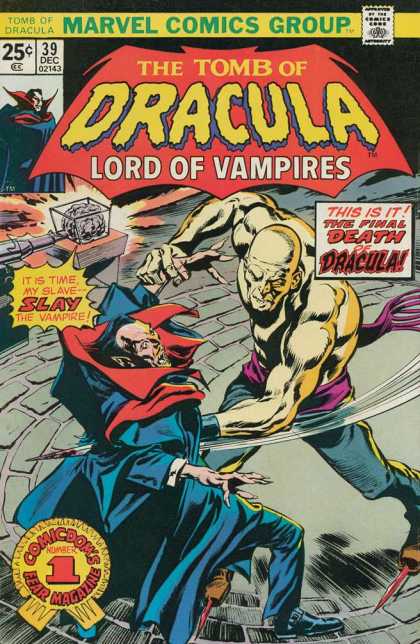
Issue #39, “The Death of Dracula” is highlighted by a gripping battle between Dracula and Juno. The hook-armed Chinese assassin seems to have stepped right out of Marvel’s Master of Kung-Fu series. The move to include offbeat comic relief supporting characters also seems influenced by Doug Moench and Paul Gulacy’s acclaimed series. Both titles were unique for Marvel for eschewing the superhero formula and offering surprisingly modern updates of what were considered tired and perhaps exhausted literary properties (Dracula and Fu Manchu, respectively). Dracula is killed by Juno with a spike through the heart. The villainous henchman then uses a flame thrower to cremate Dracula on the spot. Quincy, Rachel, Frank and their new acquaintances, Harold and Aurora manage to escape Dr. Sun’s headquarters and alert the military to his scheme for world domination. The issue fades out on the maniacal Dr. Sun observing their meeting with the military, improbably via his ubiquitous closed circuit cameras, as the talking brain in a fish tank gloats over his seeming omnipotence.
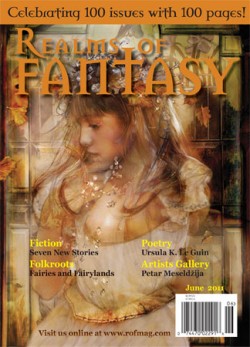 Congratulations to Realms of Fantasy on its 100th issue (which actually has 101 pages, but I guess the extra page is for good luck, and doesn’t make for quite the same alliterative headline), a notable accomplishment for a publication that has been brought back from the dead on several occasions. In fact, the magazine has had five publishers, with founding editor Shawna McCarthy the only person who has been there for the duration, according to the issue’s “Little Known Facts.” Fiction contributors include Leah Bobet, Josh Rountree and Samantha Henderson, Sharon Mock, Thea Hutchinson, Patrick Samphire, Euan Harvey and David D. Levine, as well as poetry by Ursula Le Guin and various art, book, gaming and movie reviews along with the regular Folkroots column by Theodora Gass. Here’s the complete
 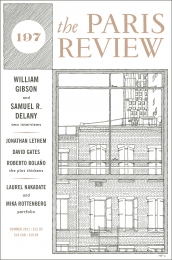 Tastemaker Central take particular pleasure in noting that the latter literary bastion has much of interest to the same people who read the bastion of fantasy genre tales (and perhaps vice versa?). The Summer 2011 features “Art of Fiction” interviews with Samuel R. Delany and William Gibson, as well as a story by Jonathan Lethem, “The Empty Room,” that’s available
 I’m beginning to wonder when Interzone will be retitled Jason Sanford’s Interzone; the guy seems to snag the magazine’s featured author slot more times than most. Case in point is the May/June issue in which Sanford’s “Her Scientification, Far Future, Medieval Fantasy” gets top billing, “plus other new stories” by Suzanne Palmer, Lavie Tidhar, Will McIntosh and Jon Ingold. I normally find Sanford intriguing, but this is one of those “I’m in an artificial reality, and I find out that I’m not as real (or more than real) as I thought” stories that is okay but doesn’t add much to the trope that hasn’t already been done before. The first paragraph is a real hoot, though, which I felt the rest of the story didn’t really hold up to:
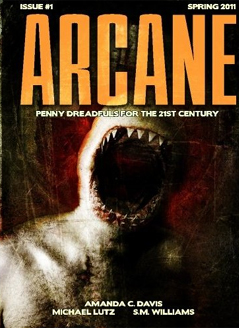 ARCANE is a slick new magazine from Cold Fusion Media and publisher Sandy Petersen. The first issue just dropped and it’s quite a breath of fresh air for horror fans — or should that be a fetid, graveyard breath? Anyway, this new quarterly publication is both an e-mag AND a print mag—it plays no favorites in the “print vs. digital” debate. According to its manifesto ARCANE will be publishing “weird horror, the supernatural, and the fantastic. ” It aims to leave readers highly entertained and slightly disturbed, like the best weird fiction always does.
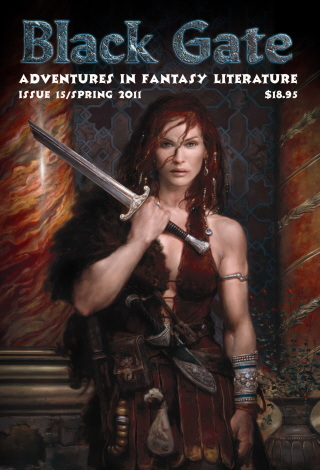
 I’ve sometimes bought a book without knowing anything about it because it had a cool cover. Similarly, I’ve been drawn to read a story because of a cool title.