Witch Doctor: Under the Knife
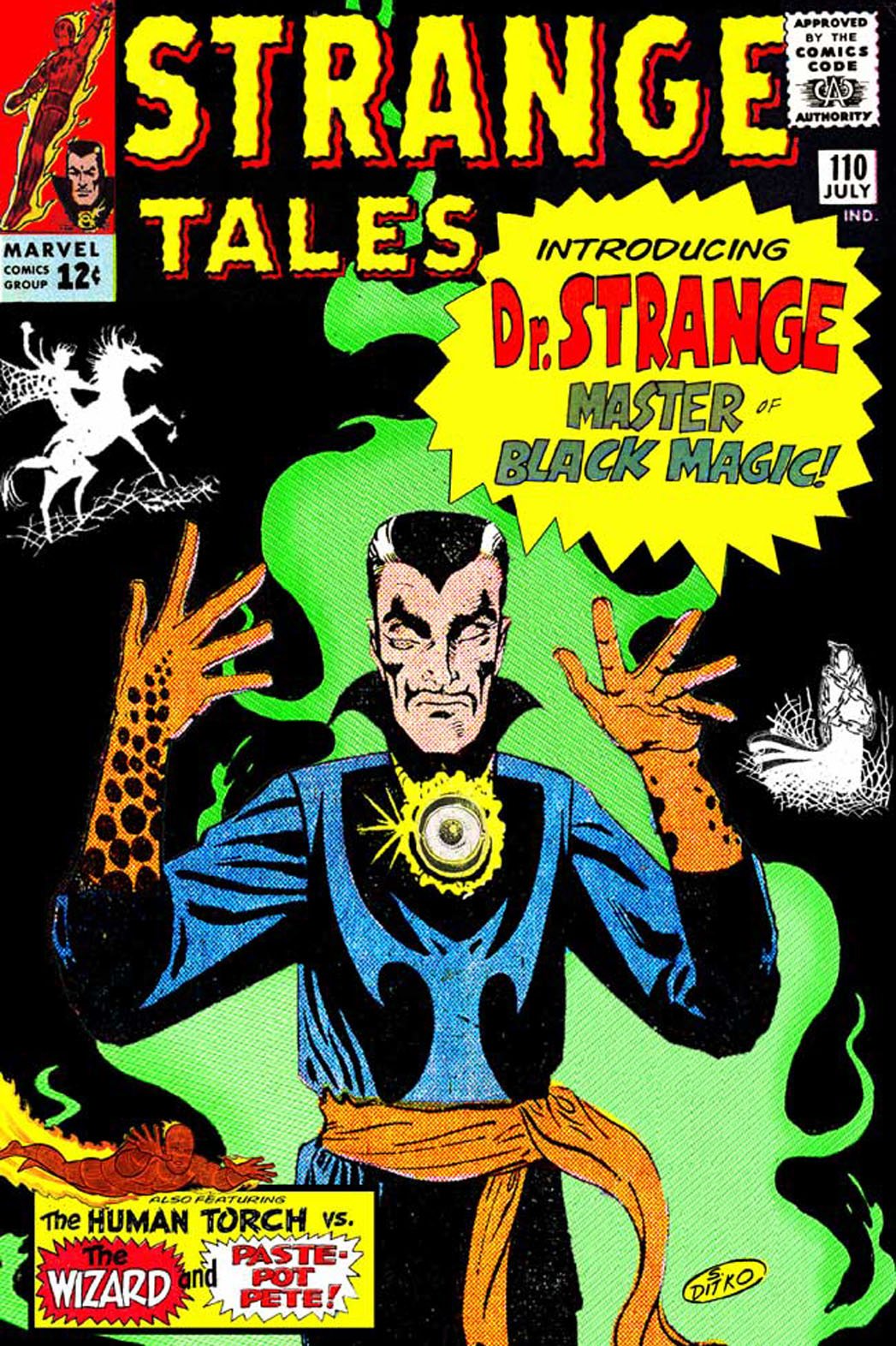
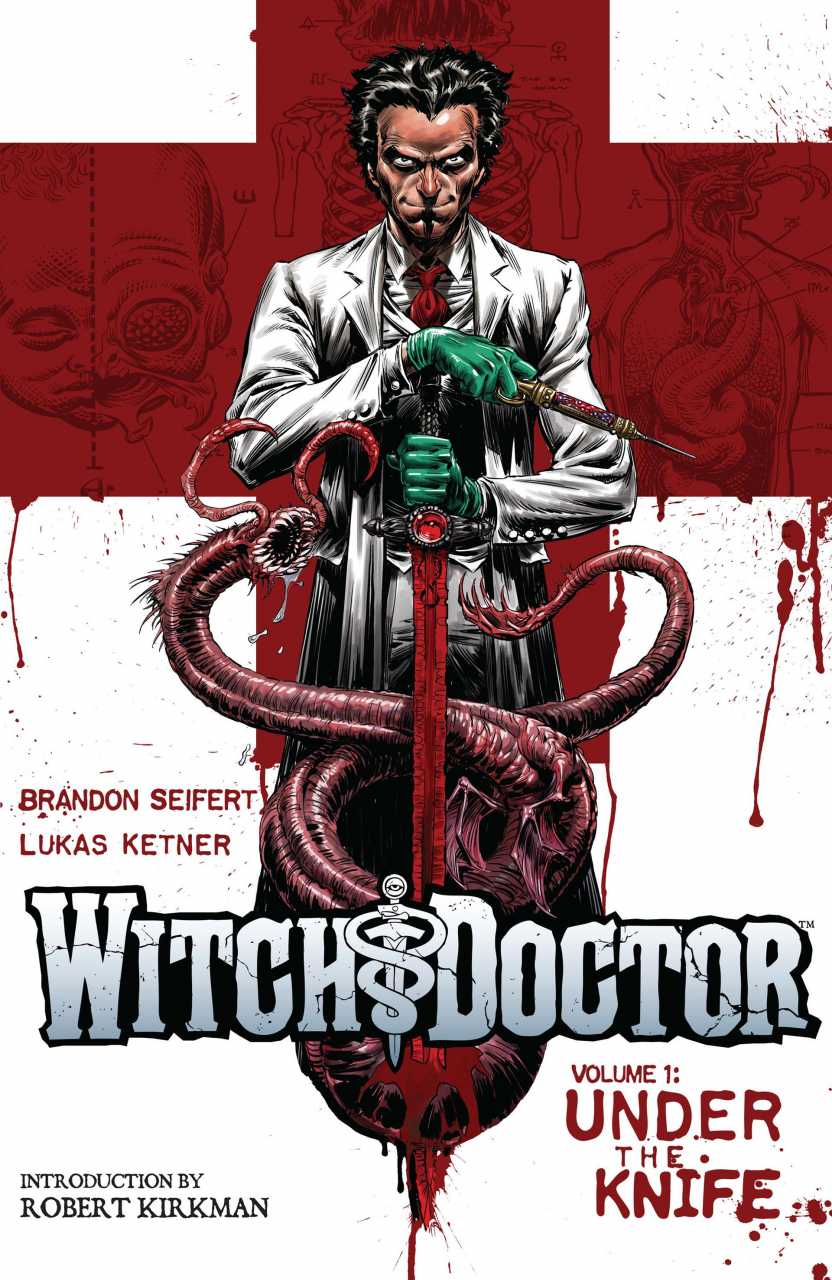 What if Dr. Gregory House had become Sorceror Supreme instead of Dr. Stephen Strange? If you’re familiar with both those names, chances are you’ve just clicked off this page to order your own copy of Witch Doctor: Under the Knife. If you never watched House and never read Doctor Strange, don’t worry … this isn’t one of those parody books that requires preliminary reading.
Dr. Vincent Morrow is a practicing physician whose specialty is supernatural medicine. Demonic possession, vampiric infection, pregnant faerie folk … Vincent Morrow’s the guy you call. What the doctor lacks in bedside manner, he makes up with a knowledge of the occult so vast that it sounds like he’s making it up as he goes along (which hardly ever turns out to be the case). How exactly is interspecies breeding possible with the Deep Ones? What is the medical definition of a soul and how do you treat someone who’s born without one? What kind of scalpel does one use to remove a demonic parasite? (Hint: It’s the kind you have to pull out of a stone.) The answers combine traditional folklore with modern medical terminology.
The strength of this series is in the sheer overload of fresh ideas and new perspectives on old storylines. Of course, we all know the key features of a vampire (big teeth, aversion to holy symbols, allergy to sunlight), but there’s just something fascinating about watching a doctor run through each characteristic and reason out how it evolved in what is essentially a supernatural parasite. An old-school paranormal investigator would use some sort magic sphere to track down a faerie trading changelings for human babies, but Dr. Morrow opts instead for a CDC-style database that pinpoints each incident, then traces it back to an origin point as if it were an influenza outbreak rather than a supernatural phenomenon. And it’s fun, after all the other crazy stuff that happens in chapters one and two, to see him get genuinely bothered by the interordinal hybridization of Deep Ones mating with humans, not because it’s disgusting, but because it’s medically impossible.
 There’s a suspicion common in genre circles when a writer or creator from ‘the mainstream’ uses genre conventions or plot points. It’s sometimes a justified suspicion, as the writer unfamiliar with genre falls into cliché or loses control of their material through inexperience with the form. But sometimes something else happens: fresh eyes can find new truths. And every so often somebody approaching a genre by starting at square one can show why the classic genre material works in the first place — and even twist that material a bit to find new life for it going forward.