Browsed by
Category: Books

Vintage Treasures: The Black Grail by Damien Broderick
Vintage Treasures: The Black Grail by Damien Broderick

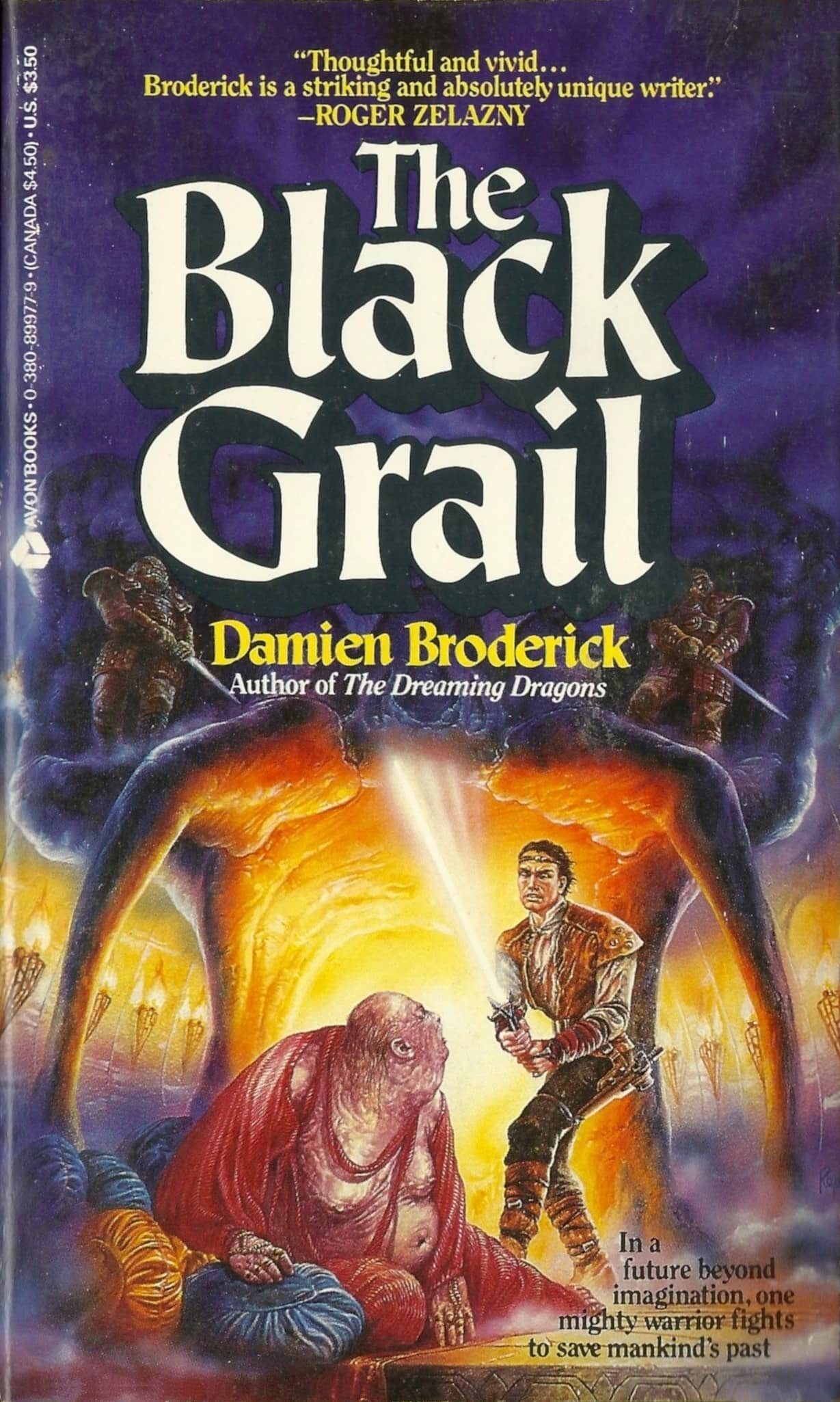
The Black Grail Damien Broderick-small The Black Grail Damien Broderick-back-small

The Black Grail (Avon Books, September 1986). Cover by Luis Royo

I picked up Damien Broderick’s The Black Grail mostly because of the great Luis Royo cover (which speaks to me vividly of 80s-era SF and fantasy), but it turns out to have a pretty interesting back story.

The Black Grail is Broderick’s sixth novel, a substantial expansion and retelling of his first novel, 1970’s Sorcerer’s World. Most sources list them as separate books since, to quote from the ISFDB, “their difference is substantial enough to consider this a different work.” The Encyclopedia of Science Fiction calls it “a far more complex and sophisticated rewrite of Sorcerer’s World… [depending] upon elaborate plotting involving alternative timelines and temporal paradoxes.”

That alone was enough to pique my interest, and that was before I found this brief 4-star review on Goodreads that compared it to Jack Vance’s masterwork:

I really enjoyed this book from the Dying Earth sub-genre. It had a lot of ideas packed into the 310 pages. I found it to be a fairly quick read that moved along with an action packed plot and interesting twists on familiar Dying Earth themes…

Lightsabers, elaborate plotting, temporal paradoxes, and Dying Earth motifs? I’m sold. This one has shot to the top of my TBR pile. The Black Grail was published by Avon Books in September 1986. It is 310 pages, priced at $3.50. It has never been reprinted in the US, and there is no digital edition. The cover is by Luis Royo. It’s part of the 6-volume Faustus Hexagram series that also includes The Judas Mandala (1982), Striped Holes (1988), and The Sea’s Furthest End (1993).

See al our recent Vintage Treasures here.
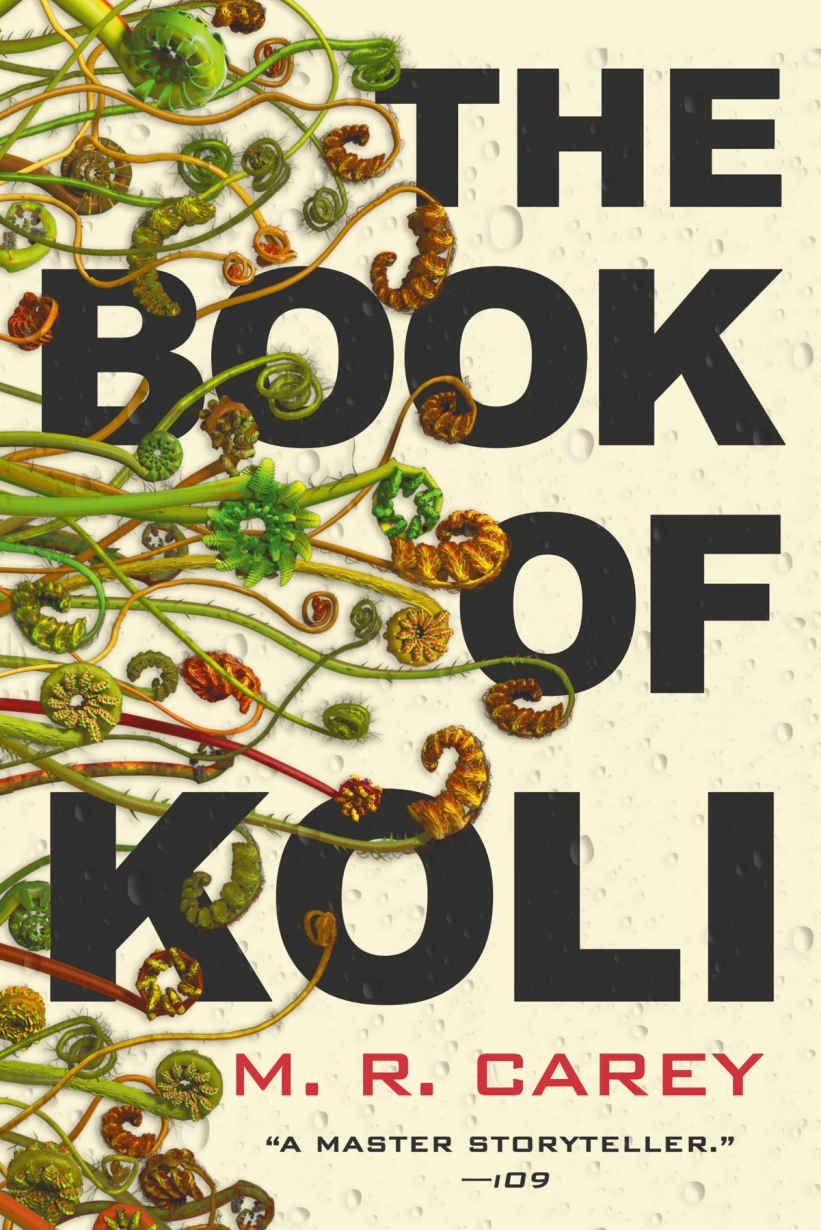
Adventure in the Final Days of Civilization in the British Isles: The Trials of Koli by M.R. Carey

Adventure in the Final Days of Civilization in the British Isles: The Trials of Koli by M.R. Carey

The-Book-of-Koli-smaller The Trials of Koli-small The Fall of Koli-small

The Rampart Trilogy by M.R. Carey, all published by Orbit: The Book of Koli (April 2020),
The Trials of Koli (September 2020), and the forthcoming The Fall of Koli (March 2021). Cover designs by Lisa Marie Pompilio

Post-apocalyptic reading doesn’t seem the best thing for these times of global pandemic and a presidential term that’s seen the US move backward on almost every progressive climate policy. And yet as I explained in my review of The Book of Koli, M. R. Carey has managed to create an enjoyable post-apocalyptic quest through the voice of his flawed, compelling, imminently likeable narrator, Koli. The Trials of Koli, released in September, picks up right where Book 1 left off, with Koli and his companions traveling across an ecologically transformed England in the wake of civilization to find the source of a signal that might mean a semblance of technology and government remaining in London.

Of course, a quest is only as good as those you travel with, and in this Koli is fortunate. Besides the traveling medicine woman Ursula, who carries some of the country’s last viable medical technology, and the sentient Dreamsleeve Mono, an advanced music player that has become Koli’s closest friend, the character who shines in this volume is Cup, a vagabond picked up as captive after a tussle with a cannibalistic cult at the end of the first volume. Cup becomes an ally and companion in this second volume, and with her character Carey is able to explore what life might be like for “crossed,” or transgendered, individuals in this new world.

Besides navigating the spectrum of hatred to acceptance that Cup elicits as they travel through various villages, Cup’s identity provides a point of conflict within the company. Ursula, with her access to medical technology, must decide if it’s ethical to give Cup the hormone-blocking treatment she wants to postpone the onset of puberty, even though the therapy for full gender transition is no longer available. This conflict isn’t a major plot point, but it’s integral to the heroes’ journey and a nuanced depiction of a transgendered character. Of course, at the same time our heroes are navigating this they’re also figuring out how to deal with the coming seed-fall of a forest full of carnivorous trees.

…

Read More Read More

Future Treasures: Nophek Gloss by Essa Hansen

Future Treasures: Nophek Gloss by Essa Hansen

Nophek Gloss-smallThere are times when you need to tune out all the chaos in the world. The week after a tumultuous US election is definitely one of them.

And you know what helps with that, don’t you? A brand new book from an exciting debut author. The one I’ve got in mind is Nophek Gloss, the tale of a young man who sets out on a single-minded quest for revenge across the galaxy when his planet is destroyed. It arrives from Orbit on Tuesday, and it’s preceded by a lot of great press.

What kind of press? Michael Mammay (Planetside) says it “reads like a Becky Chambers novel crossed with Firefly,” and The Quill to Live calls it “a bizarre journey through space and time with a lovable crew of rogues on a spaceship.”

Booklist says it’s packed with “fast-paced action, and stunning scientific concepts, with mercantile and political intrigues spanning manifold universes,” and Publishers Weekly calls it a “wonderfully inventive debut“:

A revenge plot leads mechanic Caiden across a multiverse populated by a colorful array of humanoid species in Hansen’s wonderfully inventive debut, the first of a space opera trilogy. Fourteen-year-old Caiden lives on a planet that raises vicious predators called nophek. When the planet is attacked by a new shipment of nophek, Caiden alone escapes, and uses his unique ability to manipulate technology to pilot an abandoned spaceship. Caiden soon joins a team of scavengers who guide him to Emporia, an interstellar marketplace where he learns more about the Casthens, who orchestrated the slaughter of his people, and undergoes genetic manipulation to accelerate the development of his body and mind. He emerges a 20-year-old determined to bring down the Casthen… Space opera fans will be eager for the next installment.

Nophek Gloss is the opening novel in The Graven series. It will be published by Orbit Books on November 17, 2020. It is 448 pages, priced at $16.99 in trade paperback and $9.99 in digital formats. The cover is by Mike Heath. Read the first two chapters here.

See all our recent coverage of the best upcoming SF and fantasy here.

Giant Spiders, Horrifying Plants, and Robots at the End of Time: The Best of James Van Pelt

Giant Spiders, Horrifying Plants, and Robots at the End of Time: The Best of James Van Pelt

The Best of James van Pelt-back The Best of James van Pelt-small

The Best of James van Pelt (Fairwood Press, November 2020). Cover by Gabriel Gajdoš

If you’re a regular Black Gate reader, James Van Pelt needs no introduction.

He’s been a prolific contributor to all the major science fiction magazines we’ve covered for the past two decades. He’s also a part-time BG columnist, covering the short fiction beat for us with his occasional Stories That Work column. His latest book is sure to be of interest to all our readers — The Best of James Van Pelt, just released by Fairwood Press, is an enormous 700-page survey of James’ entire career, collecting 62 stories and nearly 300,000 words of fiction. Here’s a snippet from the starred review at Publishers Weekly.

Van Pelt showcases his mastery of short-form fiction in these 62 stories, all published between 1993 and 2018 and ranging from apocalyptic fiction to subtle daylight horror, Lovecraftian riffs, and speculation about future social policy initiatives. . . .Van Pelt’s superior combination of imaginative concepts with recognizable human emotions makes him a talent deserving of a wide readership.

Here’s the publisher’s description.

…

Read More Read More

New Treasures: Black Sun by Rebecca Roanhorse

New Treasures: Black Sun by Rebecca Roanhorse

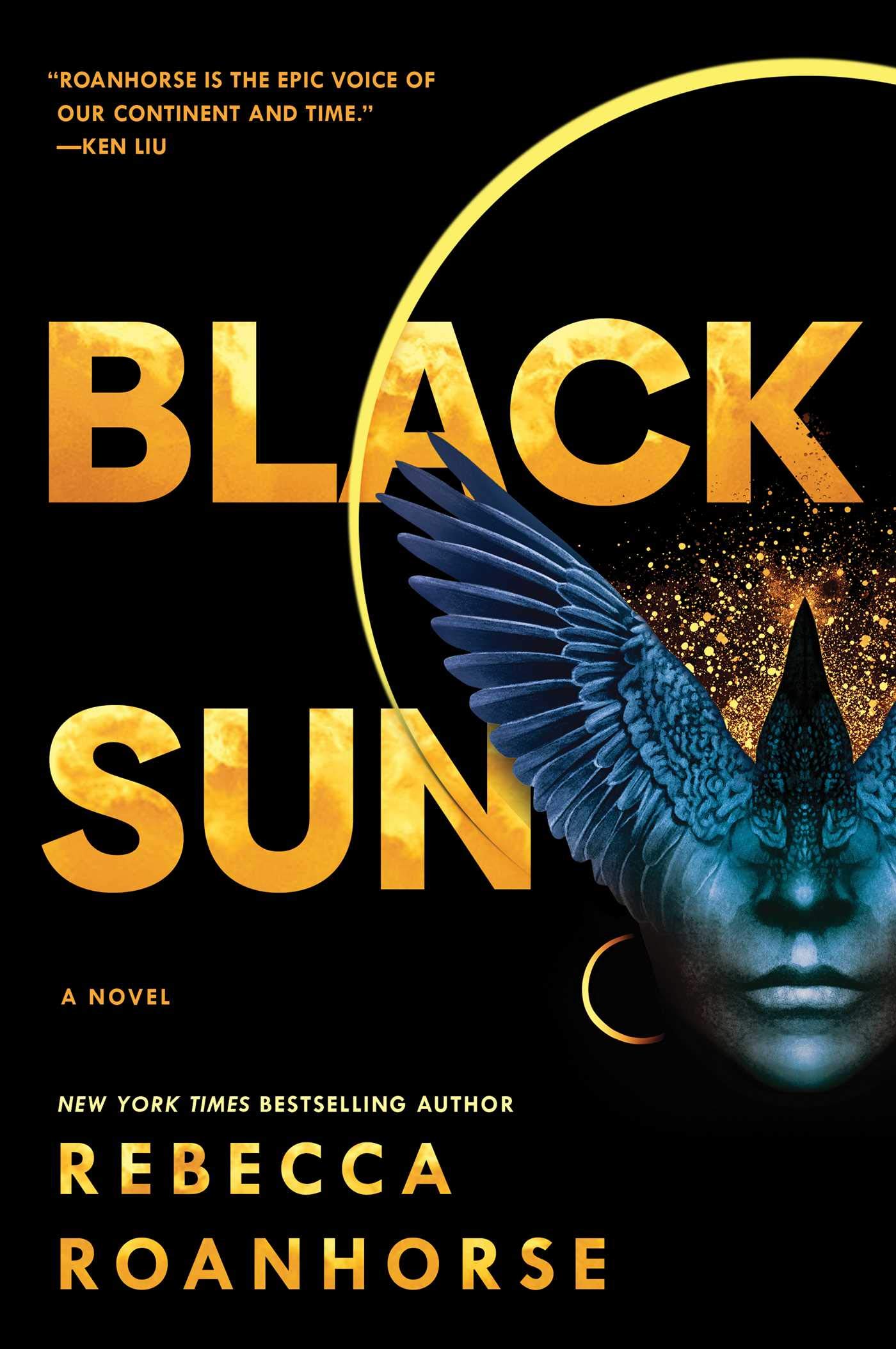
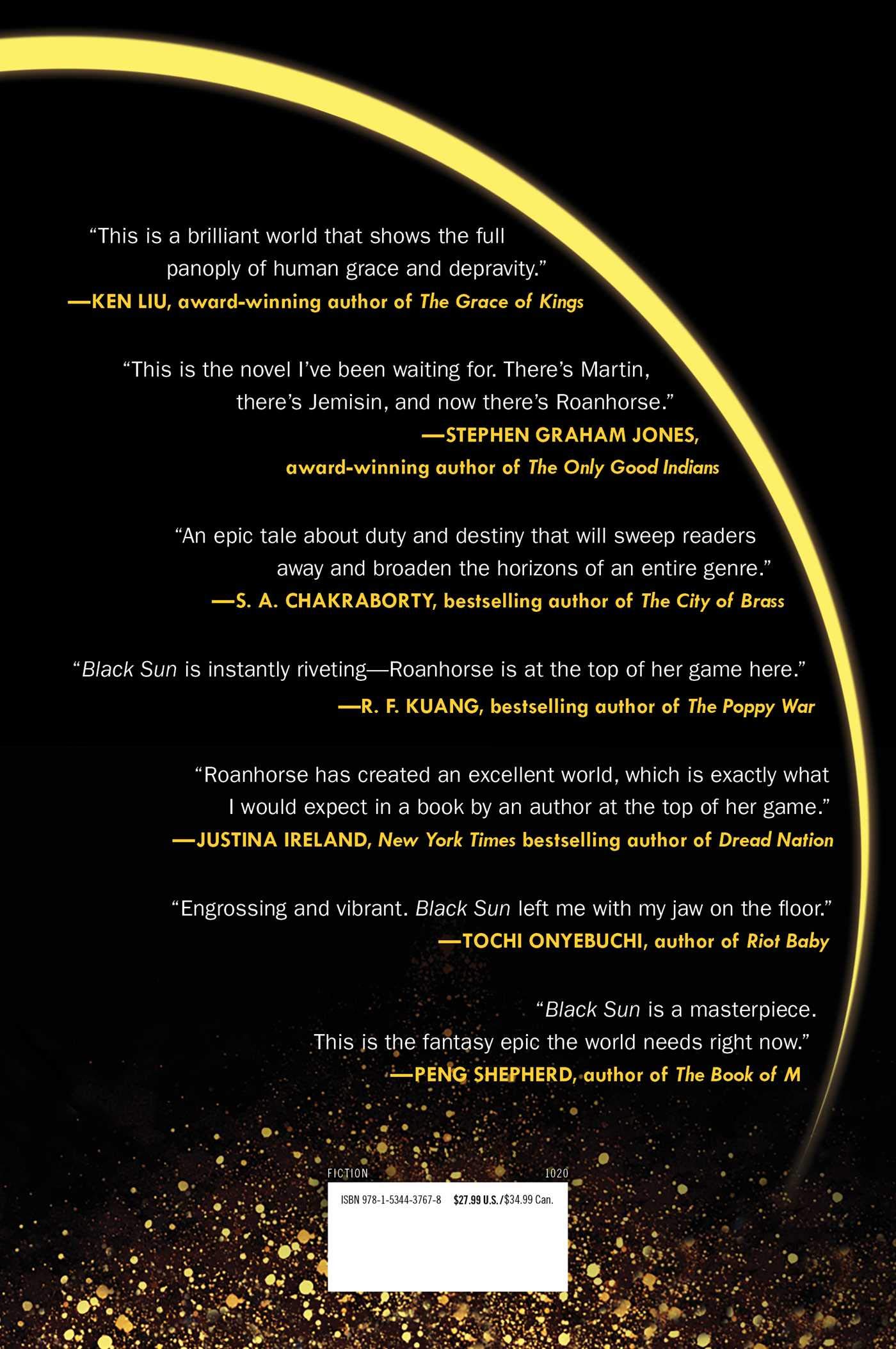
Black Sun-small Black Sun-back-small

Black Sun by Rebecca Roanhorse (Saga Press, October 2020). Cover by John Picacio

Rebecca Roanhorse burst on the scene in 2018 with her debut novel Trail of Lightning. I remember pretty vividly because my own debut The Robots of Gotham was released the same month, and I watched in awe as Trail of Lightning outsold it by a comfortable margin — and then went on to be nominated for the Hugo, Nebula, and World Fantasy Awards, and won the Locus Award for Best First Novel. It was certainly humbling, but I’m still proud we were both part of the same June 2018 graduation class, and I’ve followed her career enthusiastically every since.

Her latest is Black Sun, the first book in the Between Earth and Sky trilogy, an epic of forbidden magic and celestial prophecy, set in an imaginary Pre-Columbian North America as it was before European explorers invaded. Here’s an excerpt from the review at Kirkus.

The winter solstice is coming, and the elite members of the sacred Sky Made clans in the city of Tova are preparing for a great celebration, led by Naranpa, the newly appointed Sun Priest. But unrest is brewing in Carrion Crow, one of the clans…. Meanwhile, a young sailor named Xiala has been outcast from her home and spends much of her time drowning her sorrows in alcohol in the city of Cuecola. Xiala is Teek, a heritage that brings with it some mysterious magical abilities and deep knowledge of seafaring but often attracts suspicion and fear. A strange nobleman hires Xiala to sail a ship from Cuecola to Tova. Her cargo? A single passenger, Serapio, a strange young man with an affinity for crows and a score to settle with the Sun Priest. Roanhorse’s fantasy world based on pre-Columbian cultures is rich, detailed, and expertly constructed… A beautifully crafted setting with complex character dynamics and layers of political intrigue? Perfection. Mark your calendars, this is the next big thing.

Black Sun was published by Saga Press on October 13, 2020. It is 454 pages, priced at $27.99 in hardcover and $11.99 in digital versions. The cover is by John Picacio. Listen to an audio excerpt or read the complete first chapter at the Simon & Schuster website.

See all our recent New Treasures here.

Vintage Treasures: The Trail of Cthulhu by August Derleth

Vintage Treasures: The Trail of Cthulhu by August Derleth

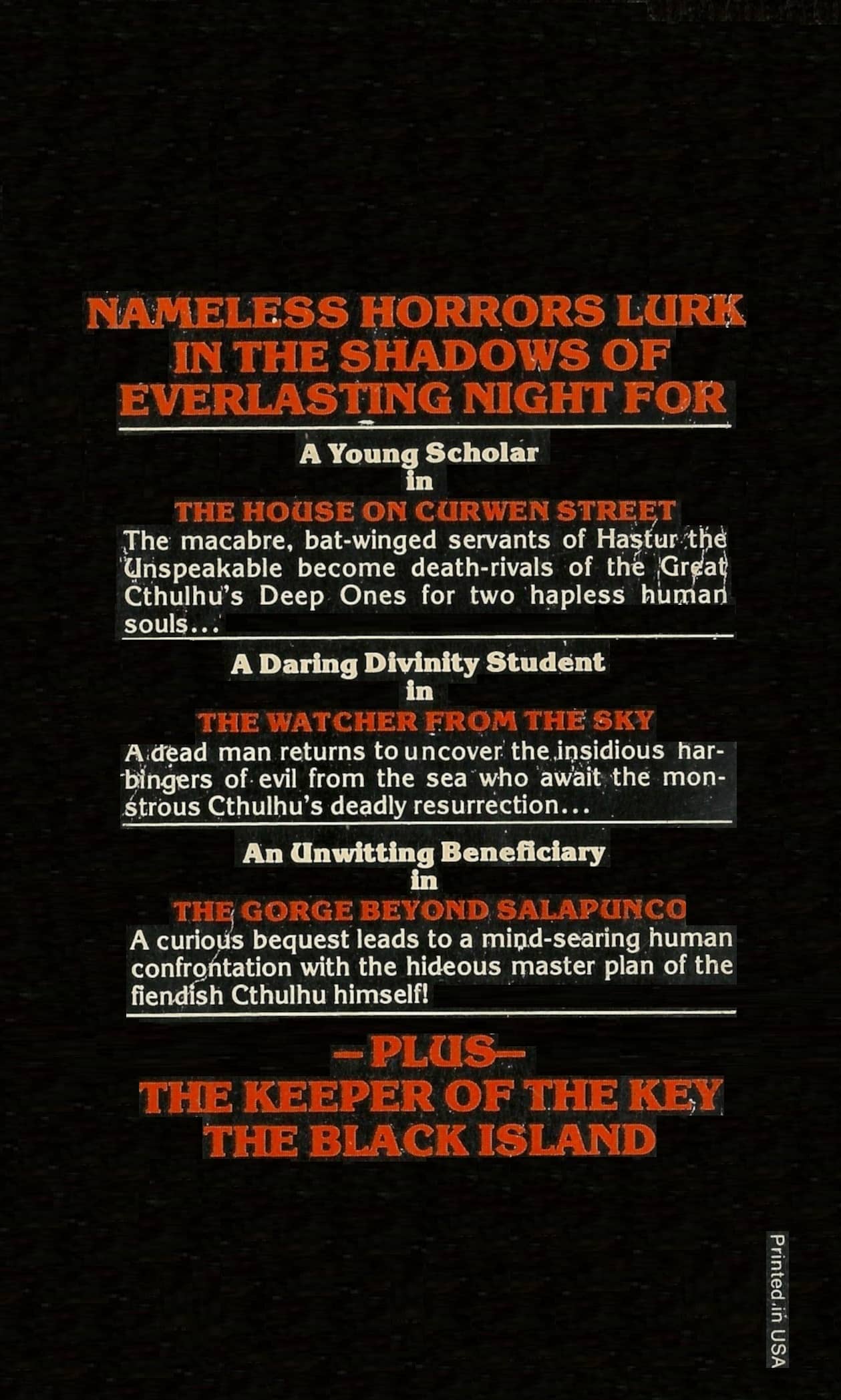
The Trail of Cthulhu-small The Trail of Cthulhu-back.jpg-small

The Trail of Cthulhu by August Derleth (Ballantine, 1976). Cover by Murray Tinkelman

August Derleth is revered among modern fans chiefly for his singular accomplishment: founding Arkham House to publish H.P. Lovecraft. The fact that Lovecraft, who remained obscure throughout his life and was published solely in low-circulation pulp magazines like Weird Tales, is remembered at all is arguably due to the tireless efforts of Derleth and his fellow editors, who reprinted Lovecraft in quality hardcover editions and brought his work to a wider audience.

Derleth was also a prolific writer, and here his reputation is less steller. He chiefly wrote what we’d call Lovecraft fan fiction today, and his adventure-themed tales were often very far removed from the cosmic horror tone of his idol. Perhaps his most popular story cycle was The Trail of Cthulhu, a series of interconnected stories that chronicle the heroic struggles of Laban Shrewsbury and his associates against the Great Old Ones, especially Cthulhu. Perry Lake at Goodreads has a fine (and very concise) review.

Derleth never really understood Lovecraft’s mythos, with a cold, unfeeling universe and humanity as an afterthought. But Derleth did understand a derring-do adventure with good guys versus bad guys, and that’s exactly what he wrote here. Laban Shrewsbury is probably the only real hero in the Mythos and in him we see the terrible costs of staring into the Void. This book is a treat for all fans of the Cthulhu Mythos.

Hugo Negron offers a counterpoint that’s a little harsher, but equally on target I think.

…

Read More Read More

Corum and Me:  The Redemption of the Scarlet Robes

Corum and Me:  The Redemption of the Scarlet Robes

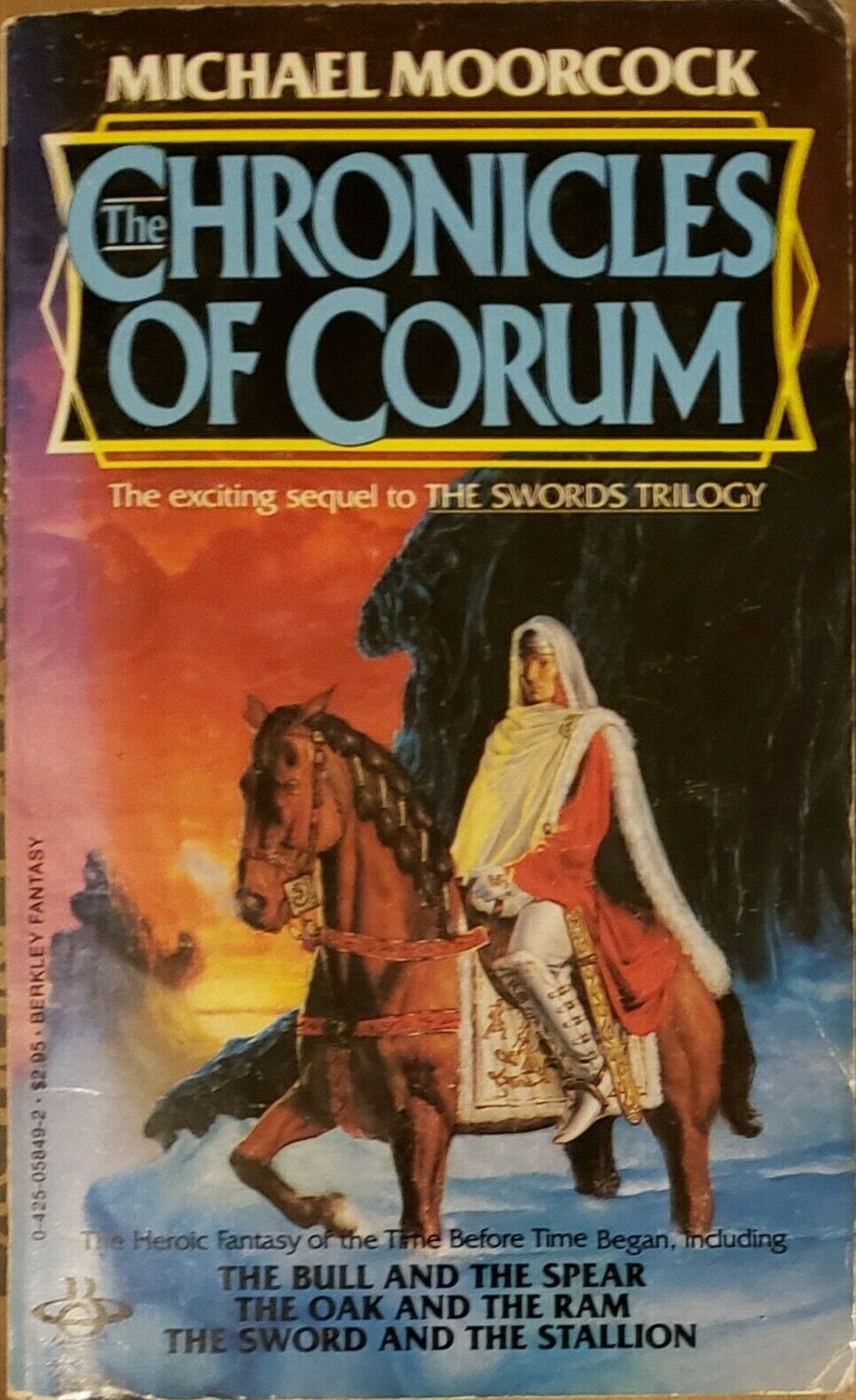
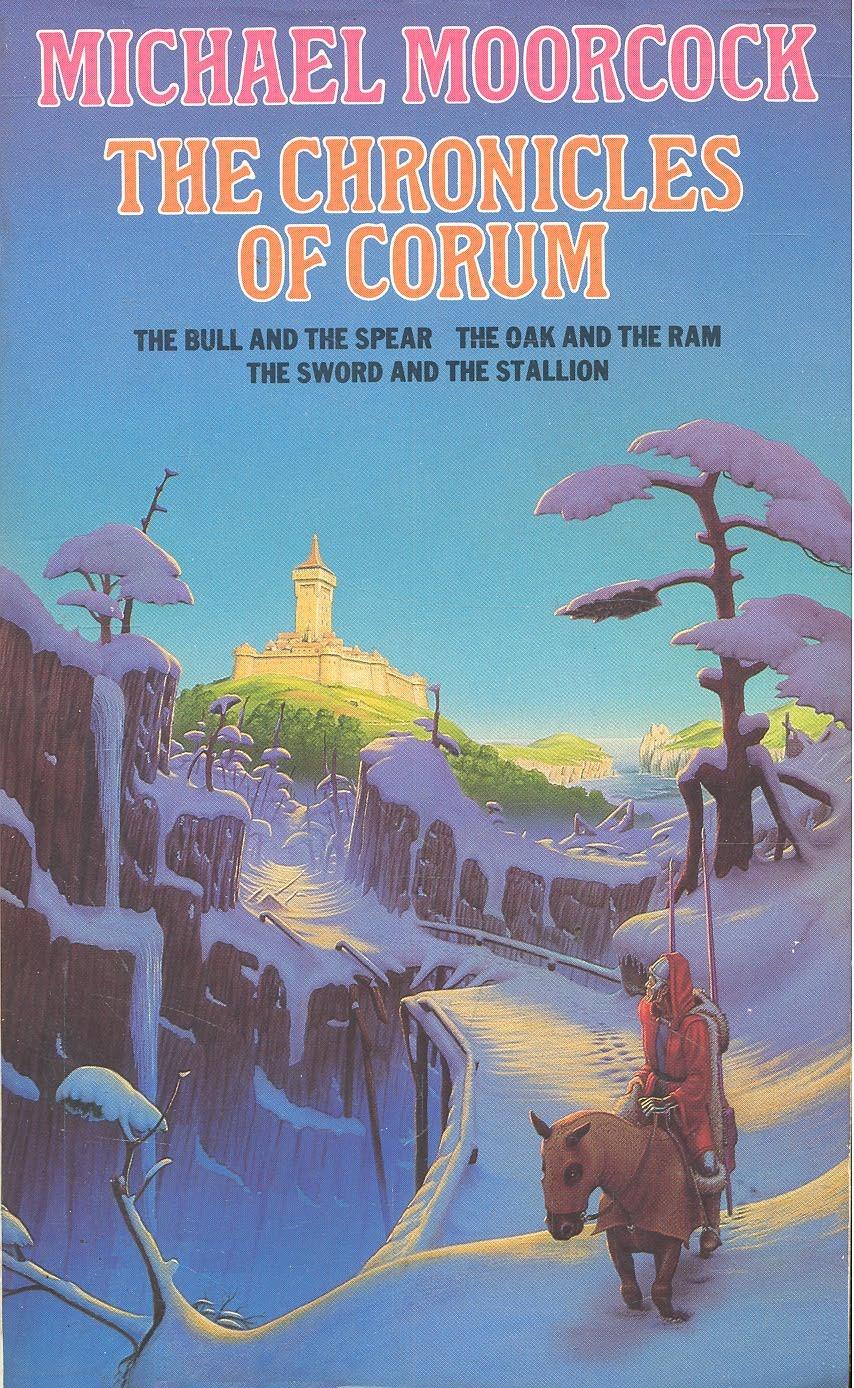
The-Chronicles-of-Corum-Berkley 2-small The-Chronicles-of-Corum UK-small

The Chronicles of Corum, Berkley Medallion (1983, artist uncredited) and Grafton (1987, Mark Salwowski)

In late 2017 I published an article at Black Gate called Elric and Me, in which I discussed revisiting Michael Moorcock’s most famous creation. Three years later, I’ve decided to revisit another of his creations, Corum Jhaelen Irsei, the Prince of the Scarlet Robe. Recently I published the first half of the essay, Corum and Me: The Disappointment of the Swords, which discussed my reaction to the first trilogy of Corum novels, frequently called The Swords Trilogy and comprised of The Knight of the Swords, The Queen of the Swords, and The King of the Swords. I came away from the trilogy disappointed and not looking forward to the follow-up trilogy, for my fond memories of Corum were rooted in the first trilogy. (Greg Mele presented a thoughtful counter argument here, in In Defense of Corum, Elric’s Brother-from-a-Vadhagh-Mother.)

The second trilogy, The Chronicles of Corum, including the novels The Bull and the Spear, The Oak and the Ram, and The Sword and the Stallion, is set centuries after the first. It opens several decades after The King of the Swords. Corum’s love, the Margravine Rhalina, has died and he is living an empty existence, occasionally kept company by his companion Jhary-a-Conal.

Suffering from dreams in which people are calling him, he discusses the situation with Jhary-a-Conal, who has a greater than typical understanding of the way the multiverse works. Jhary-a-Conal explains that Corum is being summoned by Rhalina’s distant descendants who are in need of a hero. Their calls are getting weaker as Corum continues to ignore them but if he chooses to go to their aid, it is not too late. Being a hero and an aspect of the Champion Eternal, Corum allows himself to be dragged into his future.

…

Read More Read More

New Treasures: Agent of the Imperium by Marc Miller

New Treasures: Agent of the Imperium by Marc Miller

Agent of the Imperium Marc Miller-smallMarc Miller created Traveller back in 1977, and over the last forty years it’s become pretty much the de facto science fiction role playing game. It’s certainly the one to beat, anyway.

A few years back Marc Miller launched a Kickstarter to fund the publication of the Traveller novel Agent of the Imperium. It was a huge success. raising $35,113 from 970 backers, and the book appeared in 2015. Like most Kickstarter-funded book projects however, it’s early success didn’t immediately translate into a lot of readers.

Baen Books is hoping to rectify that with a 2020 reissue, which arrived this week in a handsome new trade paperback edition. Here’s an excerpt from Shannon Appelcline’s thoughtful review at RPG.Net.

Jonathan Bland is a dead man, but he lives on in a technological wafer that allows him to exist again for 30 days at a time as an Agent of the Imperium. When called upon, he continues the work of the Imperial Quarantine Agency — which as often as not requires the scrubbing of dangerous planets. Jonathan Bland is a dead man, but that doesn’t mean he’s stopped learning… The threats of Agent of the Imperium include rogue robots, virulent diseases, and psionic infections, but at its core it’s a journey into the heart of a man who lives the most unusual life imaginable….

Agent of the Imperium is a troubleshooter novel, much like the Retief series (1967+) that Miller has listed as an influence on Traveller. Here, you can see the connection; where Keith Laumer wrote silly tales of a diplomatic troubleshooter, Miller instead offers the serious and sometimes grim tales of a quarantine troubleshooter in the Official Traveller Universe….

It is surprising that Marc Miller is able to incorporate so many elements of the Traveller universe in such an effortless, organic way. Vilani, psionics, newts, stasis globes, Geonee, naval officers, Threep, and amber zones. They’re all here, and they never feel gratuitous. Somehow, Miller is able both to fill Agent of the Imperium with the wonders of the Third Imperium and to convince us that he had to include those many and varied elements to give us the complete story…. Agent of the Imperium also does a great job of depicting Traveller‘s history. Because his book is set so far before the Golden Age, Miller is able to easily introduce historic elements such as the Frontier Wars and the Emperors of the Flag that could be backstory for any Traveller game… At the same time, Miller also foreshadows some of the future problems of the Imperium — great mysteries from the final days of the classic game. It’s an impressive (and surprising) trick.

Agent of the Imperium was published by Baen Books on November 3, 2020. It is 368 pages, priced at $16 in trade paperback and $8.99 in digital formats. The cover is by Alan Pollack. Read a generous sample at the Baen website.

See all our recent New Treasures here.

Vintage Treasures: The Calling of Bara by Sheila Sullivan

Vintage Treasures: The Calling of Bara by Sheila Sullivan

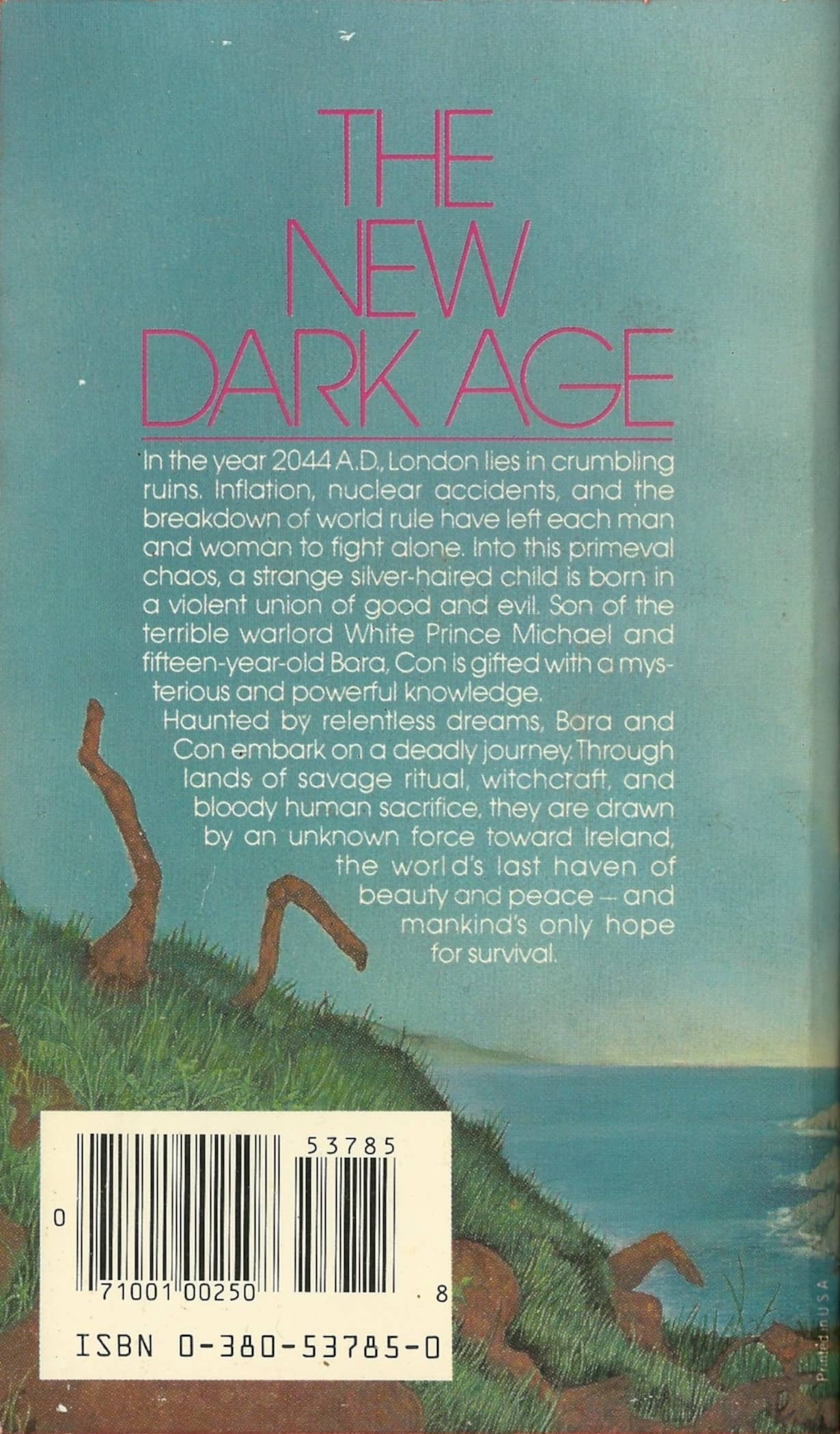
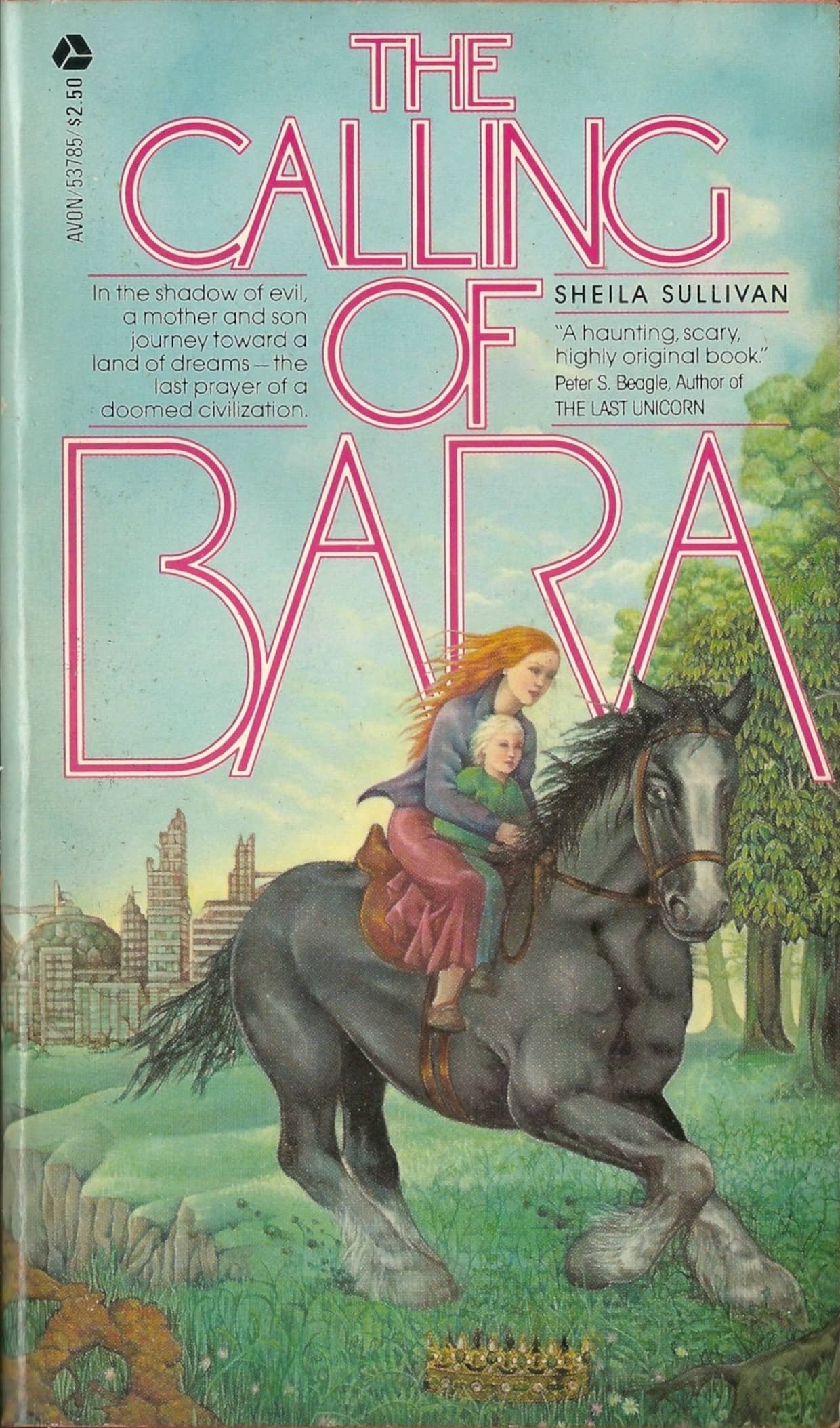
The Calling of Bara-back-small The Calling of Bara-small

The Calling of Bara (Avon, 1981, cover uncredited)

I like to use my Vintage Treasures columns to highlight overlooked classics of SF and fantasy, or books that mean something special to me. But every once in a while I’ll stumble on a complete mystery, a book I’ve never previously come across in over four decades of collecting. Are these titles worth showcasing? Of course they are! You even have to ask?

Which brings us to The Calling of Bara, a 1981 Avon paperback I found in a collection I bought on eBay over the summer. Never seen it before, and never heard of the author, Sheila Sullivan, either. But it’s clearly dressed up as a mainstream fantasy — and it even has an enthusiastic blurb on the cover by the great Peter Beagle (“”A haunting, scary, highly original book.”) Plus, it’s got a post apocalyptic, ruined-Earth vibe, and that’s a plus. That was enough to send me on the hunt for online mentions, and eventually I found this 40-year-old Kirkus Review in the faded memory banks of an old Univac machine at the U. of I:

When Con, the child Bara bears in 2044 — after all 20th century western civilization had crumbled away — is five years old, Bara hears voices within her demanding she bring Con to Ireland. They are pursued by Con’s father, the savage White Michael, travel through wild lands and tribes, until, after being joined by Bara’s man Tam, they are welcomed in Ireland by the ruling class of telepaths which had called them. Con, with his unique powers, will one day head this elite who are debating whether or not to restore 20th century civilization, while the evil principle, White Michael, waits in the wings. Atmospheric and moderately involving if you haven’t been there before.

Atmospheric and involving… evil principle… crumbling ruins. What the hell, my needs are simple. I’ll try it.

…

Read More Read More

Samuel R. Delany on The Shores Beneath, edited by James Sallis

Samuel R. Delany on The Shores Beneath, edited by James Sallis

The Shores Beneath-back-small The Shores Beneath-small

The Shores Beneath (Avon, August 1971). Cover by Ron Walotsky

It’s been a good few weeks for obscure SF anthologies. Sunday I talked about the 50-year old Swords & Sorcery anthology Swords Against Tomorrow, which Alan Brown at Tor.com unexpectedly reviewed recently. And two weeks ago the great Samuel R. Delany posted this on Facebook, about James Sallis’ long-forgotten 1971 anthology The Shores Beneath, which collected four tales by Delany, Thomas M. Disch, John Sladek, and Roger Zelazny.

This 1971 collection of four long stories is a collection that made me very happy to be in — though all the stories have been reprinted, it never got the introduction that the editor had promised when he first sold the idea of the book to Avon. I wonder if that has anything to do with why the book was never reprinted.

“The Asian Shore” [by Disch] is an upsetting tale about racism again Muslims. [Zelazny’s] “The Graveyard Heart” is an SF vampire tale. To flip through [John Sladek’s] “Masterson and the Clerks” is to encounter a text that looks just like Aeolus chapter in Ulysses — and to read it is to realize it presents the same theme. The extra information about my own story is actually on the back — it won a Hugo Award (and a Nebula) which is probably why it also got the wonderful Walotsky cover. But might it have [helped] to add that it was a fairly early tale about same-sex desire…? Might even that much extra information have kept the collection itself in print for more than the year it was widely available?

The book dates from the time when Zelazny and I had the same agent — and when Avon was doing some of the most literary books in English. (I assume the in-house editor on the book was George Ernsberger, if not Peter Mayer himself.)

The saddest words of tongue or pen
Are the words “it might have been.”

The Shores Beneath was published by Avon Books in August 1971. It is 192 pages, priced at $0.75. The cover is by Ron Walotsky. It has never been reprinted, and there is no digital edition. See all our recent Vintage Treasures here.