I’ve lived in Latin America, visited Asia, parts of Europe, and even been part of the Canadian Foreign Service. I can’t say I understand our neighbors to the south. (I only recently discovered that ‘Bless your heart’ is an insult.) But I’m doing my best to cross the cultural barriers between Canada and the States because as my writing career continues, more and more of my social and professional group is in the US. Writers. Agents. Editors. Friends.
Recently, when Mishell Baker was visiting, I demonstrated how Canadian milk works and when the time came to open a new bag, gave her the chance to try. When Analog editor Trevor Quachri was visiting, I made sure to show him the bear sculpture and show him beaver tails.
But on an ongoing basis, now that I have a New York literary agent, I do my best to provide her with as much information as possible about how to best handle a Canadian client. I’m aware that what is normal for me might not be normal for her, so I send her videos and articles.
Alex Bledsoe was born on February 3, 1963. His story “The Big Finish” appeared in the June 1998 issue of Crossroads and his first novel, The Sword-Edged Blonde, which kicked off the Eddie LaCrosse series, was published in 2007. To date, the series includes five novels and a short story. He co-wrote the novel Sword Sisters with Tara Cardinal.
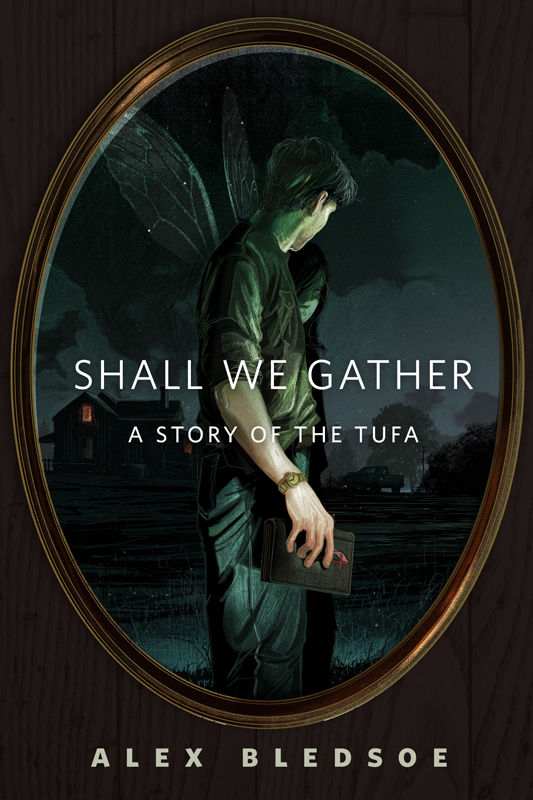
“Shall We Gather” was purchased by Paul Stevens for Tor.com, appearing on May 14, 2013. At the same time, it was released as an e-chapbook by Tor.com, and would later be included in the e-anthology The Stories: Five Years of Original Fiction. It is part of his Tufa series, which began with the novel The Hum and the Shiver and continued through five additional novels, with The Fairies of Sadieville scheduled for an April release.
“Shall We Gather” is set in eastern Tennessee in Bledsoe’s mythical Cloud County, where a fantastic race, the Tufa, have lived since before the coming of the Native Americans. Akin to Celtic fairies, the Tufa do not permit any churches to be built in the county, where most inhabitants have at least some Tufa blood.
When Old Man Foyt, one of the few humans who lives in Cloud County, is dying, he requests that Methodist minister Craig Chess attend to him to help him pass to the other side. After checking with his girlfriend, a Tufa, to ensure that his presence won’t offend the Tufa, Chess travels to help ease Foyt. Before he can enter the house, however, he is approached by Mandalay Harris, a powerful Tufa, who wants him to find out from Foyt whether the Tufa will face the same God as Christians upon their death. She believes that since Foyt has lived his entire life in Cloud County, something of the Tufa has infiltrated him and he might be able to share the answer with Chess at the moment of his death.
Despite Chess’s trepidation about entering Cloud County to perform in his capacity as a minister, all of the interactions between him and the Tufa or humans are completely amicable. The way Harris phrases her question for Foyt is interesting and seems Christiancentric rather than assuming a central place of her own race in her worldview.
Yevgeny Zamyatin (originally Евгений Замятин) was born in Levedyan, Russia on February 1, 1884. He was an early supporter of the Bolshevik Party, joining them before the Russian Revolution of 1917, but he grew disillusioned with their policies following the October Revolution. In 1921 he wrote the essay “I Am Afraid” and also published his major science fiction novel, We (Мы), which became the first work of fiction banned by the Goskomizdat, the Soviet censorship bureau.
The novel was first published in English in 1924 and received a Prometheus Hall of Fame Award in 1994. In 1931, Zamyatin appealed to Joseph Stalin, the General Secretary of the Communist Party and was granted permission to emigrate to Paris, where he died in poverty from an heart attack on March 10, 1937.
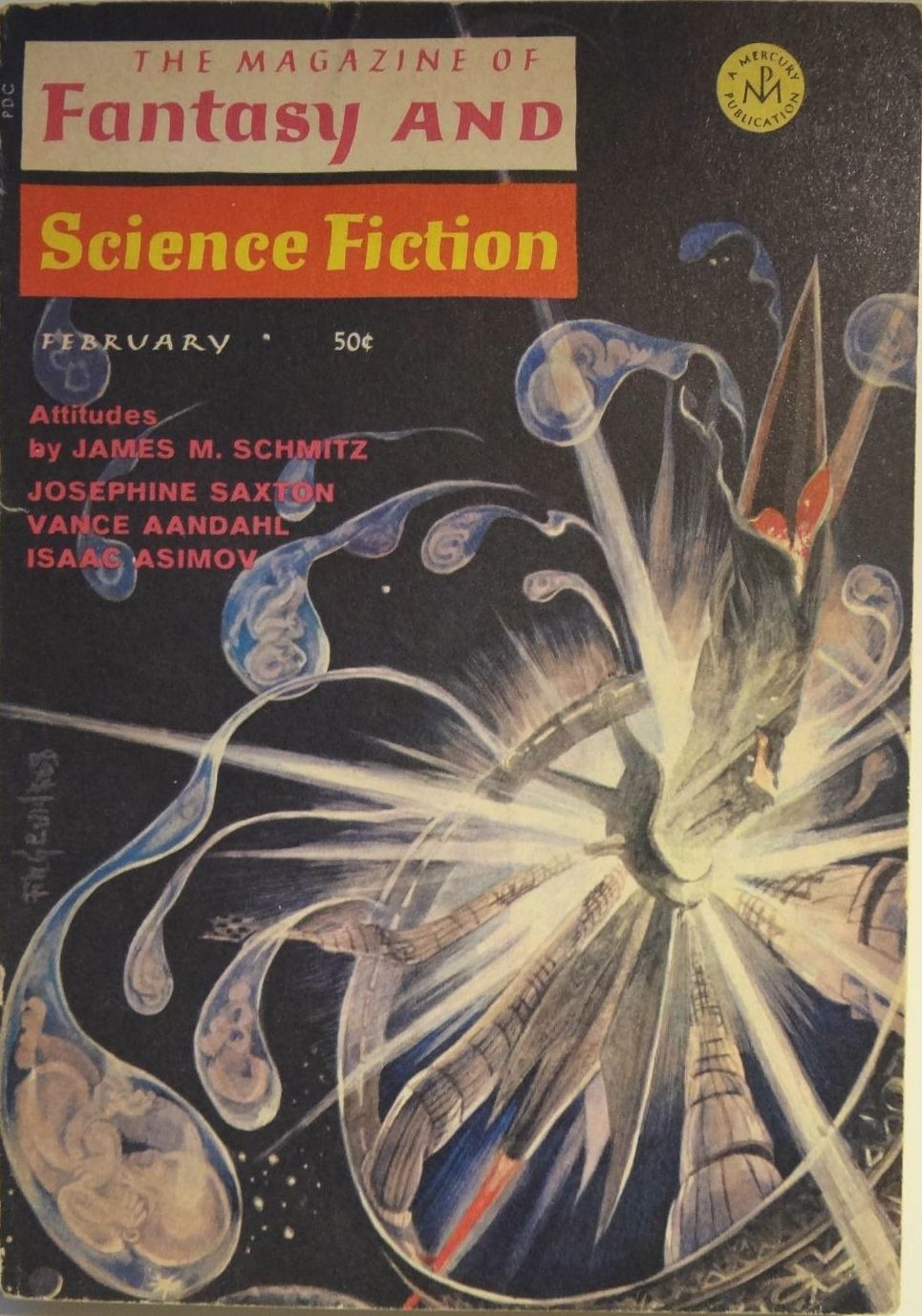
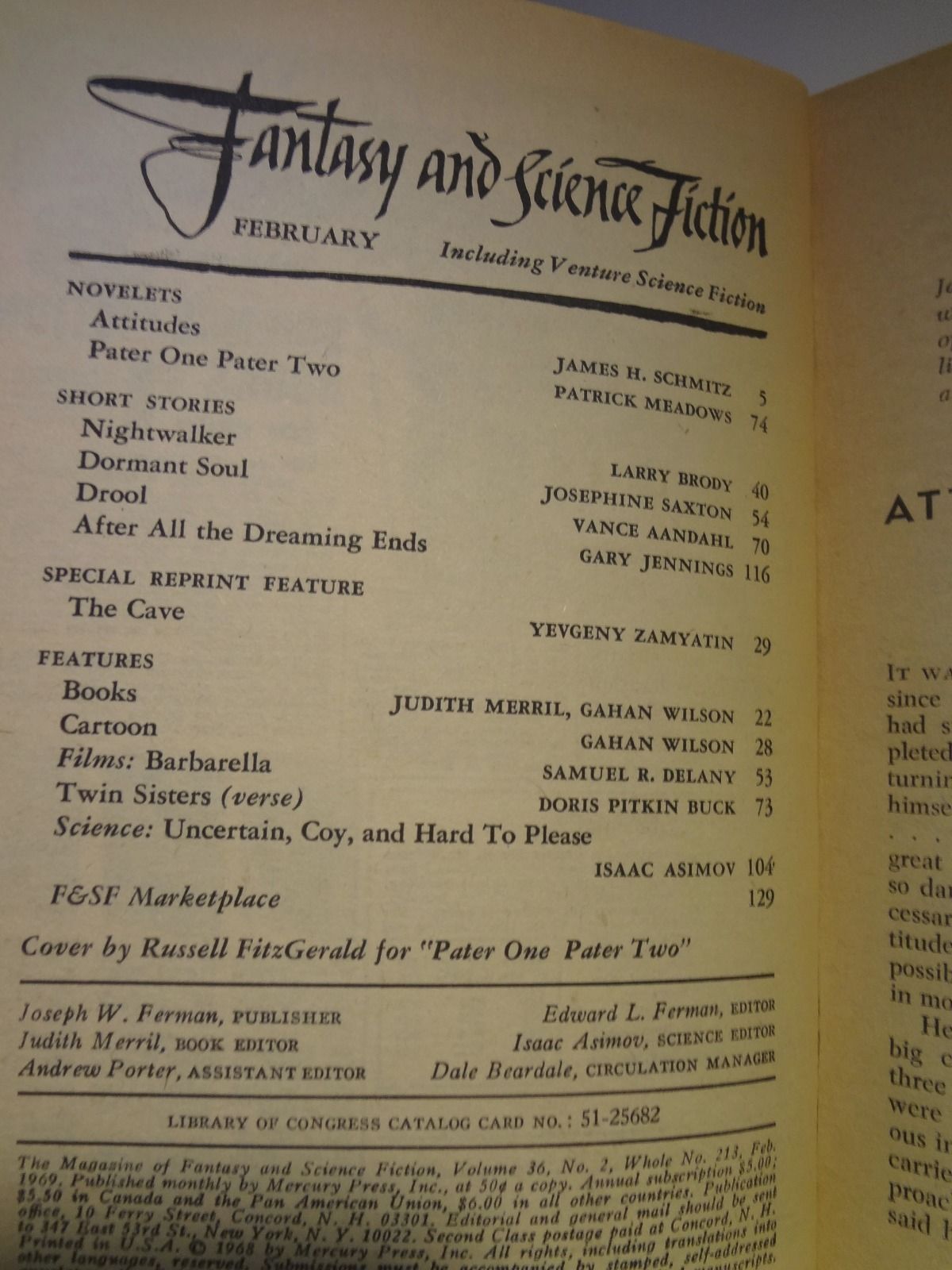
Zamyatin’s story “The Cave” (“Пещера”) was originally published in Russian in 1922, and reprinted in English in the February 1969 issue of The Magazine of Fantasy and Science Fiction. In Russian the work was seen as focusing attention on the everyday man when they were still trying to establish the Communist State. The story was also seen as a direct challenge to the ideals of the Revolution which Zamyatin has supported only five years before.
Four years ago, I posted an explanation of what I’m trying to do with my reviews for Black Gate. My stated goal was, and remains, to be someone who says to readers, “Here’s a book I think you’ll get a kick out of.” There were several people who did that for me, turning me on to books and authors I still hold dear, and I want to do that for others. Like most fans of something, I want to convince people the things I like are worth their time and are still relevant.
It can be hard to pierce the barrier built of cultural noise, the vast wealth of new fantasy being written every year, and the simple passage of time, and convince someone a book that’s fifty years old or more is worth his time. Pop culture reflects the larger society that produces it, and people want to see their concerns and interests in it. That people still read Sir Arthur Conan Doyle and Robert E. Howard more than eighty years after both their deaths, though, tells me it’s not a hopeless battle.
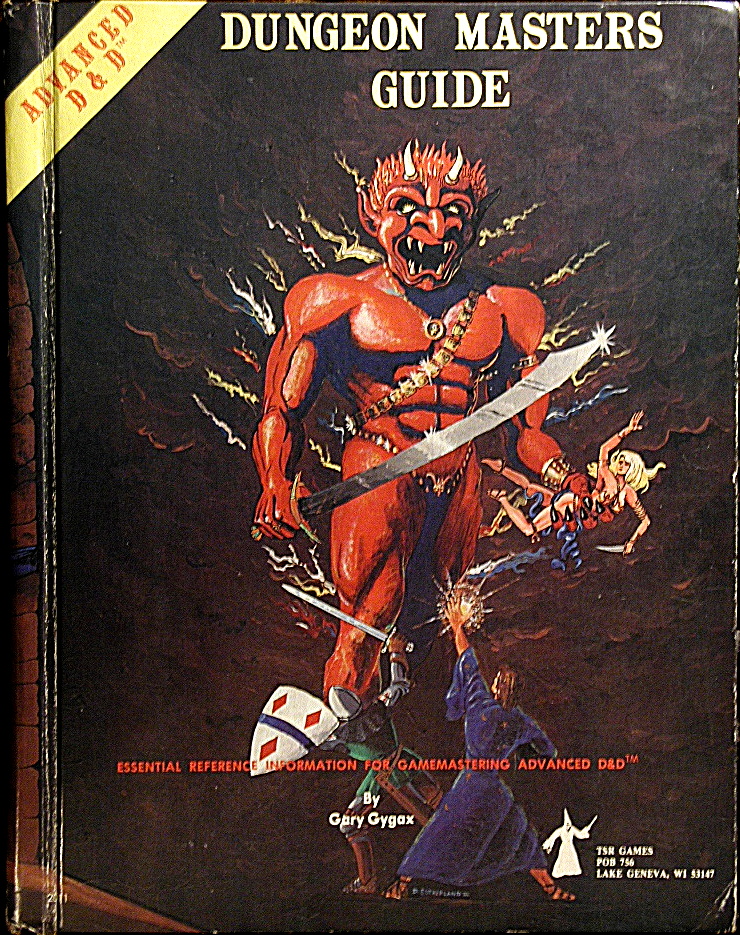
I’m not the only person doing this, not by any stretch of the imagination. Of particular interest has been the wealth of discussion about Appendix N that has taken place over the past five or six years on message boards, blogs, and podcasts. For the two of you who don’t know what Appendix N is, it’s a quirky list of fantasy and sci-fi books that inspired Gary Gygax, the primary creator of D&D. There are few works on it I haven’t got to, though I was recently taken to task for my negligence of A. Merritt.
The list was in the Dungeon Masters Guide. Back in the day, it didn’t mean too much to me, only because I’d already read most of the authors on the list, and so had most of my gaming friends. Still, it was cool to see Gygax liked the same books we did. Because so much of the present Appendix N conversation has tended to focus on gaming, something I don’t do anymore, I’ve mostly just listened. Other than a couple of conversations about individual books, I’ve sat off to the side.
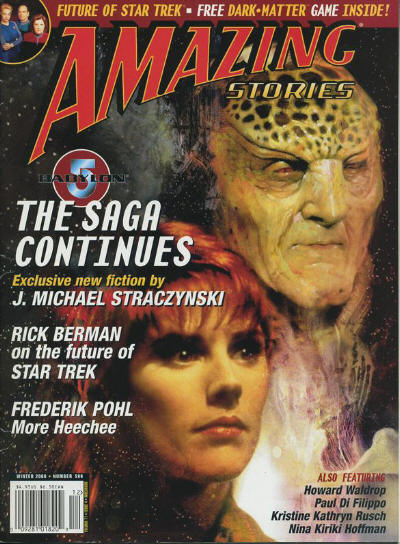
Monte Cook was born on January 29, 1968. Cook has mostly focused his attention on the gaming sector, working for Iron Crown Enterprises on Rolemasterand Championsbefore moving to TSR, where he designed the game Dark•Matter.
After TSR was purchased by Wizards of the Coast, he was put in charge of the 3rd edition of Dungeons and Dragons. He left Wizards of the Coast and eventually started Malhavoc Press and published game supplements. Cook eventually founded another gaming company, Monte Cook Games.
“Born in Secrets” was published in the January 2000 issue of Amazing Stories, edited by Kim Mohan. The story is set in the world of Dark•Matter and the magazine had an essay about the game published alongside the story. Cook would publish a novel, Of Aged Angels, set in the same world the next year.
“Born in Secrets” tells the story of Jessie Campbell and Lewis McAndrews, two hydrogeologists working on a lengthy assignment in South Dakota when they stumble across an old sod house in the desert. Taking a break from their more pedestrian duties, and at Jessie’s urging, they explore the building and find some rusted tools and an old engraving metal platter.
Intrigued by their discovery, Lewis uses the internet to try to figure out what the German engraving means. Although he isn’t able to translate the entire thing, he does come across a reference to “Ministers of the Mind” and tries to learn what he can, sending e-mails to various websites. The few responses he receives are anything but enlightening and he shares them with Jessie before they abandon the mystery to return to their work.
Eventually, they are contacted by people who are tied to the Minsters of the Mind and learn that most of their wild speculations were true. They are now hosts to a second consciousness, which the Ministers believe is the next step in evolution.
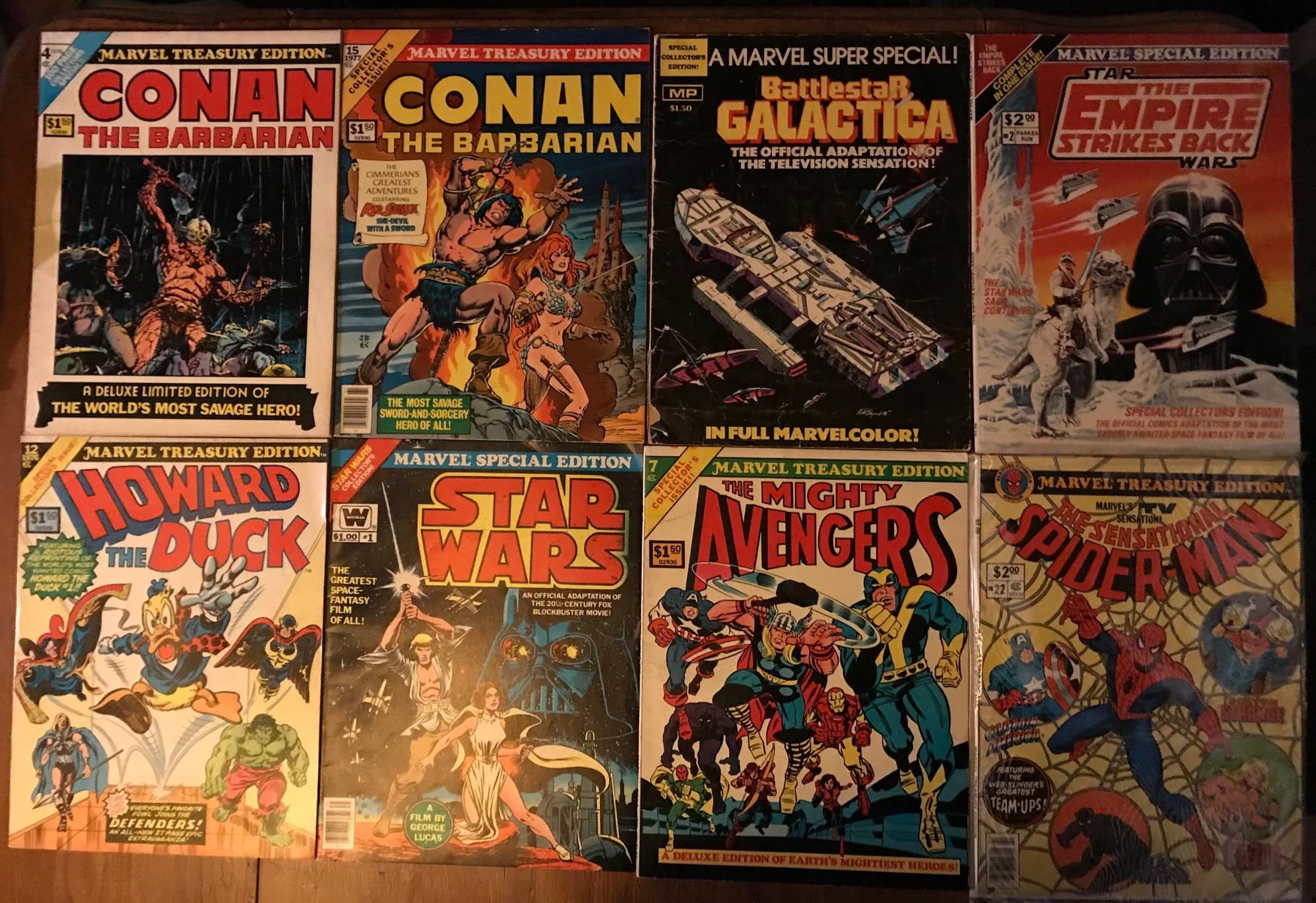
Ex-size-ior! Few things give me an exhilarating rush of childhood more than a Marvel Treasury Edition.
I see one and suddenly I’m five years old again, sprawled on the shag carpet by the bedroom door when I’m supposed to be asleep, that ginormous comic book spread out in front of me like a Life Magazine, surreptitiously turning the newsprint pages and delving into the four-color wonders of Spider-Man fighting a guy with a stegosaurus head or the Avengers flying across the sky to do battle with various nemeses or Conan hewing villains to rescue a curvaceous damsel.
Popular in the 1970s, Treasury Editions were mostly just reprints on Super Growth Hormone. They were, in a way, precursors to graphic novels: Each edition collected three or four comics from a series, sometimes with some new material thrown in.
Measuring 10” by 13”, they were striking. Part of the appeal to a younger reader would be the pictures are all bigger and more easily digested. I remember “reading” them before I could really read.
Parke Godwin was born on January 28, 1929 and died on June 19, 2013. He received the World Fantasy Award in 1982 for his novella The Fire When It Comes. Godwin published the Arthurian novels Firelord, Beloved Exile, and The Last Rainbow as well as the Robin Hood novels Sherwood and Robin and the King. His Snake Oil series was a religious satire. He co-wrote the novels The Masters of Solitude and Wintermind with Marvin Kaye.
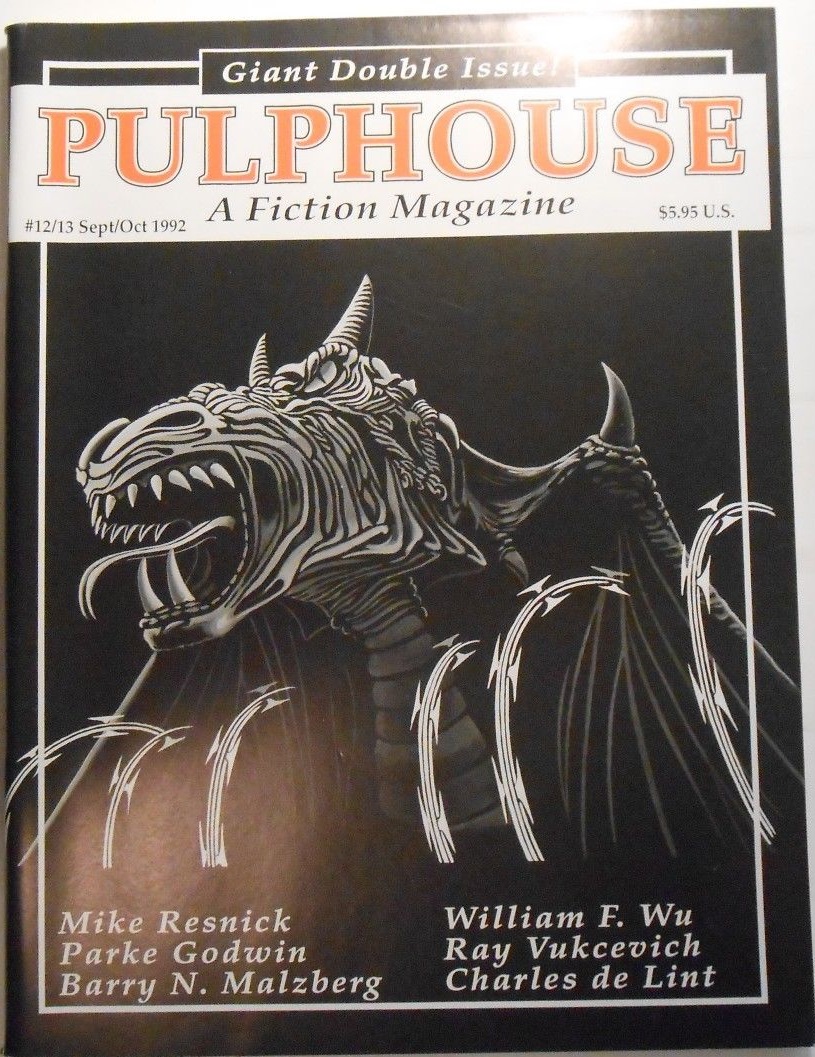
“The Night You Could Hear Forever” has only appeared in its original publication, the September/October 1992 issue of Pulphouse: A Fiction Magazine, edited by Dean Wesley Smith.
“The Night You Could Hear Forever” isn’t really a science fiction story, except in the way it describes the way people use technology. Its viewpoint character is located in Truckee, California and when he can’t sleep at night, he signs onto his ham radio equipment.
On the night Godwin describes, the atmospheric conditions are perfect and he is able to connect with other ham operators located in New Jersey, Utah, and Mississippi, each of whom are known to each other on the radio, but not in person, and only by the names of their states. In many ways, their relationship mirrors many relationships people now have online. Although the characters all have very different political views and backgrounds, they are able to remain friends, even as they disagree.
Unlike the online medium, using their voices allows them to get additional context and humanizes them. As they discuss the problems with the state of the country, they are joined by a new voice, from Maryland, who has not joined their nightly rap sessions, although Utah thinks the voice is familiar. Today’s world is mirrored in this story, although the technology has changed tremendously. The internet, however, causes anonymity without the sound of voices and inflection, so the friendship Godwin’s characters have managed to build despite their differences seems rarer in the modern era.
Philip José Farmer was born on January 26, 1918 (Happy Centennial, Phil!) and died on February 25, 2009. In 1953, he received one of the inaugural Hugo Awards for Best New Author or Artist (a forerunner to the John W. Campbell, Jr. Award). He would win the Hugo again in 1968 for his novella “Riders of the Purple Wage” and in 1972 for his novel To Your Scattered Bodies Go. Farmer was the Guest of Honor at Baycon, the 1968 Worldcon in Oakland.
His lifetime achievement awards include the World Fantasy Award and the SFWA Grand Master Award, both awarded in 2001. In 2003, he received the Forry Award and the First Fandom Hall of Fame Award. Farmer was known for expanding the science fiction field to include frank portrayals of sex with his novel The Lovers (Ballantine, 1961, expanded from the 1952 novella of the same title).
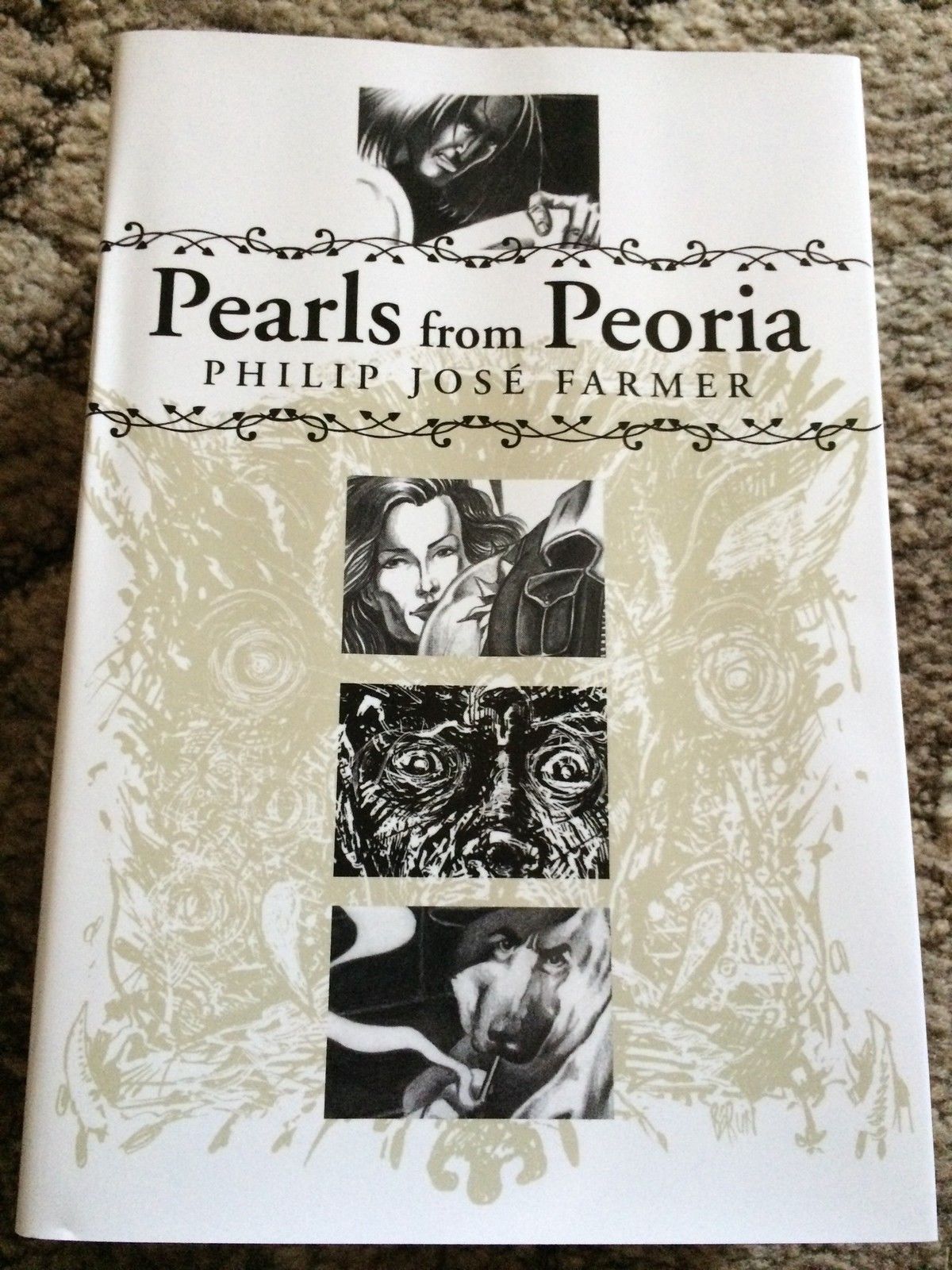
His story “The Rise Gotten” was written for an anthology Robert Bloch planned, but never published. The story saws its first publication in 2006 in the collection Pearls from Peoria, which collected previously published and unpublished works by Farmer.
“The Rise Gotten” is the story of a long-married couple who have fallen out of love, and merely survive in each other’s presence. Roger Baird’s impotence is a major sticking point for his wife, Rey, who either ignores him or denigrates him. Roger is just as happy ignoring his wife, whose alcoholic stupors make her less attractive to him even if he weren’t suffering impotence.
Their relationship, while sad, is completely mundane. Roger retreats to his study to get away from his wife and her sister’s drinking binge and turns his attention to the newspapers, which he reads and finds just as much horror as in the magazines, like Weird Tales, which form his pleasure reading. After his sister-in-law leaves and his wife suggests a cure for his impotence that worked for her brother-in-law, the story takes a decidedly dark turn. While part of the power of Farmer’s story comes from its ending, most of it comes from the sudden switch from a very mundane tale to Roger’s reaction to his years of humiliation by his wife.
Greg van Eekhout was born on January 25. His first story appeared in the anthology Starlight 3 and his first novel, Norse Code, in 2009. Van Eekhout was nominated for a Nebula Award for Best Short Story in 2005 for “In the Late December,” and received a Golden Duck nomination in 2011 for Kid Vs. Squid. In 2012, his novel The Boy at the End of the World was nominated for the Andre Norton Award.
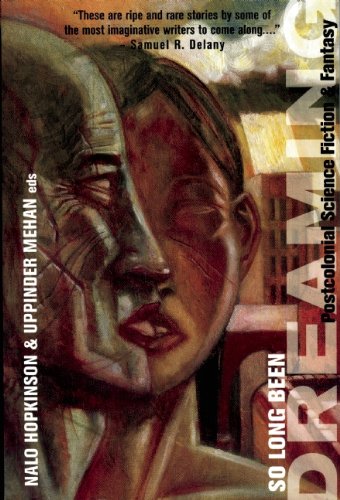
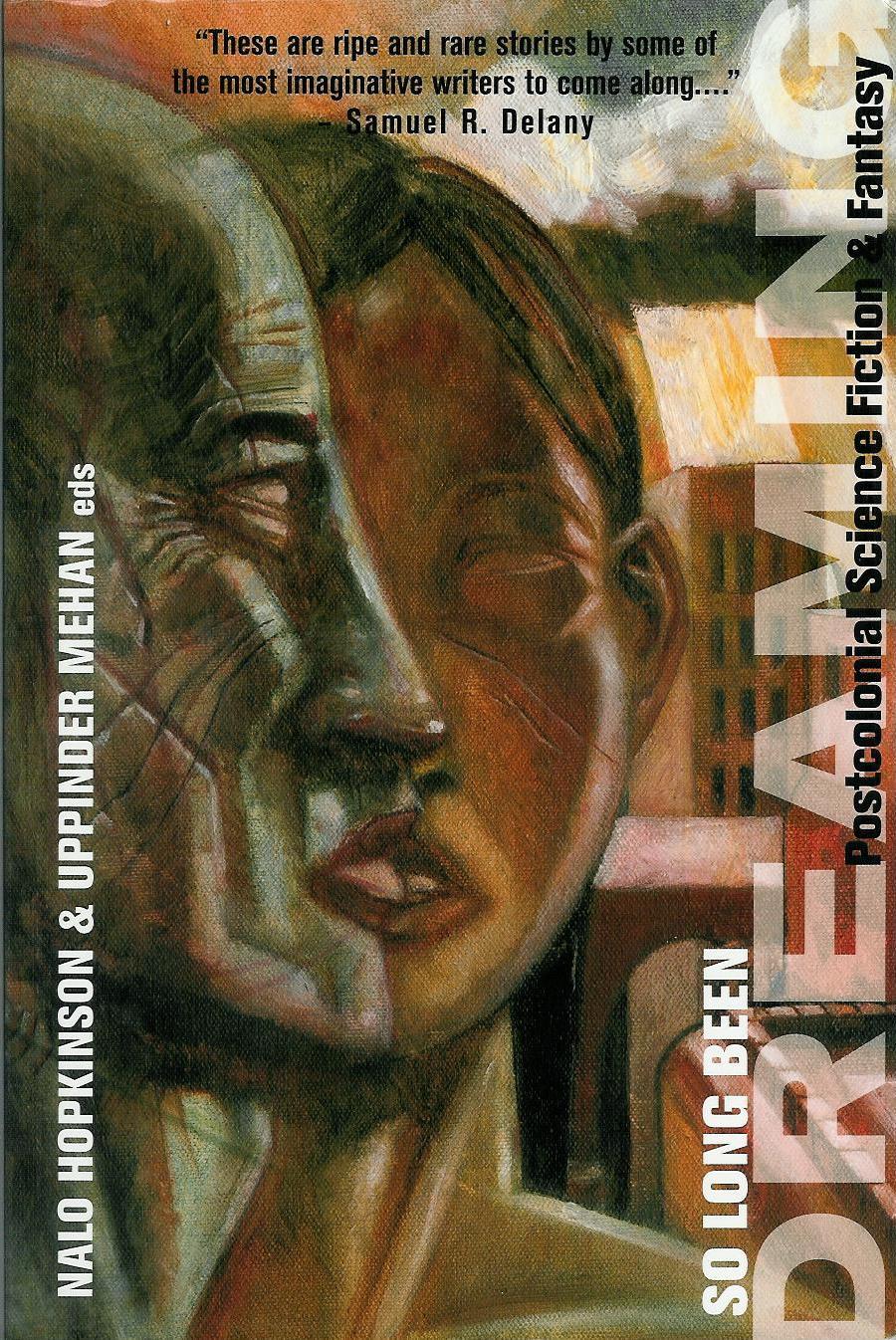
“Native Aliens” was originally published in 2004 in the anthology So Long Been Dreaming: Postcolonial Science Fiction and Fantasy, edited by Nalo Hopkinson and Uppinder Mehan. Van Eekhout included it in his collection Show and Tell and Other Stories two years later and it was reprinted again in 2013 in Aliens: Recent Encounters, edited by Alex Daily MacFarlane.
“Native Aliens” tells two stories in parallel. One focuses on a Dutch colonial family living in Indonesia in the 1940s. Although the family has been there for generations and has intermarried with the Indonesians, they still consider themselves Dutch even though Indonesia is the only home they’ve ever known. As a result the father is forced to run a gauntlet after the Indonesian Revolution in the second half of the 1940s.
The other story looks at a group of humans who have colonized the world of Breva and who are about to be sent back to Earth. While the Dutch family looks like Indonesians and only know life there, the humans on Breva have been genetically modified to resemble the Brevans, making their return to their native world that much more problematic.
While van Eekhout explores the Brevan-Terran plans to repatriate themselves to the planet of the ancestors, he simultaneously shows us the Dutch family’s attempts to assimilate into Dutch, and later American, culture. Van Eekhout offers an intriguing view of colonization and its effects by focusing on those who are native to the land but still identify with, or are identified as, the colonizing power, without having any experience with the land from which their ancestors came.
Perhaps most poignant is the tale of the son of the character who experienced upheaval in Indonesia and the Netherlands, whose attitude directly leads to the issue facing the Brevan-Terrans centuries later. Fourteen years after its initial publication, when the US government is discussing, or refusing to discuss, the plight of the “Dreamers,” the van Eekhout’s story seems more pertinent than ever.