The Kids Are Alright: The Fate of the Novel lies in the Hands of Teenagers
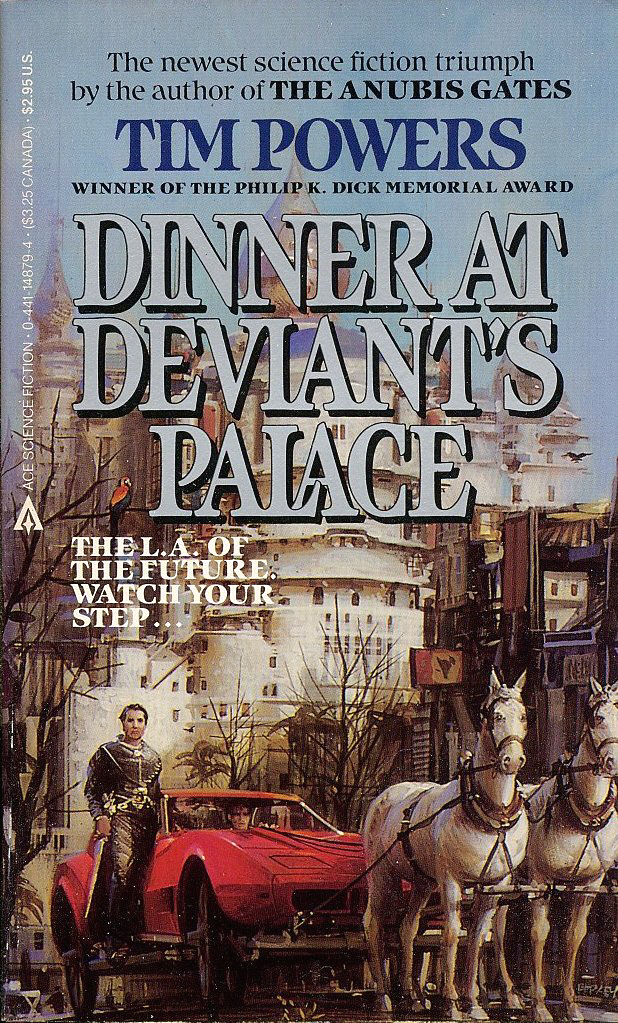 Like many authors, I teach writing to help make ends meet. Teaching part-time at a college and an arts high school doesn’t exactly make you rich, but I for one find it very satisfying. One of the obvious perks for me is getting to teach alongside steampunk progenitors Tim Powers and James P. Blaylock, both of whom are fascinating, brilliant men.
The other perk — the less obvious one — is the students themselves.
On one hand, I often find myself wringing my hands like an old fuddy-duddy about how this youthful generation is enslaved by technology. I’ve had two college students this year write about how they were “catfished,” for example, and it’s hard to understand a generation that has made the act of duping someone into having a phony online relationship so commonplace.
And then there’s their obsession with smart phones, providing a constant distraction in the classroom and leading students to shamble mindlessly down the hallways between classes with their phones in their faces, heedless of who or what they bump into. The zombie apocalypse is here already, I tell you!
On the other hand, I’m constantly inspired by my students, both by their creativity and their exuberance for crossing genres and mediums. And really, it all stems from the ubiquity of technology in their lives. Yes, even those damned smart phones.
At the behest of a handful of my high school students this year, I taught a class called Writing for Alternative Mediums (WAM), meaning writing for video games, phone apps, web comics, and whatever else the kids could dream up.
Like any savvy teacher who has no expertise or experience on a given topic, I “taught” the course as a seminar, meaning the students were forced to perform their own self-guided research, develop a project, and then present their work to the class.
The big winner ended up being me.
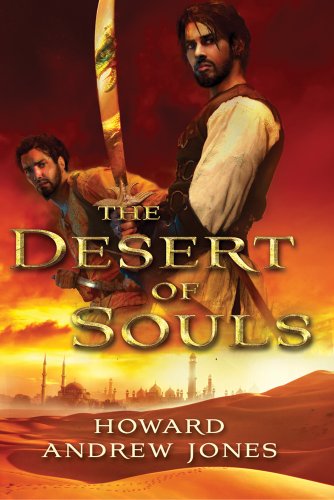 Howard Andrew Jones’s “Two Sought Adventure” details the problems and potentials in stories that have more than one hero. A story with multiple heroes is very different from a one-hero story with a sidekick, love interest, foil, nemesis, or whatever. There are plenty of straightforward techniques for using secondary characters to reveal a single protagonist’s character. Using two (or more) heroes to do this for one another in a way that feels balanced and gratifying for the reader is a tougher trick. Dialogue is crucial, and Jones offers close readings of dialogue from his own work and others’ that illustrate ways to welcome the reader into the shorthand, in-jokes, and shifting tones in conversations between longtime friends. He also addresses a problem I’ve seen in too much professionally published fiction: the duo that bickers like an old married couple, to the point where you wish they would split up, go away, or get eaten by the monster already. Friends have conflict, and friends engaged in epic heroics may have epic conflicts, but bickering is only entertaining in small doses, and it’s rarely illuminating. Jones offers a variety of specific alternative ways to handle conflict between heroes, and to interweave it with a story’s other conflicts.