Browsed by
Author: James McGlothlin

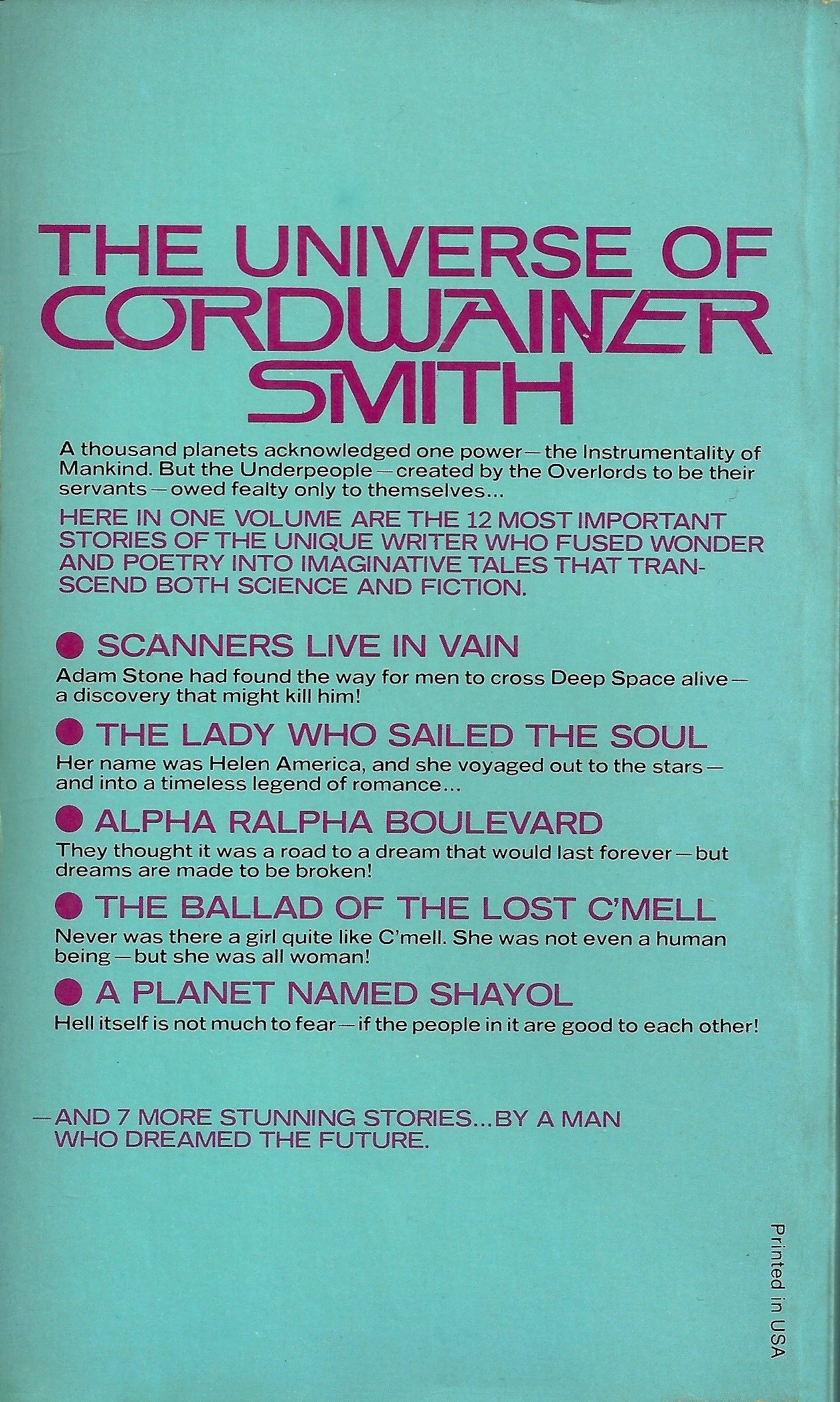
A Shaper of Myths: The Best of Cordwainer Smith
A Shaper of Myths: The Best of Cordwainer Smith

The Best of Cordwainer Smith-small The Best of Cordwainer Smith-back-small

He and I stared at each other. Was this what culture was? Were we now men? Did freedom always include the freedom to mistrust, to fear, to hate?
— Cordwainer Smith, “Alpha Ralpha Boulevard,” p. 300

Such are the questions set in the context of Cordwainer Smith’s utopian, futuristic society where people are seeking to go back to being “human” again. But this is only one small time slice and representation of Smith’s massive mythos in The Best of Cordwainer Smith (1975). This volume was the fifth installment in Del Rey’s Classic Science Fiction Series, and the first to be edited by someone other than Lester Del Rey (1915–1993). John J. Pierce (1941–) edits this volume and provides a very fine introduction. Pierce is a science fiction critic and was once a very outspoken pundit against the 1960s New Wave in science fiction.

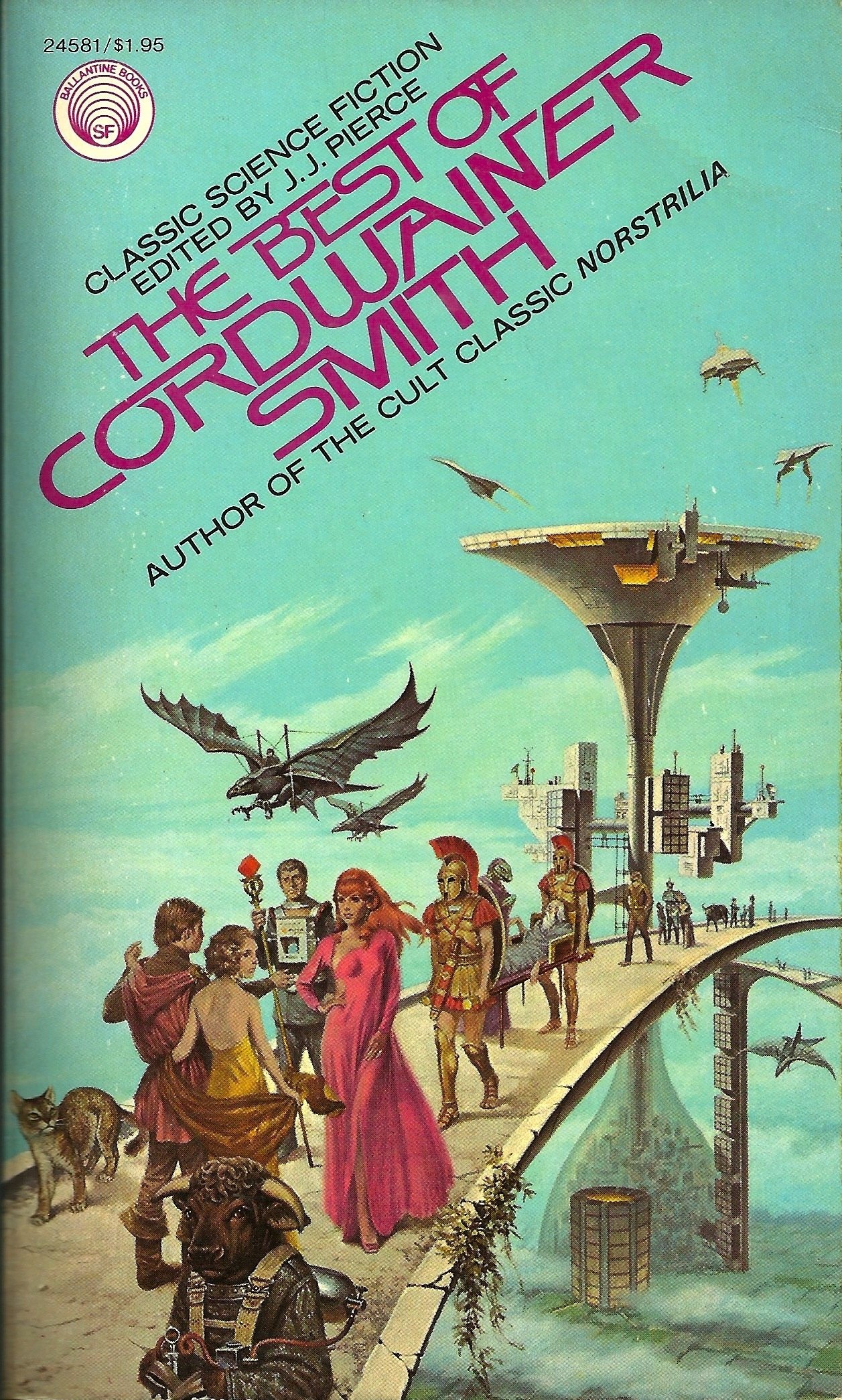
Whereas the cover art of the first four volumes was done by the late Dean Ellis (1920–2009), the cover for this book was by the late Darrell Sweet (1934–2011). Sweet’s artwork here is very reminiscent of Ellis’ work on the Classic Science Fiction Series. This is interesting, seeing how Sweet’s later artwork is very different from Ellis. (See this Black Gate memorial post to Sweet for later examples of his work.) It seems Sweet was attempting to keep with the aesthetic feel that Ellis had already established.
Read More Read More

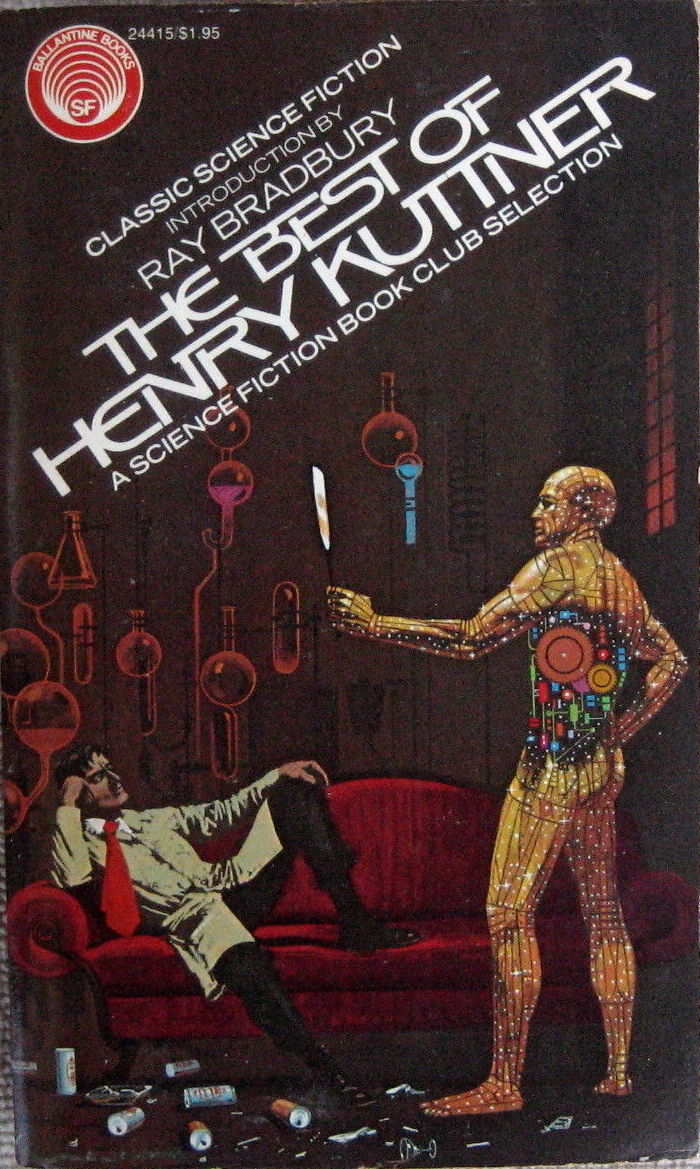
A Neglected Master: The Best of Henry Kuttner

A Neglected Master: The Best of Henry Kuttner

the-best-of-henry-kuttner-del-rey-small the-best-of-henry-kuttner-del-rey-back-small

In Henry Kuttner’s short story “The Voice of the Lobster,” a character who is trying to escape some enemies muses to himself that he wishes he were a Cerean. In a footnote Kuttner includes the following: “The inhabitants of Ceres were long supposed to be invisible. Lately it has been discovered that Ceres has no inhabitants.” (p. 135).

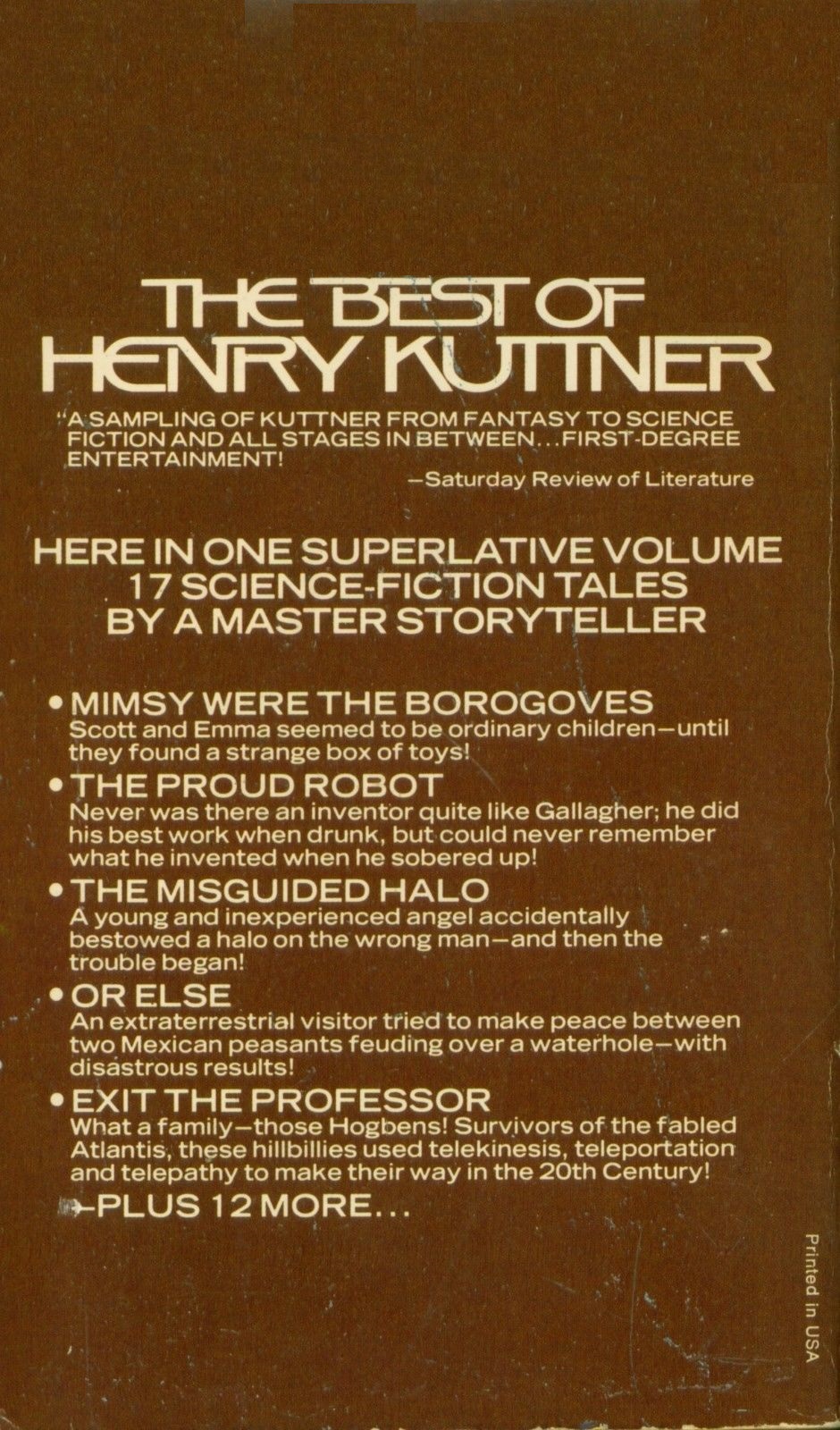
Such is the typical humor of The Best of Henry Kuttner (1975), the fourth installment in Del Rey’s Classic Science Fiction Series. The previous volumes in this series all had insightful afterwords by the featured author, but Kuttner’s book does not contain one. Primarily, I take it, because Henry Kuttner (1915-1958) had already been dead for over a decade and a half by the time of publication. A shame though, given how the previous author afterwords in this series shed much light upon the subtext of their stories.

The introduction for this volume was done by the late and legendary Ray Bradbury (1920-2012). As with the previous three volumes, the cover art was by the amazing Dean Ellis (1920-2009).

Read More Read More

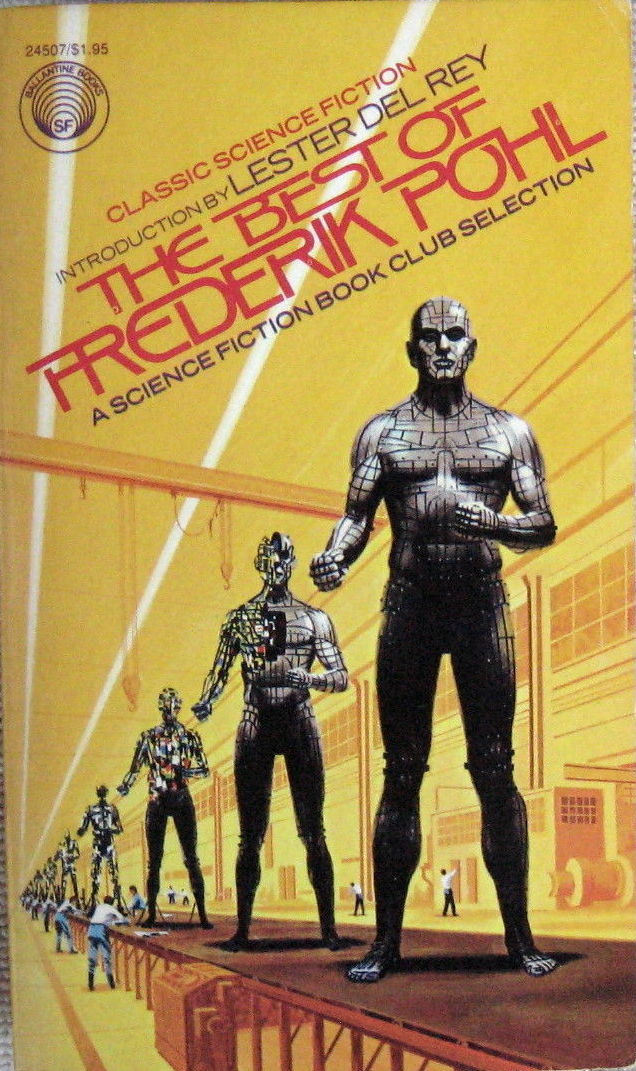
Space Colonies, Interstellar Fleets, and The Martian in the Attic: The Best of Frederik Pohl

Space Colonies, Interstellar Fleets, and The Martian in the Attic: The Best of Frederik Pohl

The Best of Frederik Pohl-smallIn my continuing posts of Del Rey’s Classic Science Fiction Series, we now come to the third volume in the series, The Best of Frederik Pohl (1975). The introduction was done by none other than the writer and editor Lester del Rey himself (1915-1993). As with The Best of Stanley Weinbaum and The Best of Fritz Leiber, the cover art for Pohl’s volume was done by Dean Ellis (1920-2009). And as with Leiber’s volume, the author himself, Frederik Pohl (1919-2013), gives an afterword as well commenting on several of the stories within.

To call Pohl a giant of science fiction is a cliched understatement. Pohl wrote and edited science fiction for over seventy years. He won numerous awards and was editor for many years of Galaxy and If magazines. His mark on science fiction is absolutely indelible.

But, I have to admit, I had actually never read any of Pohl’s stories before this volume. So I came to The Best of Frederik Pohl with fairly neutral eyes, though expecting to read some great classic science fiction. What did I find? Let me comment on a few the stories in this volume that really struck me and then I’ll give some final overall thoughts on Pohl’s work.

The story “Happy Birthday, Dear Jesus” was a fairly on-the-nose satire against Christmas commercialism — a pretty easy target. But, surprisingly, this satire was set within the context of a love story about a department store manager seeking to marry the daughter of a very conservative missionary. Not what I was expecting. What was even more surprising was that this turned out to be a very heart-stirring little romantic tale, very unexpected given the cynical bite of the story’s overall point.

Interestingly, in retrospect, the sci-fi elements of this story seem fairly tangential now. In fact, I don’t remember exactly what the sci-fi elements in this story were. And this wasn’t the only story like this. I often found myself trying to remember exactly what made Pohl’s stories examples of science fiction. I’ll return to this point.

Read More Read More

Vampires, Frozen Worlds, and Gambling With the Devil: The Best of Fritz Leiber

Vampires, Frozen Worlds, and Gambling With the Devil: The Best of Fritz Leiber

the-best-of-fritz-leiber-1974-small the-best-of-fritz-leiber-1974-back-small

In my last post I reviewed The Best of Stanley Weinbaum, the first volume in Del Rey’s Classic Science Fiction Series. In this one I’ll review the second in the series, The Best of Fritz Leiber (1974). The introduction was done by the excellent sci-fi/fantasy author Poul Anderson (1926-2001). The cover was by Dean Ellis (1920-2009), though a later 1979 printing (see below) has a cover by Michael Herring (1947-).

Fritz Leiber is probably best known for his Fafhrd and Grey Mouser sword and sorcery tales. At least, that was my introduction to him. He also produced some of the most well-loved horror tales of the twentieth century, such as “Smoke Ghost” and “The Girl with the Hungry Eyes.” I’ve read some of his science fiction in The Book of Fritz Leiber (Daw, 1974) and Fritz Leiber: Selected Stories (Night Shade Books, 2011), edited by Jonathan Strahan and Charles N. Brown. But it was interesting to read a book dedicated completely to Leiber’s science fiction (though there are one or two stories that I’m not sure fit this moniker).

Read More Read More

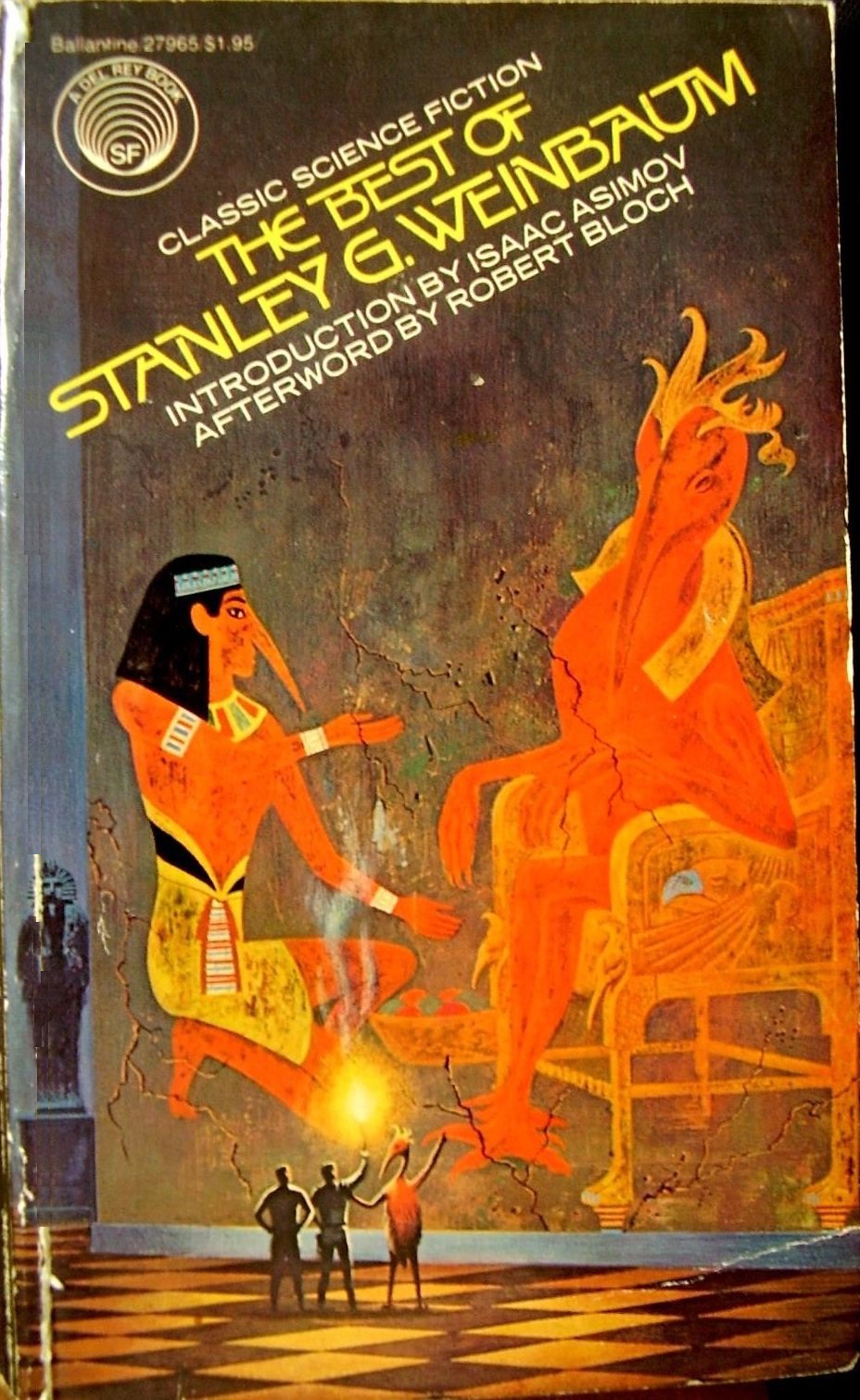
Rich Playboys, Mad Scientists, and Venusian Monsters: The Best of Stanley Weinbaum

Rich Playboys, Mad Scientists, and Venusian Monsters: The Best of Stanley Weinbaum

The Best of Stanley G WeinbaumA few short years ago, here at Black Gate, John O’Neill did several posts on Del Rey’s Classic Science Fiction series. Those posts were loving, nostalgic homages.

I have never been a huge sci-fi book fan. Fantasy and horror are more my thing. Yet, I found those posts really intriguing, especially the cool covers. I had read some of the stories of certain of these writers, but by and large John’s posts introduced me to most of these authors for the first time. After reading a couple, I was hooked and eventually tracked them all down through eBay and Abebooks.

As a newcomer to these books, and to many of these authors, I thought I would give a review of each. As with John’s original posts, I hope these reviews inspire some newer readers to seek out some of these older treasures, or at least to track down some other works by these authors.

Before reviewing our first volume, let’s get a little background on this series. The Internet Speculative Fiction Database (isfdb.org) refers to these books as Ballantine’s Classic Library of Science Fiction. However, I can’t find that designation on any of the books so I’ll simply refer to them as “Del Rey’s” (an imprint of Ballantine) “Classic Science Fiction” series, just like the covers say. This series began in the early seventies and continued to be published up through the eighties, sometimes with multiple printings of certain volumes. There were twenty-two books published in all.

Each book in this series was a collection of short stories highlighting a single author within the Del Rey publishing fold. According to John O’Neill, this was one way for Del Rey to promote the authors in their stable (especially de Camp, Eric Frank Russell, and others). That’s why there are no volumes dedicated to Asimov, Heinlein, Clarke, etc. None of those “big guns” were Del Rey authors. That’s not to say that there weren’t some heavy hitters in this series though. Writers like Philip K. Dick and Fritz Leiber, to name only two, have dedicated collections within.

I thought it might be best to go through this series in chronological order of publication. Each post will focus on one volume. My main goal is try to give some brief reviews of some of the stories within, at least those that struck me as the most enjoyable, but I’ll also give my overall impressions about the book, and writer, as a whole.

Read More Read More

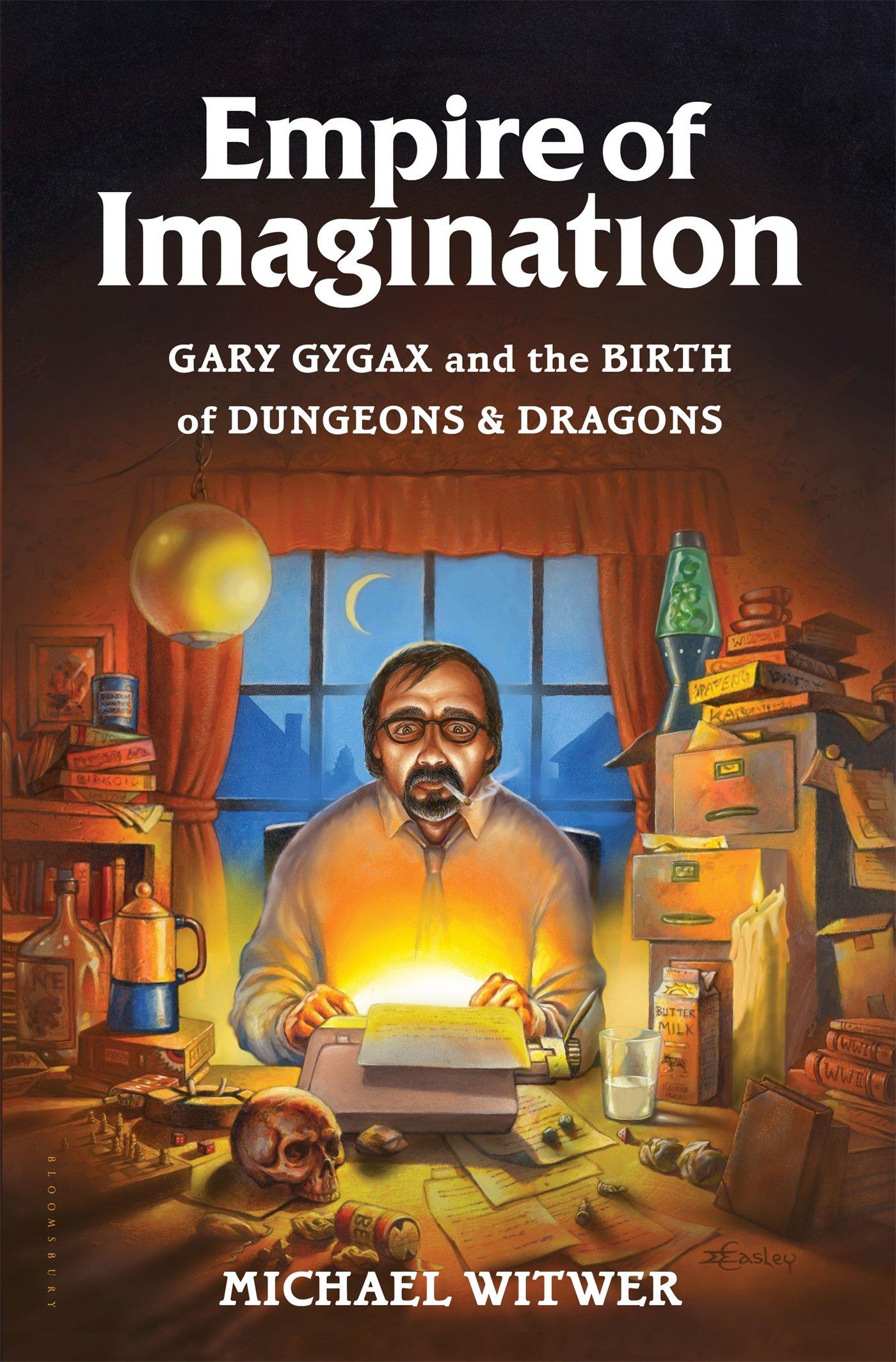
A Biography Worthy of the Creator of D&D: Michael Witwer’s Empire of Imagination

A Biography Worthy of the Creator of D&D: Michael Witwer’s Empire of Imagination

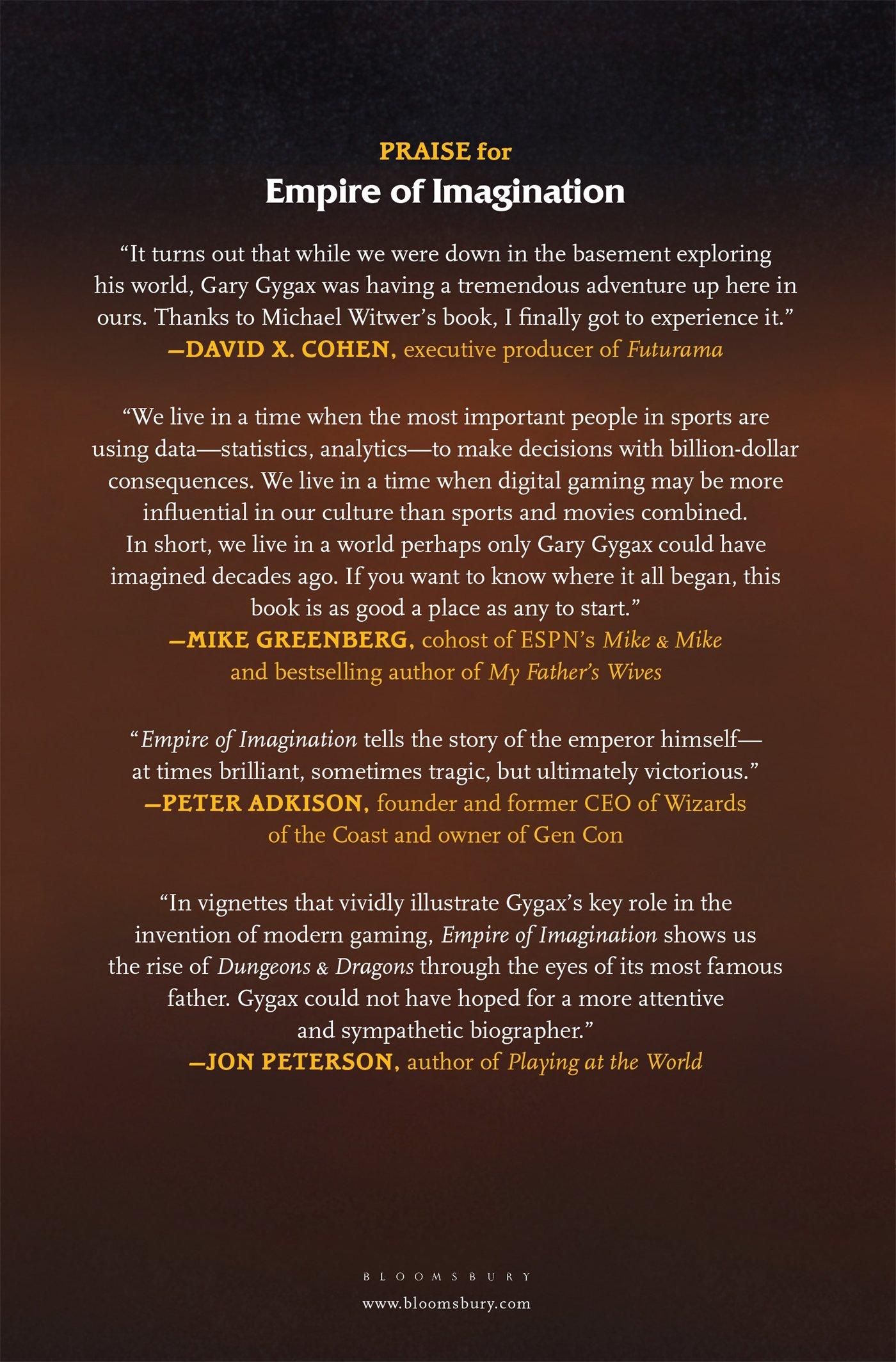
Empire of the Imagination-small Empire of the Imagination back-small

Anyone who has grown up in a small town knows how much of an unrelenting pest, nay enemy, boredom can be. And if you grew up in the days before the internet, or before fairly inexpensive computers or game systems, and when cable television was just getting going, boredom was even more of a specter. However, my young friends and I had one constant respite from boredom: role-playing games (RPGs)! And like most from my generation, Dungeons and Dragons (D&D) was our starting point.

It’s hard to communicate just how new and different D&D was from other games that had previously been around. Before RPGs, most games were known for having a point or area of physical attention, e.g. a game-board with pieces, or playing cards. And most of these games had a “winner.” D&D had none of this. You had your player character (PC) sheet, pencil, dice, and graph paper to make a map. And though one’s PC could survive with treasure in a D&D adventure, there weren’t really any “winners,” meaning the game could go on and on and on… sometimes for days or weeks.

Read More Read More

A Slick and Stylish Potpourri of Geeky Hipness: Ernest Cline’s Armada

A Slick and Stylish Potpourri of Geeky Hipness: Ernest Cline’s Armada

Ernest Cline Armada-smallArmada
By Earnest Cline
Crown Books (368 pages, $26 in hardcover, July 14, 2015)

Ernest Cline’s 2011 debut novel Ready Player One was quite the achievement. As I said in my review earlier this year here at Black GateReady Player One was more than just a cute cyberpunk romp. I think it showed real ingenuity, portraying what science fiction could be for a new generation. And I thoroughly enjoyed it! It’s no surprise to me that Steven Spielberg is slated to direct a movie version, hopefully sometime in the near future. I was incredibly excited about reading Ernest Cline’s second novel Armada.

There are quite a few similarities between Armada and Ready Player One. For example, Armada‘s protagonist, Zack Lightman, fits the standard NSA profile for contemporary geek: young loner who spends more time in a make-believe world of science fiction and fantasy books, movies, and videogames than he does in the “real” world. Zack particularly dreams of flying off on some grand space-faring adventure, mainly because he spends most of his time on a hugely popular online flight simulator called, coincidentally, Armada.

Zack later learns, however, along with everyone else on the planet, that the Armada game is actually a testing device for evaluating and then recruiting people for real spaceflight and warfare against an alien force. And — surprise, surprise — it turns out that Zack Lightman is one of the top players. Does this sound anything like The Last Starfighter to anyone? Similar, but not quite.

Read More Read More

The Golden Age of Horror Seems to be Progressing Well: The Best Horror of the Year: Volume Seven

The Golden Age of Horror Seems to be Progressing Well: The Best Horror of the Year: Volume Seven

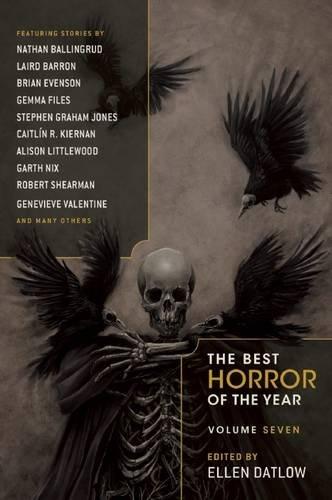
The Best Horror of the Year Volume Seven-smallLast year when I reviewed The Best Horror of the Year: Volume Six, I said that volume gave confirmation that we are currently living in a golden age of horror fiction, especially in short stories. This year’s The Best Horror of the Year: Volume Seven shows that this age is thankfully not ending for the foreseeable future.

As with the former editions, the seemingly inexhaustible Ellen Datlow had edited this volume. Among her many, many awards includes a very recent Bram Stoker for her horror anthology Fearful Symmetries, released last year. If you’re not familiar with any of Datlow’s anthologies they are (in my humble opinion) the gold standard of horror fiction. Datlow knows a good story!

As with previous editions, The Best Horror of the Year: Volume Seven showcases a plurality of different kinds of horror stories and styles, from old-fashioned supernatural yarns and psychological horror to Crypt-Keeper-style revenge tales. As I usually say in my review of anthologies, I’m not a fan of every story within, but each story here is without a doubt superbly written and executed.

This volume includes the usual horror “superstars” along with some very talented new blood. What I’m calling horror “superstars” are those few horror writers who unsurprisingly make regular reappearances in many of horror’s year’s best anthologies. In this volume this includes Nathan Ballingrud with his creepy tale “The Atlas of Hell,” about a mob boss seeking to track down a supposedly occultic book in the swamps of Louisiana, a “book” that turns out to be much more than bargained for. Ballingrud always has a very unique take on horror and this horrific story is no disappointment.

Read More Read More

More Than Just an Inventive Cyberpunk Romp: Ernest Cline’s Ready Player One

More Than Just an Inventive Cyberpunk Romp: Ernest Cline’s Ready Player One

Ready Player One-smallI’m nostalgic for most things that belong to the age of my childhood and teenage years (i.e. the 70s and 80s), especially for things we now mostly think of as geek-ish (though that label was hardly admirable when I was a kid).

In this spirit, I recently watched a very interesting documentary on Netflix called Atari: Game Over, about one man’s quest to find the (now legendary) dumping ground of Atari’s fabled mass of unsold game cartridges based upon the Steven Spielberg movie E. T. (And by the way, I highly recommend watching that very short documentary.)

Atari: Game Over includes footage of author Ernest Cline, who is about my age and seems to have similar 80s interests. Case in point: the man owns a DeLorean sports car like Marty McFly’s from Back to the Future.

Cline made his 2011 novel debut with Ready Player One. I’d heard nothing but great buzz about this book since it was first released. But since I’m not a gigantic fan of science fiction literature — I tend to read more fantasy and horror — I hadn’t really bothered to pick it up. After seeing the documentary I became more intrigued, and so I bought and read it.

Oh my goodness!

I can definitely say that I am now a huge Ernest Cline fan. What a great book! This was one of those books that I could not put down. I blazed through its nearly 400 pages in just two days — I would’ve done it in one if I hadn’t had real-life responsibilities. It was definitely something of an 80s nostalgia-fest, but that’s merely surface, and not integral to enjoying this book.

What’s Ready Player One about?

It starts in a dystopian near future — though not dystopian because of nukes or zombies. Rather, in Cline’s book our current fears are extrapolated to a world feeling the effects of increasing  overpopulation, in terms of climate and economics. Many people are unemployed, and where once cushioned bastions were unaffected by such, like most of the United States, they are now populated with flimsy towers of RVs and trailer-homes (Jim Massey’s paperback cover presents this in awesome detail).

Read More Read More

Michael Moorcock’s Fantasy Autobiography: The Whispering Swarm

Michael Moorcock’s Fantasy Autobiography: The Whispering Swarm

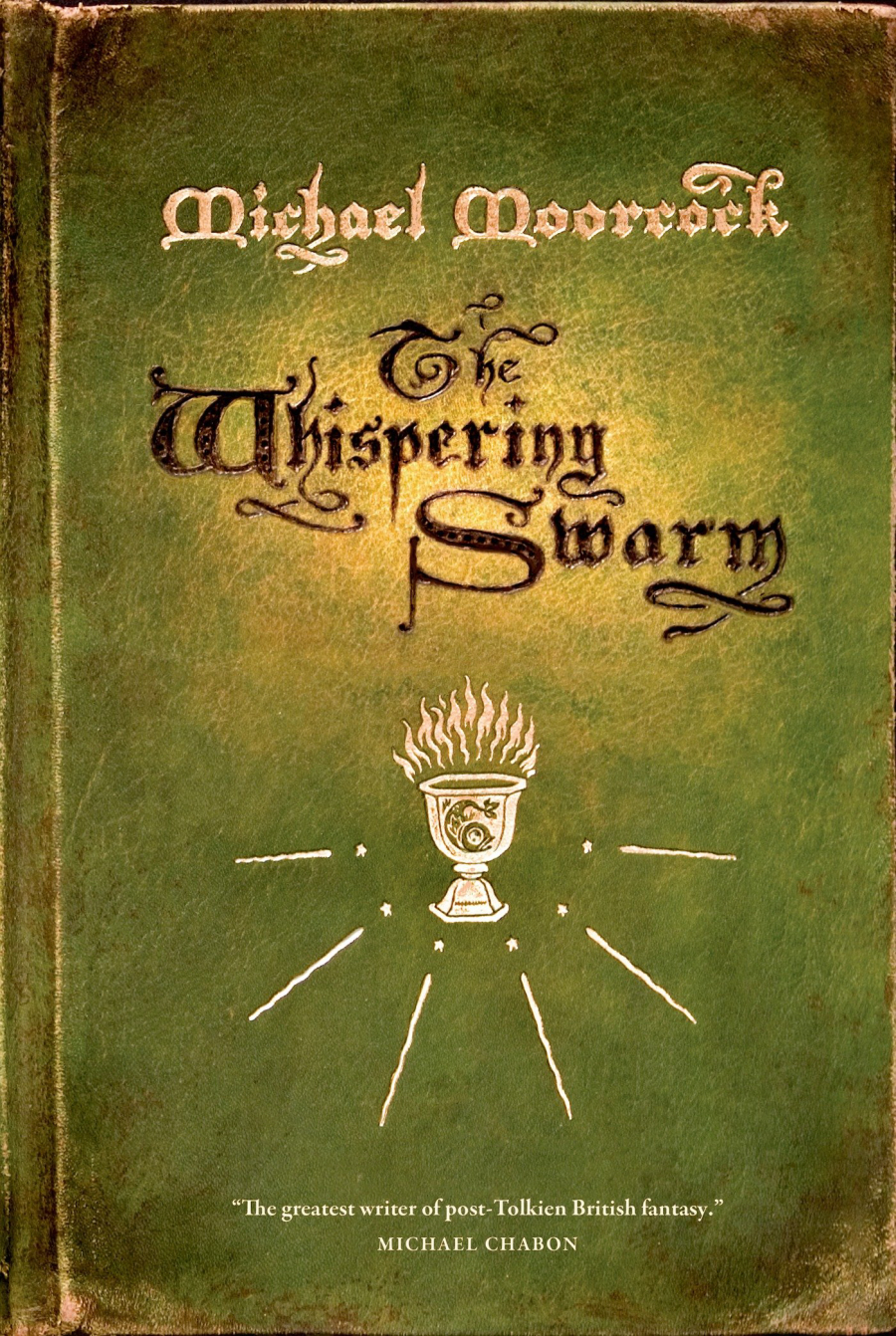
The Whispering Storm-smallMichael Moorcock is a giant. He is probably most famous for his Elric of Melniboné stories, but he also has written many other fine works. In addition, he is also well known for having been the editor of the controversial British science fiction magazine New Worlds from 1964 to 1971. From this position Moorcock is usually credited with fostering the development of the New Wave in science fiction and fantasy.

Personally, I have been a big Moorcock fan for years and was something of a rabid devotee in junior high. I read the Elric stories over and over, almost memorized the “Melnibonéan Mythos” section of the Dungeons and Dragons Deities and Demigods book, and even bought the old Chaosium RPG Stormbringer, which was based on Moorcock’s Elric tales.

So I was incredibly excited when I heard that Moorcock was releasing a new novel, The Whispering Swarm, the first in a new trilogy. Having just finished it, I have to say that it is one of the most unique books I have ever read. Described in a sentence: It’s part fantasy and it purports be part autobiographical.

What?!

I think a little light can be shed on the book’s conception with the following.

StarShipSofa, the excellent British science fiction podcast and website, interviewed Moorcock back in 2008 (if you’re interested, you can watch it here). At one point in the interview, Moorcock relates that his publisher thought he should write a memoir. But Moorcock admits that he is very reticent to do so because many of the people he would be writing about are still alive, and he didn’t want to hurt anyone’s feelings — nor did he want to get into any “he said vs. she said” controversies.

Read More Read More