The Gargoyles of St. Wulfram’s
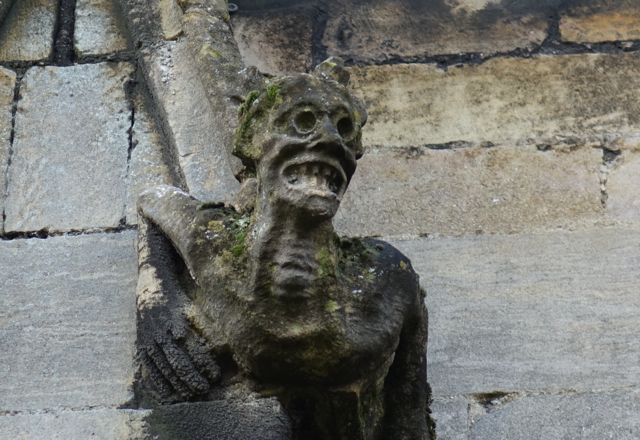 Of all the freakish critters in the original hardback Monster Manual, the one that always made the most intuitive sense to me was the gargoyle. Having seen perhaps more than my share of gargoyles by the time I entered the role-playing realms, I already knew them to be fierce, frightening, toothy, amply clawed, and sometimes winged. It stood to reason that they’d be crafty, pernicious opponents.
What made no sense was why the D&D variety weren’t made of stone, as nearly all true (read: real) gargoyles surely are. To this day, I still have no explanation for that decision on the part of the Monster Manual’s creators, Mssrs. Gygax, et al. They certainly had no intrinsic objection to stone beasties: consider the stone golem or that durable tri-form oddity, the xorn.
In order to better address this incongruity, I have abandoned my regular offices deep in Black Gate’s vast Indiana Compound and taken up residence at Harlaxton Manor, an out-of-the-way 1830s edifice set in the rolling hills of England’s Lincolnshire. Is it haunted? Probably. Not only did one of its previous owners conduct regular séances in the cozier of the two libraries, but the manor has been used in several eccentric movies, including The Ruling Class (1972) and the truly execrable remake of The Haunting (1999).
Are there gargoyles? Yes. But only two.
Luckily, just down the road, in the struggling industrial town of Grantham, an astonishment of gargoyles awaits on the walls of St. Wulfram’s, a mid-sized Anglican church that dates back to the 1200s at least.

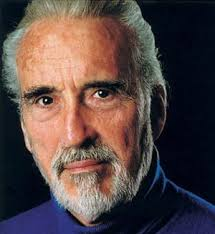 Question – What do Dracula, Frankenstein, the Mummy, James Bond, Fu Manchu, Star Wars, The Lord of the Rings, John Belushi and Sherlock Holmes all have in common?
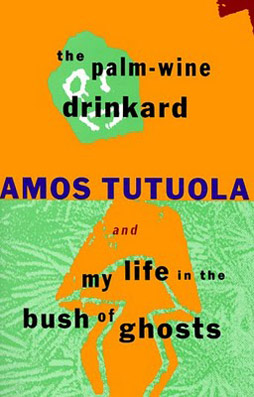 Amos Tutuola was born in Nigeria in 1920 to a Christian family. With six years of formal schooling, he served as a coppersmith with the Lagos-based arm of the Royal Air Force in World War Two, then worked at a number of of odd jobs. As he tells it, a government magazine he happened to read, with “very lovely portraits of the gods,” advertised books based on Yoruba legends. Tutuola remembered being praised as a storyteller in school and decided there was no reason he shouldn’t turn his hand to writing similar books. So he did. He completed his first book, The Palm-Wine Drinkard, in only a few days.