Like Osprey But Corsets and Khaki with a Whiff of Steampunk: Great War Fashion by Lucy Adlington
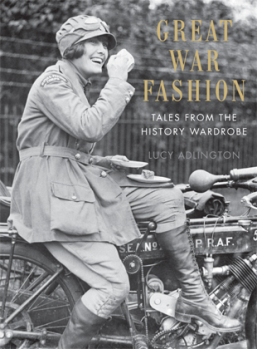
First, take a look at the young woman on the cover, “A despatch rider in the Women’s Royal Airforce enjoying a tea break while seated on her motorcycle, 1918.”
She’s most likely in a warzone. She’s probably not had a bath for a while. Might have lice. Any men in her life have a good chance of not making it to Christmas with all their body parts, or at all. She’s living under military discipline. And, as she rides around, she might herself get blown up or strafed.
And yet, she’s smiling.
You really have to read expert fashion historian Lucy Adlington’s Great War Fashion: Tales from the History Wardrobe to truly understand why she’s smiling.
And fashion in the book’s title is an understatement. This is more the kind of thing Osprey would publish — kit, context, consequences and case study. It’s certainly less about the minutiae of stitching and fabric, and more about the clothes women wore, why, how, and what the experience was.
As promised by the subtitle, “Tales from the History Wardrobe,” it’s packed with stories from women’s original letters, diaries and reminiscences, so it takes us beyond fashion and into the evolving role of women from about 1910 through to 1920.
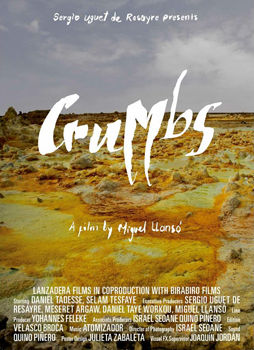 Fantasia was beginning to wind down. After seeing five movies on Sunday, August 2, I only saw four on Monday the 3rd: an Ethiopian post-apocalypse quest called Crumbs; a Spanish crime movie called Marshland; an American suspense movie called The Invitation; and a French science fiction comedy called Cosmodrama. I’d heard good things about each of these movies, and I had cautiously high hopes. Which were mostly fulfilled.
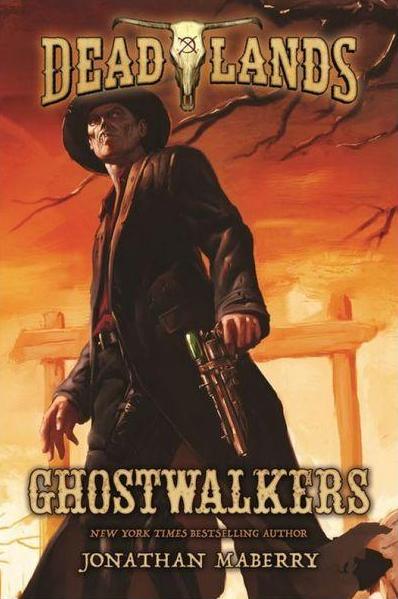
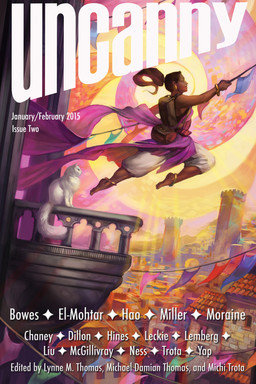
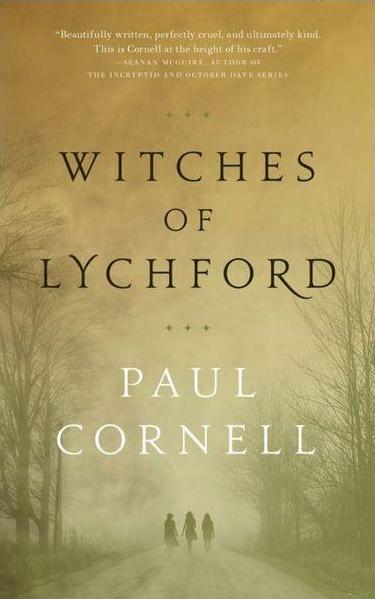
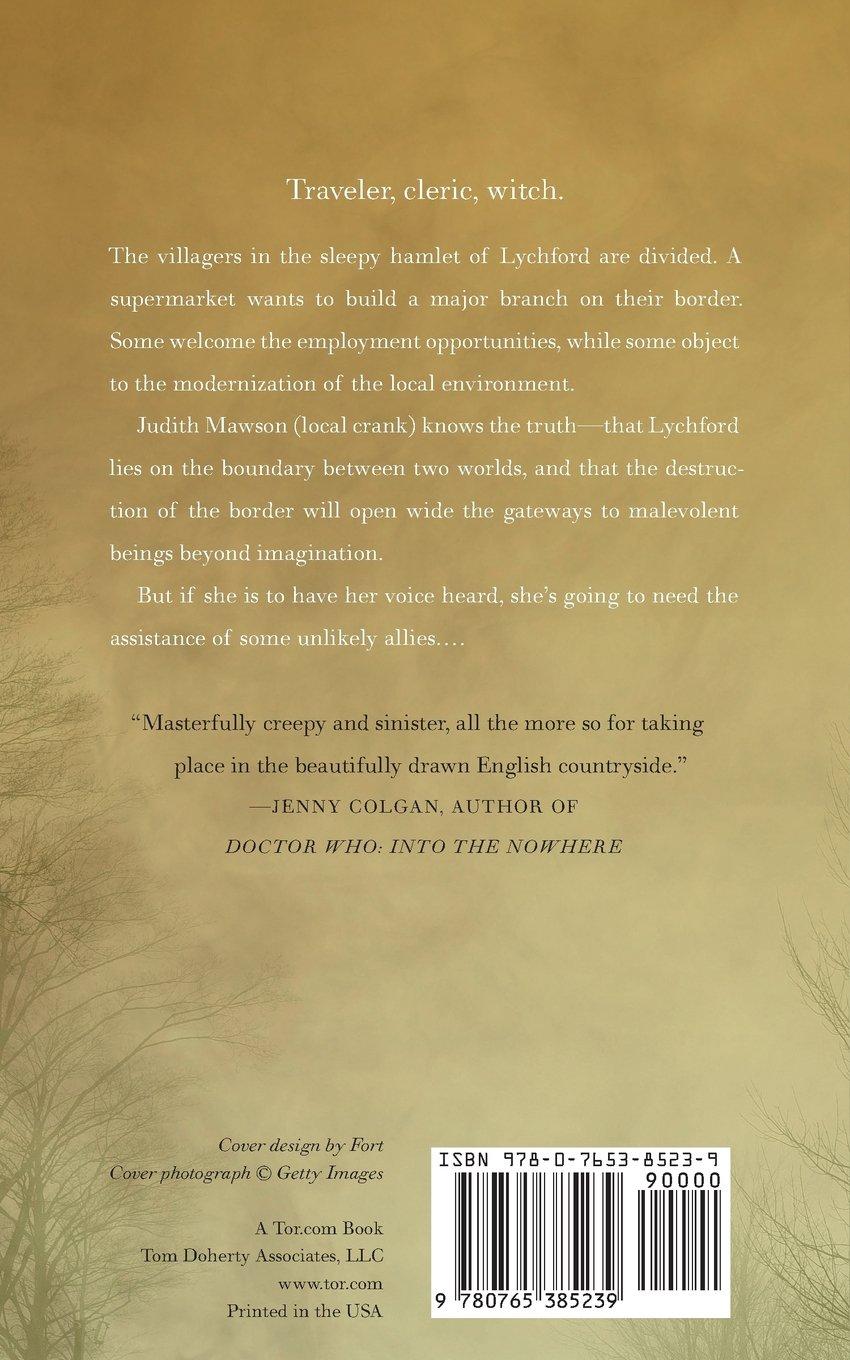
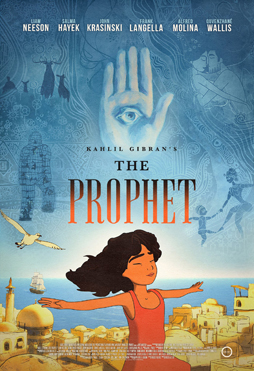 Sunday, August 2, was a day I’d been waiting for and slightly dreading. I was planning to see five films, one after the other. All of them at the large Hall Theatre, except for the second, a presentation of short animated films at the De Sève. It would kick off at 12:30 with Kahlil Gibran’s The Prophet, a cartoon adaptation of the classic book. The Outer Limits of Animation 2015 showcase would follow. Then Experimenter, a biopic about controversial psychologist Stanley Milgram, he of the notorious fake electroshock experiments. Then Ninja the Monster — as its title suggests, a film about a confrontation between a ninja and a monster. Finally would come Strayer’s Chronicle, a novel adaptation about a group of alienated teenagers with strange powers fighting to protect a world that hates and fears them. I was fairly sure it was possible to make a good movie out of that sort of material. But I had a lot of film to watch before I’d get to see it.
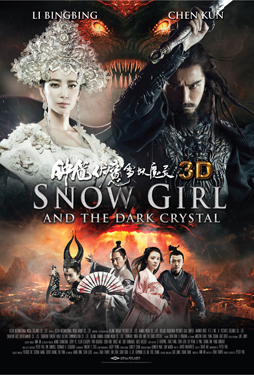 Saturday, August 1, would start early for me at Fantasia. At 12:30 I was seeing a Chinese fantasy adventure called Snow Girl and the Dark Crystal. Then I’d head over to the screening room, where I planned to watch a documentary about the Turkish film industry, Remix, Remake, Ripoff: About Copy Culture and Turkish Pop Cinema. Then I’d go to the De Sève Theatre for a pair of films, the post-apocalypse art-house movie Orion and then the Korean drama Socialphobia. Once again, a nice varied day.