Haunted: Always, Sometimes, Never
Haunted: Always, Sometimes, Never

haunted-the-old-fashioned-way

Haunting — The old fashioned way

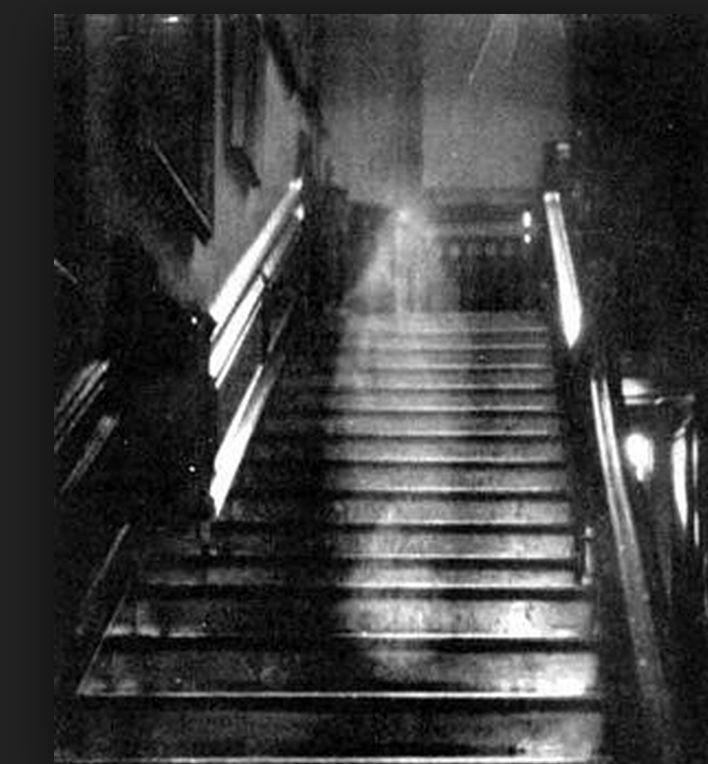
Many years ago, in the days of my misspent youth, I toiled for four years at California State University, Long Beach, as a theater major. As such, I of course spent most of my time on and around the department’s two stages. What with the vicissitudes of costume fittings, lighting adjustments, and walking on saying, “What ho!” twenty or thirty times until the director was satisfied, I often found myself in the building quite late at night, which led to a discovery — theaters are damned creepy places. They are, in fact, haunted. (The clunks and thumps and creaks and pops I heard were not from causes as mundane as the huge building setting or from the big glass windows cooling and contracting after the heat of the day — absolutely not.)

On reflection, I have come to think that all places, of any sort, fall somewhere on a supernatural sliding scale — always, sometimes, or never haunted. Indeed, this realization has led to a family game that my children and I often play — naming a place and stating its haunted status and, in case the others disagree, making a persuasive argument for your position. I know it sounds like an odd way to pass the time, but you get tired of Yahtzee after a while.

What are the factors that influence the likelihood of a place being haunted? If we’re talking about buildings, then function is very important, especially if the structure has any intrinsic relation to death or the supernatural. Thus it is far easier for a funeral home or church or morgue to be haunted than it is for a factory that exists for the purpose of extruding plastic into molds for Star Wars toys. (Now if two or three workers should fall into a vat of molten plastic, well, their co-workers might get a little uneasy walking around the isolated areas of the building alone at night. Just how uneasy would have to be determined by several other factors.)
Read More Read More

Fantasia 2016, Day 18, Part 2: Commitment to Genre (Before I Wake and The Top Secret: Murder in Mind)

Fantasia 2016, Day 18, Part 2: Commitment to Genre (Before I Wake and The Top Secret: Murder in Mind)

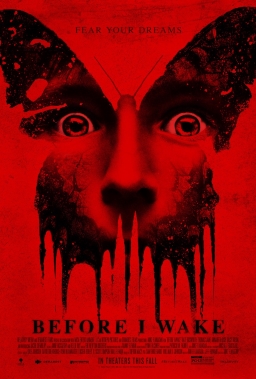
Before I WakeAs the evening of Sunday, July 31, began I was looking forward to two films I planned to see at the Hall Theatre. The directors of both movies had interesting track records. Before I Wake, following the strange events surrounding an orphan boy whose dreams cross over into reality, was a new film from Oculus director Mike Flanagan. After that would come The Top Secret: Murder in Mind (Himitsu the Top Secret), a science-fiction murder mystery from Keishi Otomo, maker of the Rurouni Kenshin historical samurai-steampunk movies. One of these two films would (more or less) live up to my expectations.
First came a short film called “Quenottes” (“Pearlies”), written by Pascal Thiebaux and directed by Thiebaux with Gil Pinheiro, in which a boy (Matthieu Clément-Lescop) losing the last of his baby teeth brings out the supernatural mouse that hoards old lost teeth. A nastier version of the Tooth Fairy, the mouse cannot be cheated of its bounty, and this causes problems for the boy and his father (Lionel Abelanski). An excellent soundtrack helps the story move sharply along to a final disaster. The film’s an effective horror short with the feel of an old unDisneyfied fairy tale.

Before I Wake is a story about a married couple, Jessie and Mark (Kate Bosworth and Thomas Jane) who adopt an orphaned eight-year-old boy, Cody (Jacob Tremblay). Cody seems like a perfect child, but he’s had problems with previous foster families. We soon learn the boy has a psychic gift that makes his dreams come to life for so long as he’s asleep. His nightmares have killed already, so Cody’s doing all he can to stay awake as long as he can. But he can’t keep his eyes open forever.

Usually when there’s a question-and-answer session after a film I report it after giving my impressions of the movie. This is one of those cases, though, where the comments of the creators have such a direct relevance to what I thought of the film that I want to present them first. What follows, as always, comes from handwritten notes (possibly inaccurate in specifics though I believe generally representative of the gist of things) recording the the comments of director Mike Flanagan, star Kate Bosworth, and Producer Trevor Macy.

Read More Read More

Sentient Spaceships, Alien Derelicts, and Warring Empires: S.K. Dunstell’s Linesman Trilogy

Sentient Spaceships, Alien Derelicts, and Warring Empires: S.K. Dunstell’s Linesman Trilogy

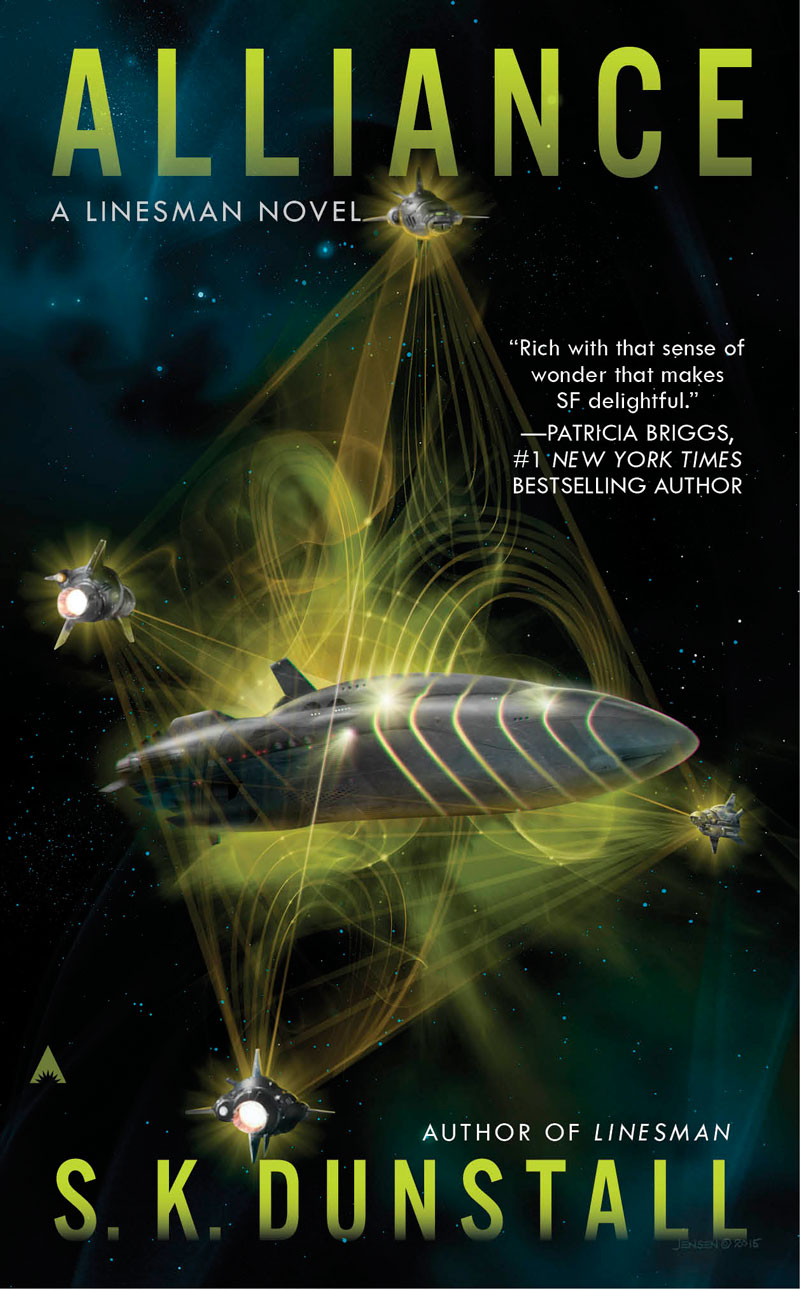
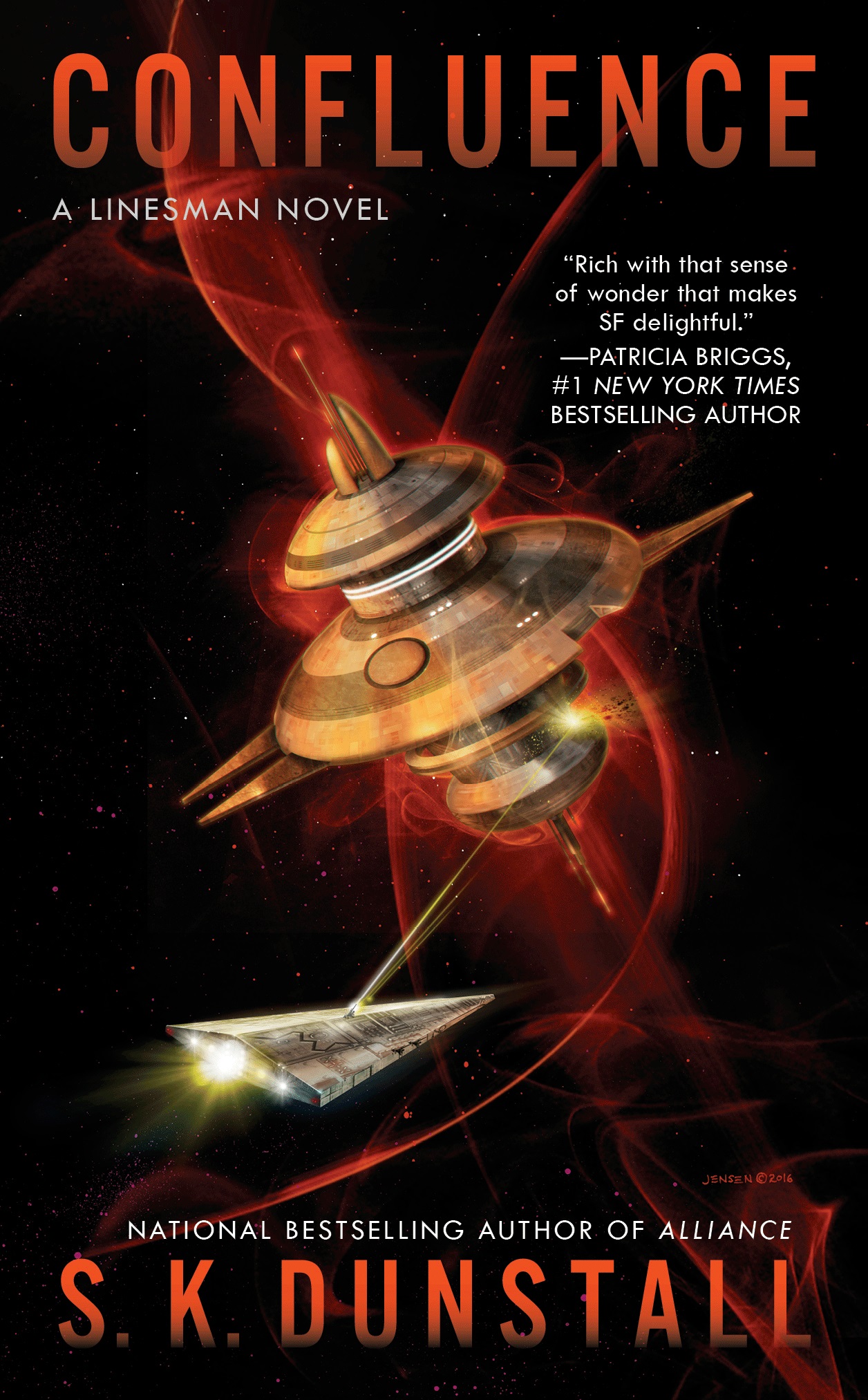
linesman-dunstall-small alliance-dunstall-small confluence-dunstall-small

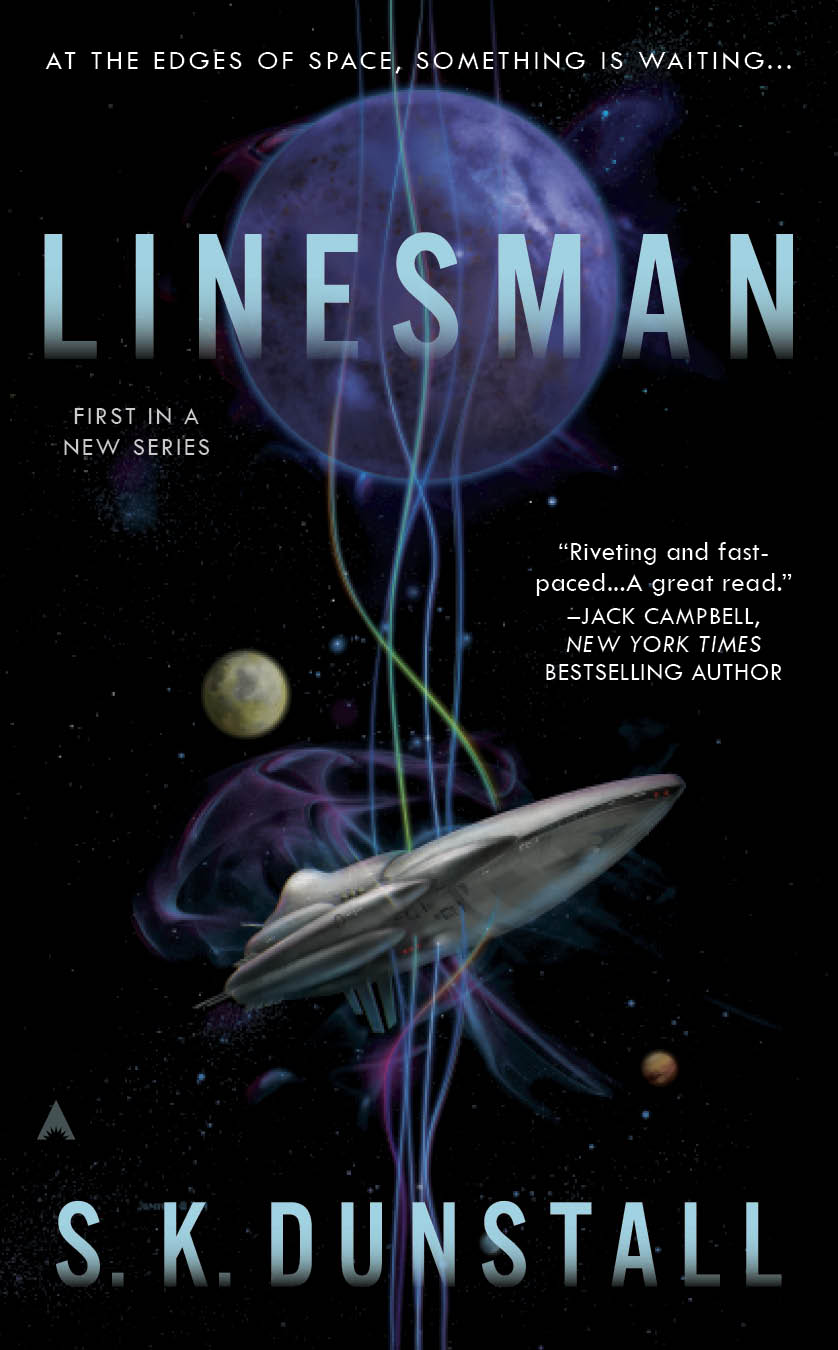
I know a few collaborative writing teams who publish under a joint pseudonym (Daniel Abraham and Ty Franck, for example, who publish the Expanse novels under the name James S. A. Corey), and I even know a few husband and wife writing teams (like Ann & Andres Aguirre, who write urban fantasy under the name A. A. Aguirre, and bestselling fantasy authors Ilona and Andrew Gordon, who write under the name Ilona Andrews). But I’d never heard of a pair of siblings writing under one name — or at least I hadn’t, until I came across Sherylyn and Karen Dunstall, who write together under the name “S.K. Dunstall.”

Their first book was Linesman, published in paperback by Ace in June of last year. My friend Sharon Shinn called it “Full of fast action, interplanetary intrigue, appealing characters, and a fascinating new take on the idea of the sentient spaceship.” My son Tim, who’s currently studying physics in college, read it in virtually one sitting, and loved it — so much so that when I gave him an advance proof of the second volume, Alliance, for Christmas last year, he happily disappeared for hours.

The third volume in what’s now being called the Linesman series, Confluence, arrives in paperback from Ace at the end of this month. Great timing! That’s my Christmas shopping for Tim done.

Read More Read More

Meet Me through the Black Gate, Then Two Blocks down Great Jones Street

Meet Me through the Black Gate, Then Two Blocks down Great Jones Street

the-war-of-the-wheat-berry-year-sarah-avery-smallTonight Great Jones Street, the new magazine that brought back my old Black Gate story “The War of the Wheat Berry Year,” is hosting an author chat, and you would all be very welcome. We’ll be talking about fantasy stories of all kinds, particularly epic, heroic, and sword and sorcery. I expect we’ll also be talking about issues of revision and representation, because of my essay, “Conscientious Turncoats,” at GJS about how the story needed to change to come back into the world. Feel free to bring your readerly fixations and preoccupations with you, too. I would love to have some familiar Black Gate voices in this new space.

Great Jones Street is a peculiar hybrid creature, a magazine that’s also an app. They started with a love of short stories and a realization that the short story may be the perfect form for reading on phones. I almost said I got unintentionally hooked on their app, but it would be more accurate to say they filled it up with so many great stories by top SFF writers that I forgot I was reading through an app. It feels more like the kind of anthology you might find in Jorge Luis Borges’s interdimensional library, or the best bookshop in Diagon Alley — endlessly growing new stories as you read it. Seeing my name among the other authorial names gathered there is a bit dizzying, and I’m not quite sure how I landed the first spot for their inaugural author chat.

The chat will run from 8pm to 11pm EST. Instructions on how to join the conversation are here.

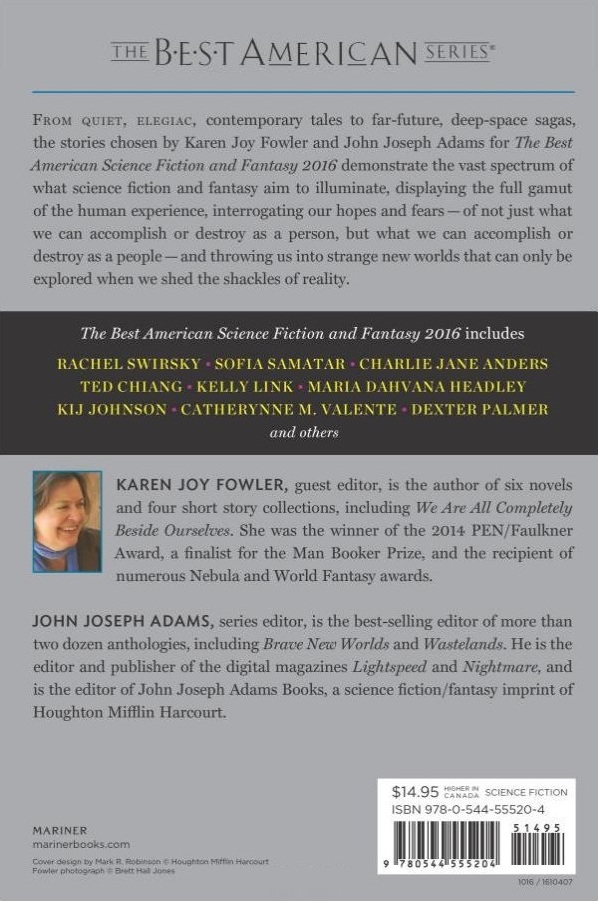
New Treasures: The Best American Science Fiction and Fantasy 2016, edited by Karen Joy Fowler and John Joseph Adams

New Treasures: The Best American Science Fiction and Fantasy 2016, edited by Karen Joy Fowler and John Joseph Adams

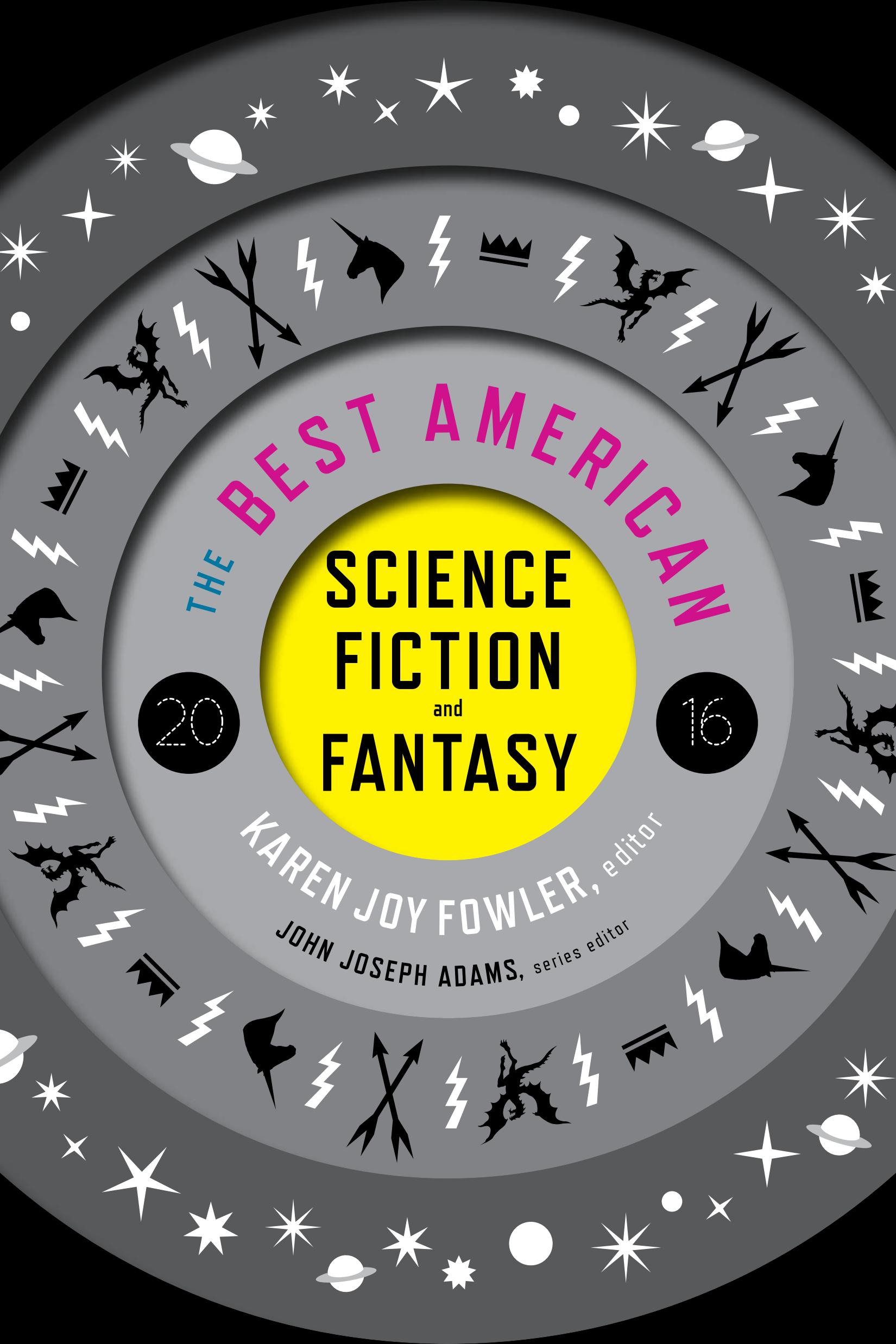
the-best-american-science-fiction-and-fantasy-2016-smaller the-best-american-science-fiction-and-fantasy-2016-small

Last year Mariner Books added an inaugural SF and fantasy volume, The Best American Science Fiction and Fantasy, to their highly regarded annual anthology series, which includes Best American Short Stories, Best American Mystery Stories, Best American Science and Nature Writing, and others. John Joseph Adams is the series editor; the 2015 edition was edited by Joe Hill and was one of the stronger Best of the Year anthologies from last year. (Check out the compete TOC for that first volume here.)

This year’s volume is edited by Karen Joy Fowler. It includes fantasy tales by Sofia Samatar, Rachel Swirsky, Salman Rushdie, Maria Dahvana Headley, Sam J. Miller, and others, and science fiction by Kelly Link, Catherynne M. Valente, Dale Bailey, Charlie Jane Anders, Ted Chiang, and many others.

It was published in trade paperback in October, and includes a foreword by John Joseph Adams, and an introduction by Karen Joy Fowler. It’s the eleventh and last of the major Best of the Year anthologies to appear this year, and it brings to a close the publishing season that began with Nebula Awards Showcase 2016 back in May.

Here’s the complete Table of Contents for The Best American Science Fiction and Fantasy 2016.

Read More Read More

Asimov’s SF and Analog Magazine Switch to Bi-Monthly Publication

Asimov’s SF and Analog Magazine Switch to Bi-Monthly Publication

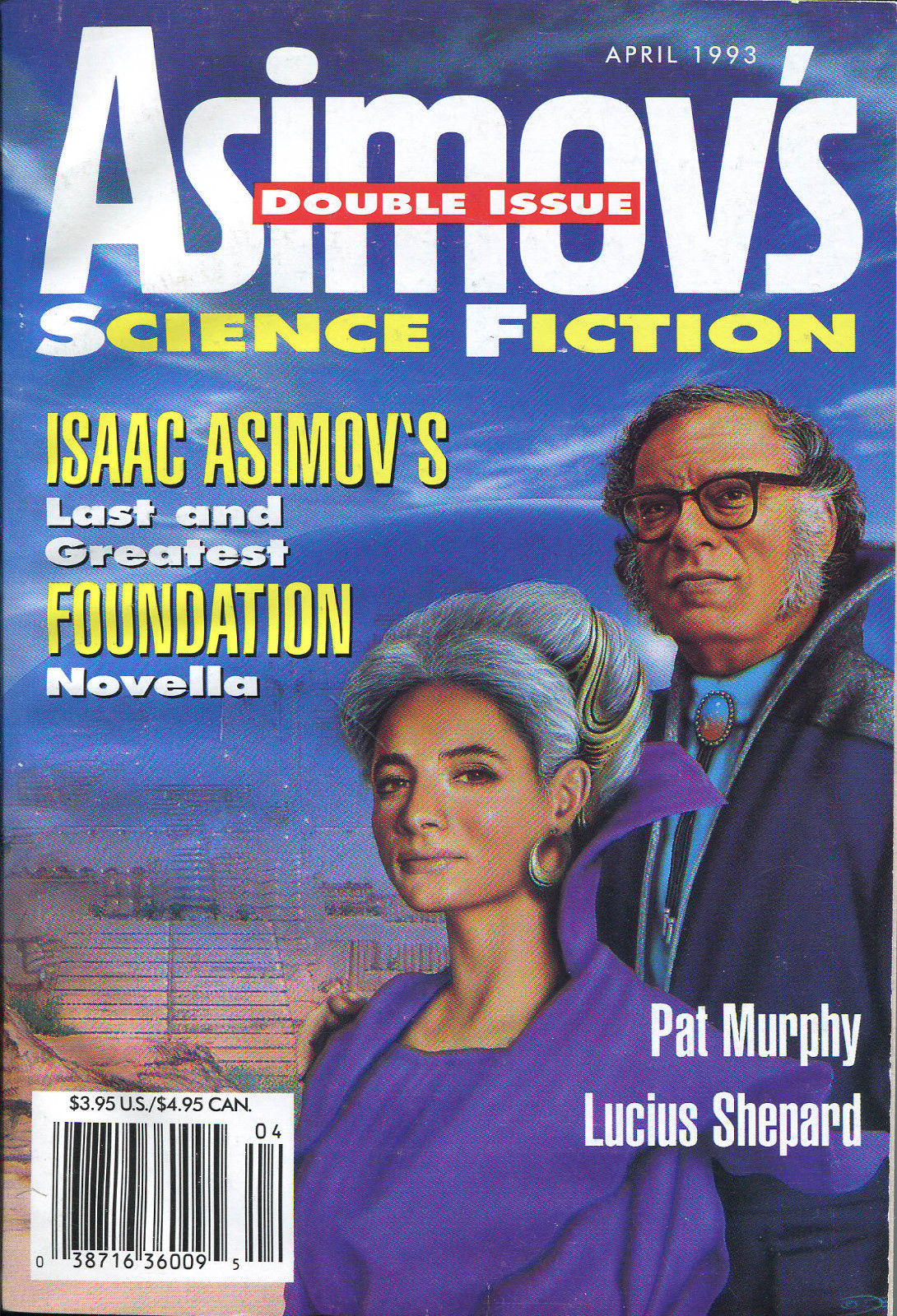
asimovs-science-fiction-april-1993-smallWay back in January 2009, F&SF edition Gordon Van Gelder announced that his magazine would be switching to bimonthly publication. Instead of 11 issues a year, including a special double-sized issue every October, F&SF would publish six double issues a year, in an attempt to reduce mailing costs and other overhead. At the time there were ominous rumblings and dire prophecies, but it seems to have worked out nicely for the magazine, which has been been publishing regularly every since.

Since then I’ve been waiting for the other shoe to drop — meaning, when would the two remaining print SF magazines, Analog Science Fiction/Science Fact and Asimov’s Science Fiction, follow suit? And on Wednesday Locus Online broke the news that both magazines would be switching to bimonthly publication starting in January 2017.

Asimov’s editor Sheila Williams explains in a forthcoming editorial that the magazines will now publish “six 208-page double issues” per year, a 16-page increase over current double issues. She expects the change will allow her to publish more novellas and a higher percentage of original cover art. Despite the change in publication schedule, she says readers “will receive the same number of pages of fiction as in the past,” and subscribers will “receive the same number of issue months” they purchased. Publishing bimonthly will allow them “to hold the current subscription prices a bit longer.” Both periodicals are published by Dell Magazines.

Speaking as someone who enjoys the big double issues, I view this as a positive development — and anything that helps the magazines save costs is a good thing. The current double-issue size is 192 pages, so the increase to 208 pages is another welcome change. However, it is a rather historic milestone for the genre. As Jonathan Strahan puts it:

Moving to a point where we have no monthly print fiction magazines left seems like some sort of turning point, though I don’t know towards what.

Visit the Asimov’s website here, and Analog here. See our November Fantasy Magazine Rack here, and all of our recent Magazine coverage here.

Medieval Treasures on Display in Madrid

Medieval Treasures on Display in Madrid

estuche-para-espejo-1370-1400-francia-marfil-c-the-trustees-of-the-british-museum-2016-all-rights-reserved

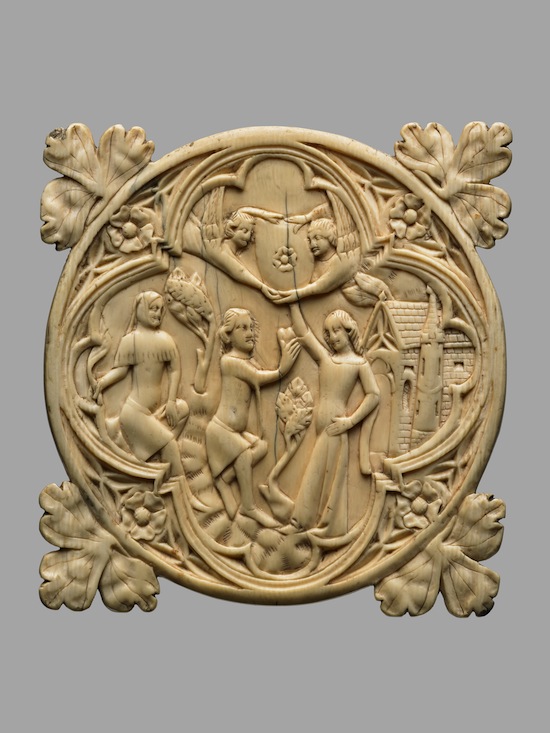
Mirror case, France, 1370-1400. Ivory. It depicts a love scene in a
garden where the happy couple hold a heart as cupids hover
overhead holding a shield and a hooded figure looks on.

One of Madrid’s leading private galleries is hosting a major exhibition on medieval art. The Pillars of Europe: Middle Ages in the British Museum brings together more than a hundred objects ranging from 400 to 1500 at CaixaForum’s Madrid branch.

The exhibition aims to show through objects and images how Europe transformed from the fragmentation after the fall of the Roman Empire through the Middle Ages and into the emerging nation states at the beginning of the Renaissance. An excellent map shows how borders shifted over the century, and a slideshow gives period depictions of Europe’s cities as they grew and became more prominent. The objects are grouped into four themes: Royal Power, Heavenly Treasures, Courtly Life, and Urban Life.

Read More Read More

Seeking Solace

Seeking Solace

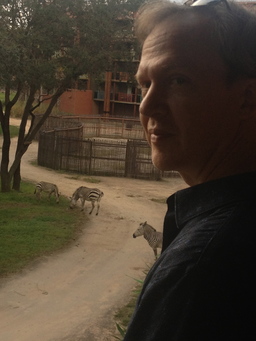
howard-zebras-smallWhen assembling the first round of Black Gate bloggers one of the few rules I laid down was that we keep our personal politics and religion out of our posts. John and I both wanted to create a safe and welcoming space where people of all stripes could come together to discuss the genres we love.

Over the last week I’ve never found that admonition more of a challenge. You see, I’ve been grieving. Not for any one person’s loss, or even because the side I backed lost, but because it feels to me that an ideal has vanished. That ideal may not have been flawless, but I shudder at the manner in which the leading proponent of a replacement movement conducts himself. And for the first time in my life I’m not just disheartened by an election result contrary to my own wishes, I’m a little frightened.

I believe I’m in the letter of my own law still because I’m not here to proselytize. The preceding paragraph is solely for context so you’ll understand what it is that’s upset me. If, like me, the depth of your own grief and your anger and fear surprise you, you’ve probably been wondering how to cope. I wish I could give you a good answer. I can tell you that one of the things I’ve done is distract myself with the genres I love. The other was to create some art. That is one (and not the only) way I mean to act.

Read More Read More

Celebrate a Glorious Half Century with The Best of Star Trek: Volume 2 – Fifty Years of Star Trek

Celebrate a Glorious Half Century with The Best of Star Trek: Volume 2 – Fifty Years of Star Trek

50-years-of-star-trek-volume-2-smallI’ve been celebrating the 50th Anniversary of Star Trek in my own way. Meaning I’ve been giving in to impulse buys, and snatching up those commemorative photo-books and magazines when I see them. Yeah, they’re sometimes a little lacking in depth, but it doesn’t matter. I buy them mostly for the marvelously nostalgic photos, for the way they manage to make Star Trek — one of our most venerable franchises — young again.

Titan Comics has been publishing the official Star Trek magazine since 1995, and they collected collected some of the best articles from that magazine in The Best of Star Trek: Volume 1 – The Movies (June 2016). This is the second volume in that set, covering the various broadcast series. It will be available at the end of the month.

The 50-year history of Star Trek, as told by the people who were there – every cast member interviewed.

From the vaults of Star Trek Magazine, we celebrate a half-century of Star Trek in a volume packed with classic archive interviews with every lead cast member, from William Shatner to Patrick Stewart, to Chris Pine and beyond. Featuring every incarnation of world’s favorite sci-fi saga, including the stars of the original series, The Next Generation, Deep Space Nine, Voyager, Enterprise, and the Trek movies, familiar faces reveal the true story behind the greatest moments in the fifty-year history of Star Trek.

Celebrating the fiftieth anniversary of the world’s favorite sci-fi saga, this special collection of cast interviews tells the true story behind the making of Star Trek. Join us as we revisit classic interviews with the entire casts of every Star Trek series, including William Shatner (Captain Kirk), Leonard Nimoy (Spock), Patrick Stewart (Jean Luc Picard), Brent Spiner (Data), Kate Mulgrew (Captain Janeway), Jolene Blaylock (T’Pol), and many more. We’ll also discover how actors Chris Pine (Kirk), Zachary Quinto (Spock), Zoe Saldana (Uhura), and the stars of the recent movies made the characters their own.

The Best of Star Trek: Volume 2 – Fifty Years of Star Trek will be published by Titan Comics on November 29, 2016. It is 176 pages in full color, priced at $19.99 for both the trade and digital editions.

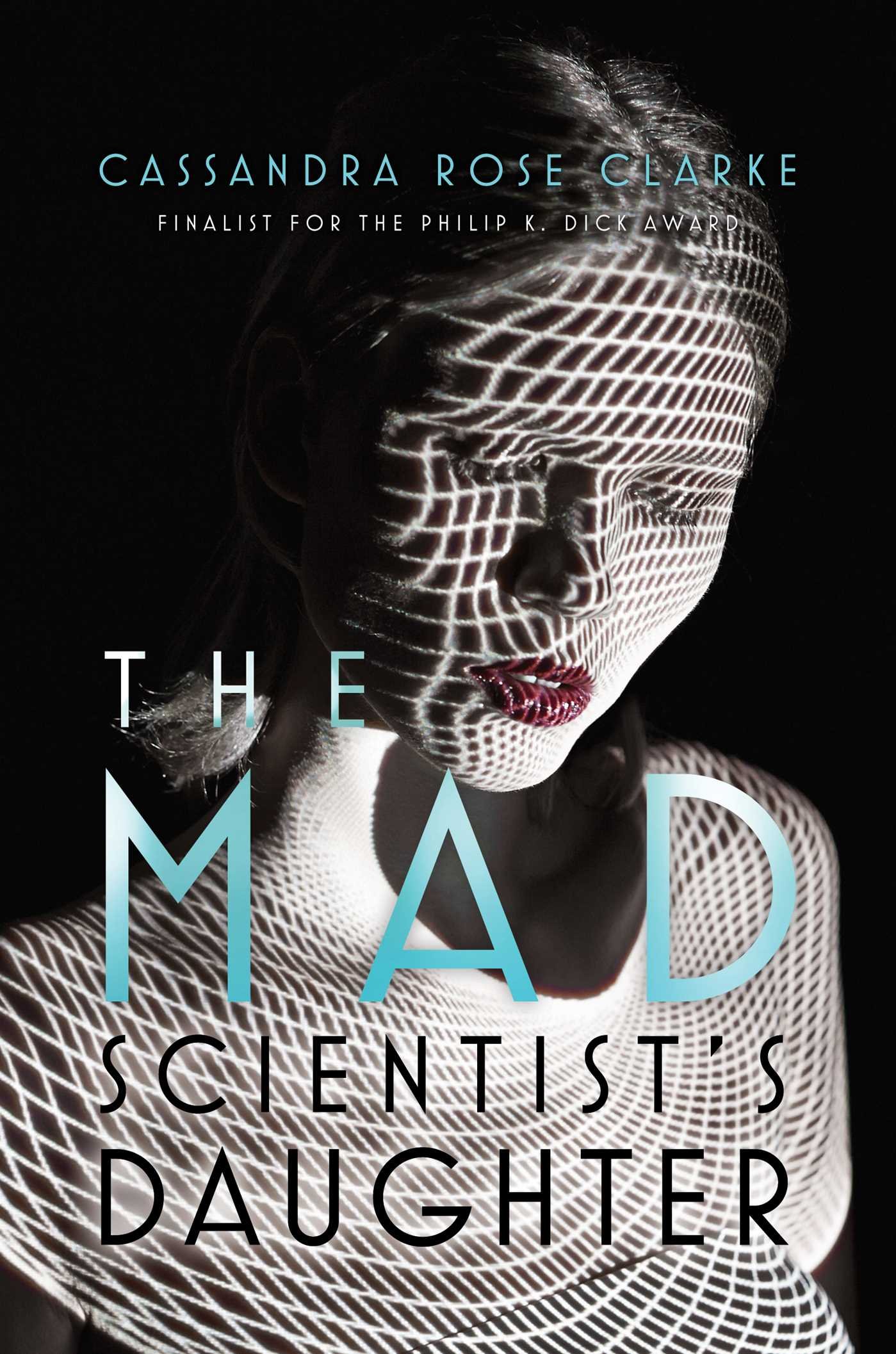
Fathers, Don’t Let Your Daughters Date Androids: The Mad Scientist’s Daughter by Cassandra Rose Clarke

Fathers, Don’t Let Your Daughters Date Androids: The Mad Scientist’s Daughter by Cassandra Rose Clarke

the-mad-scientists-daughter-smallCassandra Rose Clarke is the author of The Assassin’s Curse series and the very intriguing Our Lady of the Ice, which features a female PI, ruthless gangsters, and robots agitating for independence in an Argentinian colony in Antarctica.

But her biggest claim to fame was her first novel for adults, The Mad Scientist’s Daughter, which was originally published in the UK and the US by Angry Robot in 2013. It was nominated for the Philip K. Dick Award for distinguished science fiction novel published in paperback in the United States (although it lost out to Ben H. Winters’s Countdown City).

Now Saga Press has returned the book to print in an attractive new edition, in both hardcover and trade paperback. An SF fairy tale set in a collapsing future America, about a girl and the android she falls in love with,, The Mad Scientist’s Daughter was called “One of the most realistic science fiction stories ever told” by io9.

When Cat Novak was a young girl, her father brought Finn, an experimental android, to their isolated home. A billion-dollar construct, Finn looks and acts human, but he has no desire to be one. He was programmed to assist his owners, and performs his duties to perfection.

His primary task now is to tutor Cat. Finn stays with her, becoming her constant companion and friend as she grows into adulthood. But when the government grants rights to the ever-increasing robot population, Finn struggles to find his place in the world. As their relationship goes further than anyone intended, they have to face the threat of being separated forever.

The Mad Scientist’s Daughter was published by Saga Press on November 8, 2016. It is 327 pages, priced at $26.99 in hardcover, $14.99 in trade paperback, and $7.99 for the digital edition.

See all of our recent New Treasures here.