Palace Intrigue, Ruins, and Ancient Libraries: The Sun Eater Series by Christopher Ruocchio
 |
 |
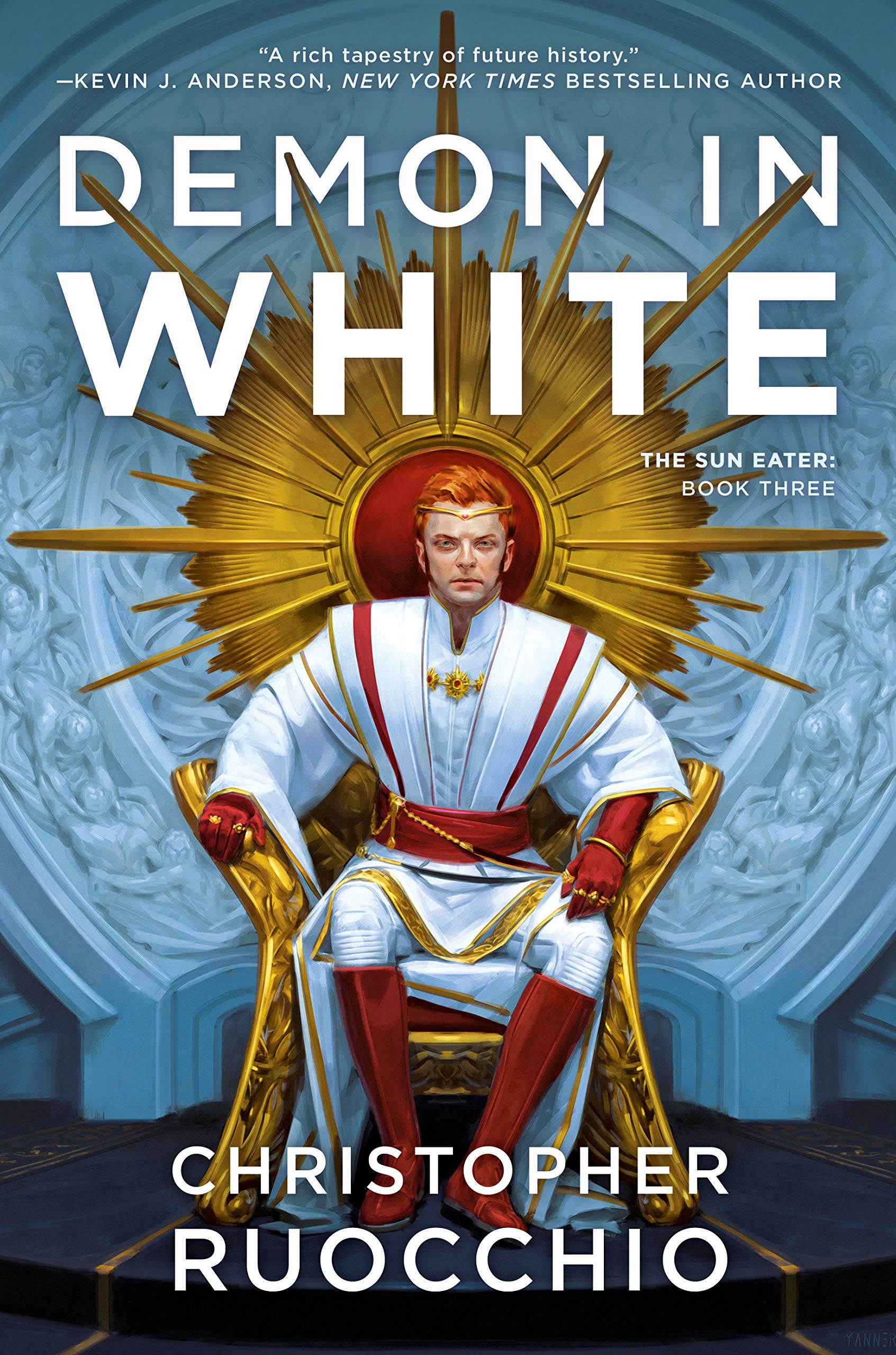 |
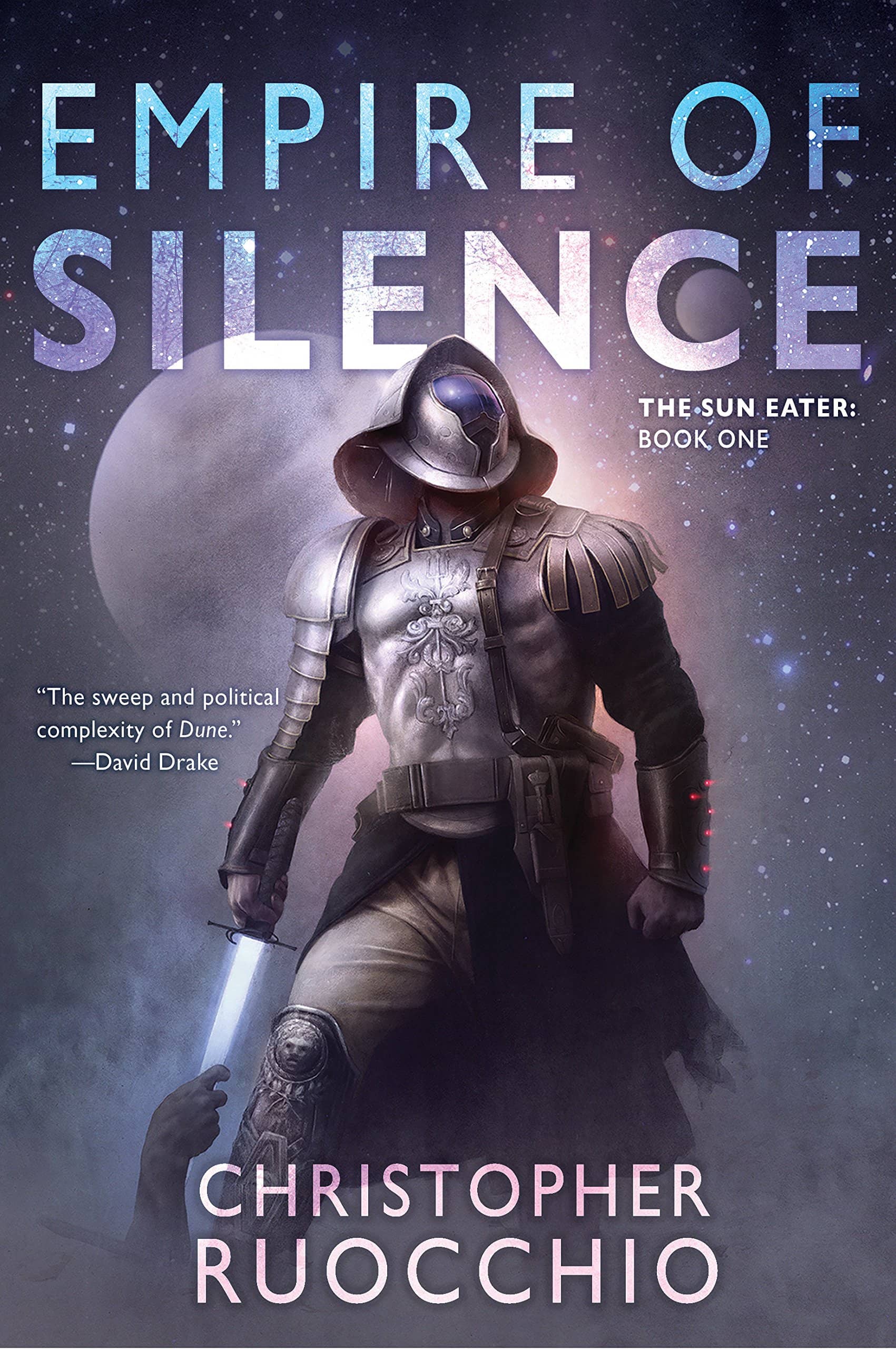
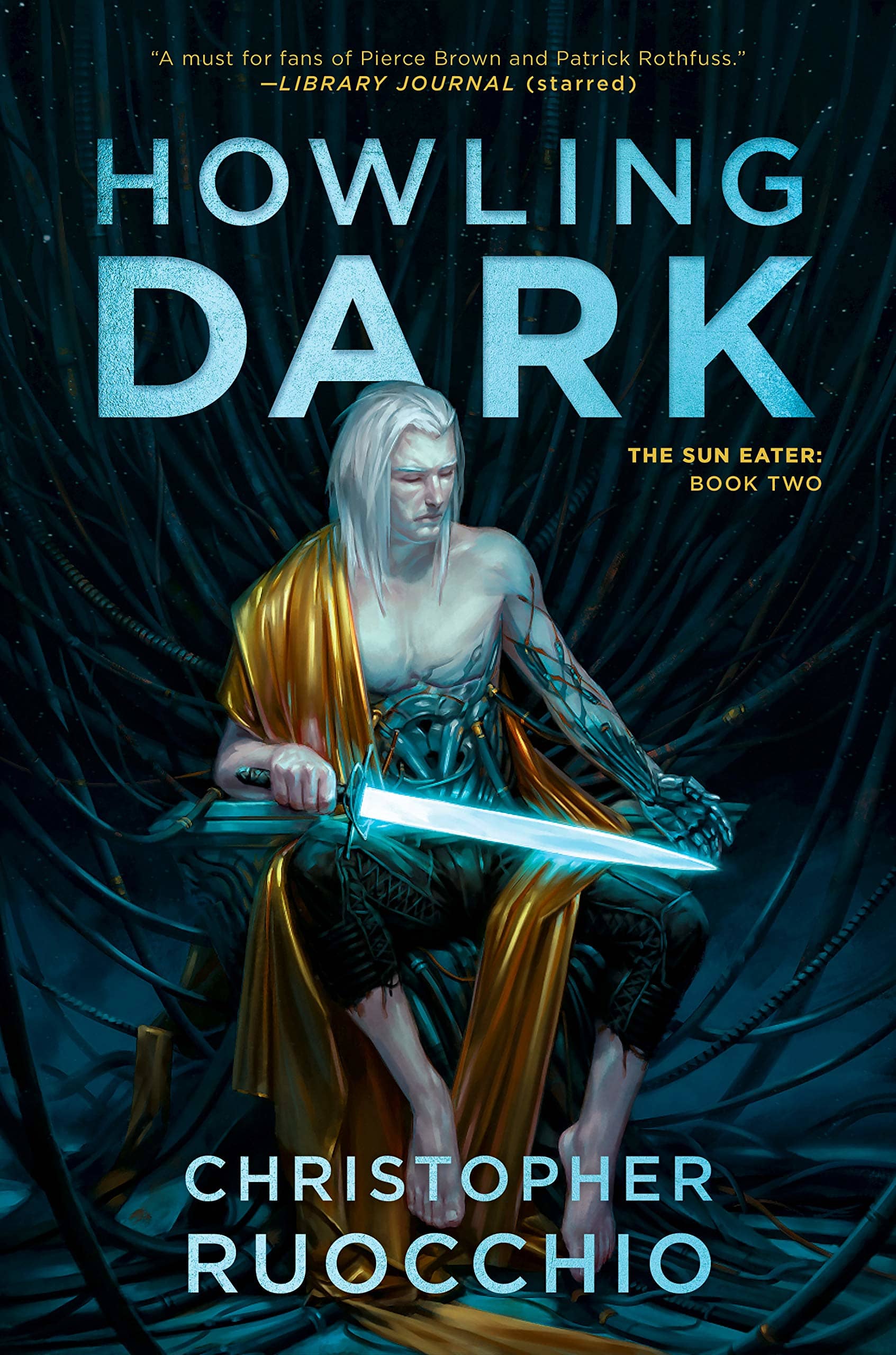
Covers by Sam Weber (Empire of Silence) and Kieran Yanner (Howling Dark and Demon in White)
Christopher Ruocchio’s debut novel Empire of Silence (DAW 2018) was the opening volume in the epic Sun Eater space opera. Library Journal called it a “wow book… stretched across a vast array of planets,” and my buddy Eric Flint labeled it “epic-scale space opera in the tradition of Iain M. Banks and Frank Herbert’s Dune.” Howling Dark, the second in the series, was published last July, and won Ruocchio an even wider audience.
The third novel, Demon in White, was easily one of the most anticipated novels of the summer. It was published in July and, with some 300 reviews at Goodreads, boasts an amazing 4.70 ranking — a rare accomplishment. Here’s an excerpt from my favorite Amazon review, from Dave Wilde.
The third novel in this science fiction series begins with palace intrigue so deadly and dangerous that even Hadrian the Half-Mortal thinks he might just be safer in the heat of battle.
Much of the story has Hadrian and Valka and the rest of Red Company digging through ruins or ensconced in study in an ancient library. Nevertheless, for those looking for breathtaking ferocious battle, it’s all here, nastier, dirtier, bloodier, and more terrifying. On the way, the legend of Hadrian grows as the royals fear he is on his way to becoming so powerful that even the throne will fall to him.
Balanced against fierce battles against mankind’s greatest enemies — the kind that views humans as cattle to be slaughtered for dinner — are mystical questions about fate and coincidence and free will and what forces are out there beyond history. Whose tool is Hadrian and who does he serve? And whose tools are the enemies? The fate of the universe just may hang in balance.
Demon in White was published by DAW Books on July 28, 2020. It is 784 pages, priced at $27 in hardcover and $14.99 in digital formats. The cover is by Kieran Yanner. See all our recent coverage of the best in new SF & Fantasy series here.
 Yesterday I wrote about

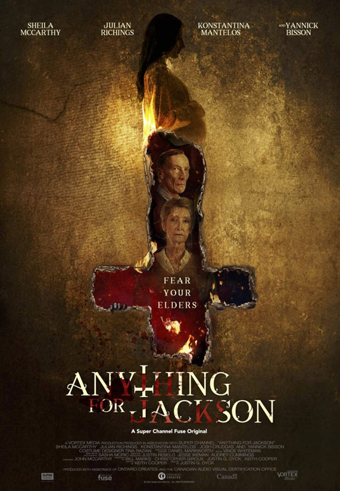 Macbeth is one of the earliest true horror stories, in the sense of a story whose main aim is to play with the emotion of fear, and there’s a notable comic-relief scene with a gatekeeper right after the first gruesome murder. That scene became the subject of a famous essay by Thomas de Quincey arguing (roughly) that the horror’s made greater by contrast. So from the point where horror first began to emerge as a genre, storytellers have been conscious of the effect that comes from balancing horror with the everyday, and even with the comedic.
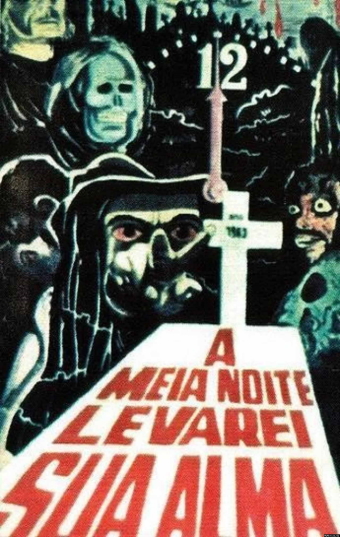 Brazilian director José Mojica Marins died earlier this year at the age of 83. He made low-budget films across a number of genres, with his horror work best known. His character Coffin Joe (Zé do Caixão), introduced in the 1963 film At Midnight I’ll Take Your Soul (A Meia Noite eu Levarei sua Alma) is a kind of national ghoul of Brazil. Fantasia decided to honour Marins by making three of his films available on-demand through the festival, and scheduling a talk about Marins with his friend Dennison Ramalho on the last day of the festival;
 Film noir’s usually thought of as an urban genre. Its standard setting is the mean streets down which a man must go who is not himself mean. But a city’s not necessary; the Criterion Channel recently hosted a collection of Western Noir, films like Rancho Notorious and The Walking Hills. The ingredients for noir — violence, criminality, a morally bleak world — can be brought together anywhere.