Charles R. Saunders’ ‘Luendi’
 Charles Saunders has posted a terrific short story over at the blog section of his website — the sort of story that would not have been out of place in a classic issue of Weird Tales. ‘Luendi’ is in four, rather short, parts, and gives us the fate of one Piet van Brug, a man that embodies all the vilest characteristics of imperialism. Colonial Africa in 1890 is the setting, or more precisely an unexplored section of the interior beyond the British and Boer possessions of South Africa dubbed ‘Azungaland’ by its conqueror. It is an area rich in diamonds — rich enough to bring the yoke down around the heads of the peaceful and previously unknown people that live there.
The Azunga rescued van Brug from disease and death in the wake of a disastrous expedition sponsored by Cecil Rhodes to explore the land “between the Zambezi River and the upper reaches of the Kalahari Desert.” Peaceful, living in a fabulous stone kraal akin to the ruins of Zimbabwe, the Azunga welcome van Brug with kindness and are repaid with treachery. When van Brug discovers they posses a rich seam of diamonds in a cave nearby, he returns to Johannesburg, raises an expeditionary army with the diamonds he managed to steal, and returns to enslave the people that had saved his life.


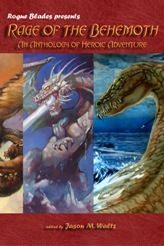 Heroic fantasy anthologies are a rare sight these dates. And those willing to to take a gamble on emerging authors – virtually non-existant.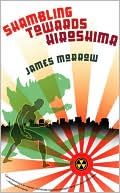
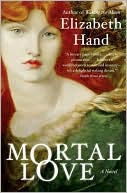 One good thing about the recession is I have more time to catch up on my reading. And I don’t have to worry about spending money on books during tough times as I already own a ridiculous number of volumes that I never had the time to get around to. One of almost recent vintage is Shambling Towards Hiroshima by James Morrow. It’s a clever premise: a parallel effort to the Manhattan Project is to develop a race of super lizards to level Japanese cities and end World War II. The irony here is that the whole Godzilla mythos of badly made, badly acted 1950s Japanese movies was a metaphorical projection of the atomc bombings. The plot, such as it is , concerns an American horror monster actor who is recruited to provide a realistic demonstration of the lizard’s destructiveness to force the Japanese surrender without having to deploy the monsters (what many critics of the U.S. atomic bombings argue might have sufficed instead of targeting cities). Morrow is one of my favorite authors, though this is a minor work; even at novella length, the premise is stretched a bit thin, and maybe would have worked better at a shorter length in pruning some plotting that doesn’t really advance the theme. Still, worth checking out.
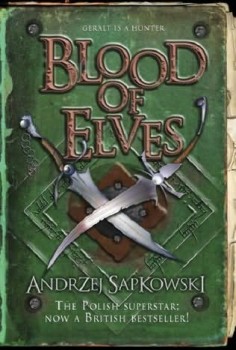 My first thought upon hearing that Andrzej Sapkowski had won the inaugural
 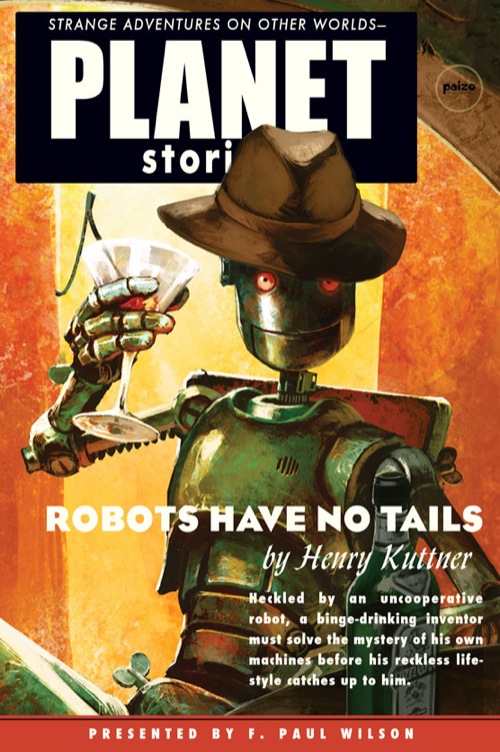 Apologies for my radio silence last week. Candidly, I was at a loss for a subject, until Fate and Amazon put the perfect book into my hands (which I’ll talk about below), which wasn’t until sometime late in the week.
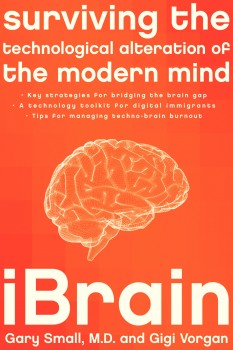 Last month I read a psychology book exploring the implications of the digital information age. In