An Excerpt from Shadow’s Lure by Jon Sprunk
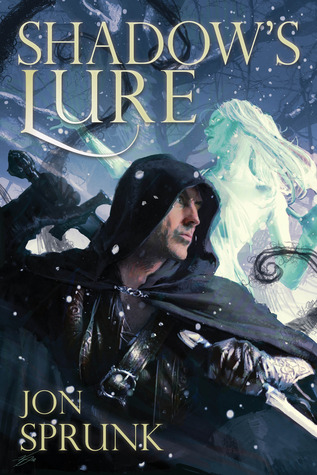
By Jon Sprunk
Pyr Books (391 pages, $16, June 2011)
Warning: Adult language
Caim pitched forward as a stray root snagged his toe. With both hands bound behind his back, he would have fallen if not for the men holding him upright.
They had been marching for some time now, first across snow-covered fields and then along a hunting trail through woods that turned out to be deeper and more extensive than he first assumed. The trees grew taller than Caim had ever seen before, some more than ten times his height. Masses of black briars with finger-long thorns made travel in a straight line impossible. In the distance rose the dark outlines of hills against the starry sky. If they were the southern tip of the Kilgorms, that would put him roughly southwest of Liovard.
His captors were fifteen cloaked men, including Keegan and his large comrade. Kit flitted among them, peering under their hoods and occasionally darting ahead. Every so often she returned to report her findings, which weren’t much. They were local men, which he had already guessed. None of them wore anything heavier than a thick woolen jacket, but each man held some type of implement in hand, however, whether it was a simple truncheon or a rusty thresher. The big man, Ramon, was their leader, although how Kit discovered that when the men hardly spoke was a mystery to Caim.
A light appeared through the trees ahead. Small and flickering at first, it grew brighter as they traveled, even as the path became more uneven, sometimes disappearing altogether for a few yards before it reappeared. Another few minutes brought the party to a wide clearing lit up by three bonfires. Sturdy boles as wide as a man’s height surrounded a patch of ground seventy paces across.

 In a galaxy, far, far away,
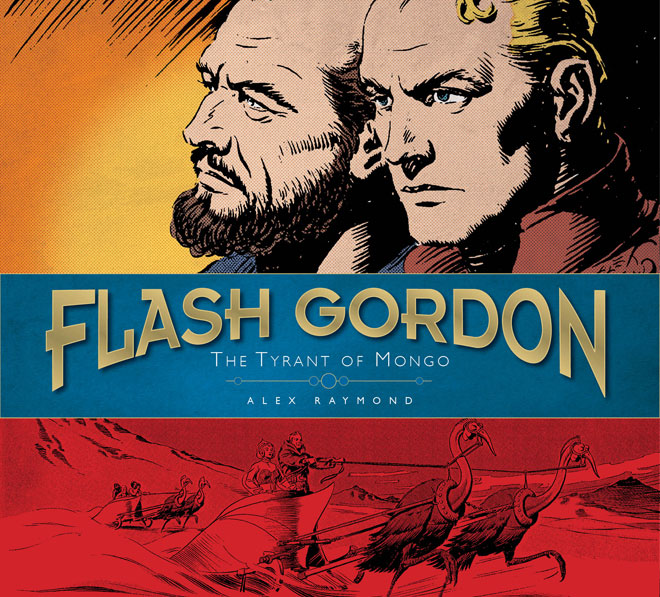
 Part 1 of a 2-part series
 Five years have passed since Edgar Rice Burroughs wrote Lost on Venus, and the world has undergone a startling and disturbing metamorphosis. Something sinister and confusing is taking place in Europe, and across the Atlantic waters the people of the United States are growing concerned at the saber-rattling of Nazi Germany. The poverty-crippled period in which ERB wrote the previous Venus books has given way to a time of escalating fear of a second great war.
 Dear Black Gate Readers,