Goth Chick News: Cool Stuff from the Chicago Comic-Con
 Ah, August in Chicago.
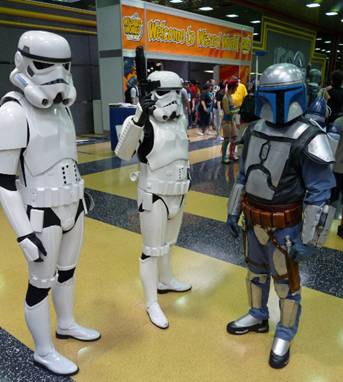
Bicyclists along the lake front, street festivals, the Navy Pier Ferris Wheel… and so many guys dressed like storm troopers you can’t spit a piece of gum without hitting one.
It’s once again Comic-Con time in the city.
Each year, following the bacchanalia in San Diego in July, the less manic, more edgy and far more spandex-laden version makes its way to my favorite city and thanks to my Black Gate creds, I get VIP access every August. The big Hollywood bunny-huggers in California can keep their con. Give me the artsier, indy-er and far more laid back Midwest version where you can still hobnob with the entertainment industry; but instead of seeing them from behind black draped partitions, you walk right up, shake hands and have a chat.
Amazing cartoonists, emerging authors, small-movie moguls and performance artists all mix with Iron Man-costumed day traders and slightly overweight Batmen.
A better afternoon you couldn’t hope to spend.
In the coming weeks it will be my distinct pleasure to bring you in-depth looks at some of my absolute favorite finds from the 2011 show. But being one of those “open at least one present on Christmas Eve” kind of girls, I couldn’t wait for the interviews to start taking shape.
So, here are a few of the most unique sights that caught my attention, in a good way. Believe me, there were a lot of sights that caught my attention in an entirely different way altogether, but I’ll stow my snark and stick to the cool stuff, listed in no particular order.
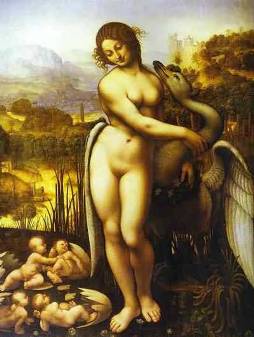
 Sunday was the fiftieth anniversary of the death of Clark Ashton Smith. We morbid fans of a writer with a delectable taste for morbidity love to celebrate death anniversaries as much as birth ones, and the seduction of the half-century mark is too great to dismiss.
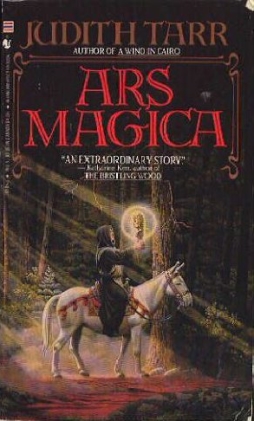 Fantasy fiction is very often set either in the European Middle Ages, or in lands that are intentionally highly reminiscent of the Middle Ages in terms of technology and social structure. It is true that the use of European medieval settings is less common now than it has been, and also true that there have always been counter-examples. But it seems that much fantasy still relies on the European Middle Ages to define itself, one way or another. Sadly, one often has a sense that these backgrounds are not wholly thought-through; not realised as completely as they might be. The setting in a lot of fantasy, particularly I think in commercial fantasy fiction, seems to be a very generic Middle Ages in which medieval stereotypes mix with unexamined modern assumptions.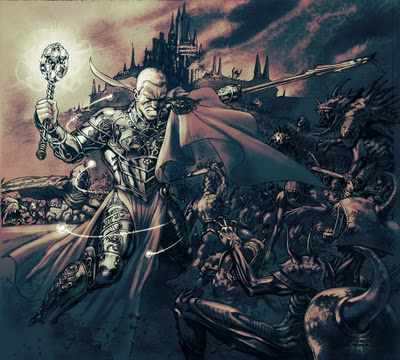
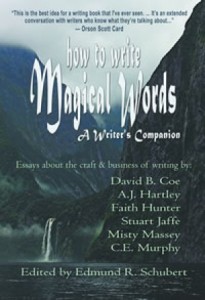
 NPR has posted its