Teaching and Fantasy Literature: Revenge of Son of Writing Fantasy Heroes
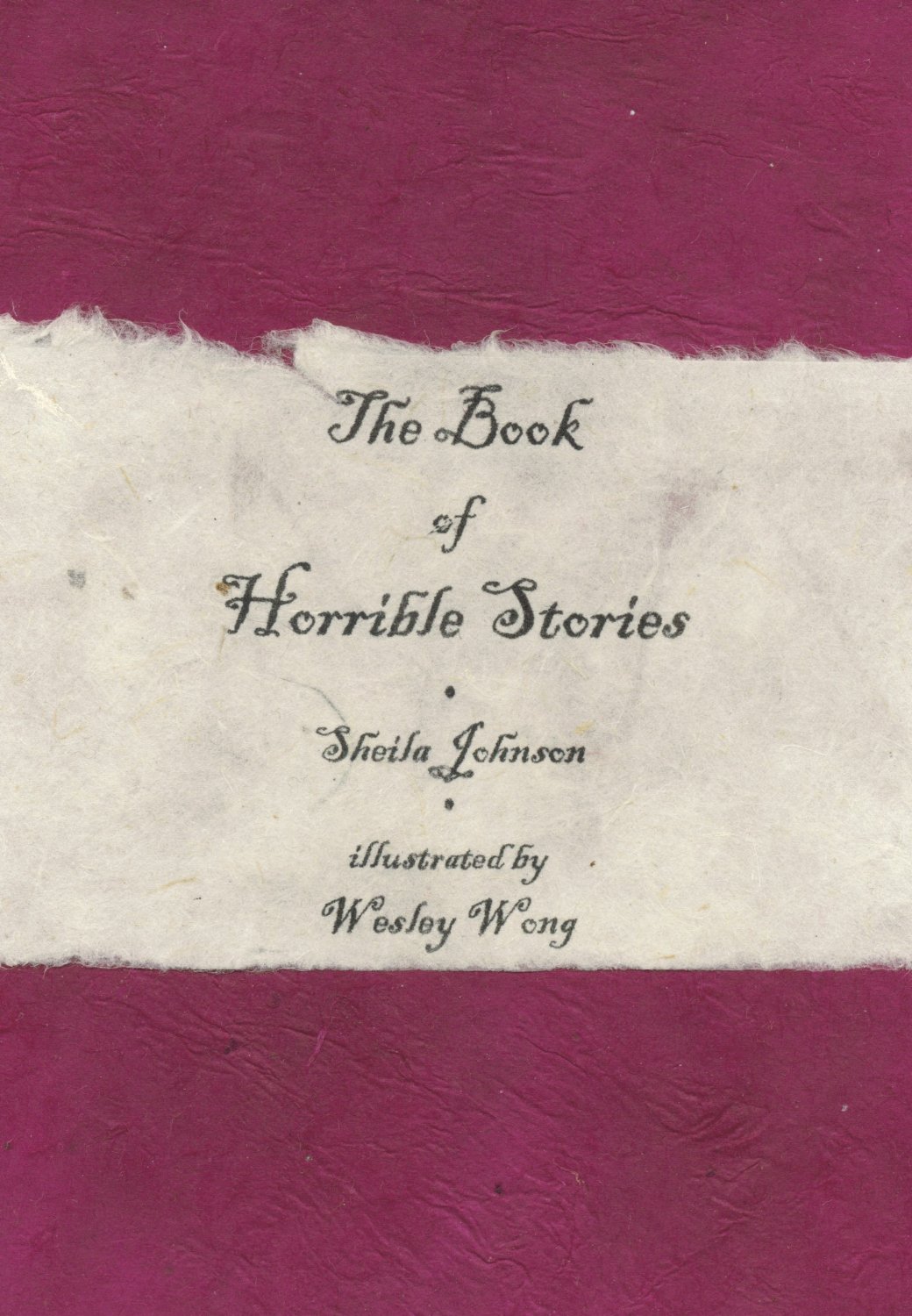
I’ve been writing about Jason M. Waltz’s Writing Fantasy Heroes: Powerful Advice from the Pros for a couple of weeks now. It’s specialized, far more specialized than most classic how-to-write books, which usually talk about fiction generally, or process generally, or a whole genre at a time. Examining every permutation of a particular technical challenge in a particular genre is a weird thing for a writing book to do. The essays Waltz has assembled here are also structurally similar in an uncommon way: in each essay, the author walks the reader through passages from his or her own work, sometimes in early draft, with comments about choices that worked or didn’t. The how-to-write book is a genre beset by the Problem of Terrible Sameness, but Writing Fantasy Heroes is different from any other writing book on your shelves. While it may not have the universality of John Gardner’s The Art of Fiction, it will help a great many new writers already know how they want to specialize.
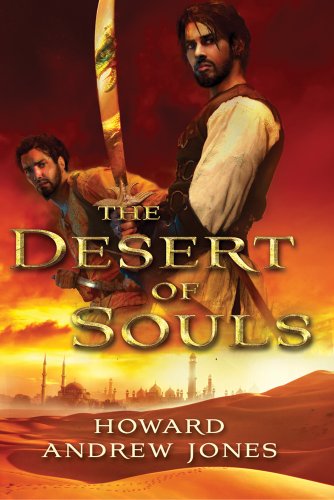 Howard Andrew Jones’s “Two Sought Adventure” details the problems and potentials in stories that have more than one hero. A story with multiple heroes is very different from a one-hero story with a sidekick, love interest, foil, nemesis, or whatever. There are plenty of straightforward techniques for using secondary characters to reveal a single protagonist’s character. Using two (or more) heroes to do this for one another in a way that feels balanced and gratifying for the reader is a tougher trick. Dialogue is crucial, and Jones offers close readings of dialogue from his own work and others’ that illustrate ways to welcome the reader into the shorthand, in-jokes, and shifting tones in conversations between longtime friends. He also addresses a problem I’ve seen in too much professionally published fiction: the duo that bickers like an old married couple, to the point where you wish they would split up, go away, or get eaten by the monster already. Friends have conflict, and friends engaged in epic heroics may have epic conflicts, but bickering is only entertaining in small doses, and it’s rarely illuminating. Jones offers a variety of specific alternative ways to handle conflict between heroes, and to interweave it with a story’s other conflicts.