Browsed by
Category: Series Fantasy

The Omnibus Volumes of C.J. Cherryh, Part IV: The Complete Morgaine
The Omnibus Volumes of C.J. Cherryh, Part IV: The Complete Morgaine

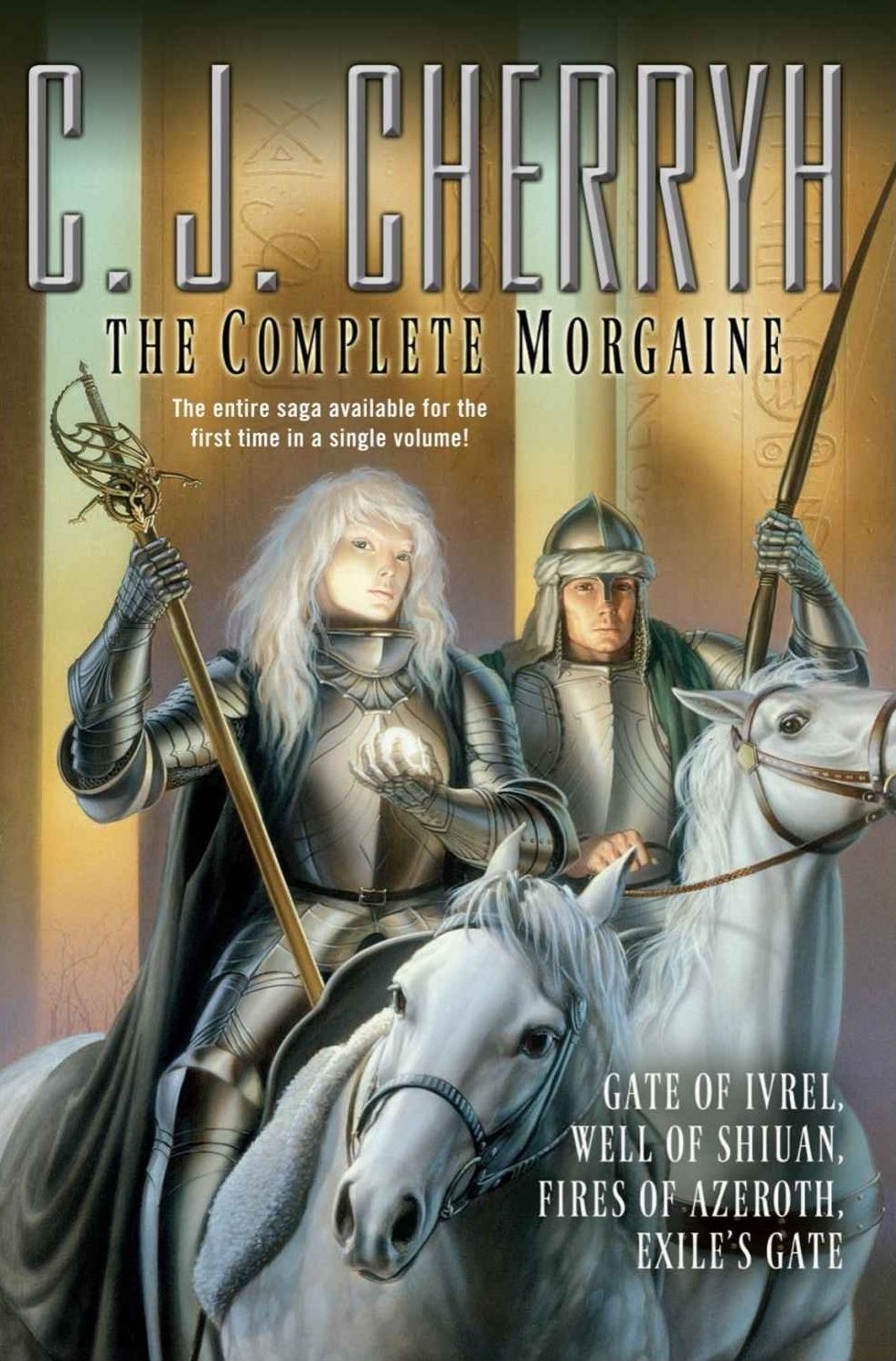
The Complete Morgaine CJ Cherryh-smallLast year, in my series on The Omnibus Volumes of C.J. Cherryh, I mentioned The Morgaine Saga, a collection of the first three novels in her classic sword-and-sorcery series. That’s a fine book, but there are two problems with it. One, it doesn’t include the final novel, Exile’s Gate, and two, it’s been out of print for over a frickin’ decade.

Ah well… I guess when you’re a vintage paperback collector, you shouldn’t look a gift horse in the mouth. The Morgaine Saga was a terrific book, and collectors were glad to get it (when we could find it). Gate of Ivrel, Cherryh’s first novel, and the first book in the series, was a breakout book for her. She won the John W. Campbell Award for Best New Writer the year after it appeared, and it helped launch her entire career (for the intimate details of her start in the business, watch CJ’s talk at 2016 the Nebula Awards last month.)

In honor of CJ’s Grand Master at the Nebula’s, DAW gave out samples of her work to all the attendees. And I was surprised and delighted to find a copy of The Complete Morgaine among the giveaways. Published in trade paperback last year, it contains all four books for the first time in a single volume:

Gate of Ivrel (1976)
Well of Shiuan (1978)
Fires of Azeroth (1979)
Exile’s Gate (1988)

I guess it’s true what they say… good things come to he who waits. The Complete Morgaine was published in September 2015 by DAW Books. It is 816 pages, priced at $20, with a cover by Michael Whelan. It also contains an introduction by Andre Norton. We previously surveyed The Omnibus Volumes of C.J. Cherryh (and there’s more than you think): Part I, Part II, and Part III.
Sample Three New Pathfinder Tales Soundclips from Macmillan Audio!

Sample Three New Pathfinder Tales Soundclips from Macmillan Audio!

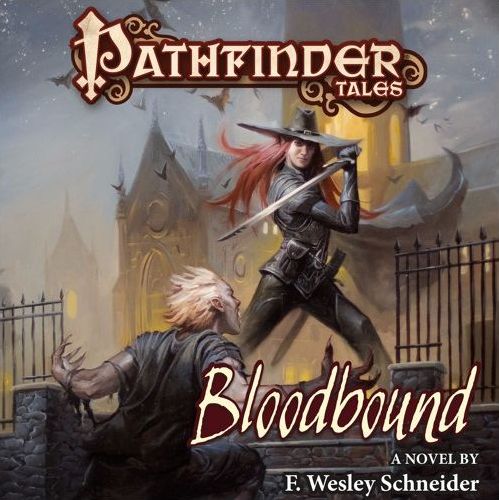
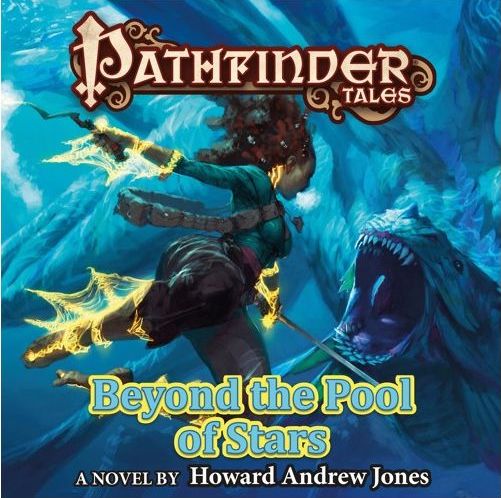
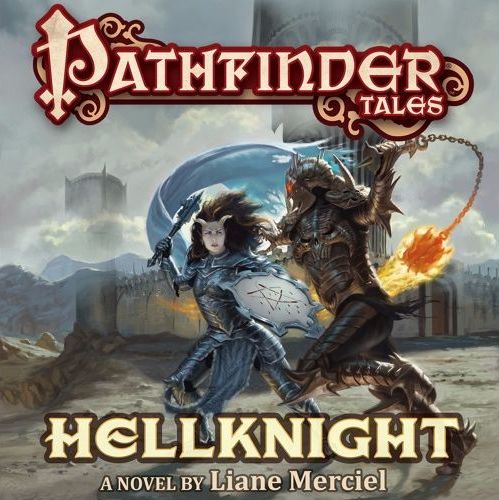
Pathfinder Tales Hellknight audio-small Pathfinder Tales Bloodbound audio-small Pathfinder Tales Beyond the Pool of Stars audio-small

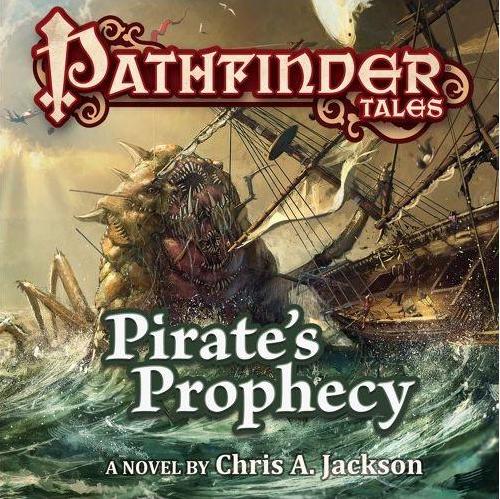
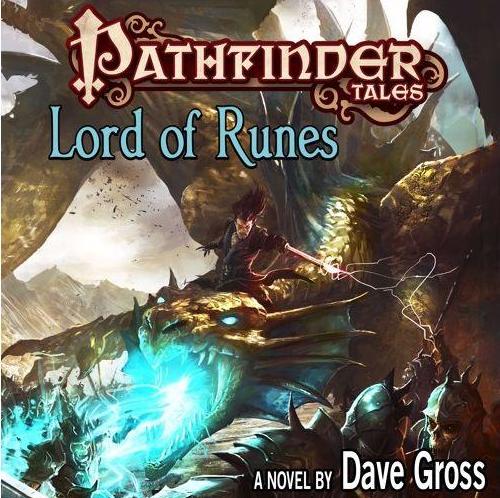
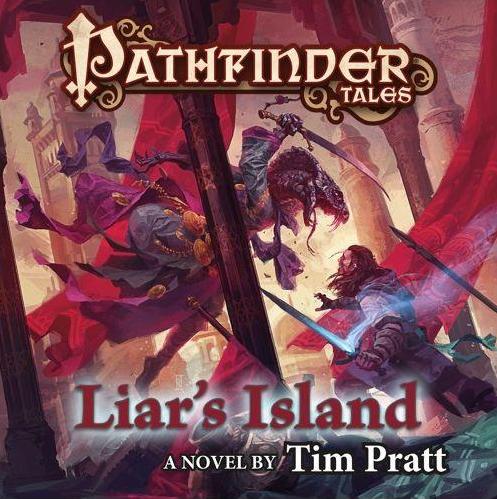
Two weeks ago we shared three Pathfinder Tales soundclip samples from Macmillan Audio with you, from the audiobook versions of Pirate’s Prophecy by Chris A. Jackson, Dave Gross’ Lord of Runes, and Liar’s Island by Tim Pratt. They were extremely well received, so we’re back by popular demand with three more — including a sample from Beyond the Pool of Stars, by our very own Howard Andrew Jones!

Hellknight by Liane Merciel
Bloodbound by F. Wesley Schneider
Beyond the Pool of Stars by Howard Andrew Jones

[Links will take you to our previous coverage of each book.]

Each clip is about ten minutes long. So sit back, close your eyes, and let professional readers Ilyana Kadushin and Steve West whisk you away to a world of magic and adventure!

Read More Read More

How Does Story Happen? An Interview with Jane S. Fancher

How Does Story Happen? An Interview with Jane S. Fancher

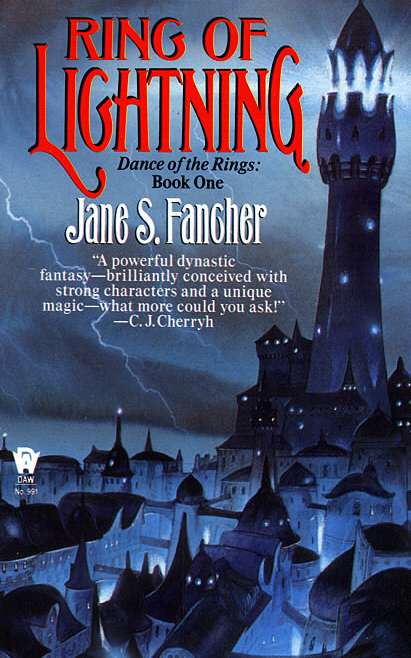
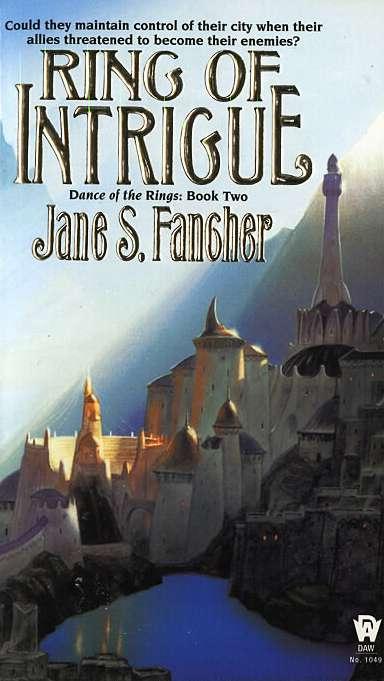
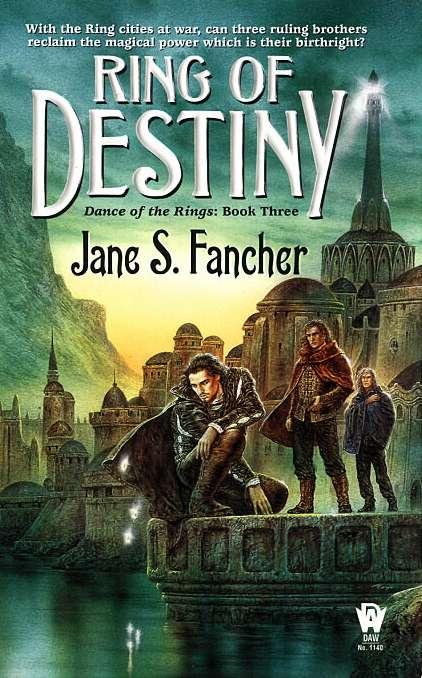
Ring of Lightning Jane S Fancher-small Ring of Intrigue Jane S Fancher-small Ring of Destiny Jane S Fancher-small

In my report on the 2016 Nebula Awards weekend, I talked about my two-part interview with SF and fantasy writer Jane S. Fancher, author of the Groundties trilogy and the Dance of the Rings novels. (It turned into a two-part interview because the memory on my new iPhone maxed out while recording CJ Cherryh’s epic Grand Master talk, and my first attempt at an interview lasted all of three minutes. Fortunately, Jane was understanding enough to pick up our interview 24 hours later.)

The Dance of the Rings novels were some of the first review copies I ever received, back in the late 90s when we were first getting the review site SF Site off the ground, so they meant a lot to me personally, and it was a delight to finally meet Jane in person. Turns out we had a lot in common, not the least of which was fond memories of the 90s comic scene (especially WaRP Graphics, publishers of ElfQuest, where Jane got her start in the industry), and a fascination with SF publishing. She was kind enough to share her stories of breaking into the industry, the tumultuous ups and downs of starting with short-lived Warner Questar, publisher of her first three novels, and switching to DAW for her first fantasy series.

Read More Read More

Future Treasures: The Medusa Chronicles by Stephen Baxter and Alastair Reynolds

Future Treasures: The Medusa Chronicles by Stephen Baxter and Alastair Reynolds

Arthur C Clarke A Meeting With Medusa-small Arthur C Clarke The Medusa Chronicles-small

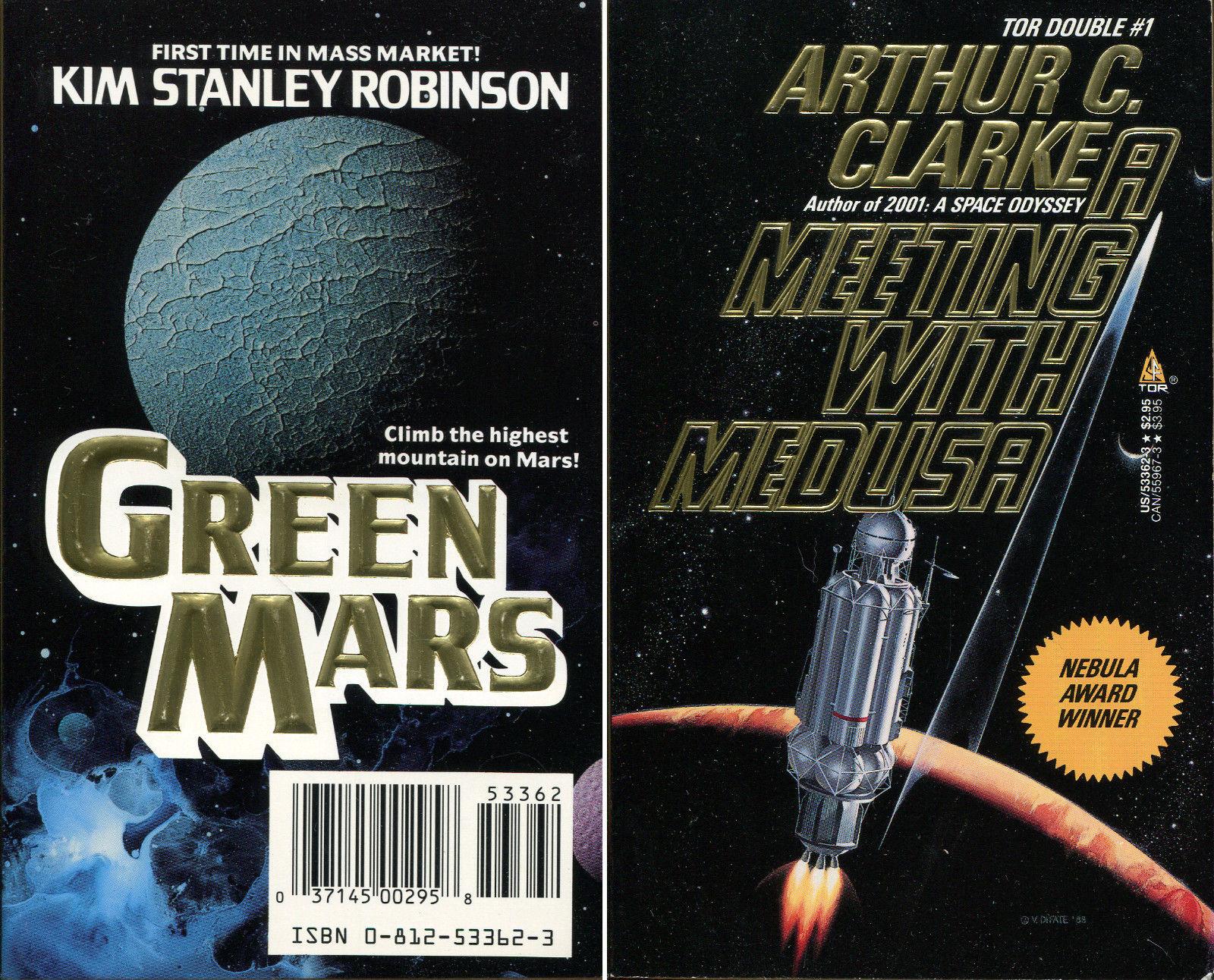
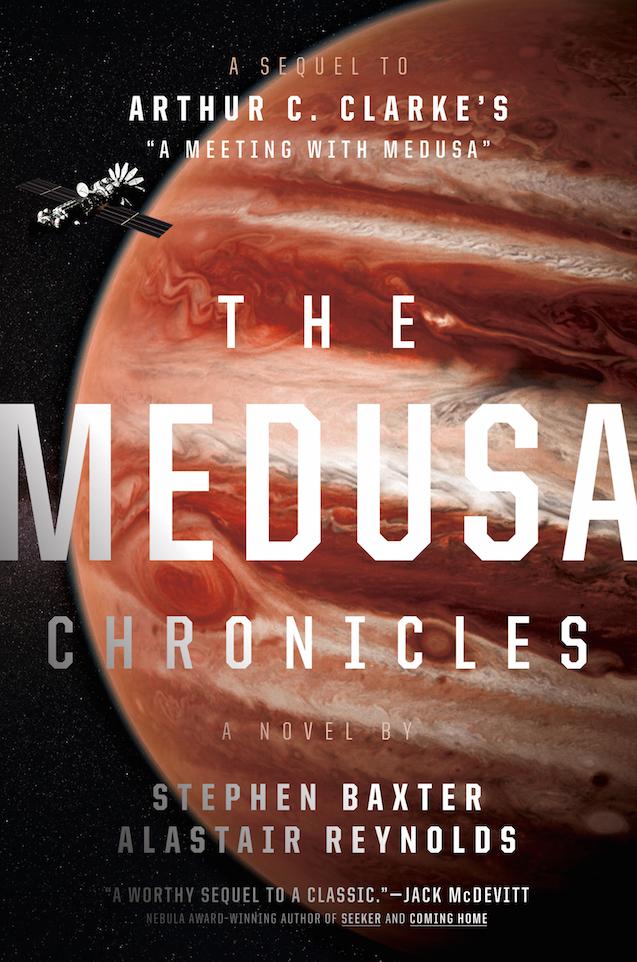
Arthur C. Clarke’s A Meeting With Medusa won the Nebula Award for Best Novella in 1971, and 45 years later is still considered one of the great classics of SF. It introduced us to Howard Falcon, who suffered a terrible accident while exploring the hostile skies of Jupiter — an accident that nearly destroyed his helium-filled airship, and both turned him into the world’s first cyborg, his badly damaged body largely replaced with machines, and made him essentially immortal. When Falcon returns to Jupiter in a more advanced ship, he makes contact with giant jellyfish-like creatures he names “Medusae.” The Medusae may be intelligent, and Falcon’s experience with them changes him even more dramatically than his previous accident. Now Stephen Baxter and Alastair Reynolds have written a novel-length sequel to Clarke’s classic tale, following Falcon’s further adventures to the limits of our solar system… and beyond.

Inspired by Clarke’s novella, The Medusa Chronicles continues the story of Howard Falcon, perhaps humanity’s greatest ambassador and explorer, and the centuries of his adventures among our solar system, the rise of artificial intelligence, and our expansion on to other planets, written with the permission from Clarke’s estate by two of our greatest science fiction writers, Stephen Baxter and Alastair Reynolds.

The Medusa Chronicles is an awe-inspiring work by two modern masters of science fiction who have taken the vision of one the field’s greatest writers and expanded upon it, combining cutting-edge science, philosophy, and technology into a transcendent work of fiction that offers a plausible future for our solar system through the eyes of one of its great fictional heroes.

The Medusa Chronicles will be published by Saga Press on June 7, 2016. It is 412 pages, priced at $26.99 in hardcover and $7.99 for the digital version. The cover is by Getty Images.

Future Treasures: Pathfinder Tales: Liar’s Bargain by Tim Pratt

Future Treasures: Pathfinder Tales: Liar’s Bargain by Tim Pratt

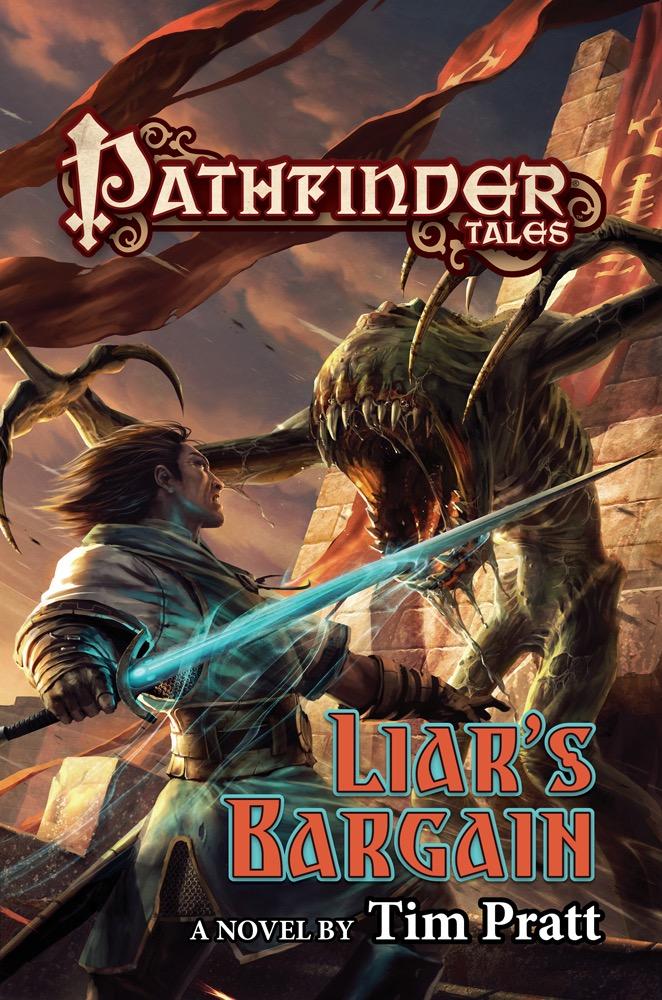
Pathfinder Tales Liar's Bargain-smallTim Pratt is one of the most popular and prolific authors in the Pathfinder Tales stable. His first two tales of Rodrick the thief were Liar’s Blade (called “Fafhrd-and-Grey-Mouser-style sword and sorcery adventure” by SF Signal) and Liar’s Island. The third in the series sees Rodrick and his talking sword Hrym pressed into service for the crime of theft in Lastwall… service that leads to some pretty hazardous duty, all in the name of defending the innocent.

Who Are You Calling Expendable?

When caught stealing in the crusader nation of Lastwall, veteran con man Rodrick and his talking sword Hrym expect to weasel or fight their way out of punishment. Instead, they find themselves ensnared by powerful magic, and given a choice: serve the cause of justice as part of a covert team of similarly bound villains — or die horribly. Together with their criminal cohorts, Rodrick and Hrym settle in to their new job of defending the innocent, only to discover that being a secret government operative is even more dangerous than a life of crime.

From Hugo Award winner Tim Pratt comes a tale of reluctant heroes and plausible deniability, set in the award-winning world of the Pathfinder Roleplaying Game.

Our recent Pathfinder coverage includes free Soundclip samples from Macmillan Audio, a look at Liane Merciel’s Pathfinder Tales: Hellknight, and Nick Ozment’s popular piece on the Fellowship of the Pathfinders.

Pathfinder Tales: Liar’s Bargain will be published by Tor Books on June 7, 2016. It is 288 pages (plus a 12-page preview of Starspawn by Wendy N. Wagner), priced at $14.99 in trade paperback and $9.99 for the digital version. The cover is by Raymond Swanland. See all our recent Pathfinder coverage here.

Sample the New Pathfinder Tales Soundclips from Macmillan Audio!

Sample the New Pathfinder Tales Soundclips from Macmillan Audio!

Pathfinder Tales Audio Pirate's Prophecy-small Pathfinder Tales Audio Lord of Runes-small Pathfinder Tales Audio Liar's Island-small

Audio samples are great way to try out new authors and new series — especially when they’re free! Macmillan Audio has offered us no less than six 10-minute soundclips from their hit Pathfinder Tales line, and we’re very pleased to be able to share them with you. The first three are (links will take you to our previous coverage):

Pathfinder Tales: Pirate’s Prophecy by Chris A. Jackson
Pathfinder Tales: Lord of Runes by Dave Gross
Pathfinder Tales: Liar’s Island by Tim Pratt

So sit back, close your eyes, and let professional reader Steve West whisk you away to a world of magic and adventure.

Read More Read More

New Treasures: The Trials of Apollo: The Hidden Oracle by Rick Riordan

New Treasures: The Trials of Apollo: The Hidden Oracle by Rick Riordan

The Trials of Apollo The Hidden Oracle-smallI was tremendously impressed to see best-selling author Rick Riordan matching $10,000 in donations made to Rosarium Publishing’s recent (and very successful) Indiegogo campaign. You don’t often see that level of small press love from someone who makes millions through a Manhattan publisher.

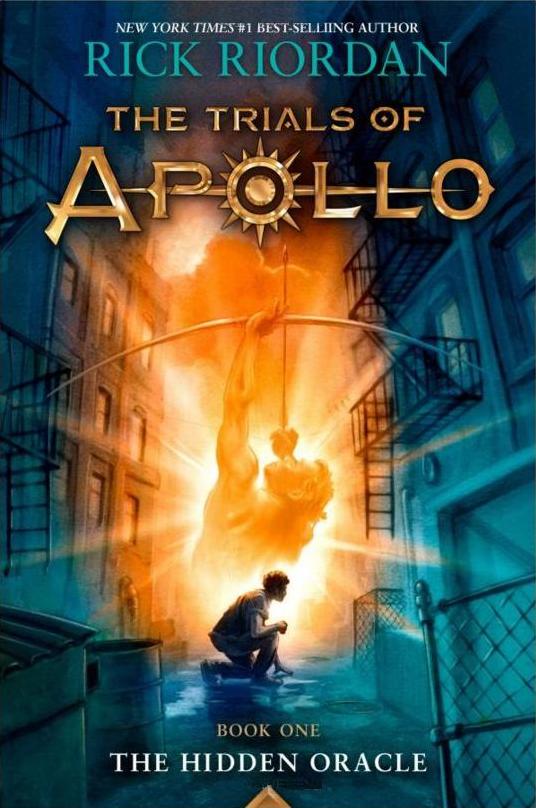
Rick Riordan seems like a solid all around guy, and I’m not just saying that because he said great things about my man Carlos Hernandez’s first collection, The Assimilated Cuban’s Guide to Quantum Santeria. Riordan is the author of the international bestselling Percy Jackson series, as well as the Kane Chronicles, and the Heroes of Olympus. His latest series for young readers, The Trials of Apollo, kicks off with The Hidden Oracle, now on sale from Disney-Hyperion.

How do you punish an immortal?

By making him human.

After angering his father Zeus, the god Apollo is cast down from Olympus. Weak and disoriented, he lands in New York City as a regular teenage boy. Now, without his godly powers, the four-thousand-year-old deity must learn to survive in the modern world until he can somehow find a way to regain Zeus’s favor.

But Apollo has many enemies-gods, monsters, and mortals who would love to see the former Olympian permanently destroyed. Apollo needs help, and he can think of only one place to go… an enclave of modern demigods known as Camp Half-Blood.

The Trials of Apollo, Book One: The Hidden Oracle was published by Disney-Hyperion on May 3, 2016. It is 384 pages, priced at $19.99 in hardcover and $14.99 for the digital edition.

Thieves Can: A review of the A Tale of the Kin series

Thieves Can: A review of the A Tale of the Kin series

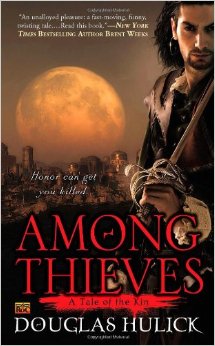
AmongThievesFantasy has a wide range of heroic archetypes, from the classic sword-wielding warrior to the wand-waving wizard, but I’ve always been fond of the characters that have at least a touch of the rogue in them. I’m pretty sure that over my decades of roleplaying, the number of characters I’ve played who could pick a lock probably outweighed those who could kick down the door by a factor of about two. From Aladdin to Bilbo, heroes that rely on skill, cleverness, and deftness over brute force have always appealed to me.

Despite that, though, I’ve rarely been drawn to stories explicitly about the criminal underworld, whether it be in fantasy or real-world fiction like The Godfather or The Sopranos. Fights over which particular thief or murderer can get the upper hand over his rival thieves and murderers have never captivated me that strongly.

That’s part of the reason why I was so surprised with how much I loved Among Thieves (Amazon), the first book in the A Tale of the Kin series of fantasy by Douglas Hulick.

“The Kin” from the series title is the underground criminal society of Hulick’s world, and it’s this rich and vibrant society that he has built that drew me in as much as anything else about the story. This isn’t a story about just some criminals having adventures, but about a people who, as a society, are as thoroughly developed as most cultures that an author has developed for their fantasy series. And, of course, as a criminal underworld, there’s also a larger society in which they exist and operate, and that society is itself fully realized.

Read More Read More

Ancient Planets and Treachery at Every Turn: Rich Horton on The Ginger Star by Leigh Brackett

Ancient Planets and Treachery at Every Turn: Rich Horton on The Ginger Star by Leigh Brackett

The Ginger Star Steranko-small The Ginger Star Boris Vallejo-small The Ginger Star Planet Stories-small

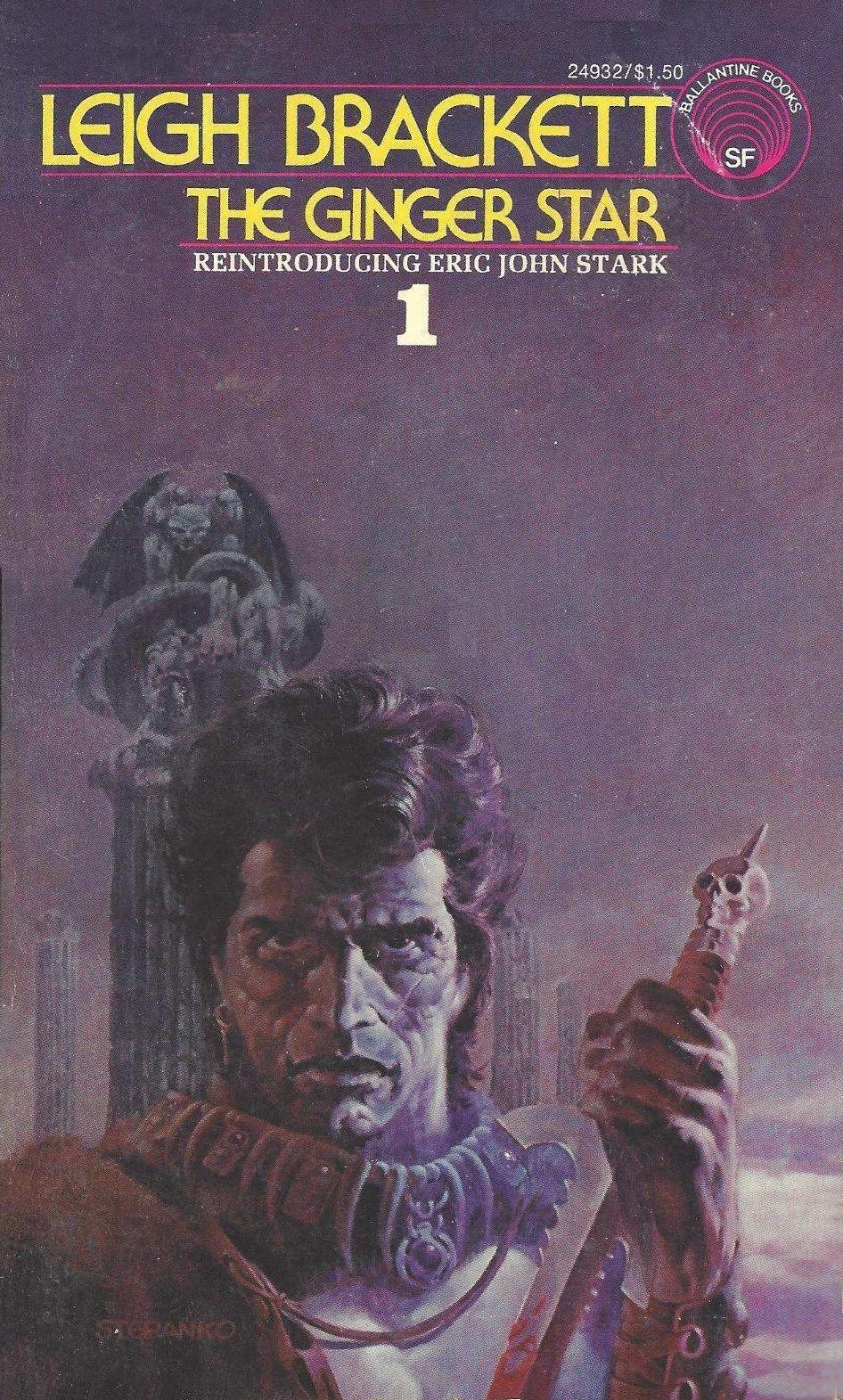
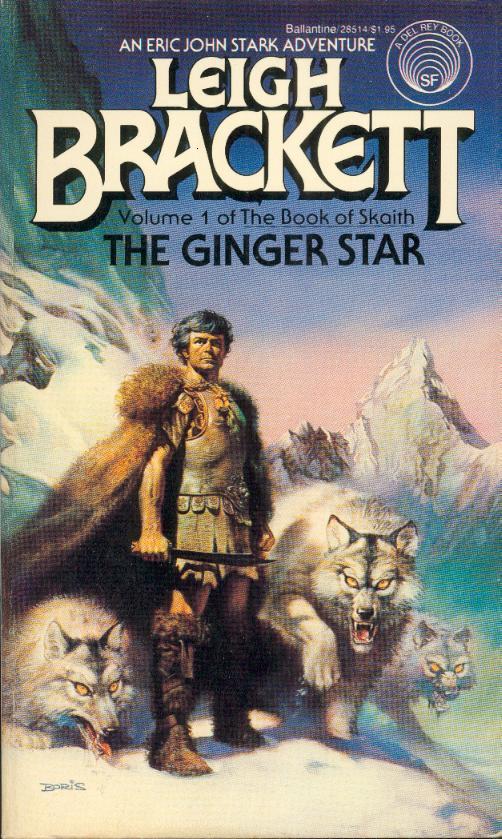
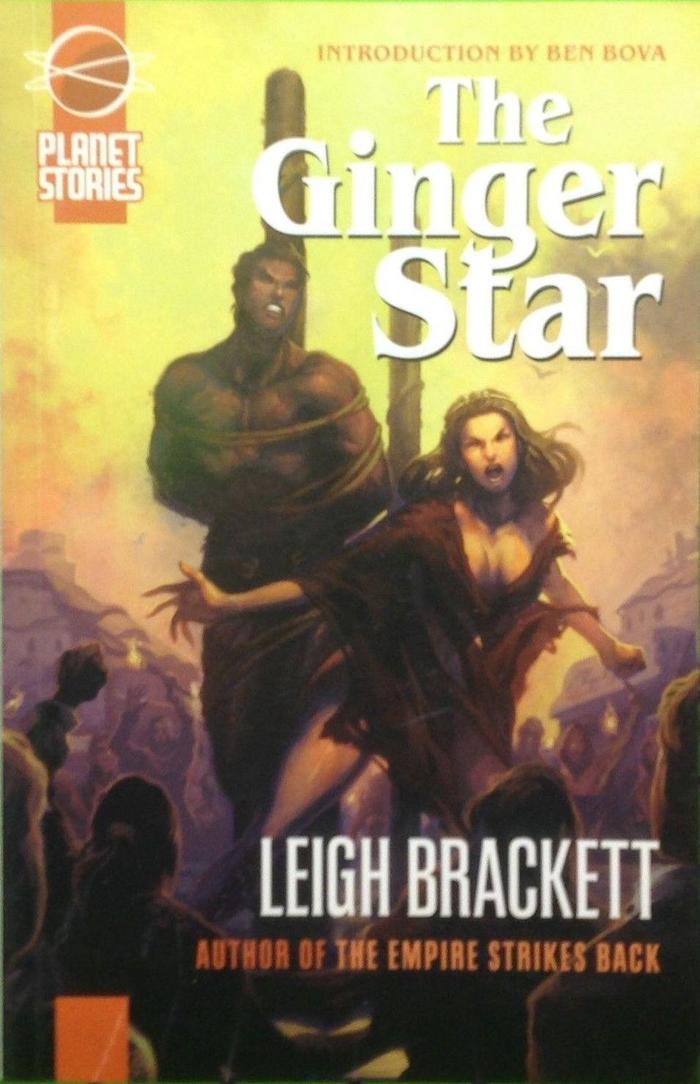
Over at his personal blog Strange at Ecbatan, Rich Horton reviews one of the great classics of science fantasy, Leigh Brackett’s The Ginger Star, the opening novel in the three-volume Book of Skaith.

I adore the great Brackett stories of the late ’40s and early ‘50s, particularly The Sword of Rhiannon, one of the great pure planetary romances; and other stories in the same loosely developed future (though The Sword of Rhiannon is really set in the past): “The Halfling,” “The Dancing Girl of Ganymede,” “Mars Minus Bisha,” “Shannach – the Last,” for example. Other SF was also very fine, most notably The Long Tomorrow, a post-Apocalyptic novel; but also The Big Jump and The Starmen of Llyrdis. Her slightly later story from Venture, “The Queer Ones” (aka “The Other People”) is excellent, and not terribly well known. The Eric John Stark stories fit into her Mars/Venus/etc. future – and they are quite enjoyable as well. Stark is portrayed as a nearly savage man, raised as an orphan on Mercury, and rampaging through Venus and Mars in the most prominent pieces.

The Skaith novels feature Stark as the protagonist, but they are set on a planet in another Solar System, Skaith. I had assumed that she set them there because the Mars and Venus of the earlier stories was no longer astronomically plausible, and perhaps that is the case, but it should be noted that in these books she does still portray Stark as a native of Mercury – also a highly implausible thing.

Read More Read More

Self-Published Book Review: Bitterwood by James Maxey

Self-Published Book Review: Bitterwood by James Maxey

If you have a book you’d like me to review, please see this post for instructions to submit. I’ve received very few submissions recently, and I’d like to get more.

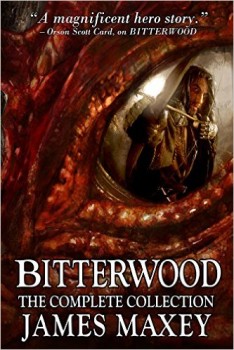
Bitterwood-coverThis month’s self-published book review is of Bitterwood by James Maxey. I’m stretching the definition of self-published in this instance, as Bitterwood was initially published by Solaris in 2007. But the version I’ve been reading is in Bitterwood: The Complete Collection, which appears to have been published by the author, and includes new material. The reason that I’m stretching definitions here is that I’ve received very few submissions recently. So if you’re interested in seeing your novel reviewed, please submit it to me.

Bitterwood is the story of a world ruled by dragons. These are not your standard fantasy dragons, though. They are four limbed — two hind claws, and two wings with foreclaws that allow manipulation — and they do not breathe fire. They’re also considerably smaller than fantasy dragons, the smaller ones being not much larger than a man, but they are considerably more civilized. They have a well-developed culture, and a hierarchy ruled by the large sun-dragons, served by the deft and scholarly sky-dragons, and the worker, earthbound earth-dragons. And beneath them all are the humans who work the fields and pay tribute. The dragon king, Albekizan, owns the entire known world, and everyone lives on it at his sufferance. The humans are considered little better than parasites, held in contempt and hunted for sport.

Except for Bant Bitterwood. Converted at a young age to a harsh form of Christianity by the wandering prophet Hezekiah, Bant was force to abandon his family by the prophet, and subsequently lost them to the dragons. Bitterwood abandoned his faith and swore vengeance, and has been hunting dragons ever since. Every dragon knows his name, and fears him as The Ghost Who Kills — a man who should be dead, who comes and goes like a ghost, and kills without mercy.

Read More Read More