Solitaire Gaming
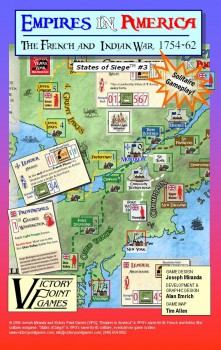 I should probably blame the whole thing on John O’Neill and Eric Knight.
It was Eric who introduced me to the true joy of war board games. Sure, I’d played many a game of Risk back in junior high, but the more I read about actual tactics, the more frustrated I became with the original board game which is more about luck than real strategy.
The late ’70s and ’80s, when I was in junior high and high school, were a golden era for tactical boardgames like Panzer Leader and Axis & Allies. I was aware of, but rarely played these games because when given the chance to game with friends, I chose role-playing over board games every time. I didn’t know how cool they could really be until Eric drove down a few years back and introduced me to the wonderful old Yaquinto board game French Foreign Legion and we had three hours of fun pushing cardboard counters into death-defying positions a la old Hollywood desert adventure movies. In those over-the-top extravaganzas every bullet counts and even the extras get dramatic death scenes.
I suddenly realized the fun I’d been missing, but I wasn’t well and truly hooked until O’Neill gave me an extra copy of Barbarian Prince and told me about solitaire boardgames. You can play a lot of games solitaire if you have to do so — as any younger sibling or only child can tell you — but it was never much fun to play Risk or Clue against yourself. Some games, though, are designed to be played solitaire, which is what drew me to Victory Point Games.
What I was REALLY looking for was a copy of French Foreign Legion (copies are very, very scarce, although Eric generously tracked one down for me as a gift). What I found was a solo wargame based on the Battle of Rorke’s Drift that had been inspired by one of my favorite movies, Zulu. Since stumbling upon that first game I’ve tried out a number of Victory Point Games titles, and today I thought I’d write about one of my favorites, Empires in America.
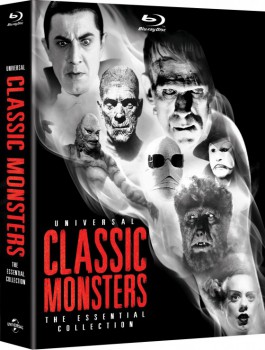 This year, the home video divisions of all the major distributors banded together and plotted a full-scale assault on the wallets and bank accounts of Blu-ray owners during September and October. Only the wealthiest could possibly survive an attack that began with the first Hi-Def release of the Indiana Jones films. But the supreme weapon, the ultimate October Surprise, is Universal’s huge ebony slab of fear, nostalgia, and latex make-up: Universal Classic Monsters: The Essential Collection. Spanning twenty-three years and nine films (advertised as eight, sorry Spanish Dracula), the long-anticipated set brings the Masters of Halloween into glorious 1080p for the first time, and in perfect seasonal position to drain your money before you waste it on a Jack Sparrow costume that forty other people are also going to wear to that same party.
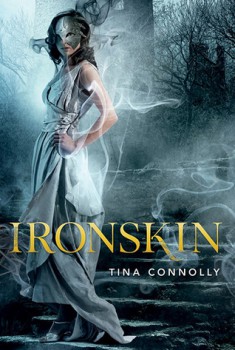 Ironskin
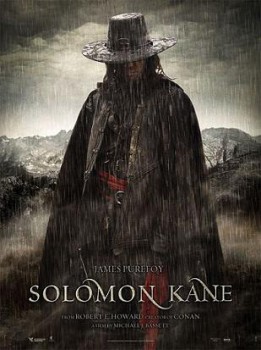 The sixteenth- and early seventeenth-century Puritan adventurer Solomon Kane is my favorite of Robert E. Howard’s serial characters: a fascinating mixture of obsession, religion, righteousness, history, and dark fantasy awesomeness. However, it’s the character I love, not necessarily the stories in which he appeared. With the exception of “Wings in the Night,” the Solomon Kane stories are mid-range pieces in Howard’s canon, not at the consistent level he delivered later with Conan, King Kull, or many of his one-shots. Solomon Kane appeared early in Howard’s short professional pulp career, with the first published story in the August 1928 issue of Weird Tales. Perhaps if Howard stayed longer with the Puritan hero while his storytelling skills increased, he might have equaled the Conan series in quality.
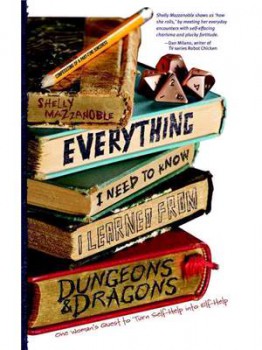 Everything I Need to Know I Learned From Dungeons & Dragons
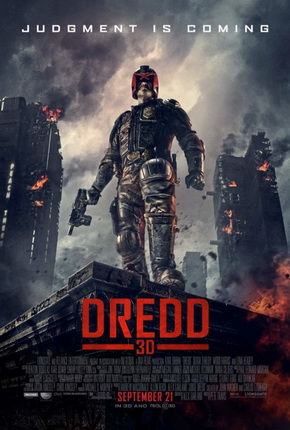 The Charge: Attempting to re-start a film franchise about a classic comic book character.