Browsed by
Category: New Treasures

The Many Shades of Horror: Best New Horror #29 edited by Stephen Jones

The Many Shades of Horror: Best New Horror #29 edited by Stephen Jones

Best New Horror 29 slipcase-small

For twenty-nine years editor Stephen Jones has been selecting the best horror stories of the year. Usually the anthology appears around October; the latest volume, Best New Horror #29, is actually a bit late, being published in February 2019 but showcasing the best of 2017.

As customary the book also includes a comprehensive overview of the books and movies that appeared during the year, and the changes in the horror publishing world (including pertinent obituaries).

The current volume assembles twenty-one stories penned by some of the most acclaimed horror writers in the genre, addressing a variety of themes. One always wonders if the tales are really the best, and comparisons are often made with the choices of other anthologists compiling the year’s best horror stories.

I have long concluded that those are useless questions. With a few exceptions of outstanding quality, on which anyone can agree, at the end of the day  personal taste is what really counts. Therefore, following that same way of thinking, I’ll mention here the stories that I found the best in this particular anthology.

Read More Read More

Is Truth Knowable? Matthew Surridge on Golden State by Ben H. Winters

Is Truth Knowable? Matthew Surridge on Golden State by Ben H. Winters

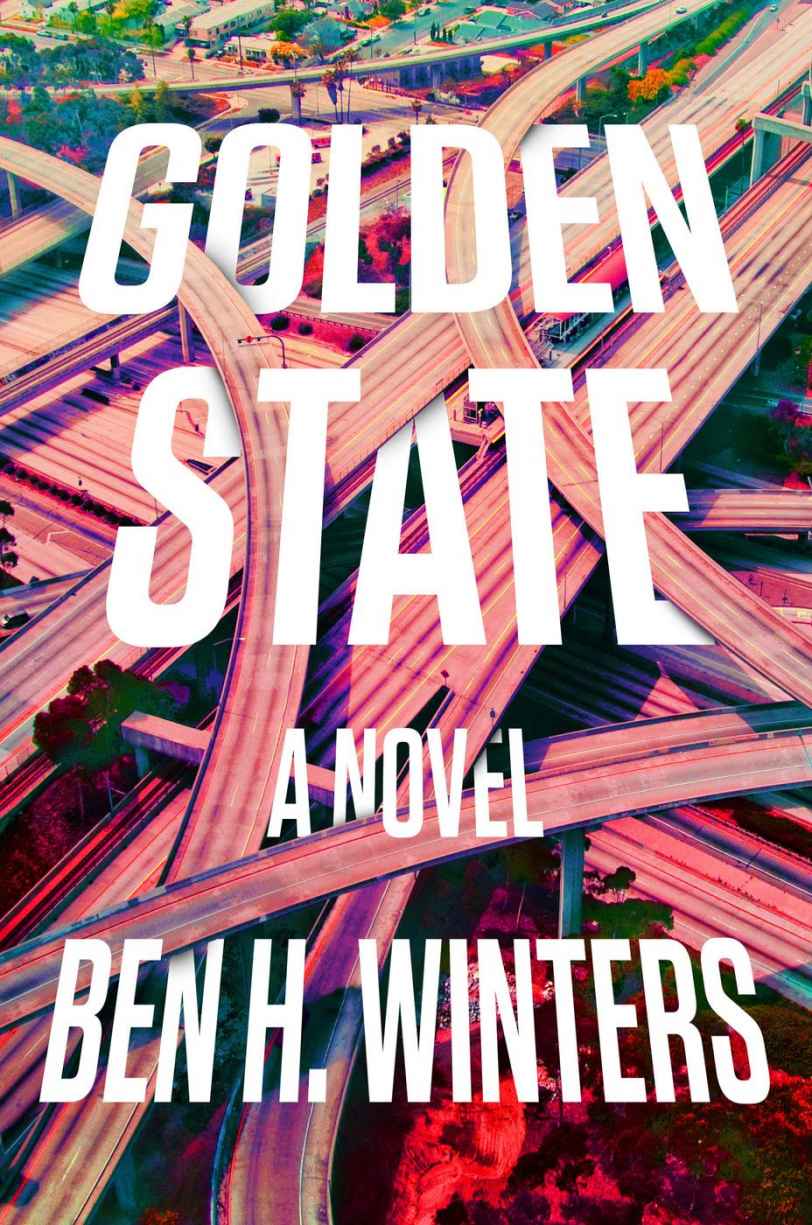
Golden State Ben Winters-smallOver at Splice Today, Matthew Surridge reviews a book a novel I overlooked back in January, but I wish I hadn’t: Golden State by Ben Winters. Matthew says it’s “in the vein of Philip K. Dick mixing detective stories and science-fiction dystopias. It’s a story about truth, the pursuit of truth, and whether truth is knowable.” Here’s the part of his review that grabbed me.

I take it on faith that California exists. Various sources I trust tell me it’s a real place, despite its presence in movies, and I believe most of those sources even though I’ve never been to the so-called Golden State. Much of life is like that: one patches together an idea of the world based on a sense of what information can be trusted and what can’t.

Ben H. Winters’ novel Golden State imagines a world in which that’s no longer the case, or at least imagines a strange version of California where the residents believe in the knowability of what is Objectively So. Cameras record everything that happens, everywhere. Citizens keep a record of their daily lives in Day Books, meticulously filing every note and receipt. Some keep a record of their dreams and other nocturnal activities in a Night Book. Fiction as we know it is unheard of. Lying is utterly forbidden by law on pain of exile to the desert beyond the State’s borders. And a force of secret police, Speculators, keep residents in line with a psychic ability to detect falsehood in their vicinity. Or, at least, what they believe is a psychic ability…

Golden State evokes the great science-fictional dystopias of the 20th century… [it] is a meditation on truth wrapped up in a science-fictional detective story.

Ben Winters is also the author of The Last Policeman trilogy, which we covered back in 2013.

Read Matthew’s complete review of Golden State at Splice Today.

Golden State was published by Mulholland Books on January 22, 2019. It is 336 pages, priced at $28 in hardcover and $14.99 in digital formats. See all our recent coverage of the best new fantasy and science fiction here.

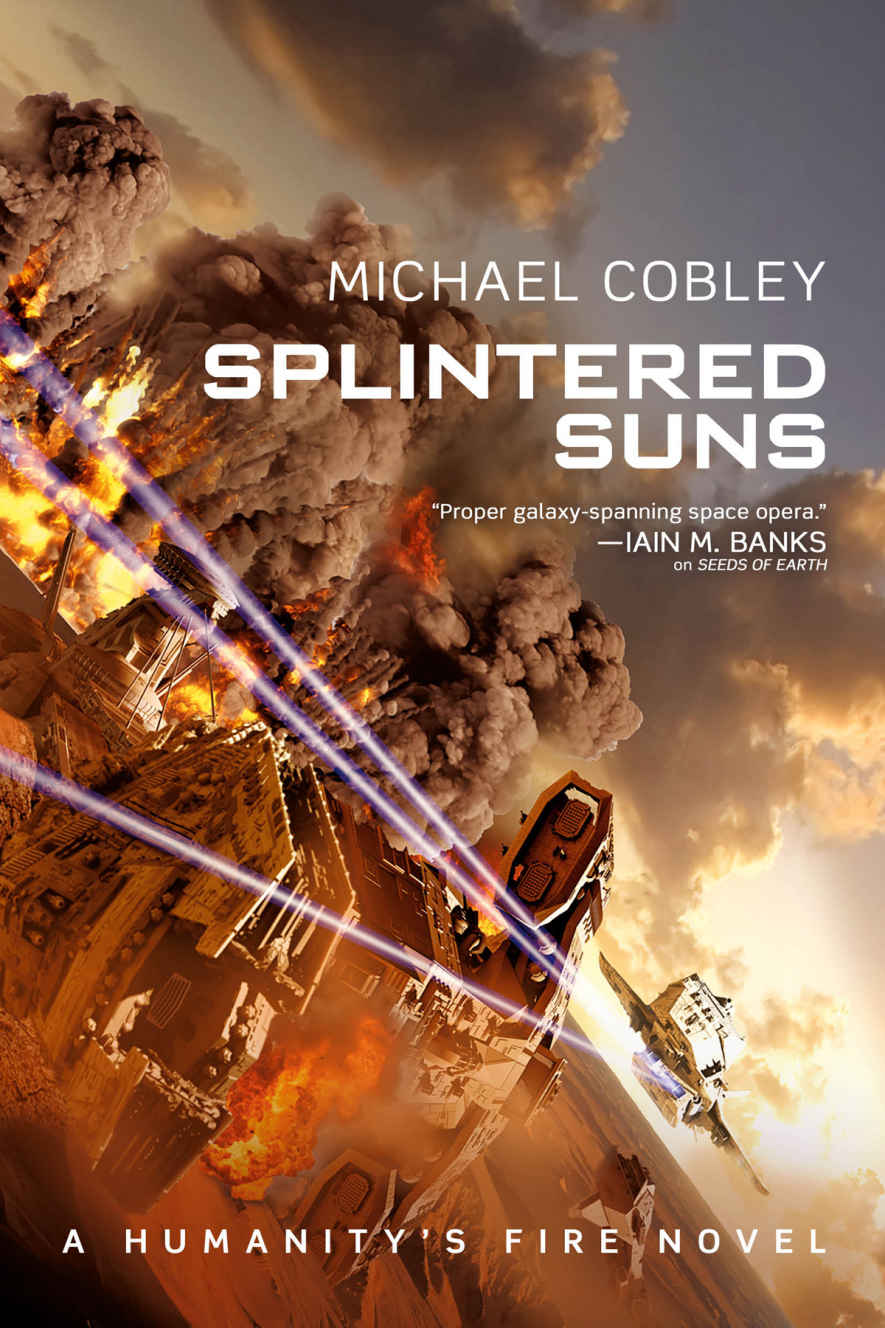
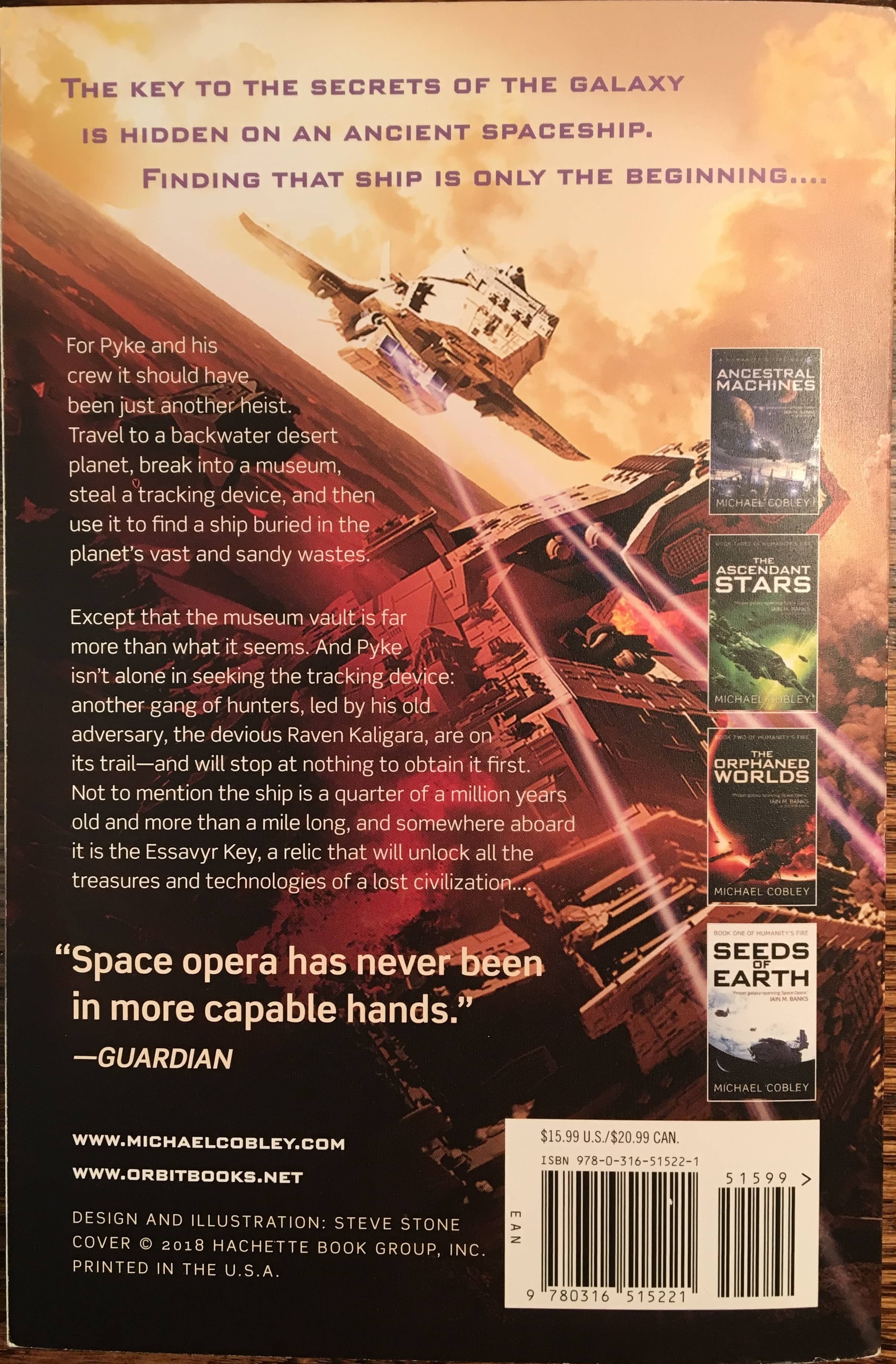
New Treasures: Splintered Suns by Michael Cobley

New Treasures: Splintered Suns by Michael Cobley

Splintered Suns-small Splintered Suns-back-small

I’ve spent much of 2019 in a lengthy tour of modern space opera, and it’s been very eye-opening. I’m getting ready to wrap up and turn my attention to another subgenre (YA thriller? Weird Western? SF noir? So many to choose from!), but I can squeeze in one more, I think. And that’s likely to be Michael Cobley’s Splintered Suns, since the reviews I’ve read certainly make it sound like it’s got the goods. Namely lost artifacts, narrow escapes, ancient mysteries, and — especially! — giant space monsters. Here’s a sample from the January review at The Tattooed Book Geek.

Captain Brannan Pyke of the Ship, Scarabus and his riff-raff and ragtag crew… are contracted by their employer Van Graes to steal a tracking device, the Angular Eye from the City of Cawl-Vesh on the desert planet Ong. Van Graes is a collector of ancient alien artefacts and he hopes that The Angular Eye can be used to locate the wreck of an ancient ship and the wealth of knowledge and treasure that it holds. Millennia ago, the ship, the Mighty Defender of the Arraveyne Empire was the only ship to escape the collapse of the Arraveyne Imperium. However, during the escape, the ship caught the attention of the Damaugra (a mythical sentient metal monster made of coils and tentacles). The Damaugra relentlessly chased the ship through space, damaging it beyond repair and causing it to crash on the planet Ong. Where its wreckage has remained buried and hidden in the vast desert ever since.

I’m pretending that I’m interested because of the rich backstory and powerful mythic overtones, but really I was sold the moment I read mythical sentient metal monster and tentacles. Read into that what you will.

If you’re looking for a more balanced (i.e. tentacle-free) review, here’s Eric Brown in his December wrap-up of the best new SF at The Guardian.

Read More Read More

From Beneath the Review Pile: We Need More New Suns

From Beneath the Review Pile: We Need More New Suns

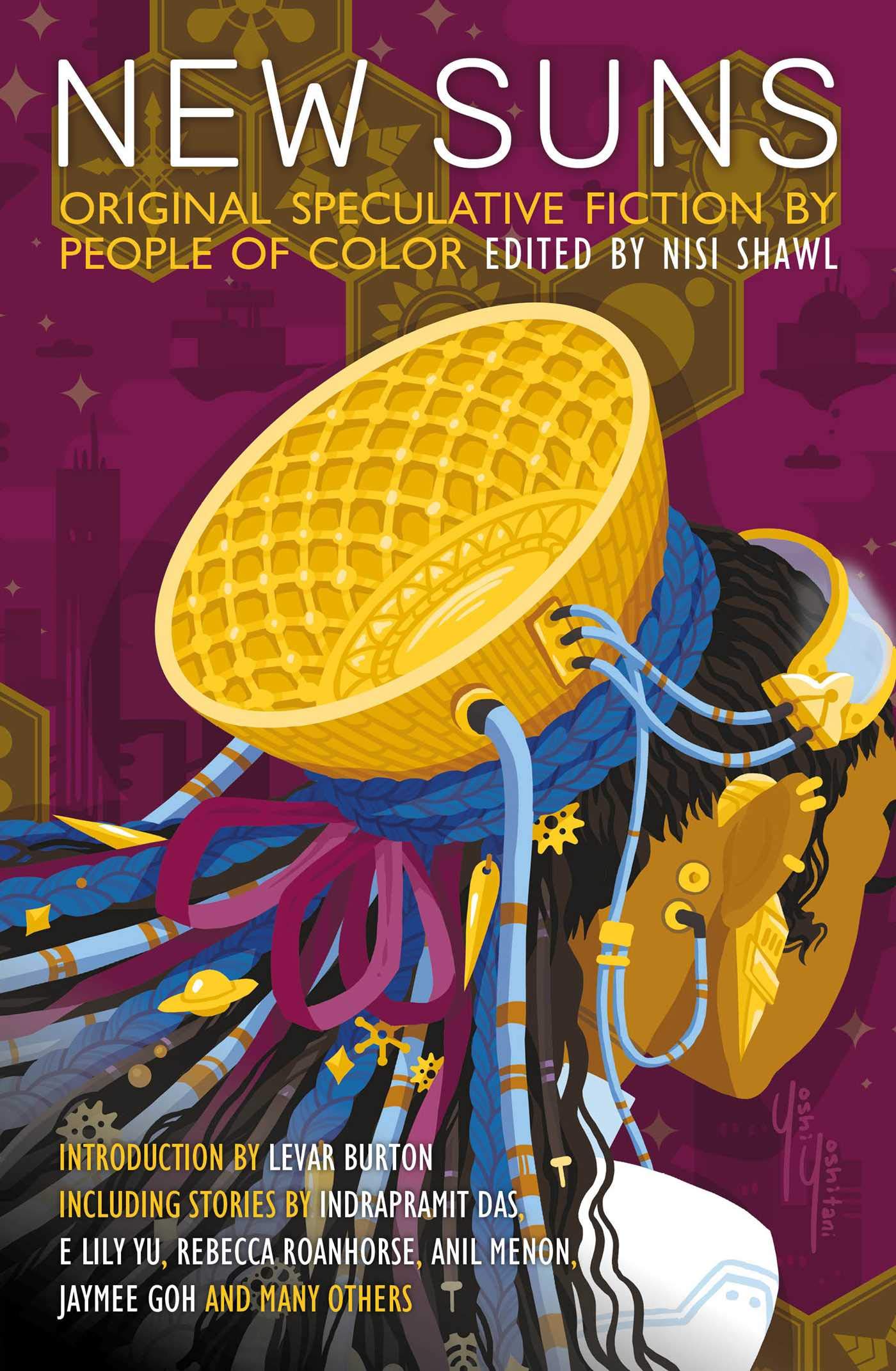
New-Suns-Original-Speculative-Fiction-by-People-of-Color-smallerHere’s a not very shocking statement: we still need to focus on diversity in sci-fi and fantasy.

My hope is that many of you will read that and think, Yeah, tell me something I don’t know. But I imagine many of you would also agree with me that it needs to be said, given how many people still openly disagree with the push to see more works published by creators from marginalized groups, whether that marginalization is based on race, age, sexual orientation, etc.

Take an anthology like New Suns: Original Speculation Fiction by People of Color. The title openly proclaims the editor and publisher’s intent: to highlight PoC authors who are doing phenomenal work in SFF, in the same vein as the Disabled People Destroy series. The outpouring of support for these anthologies is awe-inspiring, especially considering the apparent risk, I suppose, in alienating some readers – often those who don’t acknowledge the need for these anthologies, and the smart business sense in producing them.

Some people, apparently, aren’t paying attention to trends in speculative fiction, or maybe not understanding why these trends exist. Collecting and producing works by authors from diverse groups is a response not just to a need, but to a burning desire for these works. The success of Black Panther and Captain Marvel are obvious examples of this, but we see it in prose fiction, comics, video games, and more. Uncanny Magazine raised almost $60,000 for Disabled People Destroy Science Fiction on Kickstarter last year, virtually tripling their funding goal. Why? People are tired of watching or reading stories about the same kinds of characters, in settings based on the same (dare I say it) Eurocentric framework.

Not everyone – there’s still a market for a rehashing of Tolkien or Brooks or Vance, if that’s your thing – but enough people to make this sort of thing viable. And authors like Rebecca Roanhorse, Fran Wilde, Nnedi, Okorafor, Saladin Ahmed, Bogi Takács and more aren’t just generating buzz because of their identities – it’s because they’re amazing creators, producing work that’s well-written AND fresh.

Read More Read More

The Fortress World and the Eye of Terror: Warhammer 40K: The Cadian Novels by Justin D. Hill

The Fortress World and the Eye of Terror: Warhammer 40K: The Cadian Novels by Justin D. Hill

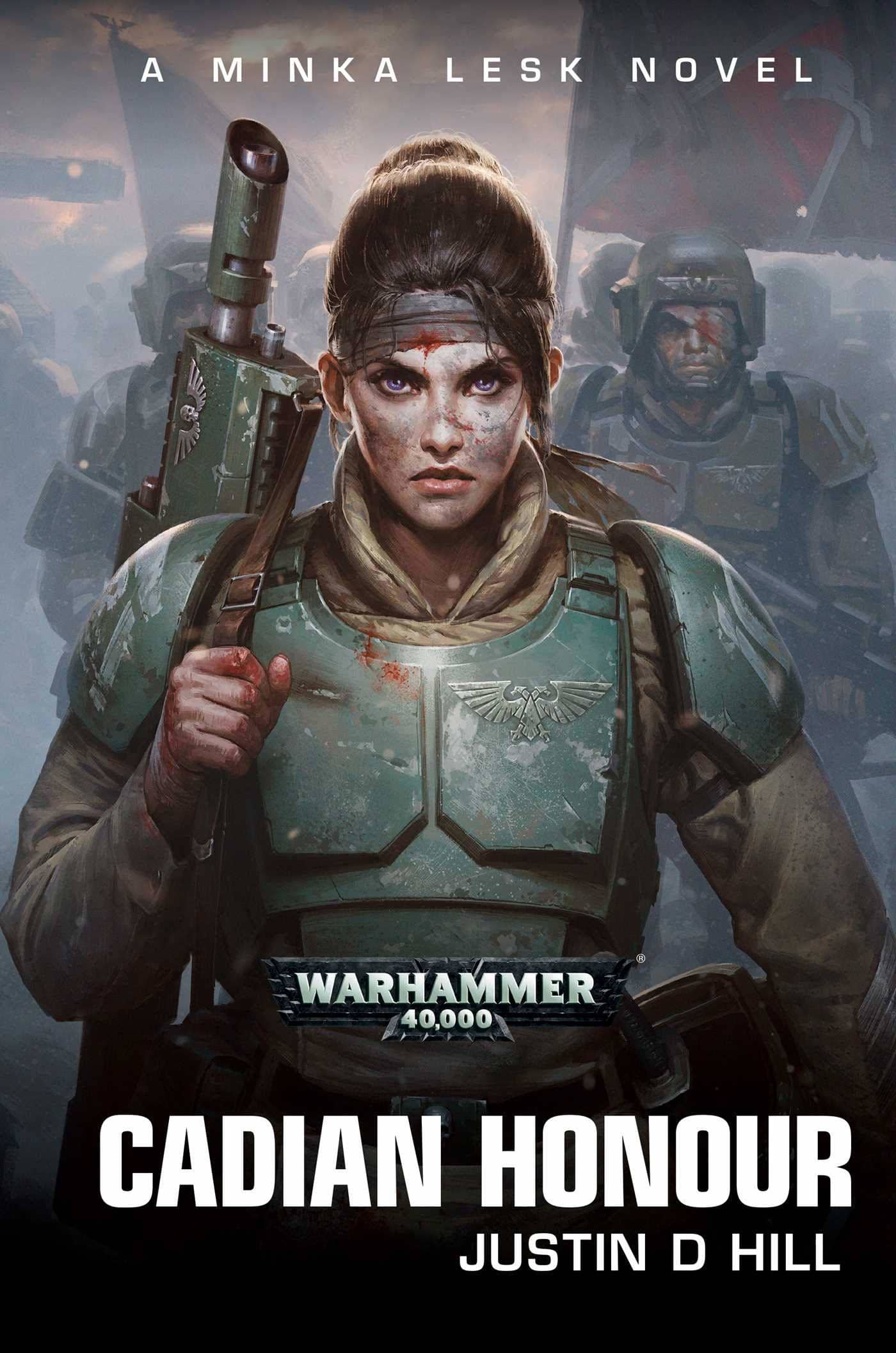
Cadia Stands-small Cadian Honour-small

When I made the 90-minute commute to Glenview every morning (and the 90-minute drive home every evening), I got addicted to Warhammer 40K audio dramas. They made the long drive bearable. When I left that job four years ago I fell out of the habit, and haven’t kept up on the unfolding drama in my favorite dark space opera. I did hear rumors of a Thirteenth Black Crusade, the unexpected return of the loyal primarch Roboute Guilliman (in Guy Haley’s Dark Imperium series), and the catastrophic fall of the fortress world of Cadia, the last line of defense against the daemonic tide spilling out of the Eye of Terror. Man, you take your eye off the ball for a minute, and everything goes to hell.

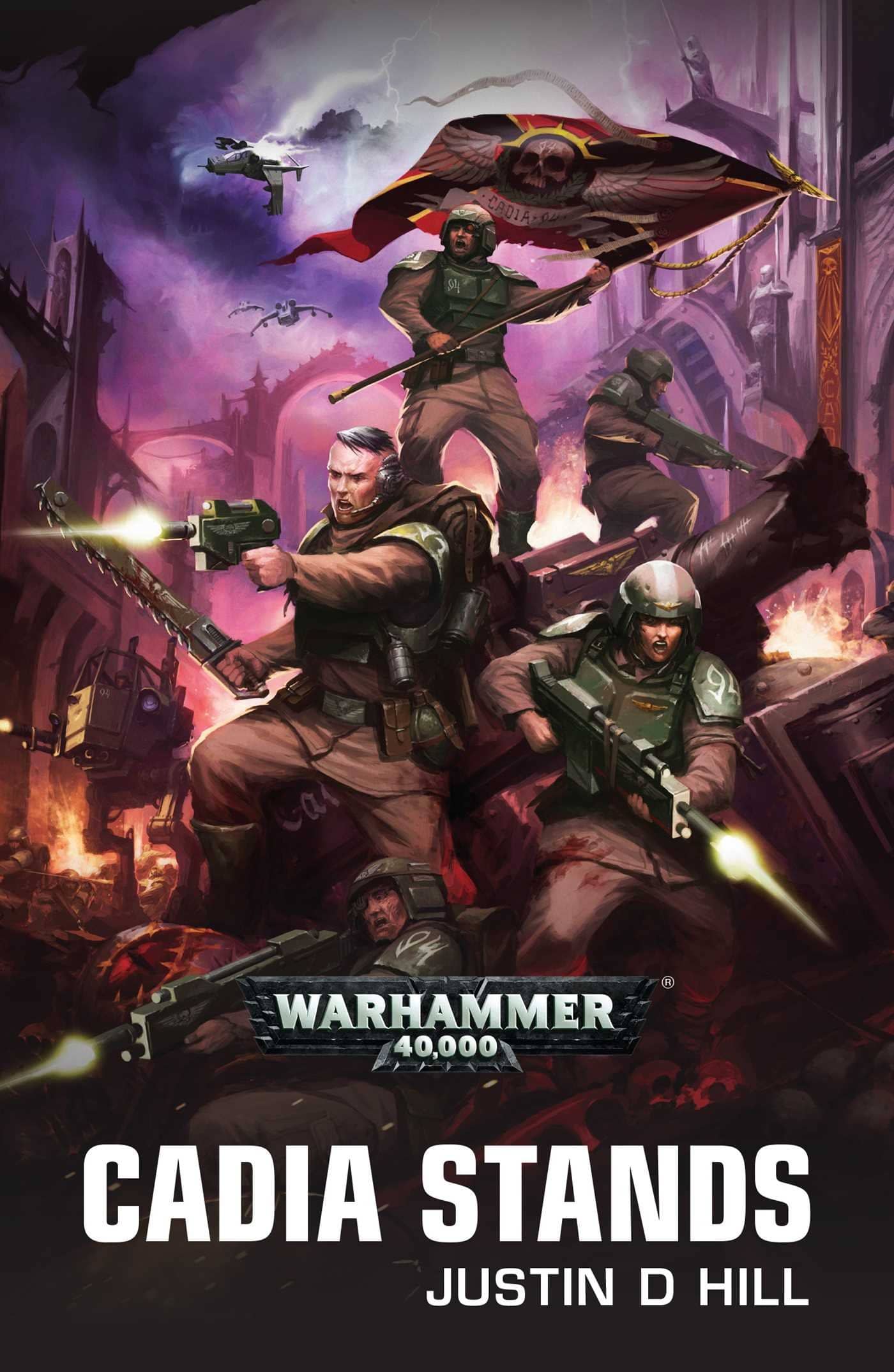
Justin D. Hill’s new Cadia series seem like the perfect place to jump back into the saga. The first novel, Cadia Stands, was published in March 2018, and the sequel Cadian Honour is scheduled for September of this year (and is already available in digital format). Here’s the description for the first volume.

The brutal war for Cadia is decided, as Lord Castellan Ursarkar Creed and the armies of the Imperium fight to halt the Thirteenth Black Crusade and prevent a calamity on a galactic scale.

Under almost constant besiegement by the daemonic hosts pouring from the Eye of Terror, Cadia stands as a bulwark against tyranny and death. Its fortresses and armies have held back the hordes of Chaos for centuries, but that grim defiance is about to reach its end. As Abaddon’s Thirteenth Black Crusade batters Cadia’s defences and the armies of the Imperium flock to reinforce this crucial world, a terrible ritual long in the making comes to fruition, and the delicate balance of this brutal war shifts… From the darkness, a hero rises to lead the beleaguered defenders, Lord Castellan Ursarkar Creed, but even with the armoured might of the Astra Militarum and the strength of the Adeptus Astartes at his side, it may not be enough to avert disaster and prevent the fall of Cadia. While Creed lives, there is hope. While there is breath in the body of a single defender, Cadia Stands… but for how much longer?

And here’s the description for Cadian Honour.

Read More Read More

Top Gun for YA Sci Fi Buffs: Skyward by Brandon Sanderson

Top Gun for YA Sci Fi Buffs: Skyward by Brandon Sanderson

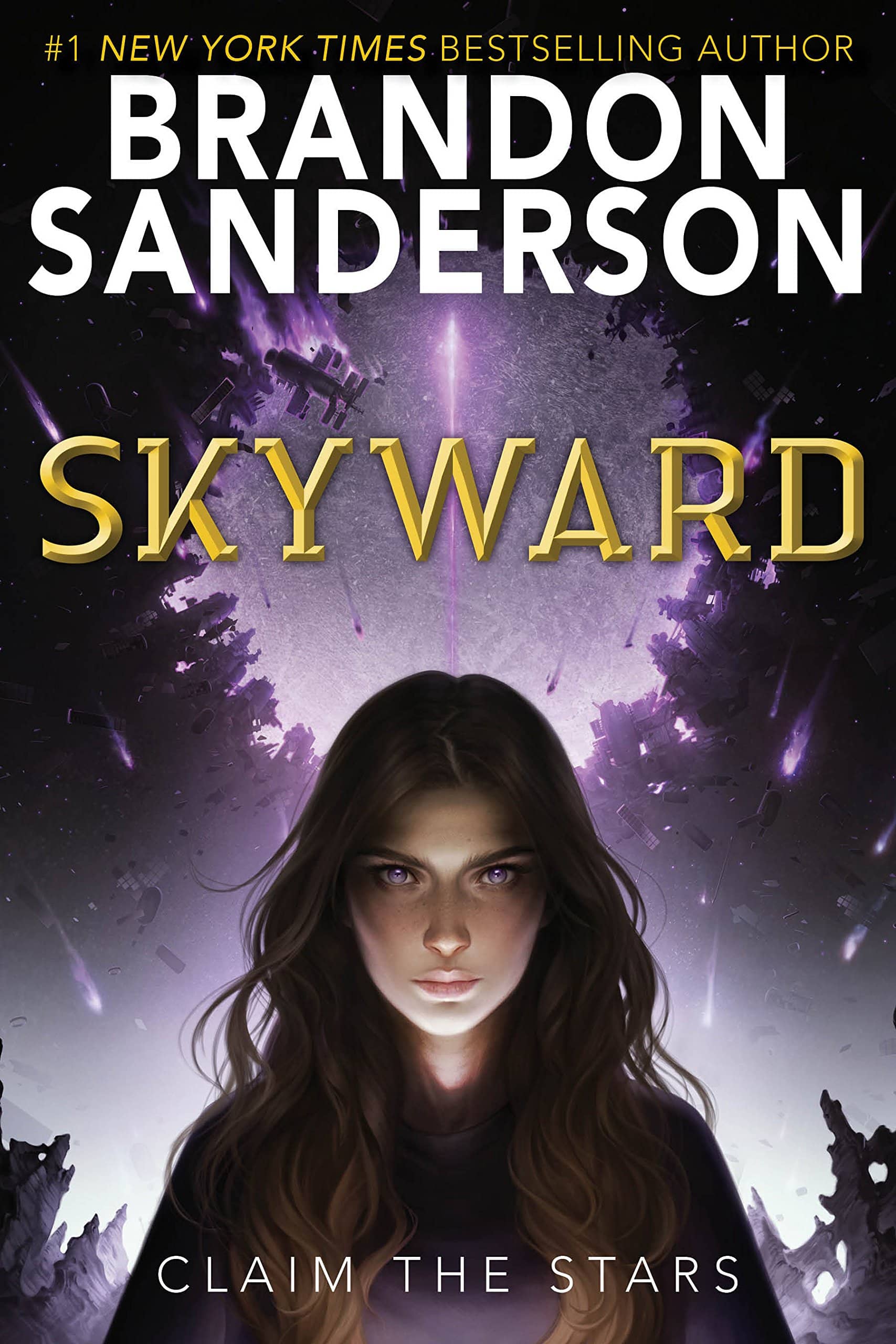
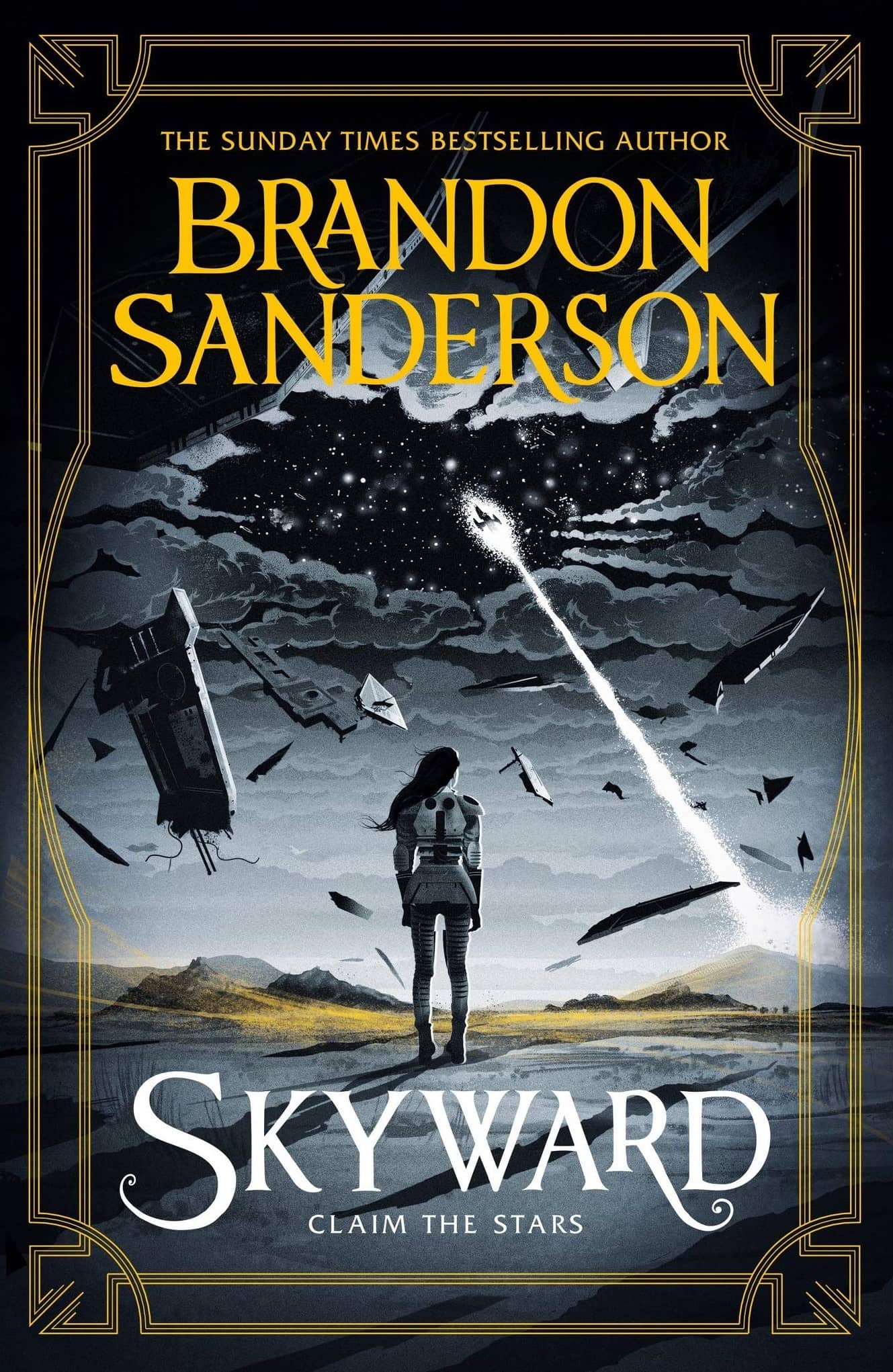
Skyward Brandon Sanderson-small Skyward Brandon Sanderson UK-small

If even one of the aliens’ bombers gets through and releases its payload, Spensa Nightshade and her family will die, along with the remnants of humanity. It’s up to her father and his fellow fighter pilots to take to the skies and drive the invaders away.

Spensa doesn’t just admire her father – she’s determined to follow in his footsteps and become a pilot herself. In her militant society, which is named Defiant after the flagship that crashed on this planet, there’s no higher calling.

Spensa lives in a cave deep underground, since the planet’s surface is dangerous. Space debris frequently falls from the sky in flaming chunks, destroying everything in its path before hitting the ground. It comes from the ruins of a prior civilization that rings the planet – massive hunks of metal and electronics that used to be shipyards and ancient fortifications.

Despite the danger, Spensa has always wanted to see the sky. When her father agrees to take her up to ground level, she leaps at the chance.

It’s a hard climb through the caves until they reach a crack from which the sky shines. Gazing up in awe, Spensa sees the layers of space junk shifting overhead like enormous ice floes.

Read More Read More

New Treasures: Rabbit & Robot by Andrew Smith

New Treasures: Rabbit & Robot by Andrew Smith

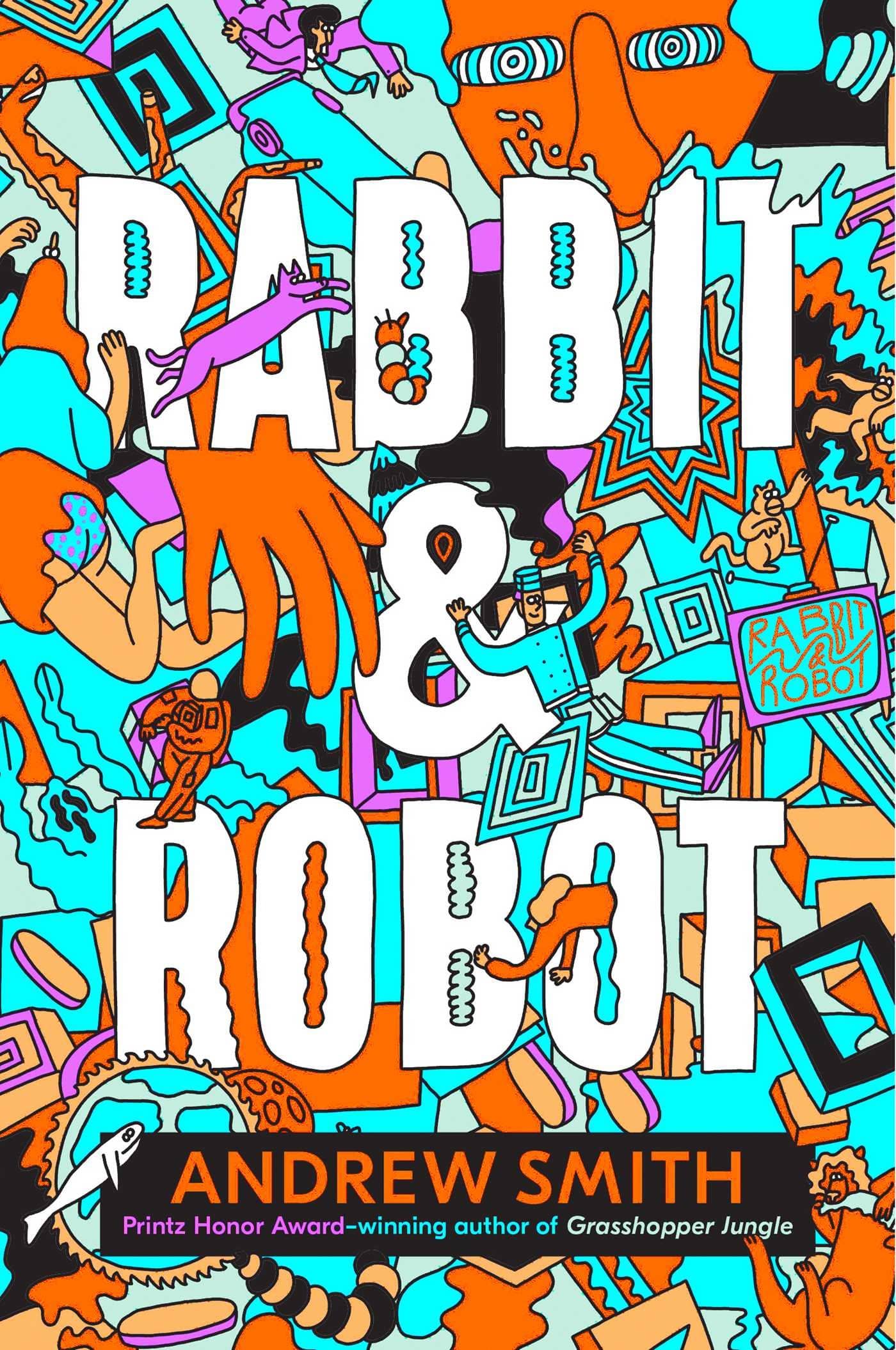
Rabbit and Robot-smallI’ve been on a prolonged space opera kick for the past few weeks, munching snacks while taking in epic sagas about cloned warriors, space battles, massive killer A.I’s, galaxy-spanning conflicts, fast ships, ancient tech, and more space battles. To tell the truth I probably would never have picked up Andrew Smith’s new novel if I hadn’t been looking for something very (very) different this weekend.

Andrew Smith is the author of The Marbury Lens (2012) and Grasshopper Jungle (2015). Rabbit & Robot tells the story of Cager Messer, a boy stranded on a massieve lunar-cruise ship with with insane robots, while a World War breaks out on the surface below. It’s about as uncommercial a novel as you’re likely to find. Here the description.

Cager has been transported to the Tennessee, a giant lunar-cruise ship orbiting the moon that his dad owns, by Billy and Rowan to help him shake his Woz addiction. Meanwhile, Earth, in the midst of thirty simultaneous wars, burns to ash beneath them. And as the robots on board become increasingly insane and cannibalistic, and the Earth becomes a toxic wasteland, the boys have to wonder if they’ll be stranded alone in space forever.

Booklist is quoted extensively every time I look this book up. So to save you time, here’s the a few lines from the Booklist review

Cager Messer and his best friend, Billy — both sons of wealthy industrialists—have stolen upon a luxury space cruiser along with Cager’s ever-faithful servant, Rowan. Aboard with them are “cogs” — humanlike android attendants programmed with unsettling, occasionally dangerous emotional instabilities. Then the latest (and last) in a long line of world wars breaks out on Earth below, and Cager and company believe that they’re the last humans in the universe. But before the true horror of that can set in, they must figure out how to defend themselves from the cogs, who have developed a penchant for robotic cannibalism… Those delving into Smith’s zany dystopia will find much to laugh and gasp at, including comedic and serious musings upon sex and violence. But most of all, they will find many deep, essential questions worth pondering.

Read the complete review at Booklist Online here.

Rabbit & Robot was published by Simon & Schuster Books for Young Readers on September 25, 2018. It is 438 pages, priced at $18.99 in hardcover and $10.99 for the digital edition. The cover is by Mike Perry. Read all our recent New Treasures here.

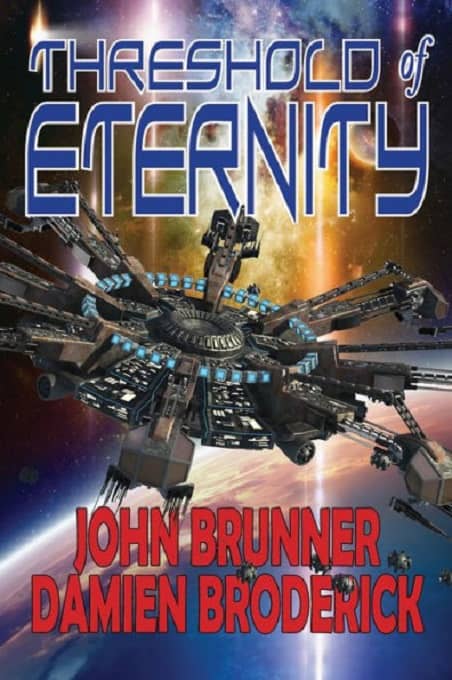
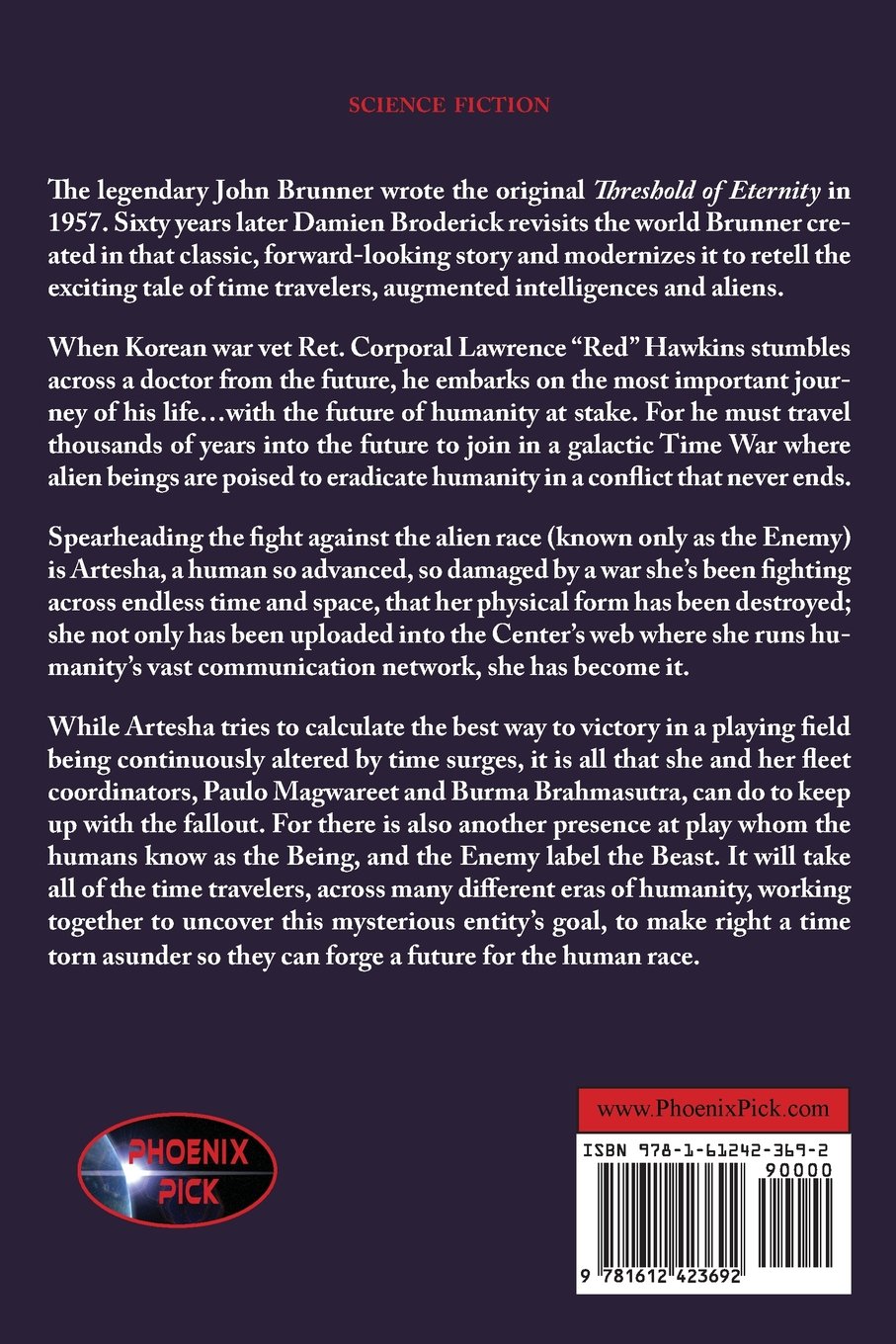
A Desperate Battle Against an Alien Enemy: Threshold of Eternity by John Brunner and Damien Broderick

A Desperate Battle Against an Alien Enemy: Threshold of Eternity by John Brunner and Damien Broderick

Threshold of Eternity Threshold of Eternity-back-small

Phoenix Pick (236 pages, $14.99 trade paperback/$3.99 digital, November 2017)

A couple of years ago I read an early John Brunner novel called Threshold of Eternity, published as half an Ace Double. Here’s a bit of what I wrote about that:

Threshold of Eternity was first published in New Worlds, December 1957 through February 1958. The Ace Double version came out in 1959.

It opens in California in 1957 or so, as one-legged Red Hawkins encounters a French-speaking girl who couldn’t possibly be there — and, indeed, it turns out that Chantal Vareze was just in London. What’s stranger is the other person they soon encounter, a man named Burma who turns out to be from thousands of years in the future.

We jump, then, to the future, where one Magwareet is helping to coordinate humanity’s desperate war against mysterious aliens called The Enemy. One of the side effects of their battles, and also of a strange entity called The Being, is temporal surges, which can throw people into the far past. And Magwareet has just realized that his friend Burma has been flung into the past …

Cool stuff, eh? And things continue as Red and Chantal are carried into the far future, where the two eventually agree to help with the war against the Enemy, help which involves more trips to the past, a weird situation where multiple copies of the main characters coexist uneasily, and a wild and transcendent ending concerning the true nature of The Being, leading to an unexpected and not quite successful ending. Here’s how my review closed.

Read More Read More

New Treasures: The Fever King by Victoria Lee

New Treasures: The Fever King by Victoria Lee

The Fever King-small The Fever King-back-small

I gotta admit, the cover of Victoria Lee’s debut science fiction novel The Fever King doesn’t really grab me. My advance copy arrived months ago; I must have picked it up and put it down half a dozen times before I finally gave it a try. Turns out it’s a YA dystopian-superhero mashup with an interesting twist, reminiscent of the alien virus that leaves people twisted or with superpowers in George R.R. Martin’s long running Wild Cards series. In this case though, the result is a disintegrated America with magical elite, witching training centers, and an intriguing form of science-based magic. Here’s the summary from Kirkus Reviews.

In Carolinia, one of the nations of the former United States, magic enters people like a virus, mostly killing them.

If you survive, the magic stays and you become a witching. Noam, the Jewish Latinx son of undocumented immigrants from neighboring Atlantia, is one. With his parents dead, Noam is brought to the witching training center, receiving personal tutoring from the minister of defense, Calix Lehrer. Noam sees this as an opportunity to work from the inside to bring rights to the many refugees who have come to Carolinia to escape the virus that still plagues other areas…. Lee’s debut is a thriller with obvious allegorical connections to today’s political climate, but it doesn’t read as message-y; even those with genre fatigue shouldn’t regret giving it a try… Diverse characters, frank discussions about sexual and mental abuse, and reasonably plausible science-based magic elevate this above many dystopian peers.

The Fever King was published by Skyscape on March 1, 2019. It is 416 pages, priced at $9.99 in trade paperback and $4.99 in digital formats. The cover was designed by David Curtis.

See all of our recent New Treasures here.

Deadly Tech, Terrifying Aliens and Huge Explosions: The Lazarus War by Jamie Sawyer

Deadly Tech, Terrifying Aliens and Huge Explosions: The Lazarus War by Jamie Sawyer

The Lazarus War Book One Artefact-small The Lazarus War Legion-small The Lazarus War Origins-small

I tend to grade space opera on a curve — especially military space opera. That’s not to say I don’t have standards. I’m just more forgiving of my space-faring, laser-blasting, alien-artifact-explodin’ interstellar sagas than I am when I read, say, contemporary fiction, or even fantasy. I’m in the market for a different kind of book when I reach for space opera.

That probably means I’m not the best person to be recommending this sort of stuff. But you knew that already… and you’re still here, bless your generous little heart. With that out of the way, I want to continue my space opera obsession of the last few weeks, and tell you about another series, this one from new author Jamie Sawyer. Since he burst on the scene with his first novel The Lazarus War: Artefect in 2015, about an elite military unit who mind-swap between cloned bodies to survive the deadliest kill-zones in the galaxy, Sawyer has gradually been accumulating readers and recognition. Neal Asher summed up the first book in the series as follows:

A hostile race of alien biomechs somewhat in the mould of H. R. Giger aliens… terrorism, subterfuge and traitors… starships sporting particle beam weapons, railguns the size of skyscrapers, laser batteries, missiles… And then there are the uber-human super-soldiers clad in powered armour and wielding plasma weapons… This, dear readers, is the good stuff.

As we’ve established, I’m not the person to count on for a quality recommendation here. But I can point you to some more reliable sources. Here’s Uncle Geoff at SFcrowsnest on The Lazarus War: Artefect.

Read More Read More