An Excerpt from Prince of Thorns
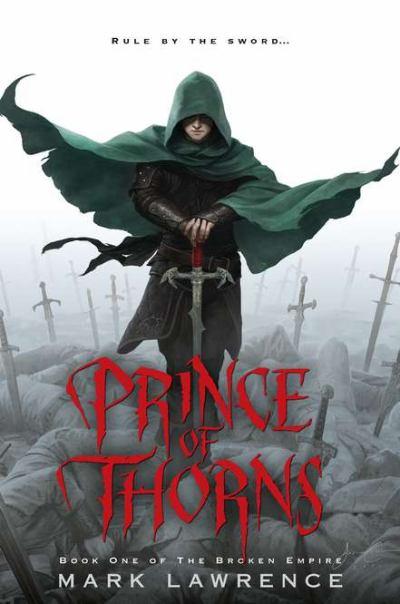 John told me he doesn’t like to post naked excerpts on Black Gate. Well and good, I thought; it is after all a family site. Turns out though that it means I have to warm you guys up for the Prince of Thorns excerpt that follows.
If you’ve seen many reviews or comments on Prince of Thorns then it’s likely you’ll have read somewhere that it’s the very darkest of fantasy writing, that it’s brutal in the extreme, that it’s wall-to-wall rape… Obviously these are subjective judgements. My subjective opinion is that that’s all… rubbish (family site).
If you look at what’s actually on the page it’s relatively mild stuff. That it has made such a deep impression on so many, and stirred not a few to outrage, anger, and the occasional rant, I shall just have to pocket as a compliment to the writing!
This is described as an excerpt, but it’s an excerpt that starts at the beginning. Really, when you’ve taken the effort to make a story, where else would you want someone to start reading? Anything else would be rather like putting a sheet over the large painting you’ve just completed and attempting to whet the viewer’s appetite with whatever can be seen through a random hole four-inches square. Story needs context. Cut your prose free of its environment and it rapidly loses power. Strip out a line here or there and show it on its own and you make it look as silly as you like.
So read on and hopefully enjoy.
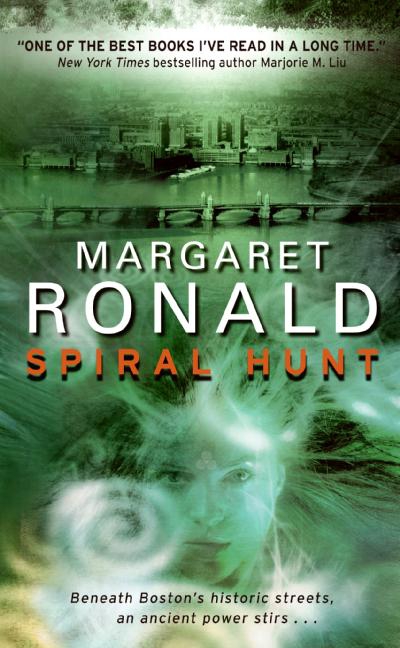 Spiral Hunt
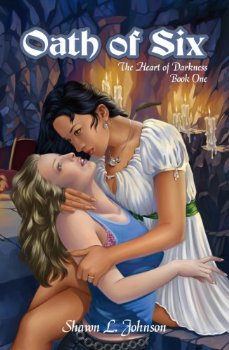 It took me years to complete the first draft of Oath of Six, the first volume in my fantasy series The Heart of Darkness.
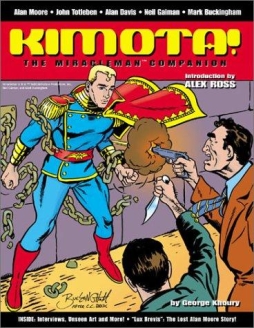 I’m going to take a break this week from the Romanticism and Fantasy posts, because I’ve just finished a fascinating book, and I’d like to talk about it. It’s not a new book, and it’s not a fiction book. It is in fact mainly a collection of interviews about a comic-book character who hasn’t seen print (officially) in almost twenty years. The book is called Kimota!, and the character has been known both as Miracleman and, originally, Marvelman.