Browsed by
Category: Books

I Need a Job

I Need a Job

Moon PaksHave you noticed how some characters come with their own jobs, and some need to find one? Some of them, like Sherlock Holmes, even invent their own jobs. There was no such thing as a “consulting detective” until Holmes became one. The job is the character, and the character is the job.

Or, to put it another way, sometimes the type of story you want to tell dictates what kind of job your protagonist needs.

And, sometimes, the type of job your character has dictates the story you’re going to tell about them. There are quite a few jobs that can bring a story with them, at least if you’re a genre writer. Detective. Queen. Knight. Wizard. Thief. Soldier. Then there are those whose story potential doesn’t seem quite so obvious. Servant. Miller. Potter. Cook. Farmer.
…

Read More Read More

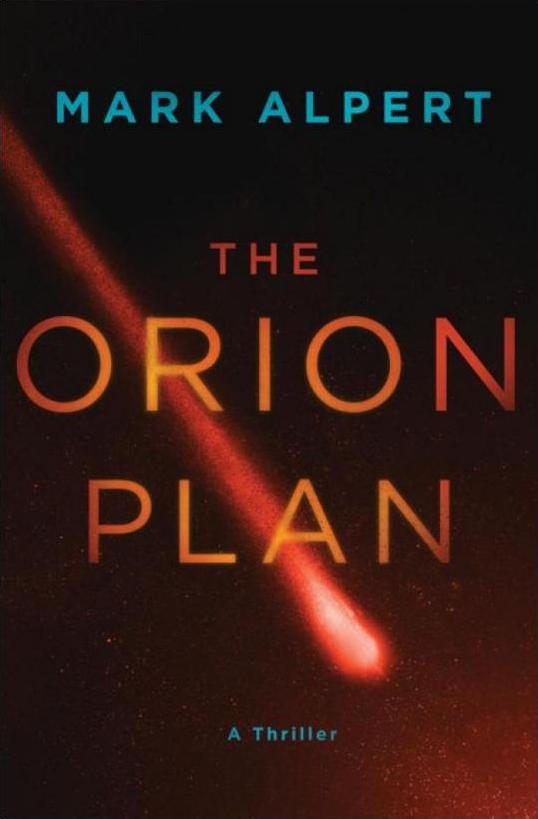
Future Treasures: The Orion Plan by Mark Alpert

Future Treasures: The Orion Plan by Mark Alpert

The Orion Plan-small The Orion Plan-back-small

Sometimes, you just want a good tale of alien invasion.

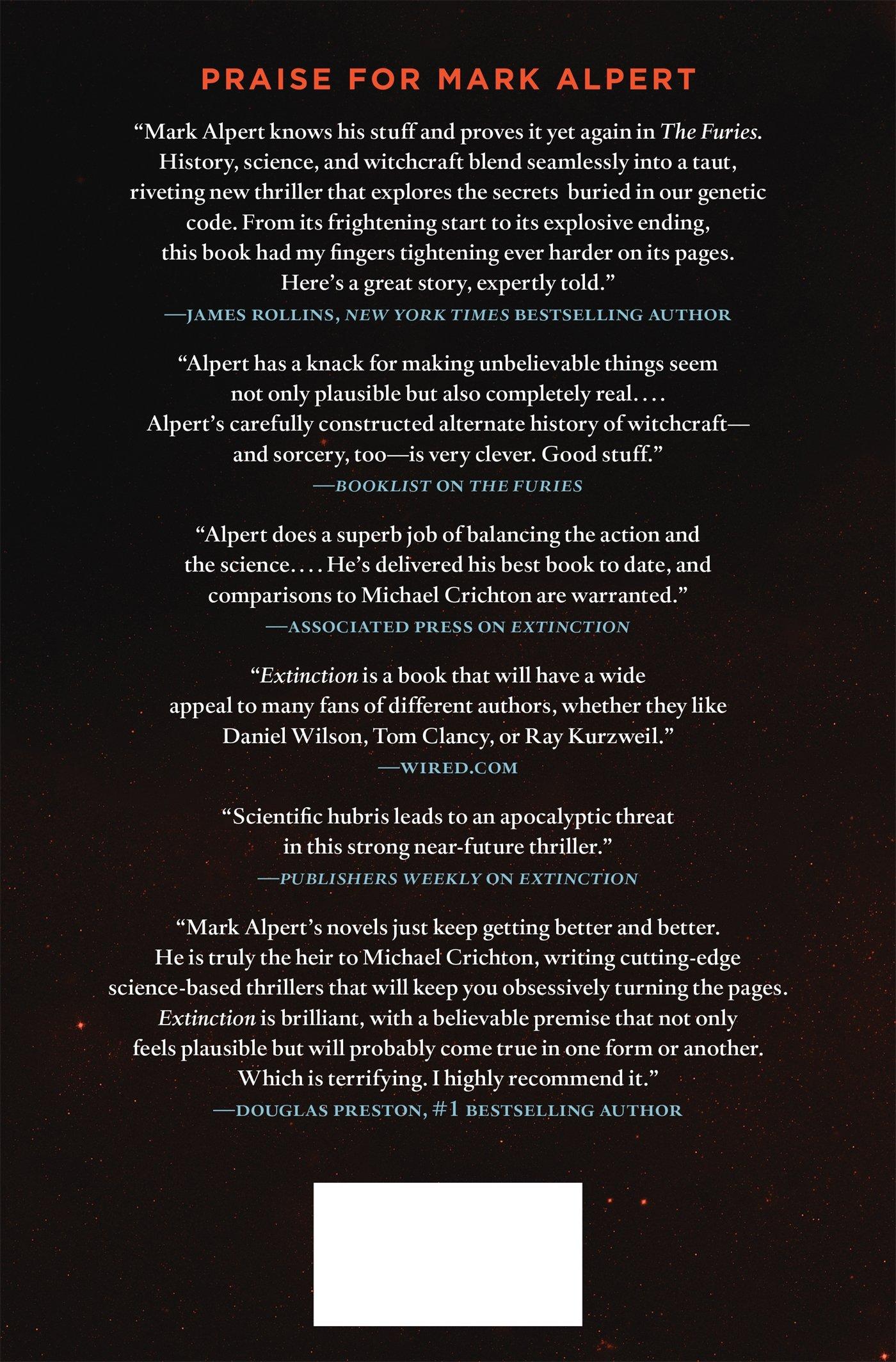
Mark Alpert’s The Orion Plan, a novel of first contact with a sinister alien intelligence, might just be what I’m looking for. Alpert is the author of Extinction and The Furies, which Booklist called a “carefully constructed alternate history of witchcraft — and sorcery too… very clever.” The Orion Plan goes on sale next week from Thomas Dunne.

Scientists thought that Earth was safe from invasion. The distance between stars is so great that it seemed impossible for even the most advanced civilizations to send a large spaceship from one star system to another.

But now an alien species ― from a planet hundreds of light-years from Earth ― has found a way.

A small spherical probe lands in an empty corner of New York City. It soon drills into the ground underneath, drawing electricity from the power lines to jump-start its automated expansion and prepare for alien colonization. When the government proves slow to react, NASA scientist Dr. Sarah Pooley realizes she must lead the effort to stop the probe before it becomes too powerful. Meanwhile, the first people who encounter the alien device are discovering just how insidious this interstellar intruder can be.

The Orion Plan will be published by Thomas Dunne Books on February 16, 2016. It is 322 pages, priced at $25.99 in hardcover and $12.99 for the digital edition. The cover was designed by Ervin Serrano.

Get a Free Pathfinder Tales Audiobook (if you act before Feb. 16)

Get a Free Pathfinder Tales Audiobook (if you act before Feb. 16)

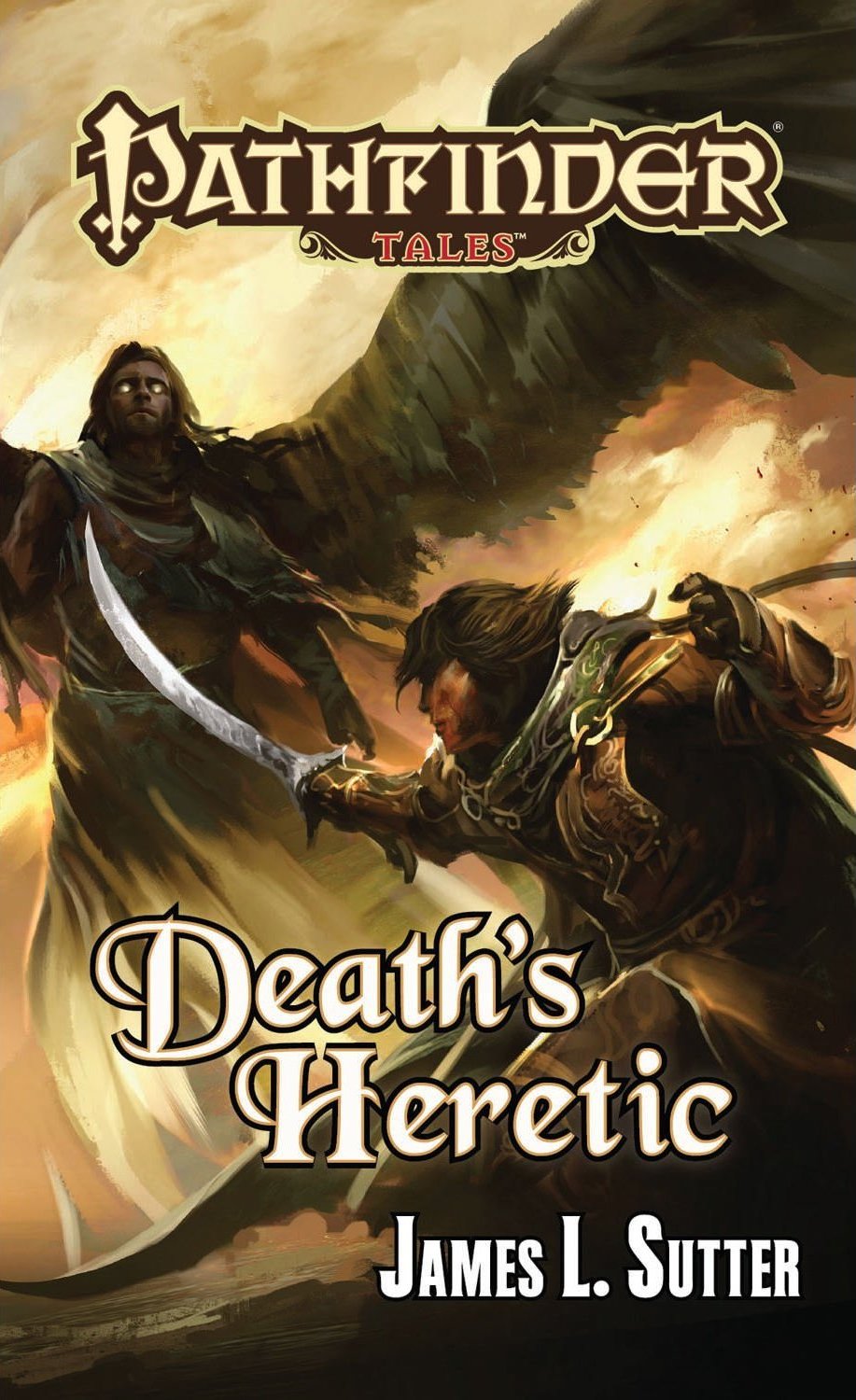
Death's Heretic-smallOf all the books I’ve reviewed for Black Gate, definitely two of my favorites have been the Pathfinder Tales novels by James L. Sutter, Death’s Heretic and The Redemption Engine. I’m not alone, of course. There’s no shortage of Pathfinder Tales fans (or authors) hanging out around the Black Gate headquarters, and James Sutter is a friend of the website.

In fact, the enthusiasm is so great that I have a large backlog of Pathfinder Tales books that I haven’t gotten to read yet. These days, a decent chunk of my reading comes from listening to audiobooks while performing other tasks. I use Audible.com, but the Pathfinder Tales novels hadn’t offered audiobooks unfortunately. That changed with their announcement last October about a partnership with Audible Audiobooks to produce the audiobooks, not only for their newly-released titles but for their backlog of audiobooks as well.

To celebrate the Pathfinder Tales audiobooks, Audible.com is offering the Death’s Heretic audiobook for free through February 16. Once you purchase the book, it’ll remain in your digital library to access at any time, which you can do on apps available through iOS, Android, Windows, Mac, and online web formats. So, really, there’s little excuse for not signing up to get the book.

And if that’s not enough to keep you busy…

…

Read More Read More

New Treasures: Broken Hero by Jonathan Wood

New Treasures: Broken Hero by Jonathan Wood

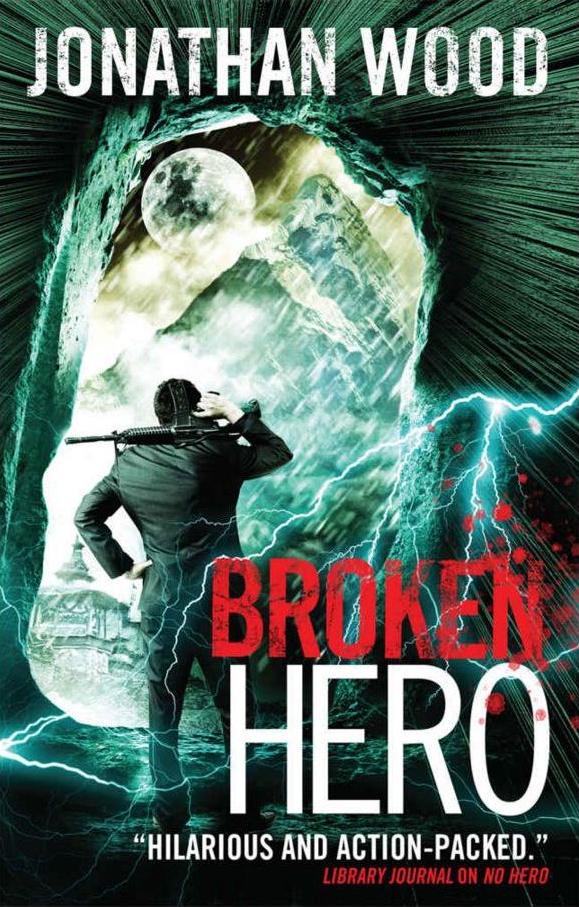
Broken Hero-smallHorror and comedy are a tough mix — but it can be a great combo when done right. Jonathan Wood seems to have the touch… his debut novel No Hero, the first book in the Arthur Wallace series, was called “a funny, dark, rip-roaring adventure with a lot of heart” by Publisher’s Weekly, and listed as one of the 20 best paranormal fantasies of the past decade by Barnesandnoble.com. Starburst called the third installment, Anti-Hero, “A gripping tale of dark comedic horror.”

The fourth volume, Broken Hero — featuring the continuing misadventures of MI37 agent Arthur Wallace, tasked with dealing with the supernatural, extraterrestrial, and the generally odd — was released late last month by Titan.

How’s a secret agent meant to catch a break? If it’s not a demi-god going through puberty, it’s a renegade Nazi clockwork army going senile. Or a death cult in Nepal. Or a battery-chewing wizard’s relationship problems. Arthur Wallace, agent of MI37 — Britain’s agency for dealing with the supernatural, the extraterrestrial, and the generally odd — has to pull everything together, and he has to do it before a magical bomb tears reality apart…

Jonathan Wood’s short fiction has also appeared in Weird Tales, Chizine, and Beneath Ceaseless Skies, and anthologies such as The Book of Cthulhu 2 and The Best of Beneath Ceaseless Skies, Year One.

Broken Hero was published by Titan Books on January 26, 2016. It is 429 pages, priced at $14.95 in trade paperback, and $7.99 for the digital version. The cover was designed by Amazing15.

Thomas M. Disch on the Best Science Fiction of 1979

Thomas M. Disch on the Best Science Fiction of 1979

The Best Science Fiction of the Year 9 Terry Carr-small Best Science Fiction Stories of the Year Ninth Annual Collection Gardner Dozois-small The 1980 Annual World's Best SF Donald A. Wollheim-small

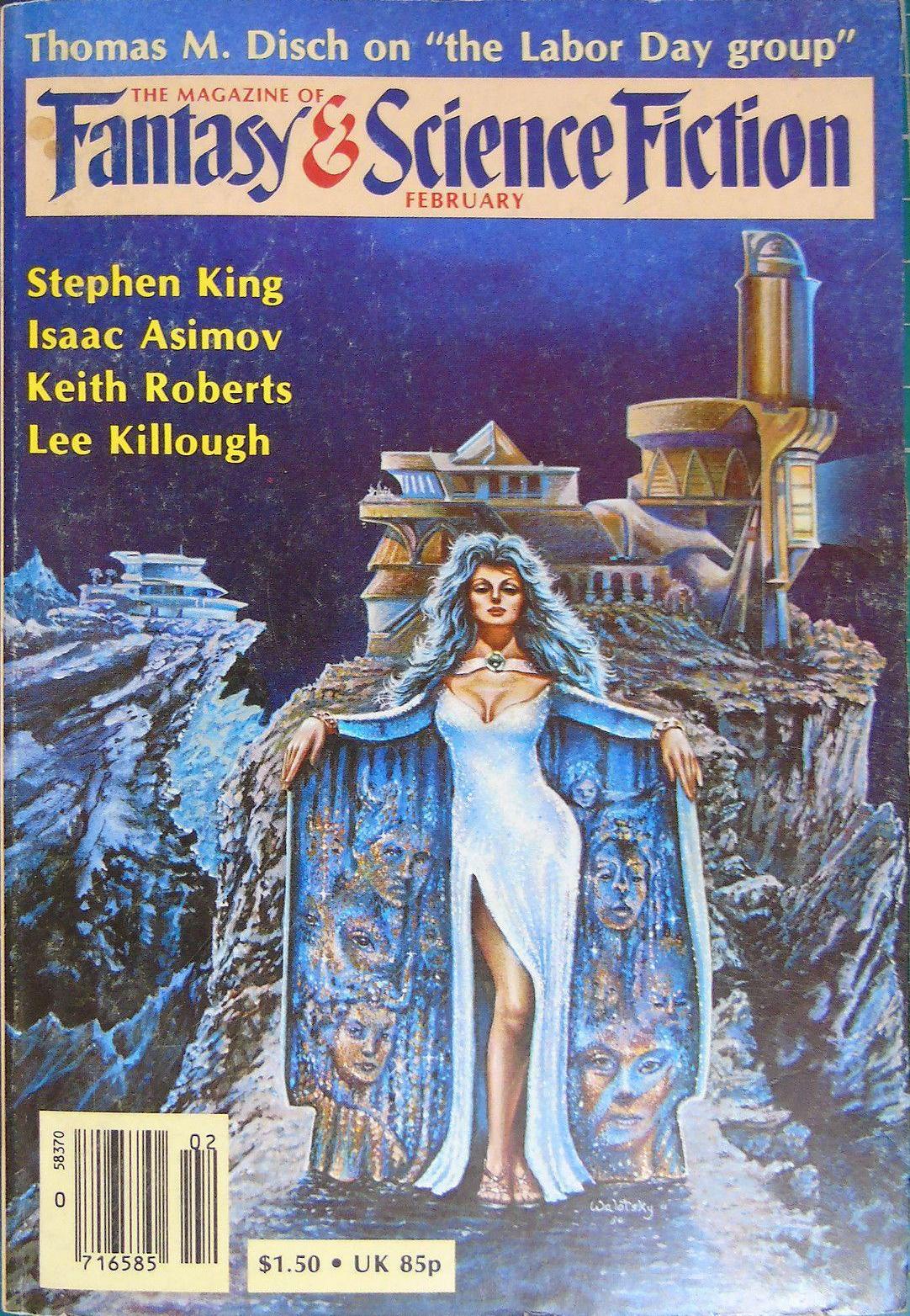
The Magazine of Fantasy and Science Fiction February 1981-smallThe Magazine of Fantasy & Science Fiction has put some delightful old content on their website for those who care to look, and earlier this month I came across their reprint of Thomas M. Disch’s Book column from the February 1981 issue, in which he compares the three Best of the Year volumes published the previous year.

1979 was a marvelous year for short SF, with many stories destined to become classics — including George R.R. Martin’s brilliant “Sandkings,” and his Hugo Award-winning “The Way of Cross and Dragon,” Barry B. Longyear’s novella “Enemy Mine,” Donald Kingsbury’s “The Moon Goddess and the Son,” Vonda N. McIntyre’s “Fireflood,” Orson Scott Card’s “Unaccompanied Sonata,” Richard Cowper’s “Out There Where the Big Ships Go,” and many others. Of course, Disch was as curmudgeonly as always.

The annuals are out, and here, if we can trust the amalgamated wisdom of our four editors, are the thirty best stories of 1979. It is in the nature of annual reports to pose the question, Was it a good year? and it pains me, as both a shareholder and a consumer, to answer that for science fiction, as for so many other sectors of the economy, 1979 was not a good year.

Against such a sweeping judgment it may be countered that sf is not a unitary phenomenon nor one easily comparable to a tomato harvest. Sf is a congeries of individual writers, each producing stories of distinct and varying merit. A year of stories is as arbitrary a measure as mileage in painting. Nevertheless, that is how the matter is arranged, not only by anthologists but by those who organize the two prize-giving systems, SFWA, which awards the Nebulas, and Fandom, which gathers once a year to hand out Hugos. The overlap between the contents of the annuals and the short-lists for the prizes is so great that one may fairly surmise that something like cause-and-effect is at work. As the nominating procedures are conducted in plain view, it seems certain that the editors will keep their eyes open for the likeliest contenders, since the annual that most successfully second-guesses the awards nominees has a clear advantage over its rivals.

Tomato harvest! At least he makes me laugh.

…

Read More Read More

John Dee, Scholar and Magician

John Dee, Scholar and Magician

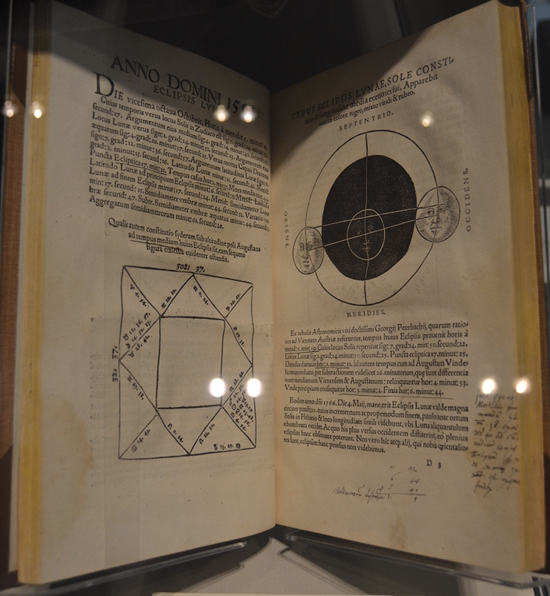
Dee had many books on astronomy. In the notes he wrote in the margins of this one, he discussed the two lunar eclipses he saw in 1556 and 1566. When a comet appeared in 1577, Queen Elizabeth asked him if it was an ill omen but Dee reassured her that it wasn't.
Dee owned many books on astronomy. In the notes he wrote in the margins of this one, he discussed the two lunar eclipses he saw in 1556 and 1566. When a comet appeared in 1577, Queen Elizabeth asked him if it was an ill omen but Dee reassured her that it wasn’t. I apologize for the quality of some of this photos. There were bright lights over the glass cases. Good for viewing, not so good for photography!


The name John Dee conjures up images of a Tudor-era mage plumbing the mysteries of the occult and speaking with angels through his system of Enochian magic. This is how most people know Dr. Dee, and it is all I knew about him until I visited an excellent exhibition at the Royal College of Physicians in London.

Scholar, Courtier, Magician: The Lost Library of John Dee sets the record straight on a misunderstood and often maligned Renaissance man. Far more than a mere occultist, Dee was a geographer, mathematician, astronomer, world traveler, and cryptographer. He was influential in two royal courts and was an early advocate for the colonization of the Americas.

…

Read More Read More

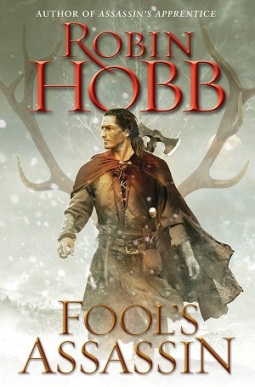
Fool’s Assassin: How Robin Hobb Writes Lyrical Fantasy Without Being Boring

Fool’s Assassin: How Robin Hobb Writes Lyrical Fantasy Without Being Boring

FoolsAssassin
This is a dissection, not a review, and it’s full of (slightly obfuscated) spoilers.

If you’re looking for a review of Robin Hobb’s Fool’s Assassin, please go away. This is a dissection, not a review, and it’s full of (slightly obfuscated) spoilers.

If you are wondering how Hobb works her magic, but haven’t read this book, then your probably want to do that first. However, if that means starting from the beginning of the Assassin series, then you can safely read on because by the time you reach Fool’s Assassin you’ll have forgotten.

It is a good book. It’s as if Mary Renault or Rosemary Sutcliff wrote Fantasy, or if Tolkien channeled Thomas Hardy with more magic ninjas. It’s also a very rare bird; a country house Gothic from the point of view of the moody denizens.

From a writerly point of view, it’s interesting because she makes two things work that are often the comeuppance of lesser writers: a first person narrative in a slow burn thriller, and rich description.

Here’s how I think she does it.

…

Read More Read More

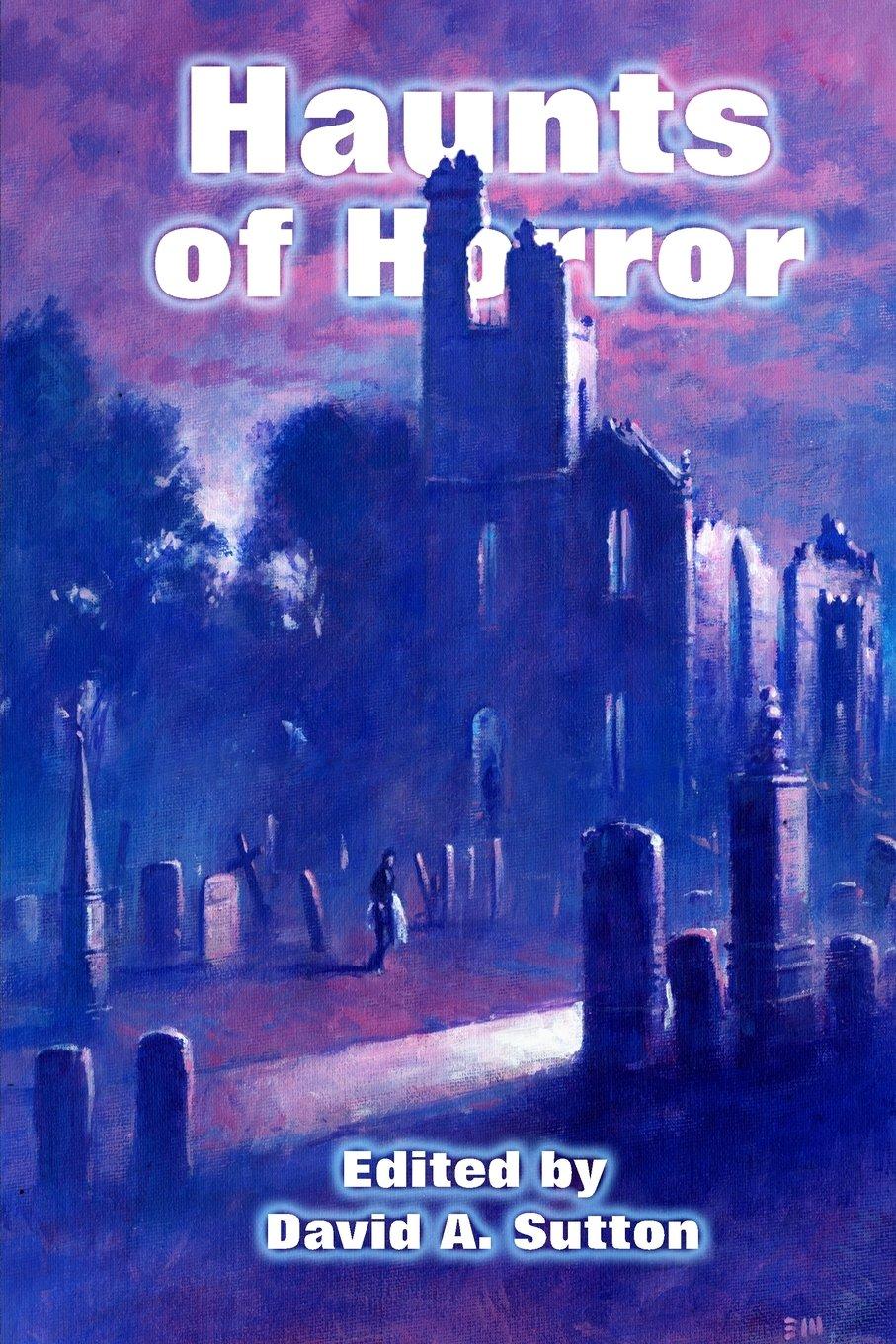
Future Treasures: Haunts of Horror, edited by David A. Sutton

Future Treasures: Haunts of Horror, edited by David A. Sutton

Haunts of Horror-small Haunts of Horror-back-small

Come on, who doesn’t love a haunted house story? I know I do. So I was very pleased to stumble on David A. Sutton’s upcoming anthology Haunts of Horror, which contains six novellas that explore the idea of the haunted house — but with a modern twist. The settings include “A seaside home, a school, a fantasy castle, a lighthouse, a wooden hut, a run-down tower block — all tainted by an abnormal atmosphere.” Yes, please! Here’s the TOC.

“Today We Were Astronauts,” Allen Ashley
“The Listener,” Samantha Lee
“The School House,” Simon Bestwick
“The House on the Western Border,” Gary Fry
“The Retreat,” Paul Finch
“The Worst of All Possible Places,” David A. Riley

Editor David A. Sutton has won the World Fantasy Award, The International Horror Guild Award, and twelve British Fantasy Awards; his previous anthologies include Fantasy Tales, Dark Voices, Dark Terrors, and Horror on the High Seas. Haunts of Horror was originally published in hardcover as Houses on the Borderland in 2008, by The British Fantasy Society. The new trade paperback edition will be published by Shadow Publishing on February 26, 2016. It is 322 pages, priced at $16 (order direct here). No word yet on a digital version. The splendidly spooky cover is by Edward Miller.

Vintage Treasures: The Early Fantasy Novels of Nancy Kress

Vintage Treasures: The Early Fantasy Novels of Nancy Kress

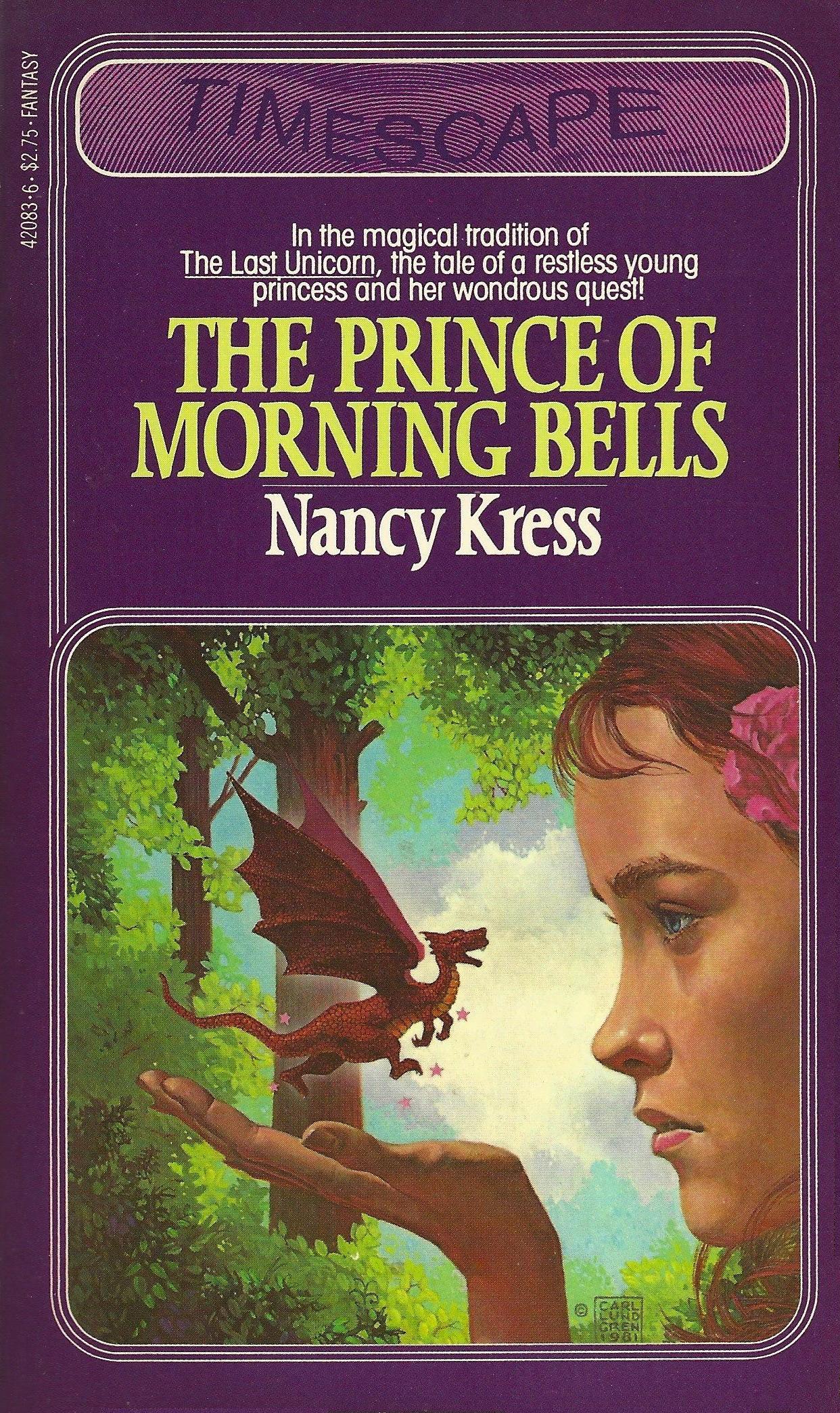
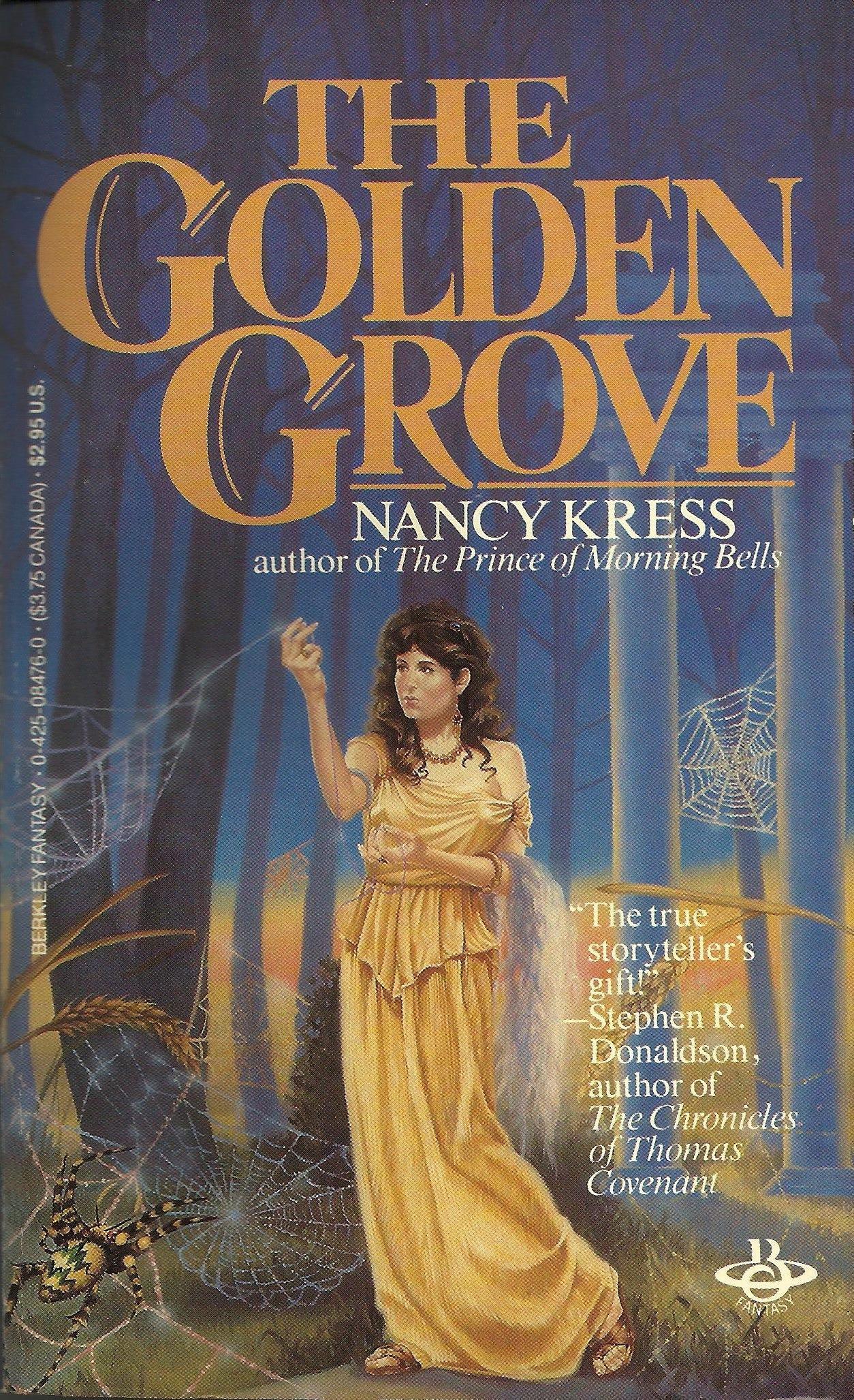
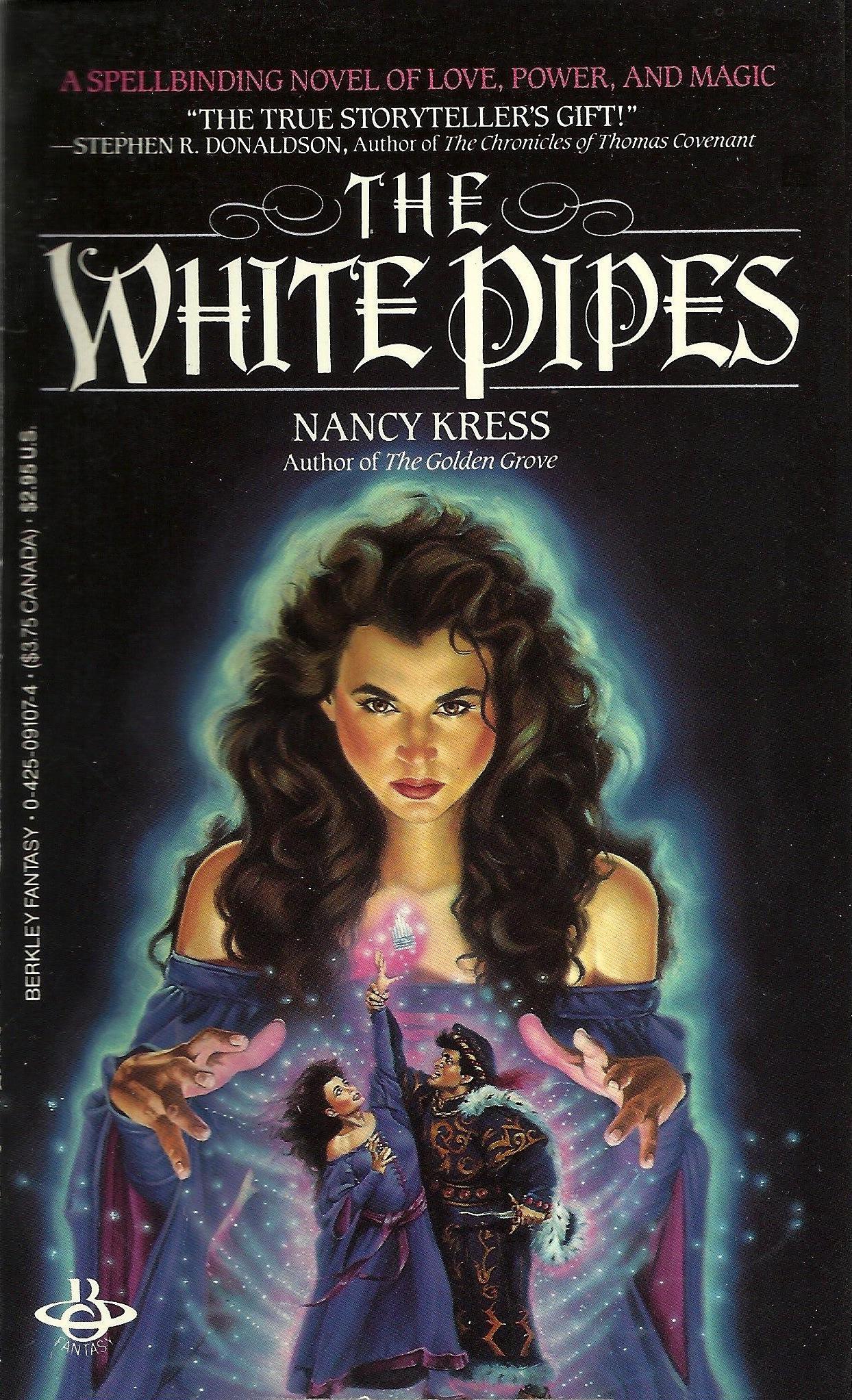
The Prince of Morning Bells-small The Golden Grove-small The White Pipes-small

Nancy Kress is one of the finest science fiction writers we have. She’s won the Nebula Award six times, the Hugo twice, and the John W. Campbell Award. Her novels include the acclaimed Sleepless series (Beggars in Spain, Beggars and Choosers, Beggars Ride), An Alien Light (1988), and Steal Across the Sky (2009).

But before all of that, she began her career with three fantasy novels that are still fondly remembered today.

The Prince of Morning Bells (Timescape/Pocket, 224 pages, $2.75, October 1981) — cover by Carl Lundgren
The Golden Grove (Berkley, 246 pages, $2.95, January 1986) – cover artist unknown
The White Pipes (Berkley, 218 pages, $2.95, August 1986) — cover artist unknown

The books are not connected, but their publication did signal the arrival of a major new voice in fantasy.

…

Read More Read More

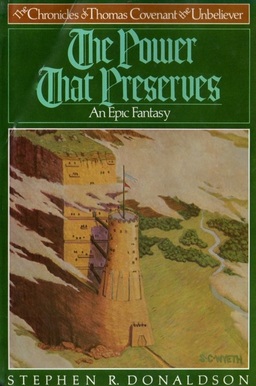
The Power That Preserves by Stephen R. Donaldson

The Power That Preserves by Stephen R. Donaldson

oie_82298T7OJJLQ9And so we come to the end of the First Chronicles of Thomas Covenant the Unbeliever (follow the links to read my reviews of the previous two books, Lord Foul’s Bane and The Illearth War). While not an upbeat book by any degree The Power That Preserves (1977) provides a satisfying and hope-filled conclusion to a series heretofore characterized mostly by loss and despair. Those elements still figure heavily in this story, but this time around they more clearly serve to prepare Covenant for the confrontation with Lord Foul.

The events of the crushing, sorrow-filled The Illearth War have left Thomas Covenant a broken man. He is pulled back and forth by the weight of what he did and his continued disbelief in the Land’s reality. Compelled by his reawakening need for human contact, he falls into a sort of madness and takes to haunting the woods and backstreets of his town, a place from which he’s been exiled because of people’s fear of his disease. When he stops taking the meds that suppress it, his leprosy is triggered.

While trying to save a little girl being menaced by a timber snake Covenant is summoned to the Land by the new High Lord, Mhoram. Under command of the Raver-possessed Giant, Satansfist, a vast army has destroyed Revelwood and laid siege to Revelstone. For weeks Lord Foul has called down perpetual winter on the Land and sent packs of marauders to kill any who defy his will.

Covenant insists he will help the Land, but must be allowed to return home and save the girl first. He does, but is poisoned himself. Once he’s satisfied she is safe, he says, “Come and get me. It’s over now.,” and is brought back to the Land. But he doesn’t arrive back in front of the Lords and inside the besieged Revelstone. Instead, he is called back to Kevin’s Watch where he first arrived in the Land in Lord Foul’s Bane. This time he has been summoned by Triock, one-time suitor of Lena (the woman he raped), and the Giant Saltheart Foamfollower. After he helps them fight off a vicious attack on Mithil Stonedown, Covenant decides the time has finally come to take a stand.

…

Read More Read More