Browsed by
Category: Books

Are We Fans of a Dying Art Form? James Wallace Harris on Old Science Fiction Stories
Are We Fans of a Dying Art Form? James Wallace Harris on Old Science Fiction Stories

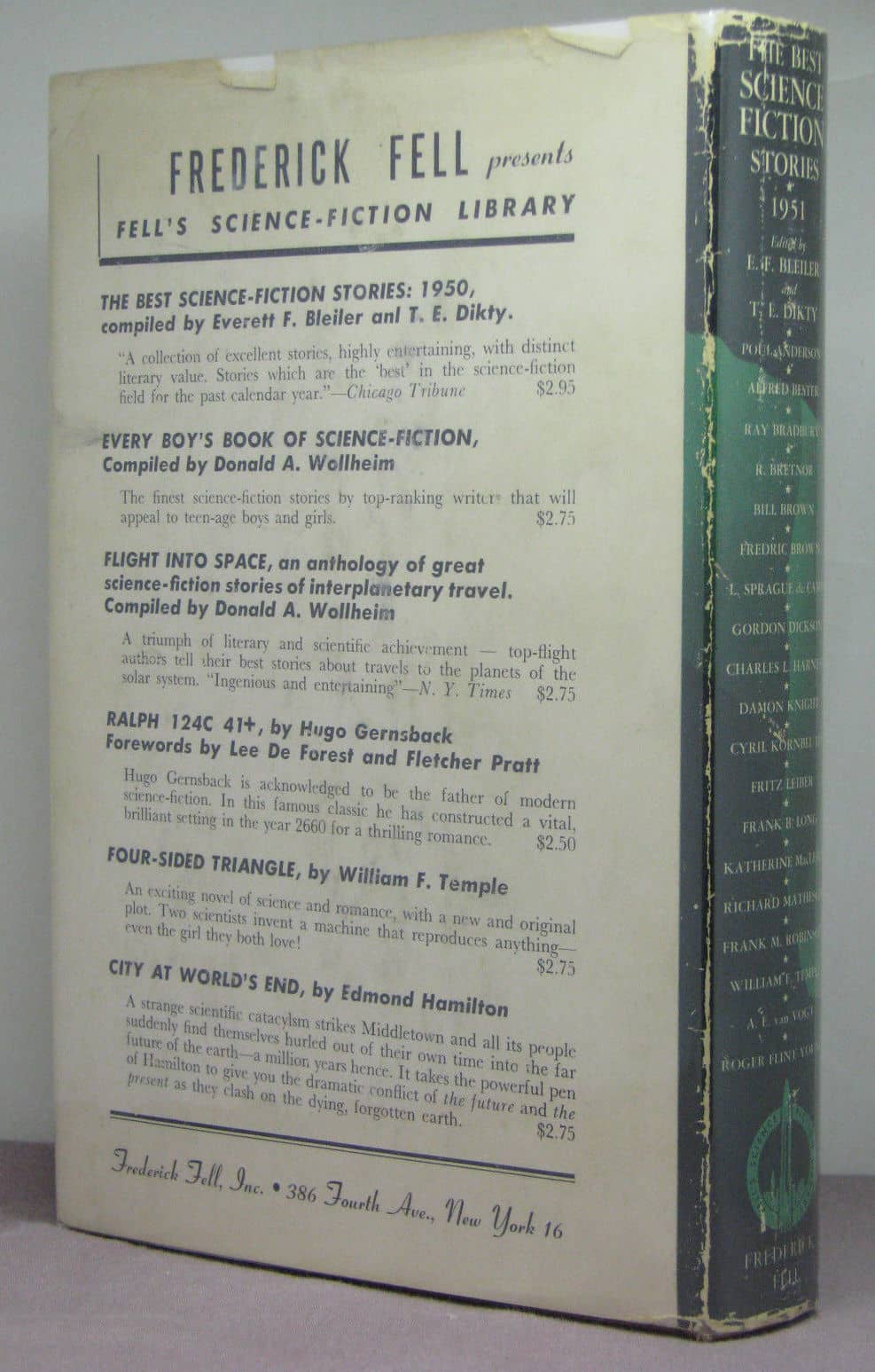
The-Best-Science-Fiction-Stories-1951-small The-Best-Science-Fiction-Stories-1951-back-small

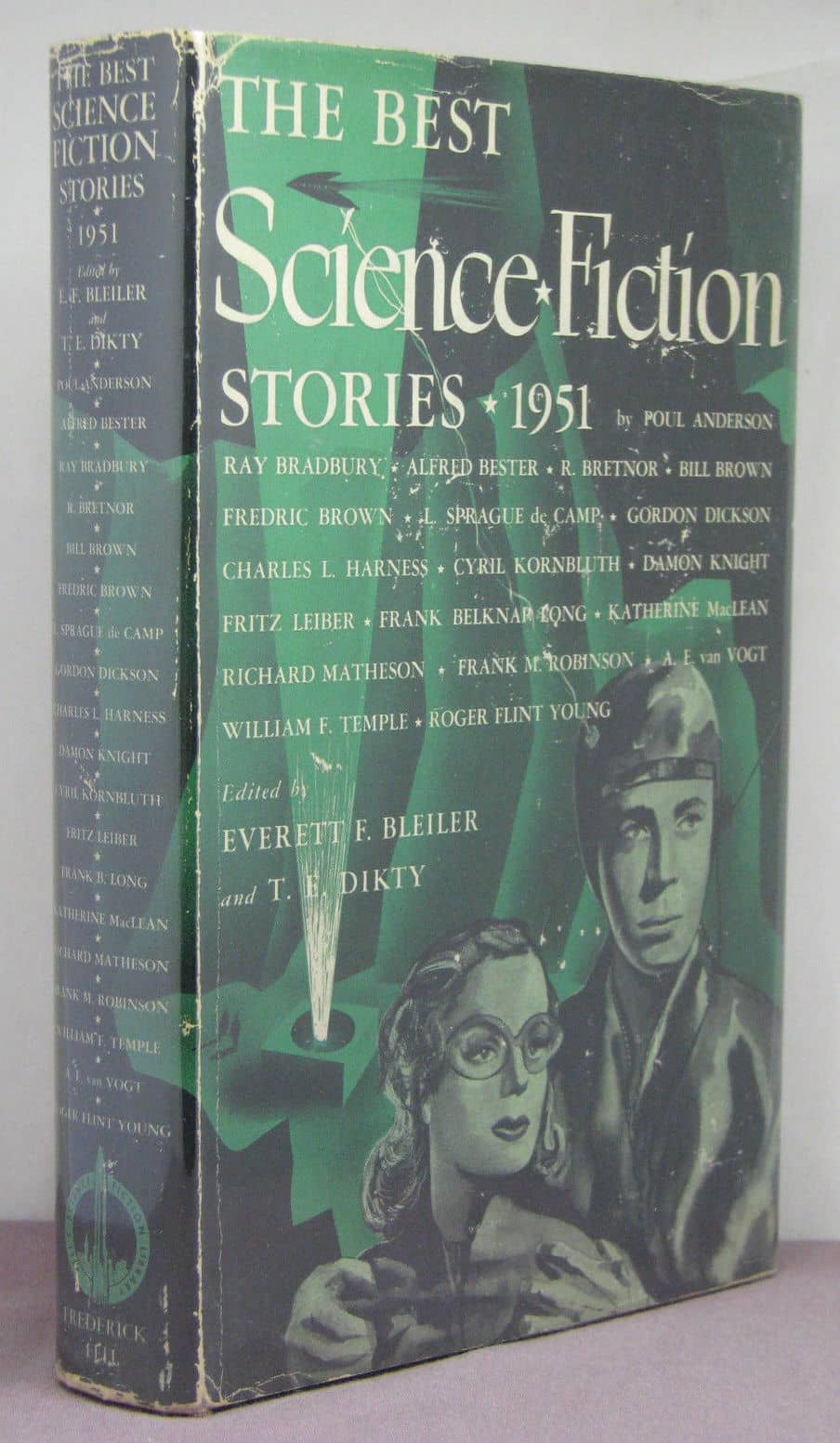
I’ve been enjoying James Wallace Harris’ blog Auxiliary Memory. Recent topics include A History of the SF Best-of-the-Year Anthology, a cover survey of the Del Rey Classic Science Fiction series and, a particular favorite of mine, his review of Isaac Asimov and Martin H. Greenberg’s The Great SF Stories 1 (1939). I think one of the reasons I enjoy his blog is that, like a few of us here at Black Gate, James particularly enjoys classic SF stories, which is kind of a speciality interest these days. Although James seems to worry more about declining readership than I do.

There are a handful of blogs that reflect a love for old science fiction short stories. That suggests we are the keepers of a very weak flame. I see many of the same names posting comments at these sites. Are we the fans of a dying art form? I don’t think science fiction is dying out, but I do think new science fiction gets most of the attention… There are more anthologies than ever collecting the best short science fiction of the year, including one from the prestigious Best American Series. And there’s plenty of places that publish new short science fiction. I believe the readership is smaller today than we I was growing up, but the science fiction short story is still going strong despite the overwhelming popularity of media science fiction.

Yes, new science fiction gets most of the attention — and that’s because it is blessed with talented newcomers producing terrifically exciting new work, like Lavie Tidhar, Linda Nagata, Sarah Pinsker, Kelly Link, Yoon Ha Lee, Charlie Jane Anders, C.S.E. Cooney, Rich Larson, Aliette de Bodard, and many others. And that’s exactly as it should be. There’s a word for a genre that focuses too much on the past: Dead. Science Fiction is not dead, it is very much alive and thriving. That’s takes nothing away from the great old SF we enjoyed decades ago — it’s still there waiting for readers of a new generation to discover. But first we have to win over that new generation of readers, and it takes modern writers to do that.

You can read the complete text of James’ rambly but entertaining post Remembering Old Science Fiction Short Stories here.
Future Treasures: The Best Science Fiction and Fantasy of the Year, Volume Twelve, edited by Jonathan Strahan

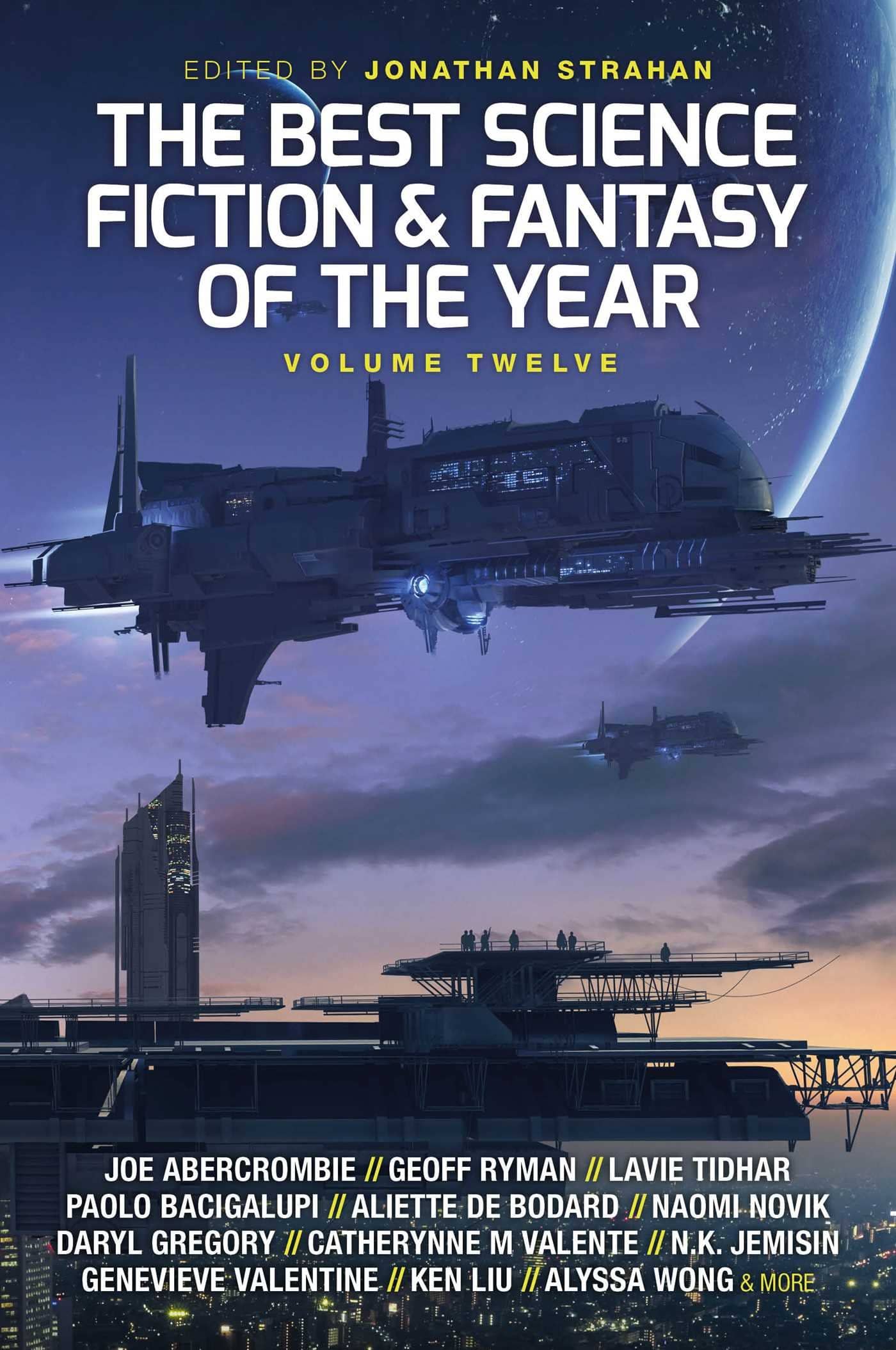
Future Treasures: The Best Science Fiction and Fantasy of the Year, Volume Twelve, edited by Jonathan Strahan

The Best Science Fiction and Fantasy of the Year Volume Twelve-smallI recently discovered the Coode Street Podcast, hosted by editor Jonathan Strahan and Chicago Tribune critic Gary K. Wolfe, and have been thoroughly enjoying it. They discuss a wide variety of topics of interest to SF and fantasy readers every week — everything from the Hugo nominations, the best debuts of the year, art in science fiction, Ursula K. Le Guin, conventions, upcoming releases, and so much more — and they’re both so articulate and knowledgeable, and so darn enthusiastic, that you can’t help coming away from each hour-long conversation with a lengthy list of brand new books you just have to check out.

I feel the same way about Jonathan Strahan’s annual Best Science Fiction of the Year. The latest volume makes it an even dozen, and each one has helped me discover a handful of delightful new authors. It’s a book I cherish every year, and this one — with stories by Samuel R. Delany, Yoon Ha Lee, Caroline M. Yoachim, Rich Larson, Indrapramit Das, Charlie Jane Anders, Linda Nagata, Theodora Goss, Greg Egan, Mary Robinette Kowal, Scott Lynch, Maureen McHugh, Alastair Reynolds, Karl Schroeder, Kai Ashante Wilson, and our very own C.S.E. Cooney — looks even more stellar than most.

It arrives in trade paperback from Solaris next week. Here’s the Table of Contents.

“The Mocking Tower,” Daniel Abraham (The Book of Swords)
“Don’t Press Charges and I Won’t Sue,” Charlie Jane Anders (Boston Review)
“Probably Still the Chosen One,” Kelly Barnhill (Lightspeed)
“My English Name,” R. S. Benedict (The Magazine of Fantasy & Science Fiction)
“Zen and the Art of Starship Maintenance,” Tobias Buckell (Cosmic Powers)
“Though She Be But Little,” C.S.E. Cooney (Uncanny)
“The Moon is Not a Battlefield,” Indrapramit Das (Infinity Wars)
“The Hermit of Houston,” Samuel R. Delany (The Magazine of Fantasy & Science Fiction)
“The Discrete Charm of the Turing Machine,” Greg Egan (Asimov’s Science Fiction)
“Crispin’s Model,” Max Gladstone (Tor.com)
“Come See the Living Dryad,” Theodora Goss (Tor.com)

Read More Read More

Military SF, Mystery, and Thriller all in one Package: The Central Corps Trilogy by Elizabeth Bonesteel

Military SF, Mystery, and Thriller all in one Package: The Central Corps Trilogy by Elizabeth Bonesteel

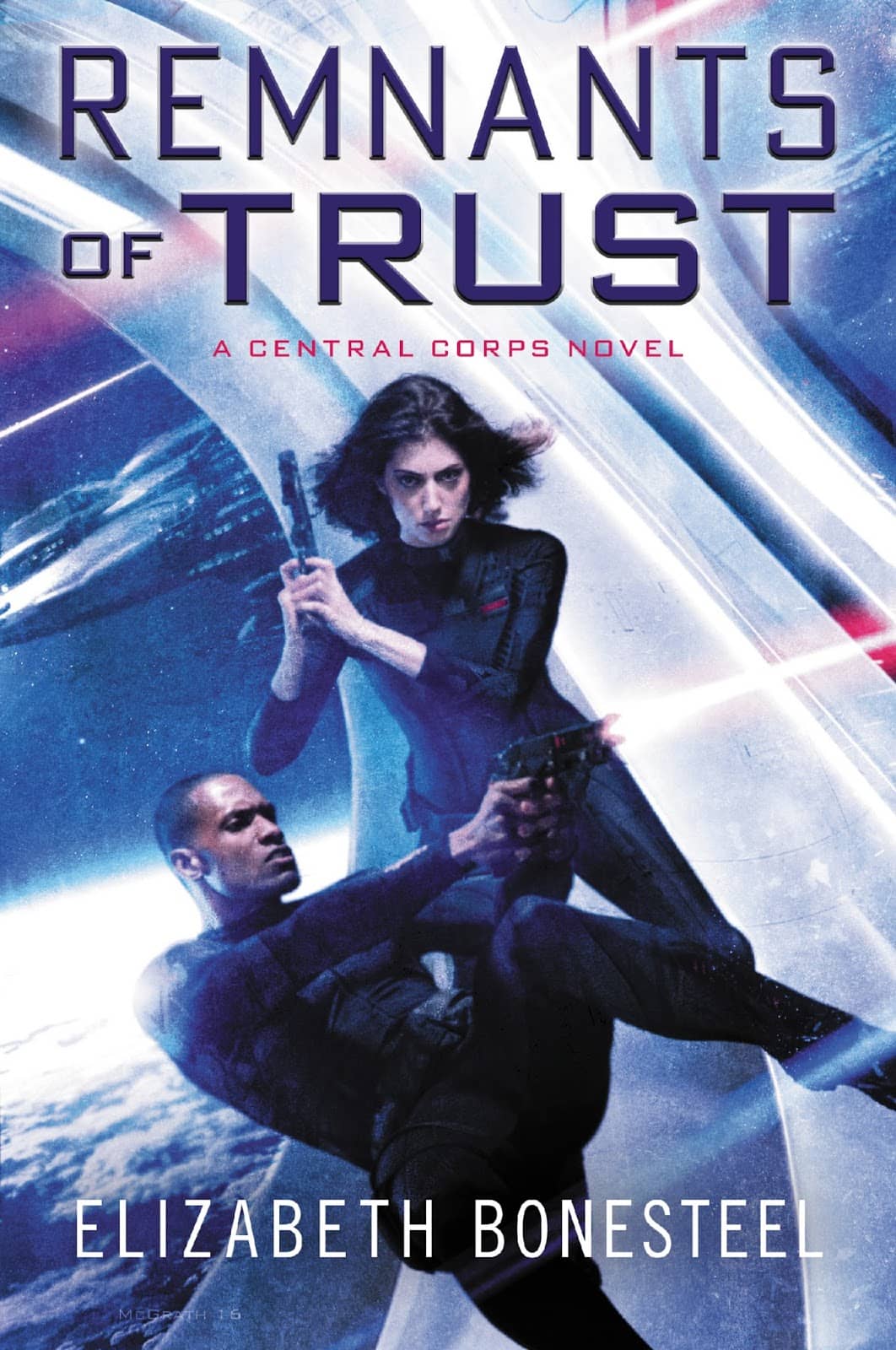
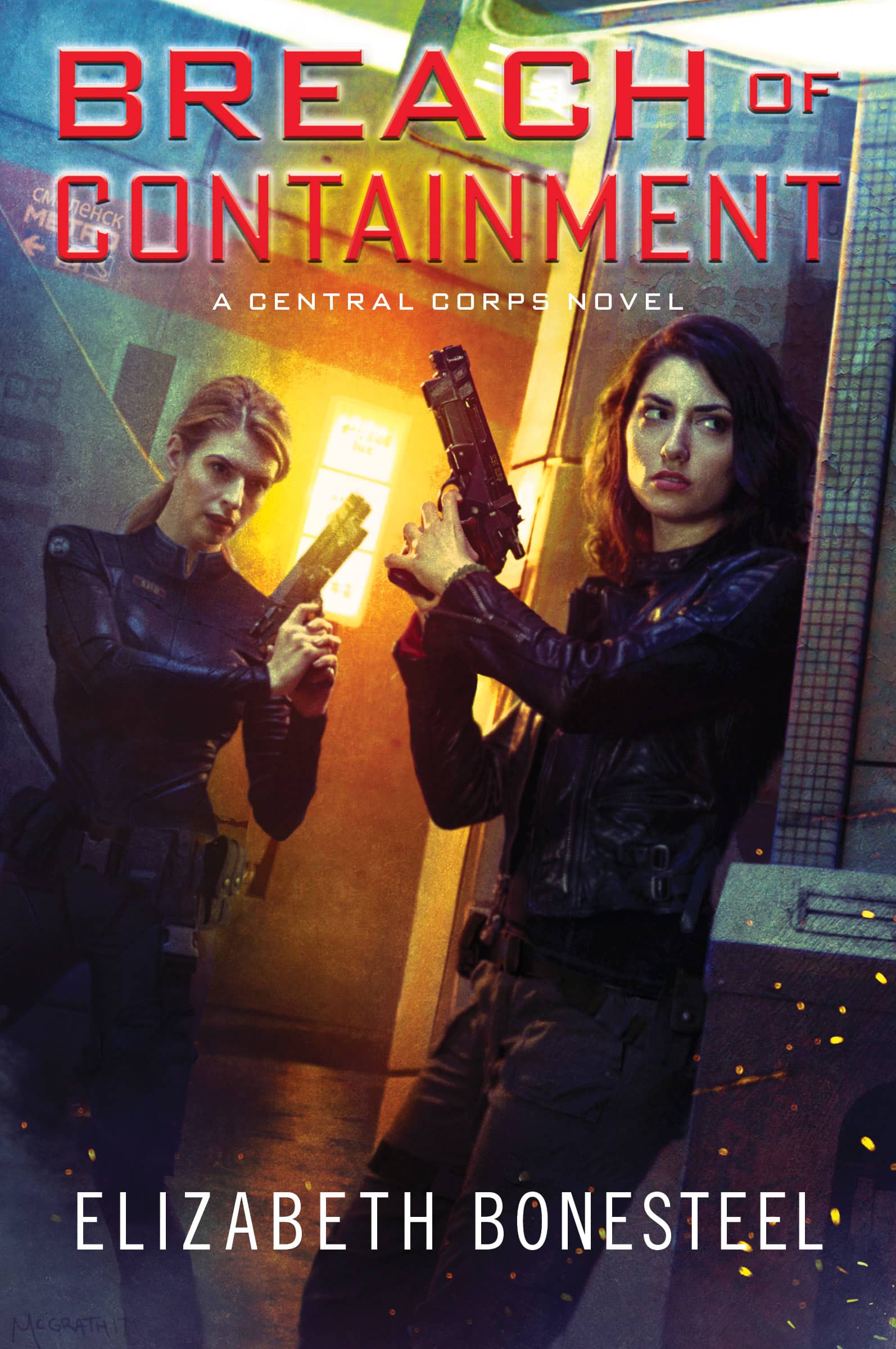
The-Cold-Between Bonesteel-small Remnants-of-Trust-Elizabeth-Bonesteel-small Breach of Containment-small

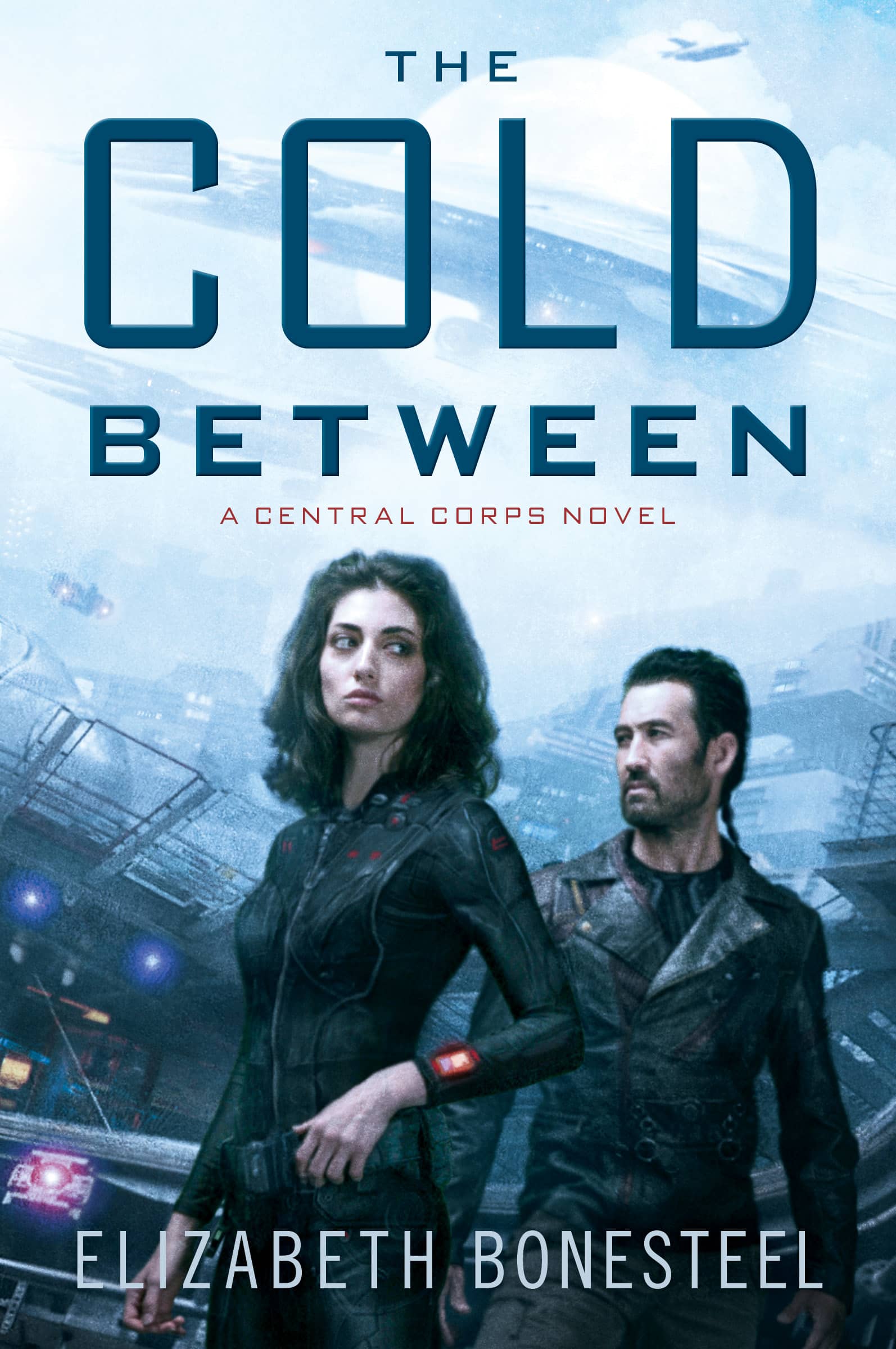
Elizabeth Bonesteel’s Central Corps trilogy began with The Cold Between in 2016, which SFF World called a “taut, space-based science fiction mystery.” John DeNardo selected the sequel, Remnants of Trust, as one of the Best Science Fiction and Fantasy Reads of November 2016, calling it “an engaging blend of military science fiction, mystery, and thriller.” The third installment, Breach of Containment, arrived last October. Man, I hope it’s not too late to jump on board. Here’s the description.

Space is full of the unknown… most of it ready to kill you.

When hostilities between factions threaten to explode into a shooting war on the moon of Yakutsk, the two major galactic military powers, Central Corps and PSI, send ships to defuse the situation. But when a strange artifact is discovered, events are set in motion that threaten the entire colonized galaxy — including former Central Corps Commander Elena Shaw.

Now an engineer on a commercial shipping vessel, Elena finds herself drawn into the conflict when she picks up the artifact on Yakutsk — and investigation of it uncovers ties to the massive, corrupt corporation Ellis Systems, whom she’s opposed before. Her safety is further compromised by her former ties to Central Corps — Elena can’t separate herself from her past life and her old ship, the CCSS Galileo.

Before Elena can pursue the artifact’s purpose further, disaster strikes: all communication with the First Sector — including Earth — is lost. The reason becomes apparent when news reaches Elena of a battle fleet, intent on destruction, rapidly approaching Earth. And with communications at sublight levels, there is no way to warn the planet in time.

Armed with crucial intel from a shadowy source and the strange artifact, Elena may be the only one who can stop the fleet, and Ellis, and save Earth. But for this mission there will be no second chances — and no return.

Breach of Containment was published by Harper Voyager on October 17, 2017. It is 576 pages, priced at $16.99 in trade paperback and $11.99 for the digital edition. The cover is by Chris McGrath. Get excerpts from all three novels at Bonesteel’s website.

Birthday Reviews: David Langford’s “Waiting for the Iron Age”

Birthday Reviews: David Langford’s “Waiting for the Iron Age”

Cover by Tim Gray
Cover by Tim Gray

David Langford was born on April 10, 1953.

Langford may be best known as the holder of twenty-one Hugo Awards for Best Fan Writer, including an unprecedented nineteen year winning streak. During that time he also won six Hugo Awards for Best Fanzine for Ansible and a Best Short Story Hugo for “Different Kinds of Darkness.” In 2012, he won his 29th and most recent Hugo for Best Related Work for The Encyclopedia of Science Fiction, Third Edition, edited with John Clute, Peter Nicholls, and Graham Sleight. Langford has tied with Charles N. Brown for the most Hugo Awards won.

In addition to his Hugo Awards, Langford has won a FAAN Award for Best Fan Writer at Corflu, and three British SF Awards, for his short story “Cube Root,” his non-fiction Introduction to Maps: The Uncollected John Sladek, and the Encyclopedia of Science Fiction. His Ansible Link column won a Non-Fiction British Fantasy Award. In 2002, Boskone awarded Langford a Skylark Award.

“Waiting for the Iron Age” was originally published by Brian Stableford in the anthology Tales of the Wandering Jew in 1991. Langford later included it in his collection Different Kinds of Darkness.

Langford explores the life of the immortal in “Waiting for the Iron Age.” His narrator is unidentified, but has clearly lived for millennia and has acquired and retained knowledge over that time, although it is also clear that at various times throughout his lifespan he’s undergone a series of rebirths of a sort, which don’t imply death, but do indicate a new start in life. During the Twentieth Century the narrator acquires the scientific terms to discuss his situation and begins to use scientific theories to express himself and a prognosis for his future.

“Waiting for the Iron Age” lacks a plot, focusing on the philosophical with a strong dose of the mathematical to look at the situation the narrator finds himself in. The lack of a storyline will make the story less accessible to many readers, but Langford does offer a distinctive take on the mental processes of someone who has lived an extremely long time with no end in sight.

Read More Read More

Vintage Treasures: The Masters of Solitude by Marvin Kaye and Parke Godwin

Vintage Treasures: The Masters of Solitude by Marvin Kaye and Parke Godwin

The Masters of Solitude-small The Masters of Solitude-back-small

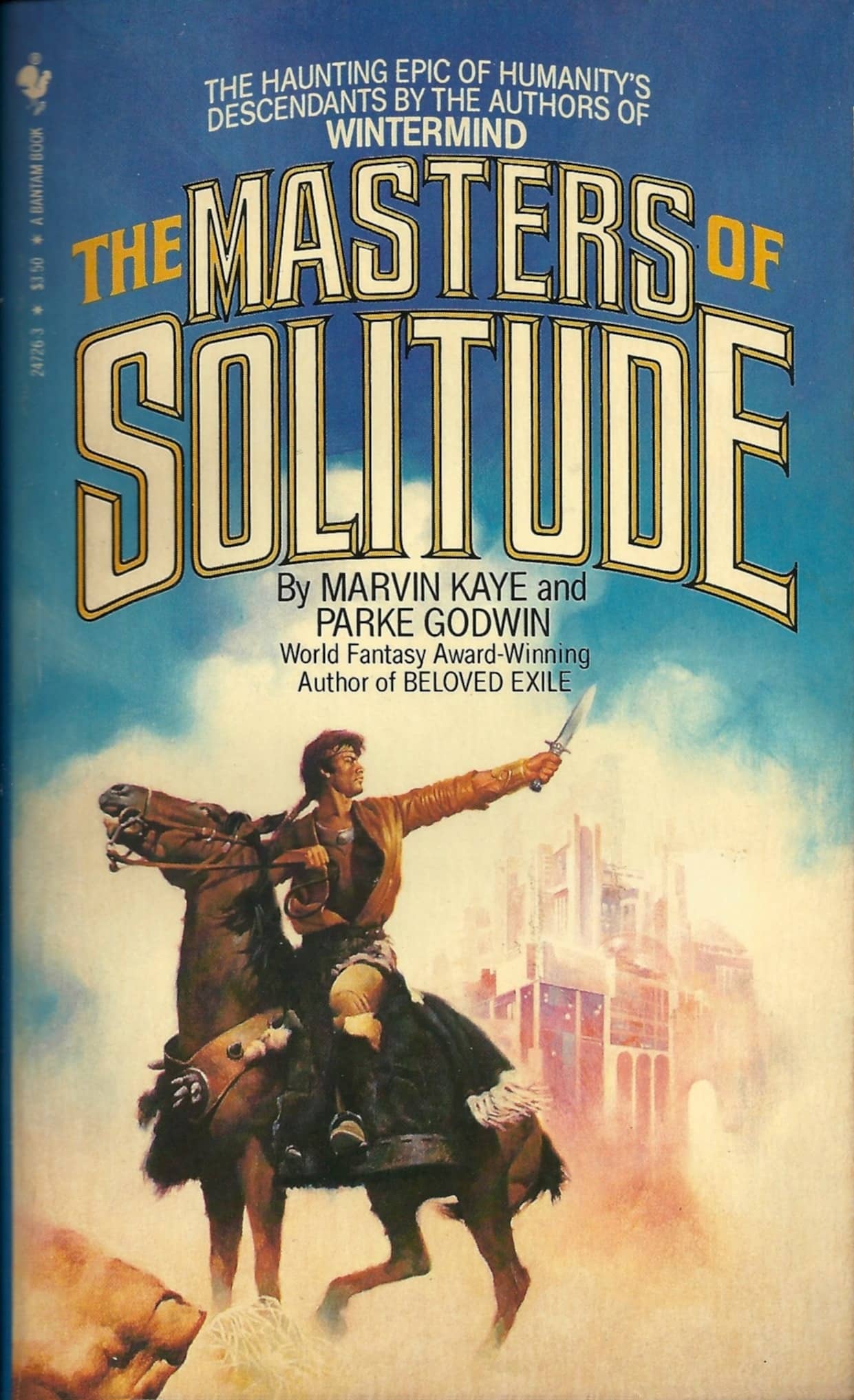
Marvin Kaye and Parke Godwin made a powerful combination in 1978. Kaye already had a growing reputation as an anthologist, with Fiends and Creatures (Popular Library, 1974) and Brother Theodore’s Chamber of Horrors (Pinnacle, 1974) under his belt; he would produce dozens more over the next 30 years, including Ghosts – A Treasury of Chilling Tales Old and New (Doubleday, 1981), Weird Tales, The Magazine That Never Dies (Doubleday, 1988), and The Fair Folk (Science Fiction Book Club, 2005). Parke Godwin was already an established novelist, with Darker Places (1973) and A Memory of Lions (1976); he would go on to win a World Fantasy Award for his 1981 novella “The Fire When It Comes,” and gained lasting recognition for his Firelord trilogy (the opening novel of which was also a World Fantasy Award nominee) and his Robin Hood novels Sherwood (1991) and Robin and the King (1993).

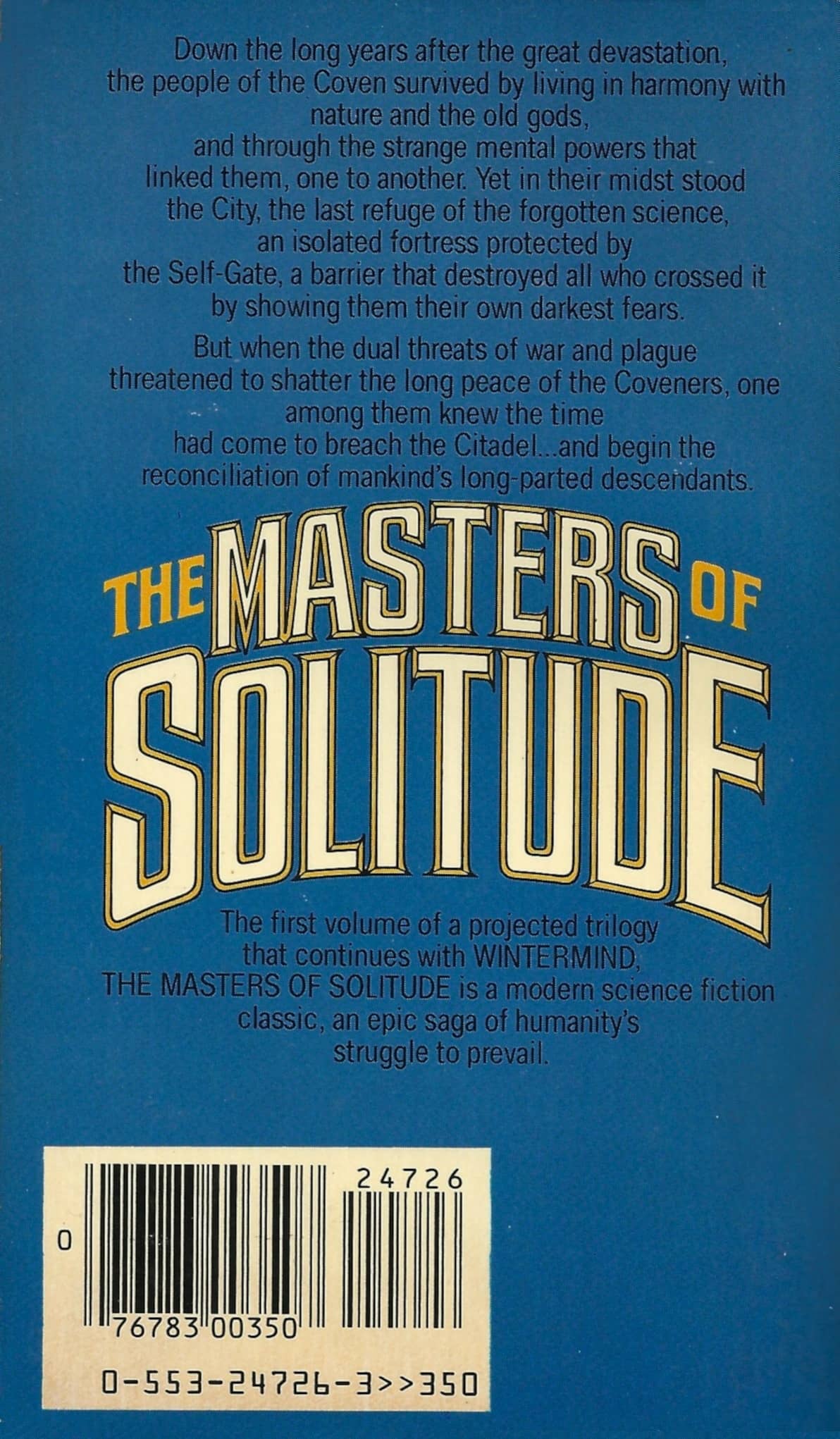
Their collaborative novel The Masters of Solitude was serialized in Galileo magazine in 1977/78, and published in hardcover by Doubleday in 1978. A postapocalyptic tale of two disparate cultures that are all that remains of humanity after a “great devastation,” it drew comparisons to Tolkien. It has been out of print since the 1985 Bantam paperback (above), but has a surprising 166 ratings on Goodreads, and some lively reviews.

Read More Read More

Constant Killing, Machiavellian Schemes, and Political Intrigue: Thunderhead by Neal Shusterman

Constant Killing, Machiavellian Schemes, and Political Intrigue: Thunderhead by Neal Shusterman

Scythe Neal Shusterman-small Thunderhead Neal Shusterman-small

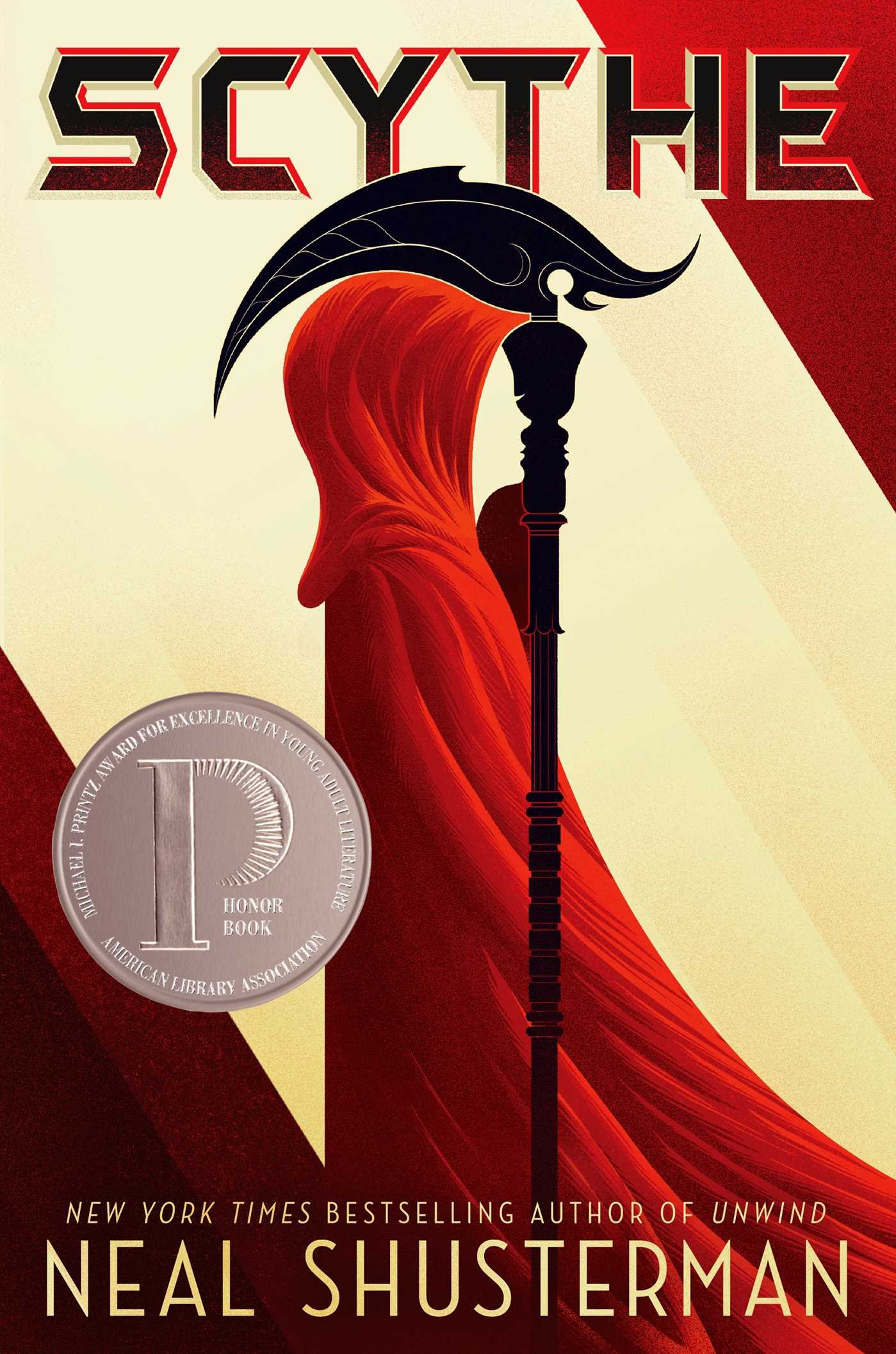
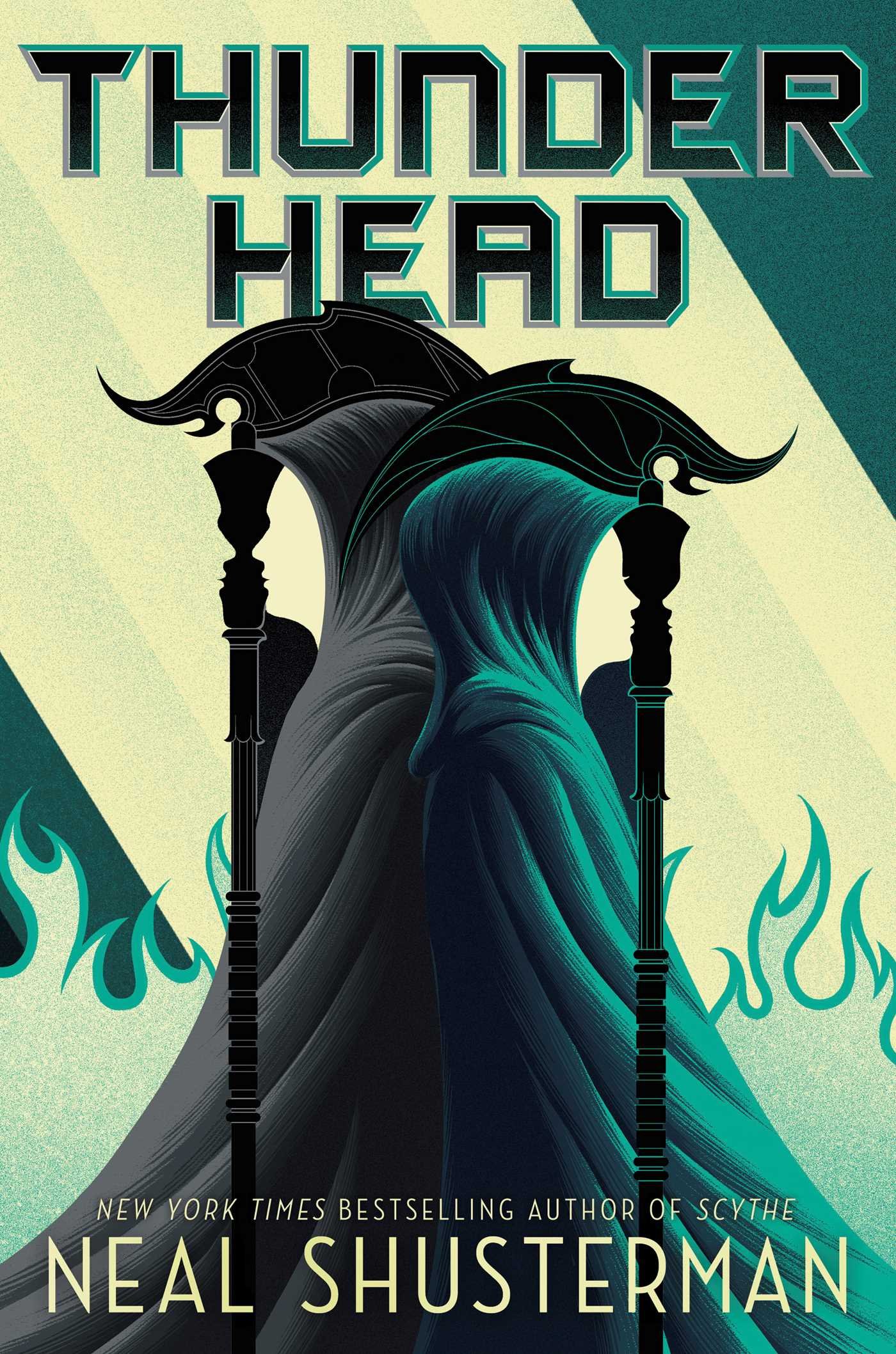
Neal Shusterman’s dystopia Thunderhead has rocked the New York Times bestseller list for YA Hardcover for the past two months as of this writing. The sequel to Scythe, a Printz Honor book, it’s just as dark, intense, and daring as the original.

The world of Scythe and Thunderhead is perfect. An incomprehensibly complex, sentient, and nearly all-knowing AI named the Thunderhead runs everything without the slightest hitch. No one needs to work unless they want to, and humans are immortal. If you grow older than you’d like, you can “turn the corner” and become whatever age you choose. If you fall from a high place and splat, a revival center will bring you back. Don’t worry about poison. Don’t worry about car crashes. As long as your flesh isn’t consumed, you’ve only been rendered deadish. Give it a day or two, and you’ll be back among the living.

Unless, of course, a Scythe chooses to glean you.

Read More Read More

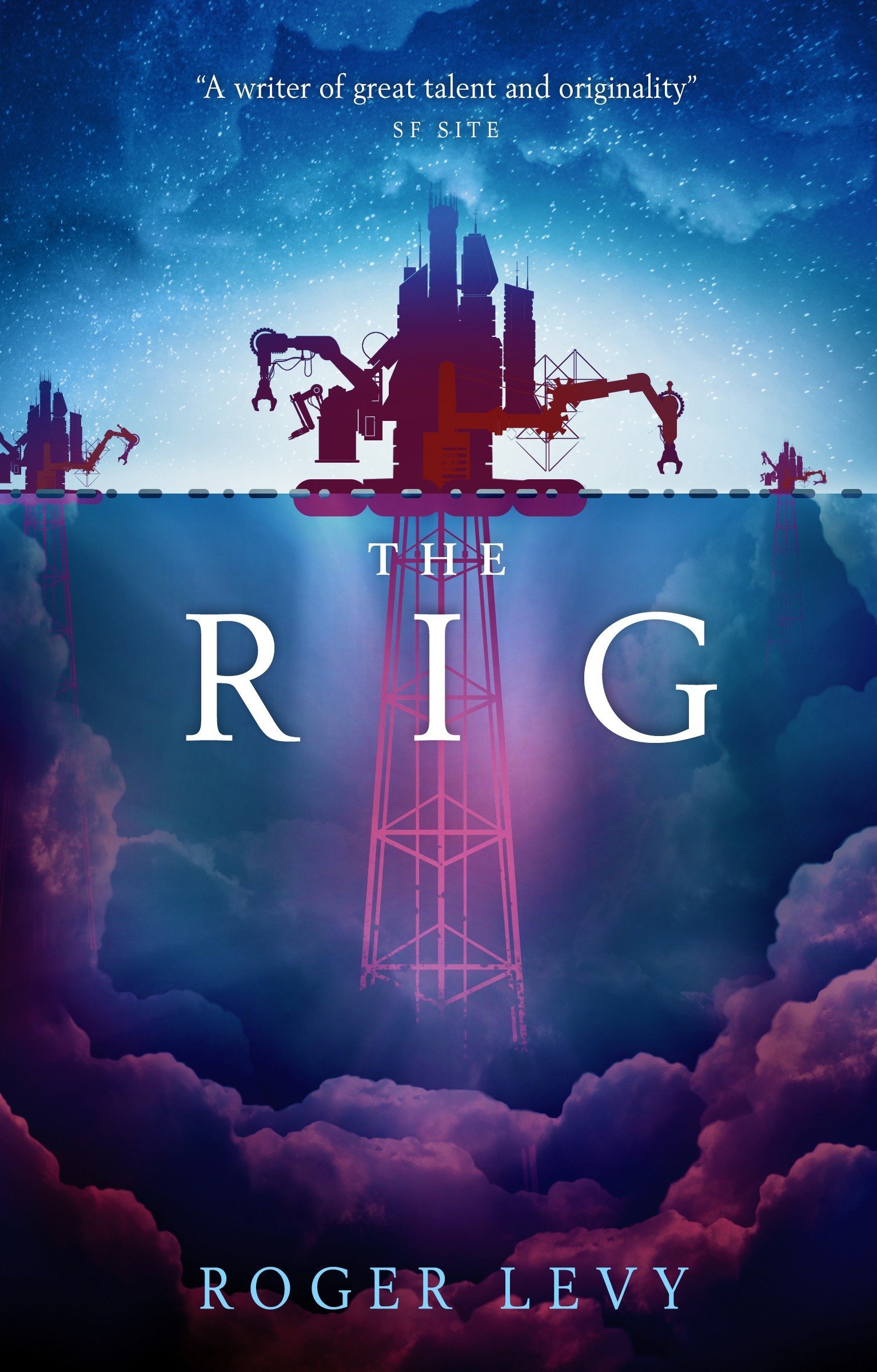
Future Treasures: The Rig by Roger Levy

Future Treasures: The Rig by Roger Levy

The Rig Roger Levy-smallRoger Levy is a British science fiction writer; his previous novels include Reckless SleepDark Heavens, and the ambitious space opera Icarus.

His upcoming The Rig, his first novel in a decade, has a fascinating premise: a lottery called AfterLife promises to randomly place people in suspended animation deep in the seas of the planet Bleak at the moment of death. Organic chips planted into their brains at birth record everything, and their lives are played back for billions of subscribers — who vote on whether or not they deserve a second chance. Everyone can be a judge, and anyone can be judged… or resurrected. Who needs God when you have social media?

On a desert planet, two boys meet, sparking a friendship that will change human society forever.

On the windswept world of Bleak, a string of murders lead a writer to a story with unbelievable ramifications.

One man survives the vicious attacks, but is left with a morbid fascination with death; the perfect candidate for the perilous job of working on a rig.

Welcome to the System. Here the concept of a god has been abandoned, and a new faith pervades: AfterLife, a social media platform that allows subscribers a chance at resurrection, based on the votes of other users.

So many Lives, forever interlinked, and one structure at the center of it all: the rig.

Adam Roberts calls The Rig “a tour de force: a darkly brilliant epic of life, death and huge drilling platforms.”

The Rig will be published by Titan Books on May 8, 2018. It is 464 pages, priced at $14.95 in trade paperback and $8.99 for the digital edition. The great cover was designed by Julia Lloyd.

Birthday Reviews: Nnedi Okorafor’s “Bakasi Man”

Birthday Reviews: Nnedi Okorafor’s “Bakasi Man”

by Johnathan Sung
by Johnathan Sung

Nnedi Okorafor was born on April 8, 1974.

Okorafor won her first Carl Brandon Award for the novel The Shadow Speaker and she won the Carl Brandon Award and the World Fantasy Award for her novel Who Fears Death, which was also nominated for the Nebula Award. She won the Nebula Award and the Hugo Award for her novella Binti in 2016. Her fiction has also been nominated for the Theodore Sturgeon Memorial Award, the John W. Campbell Memorial Award, the James Tiptree, Jr. Award, the British Science Fiction Association Award, the British Fantasy Award, the Arthur C. Clarke Award, and the Andre Norton Award. Okorafor has collaborated with Alan Dean Foster and Wanuri Kahiu on short diction. She co-edited the anthology Without a Map with Mary Anne Mohanraj.

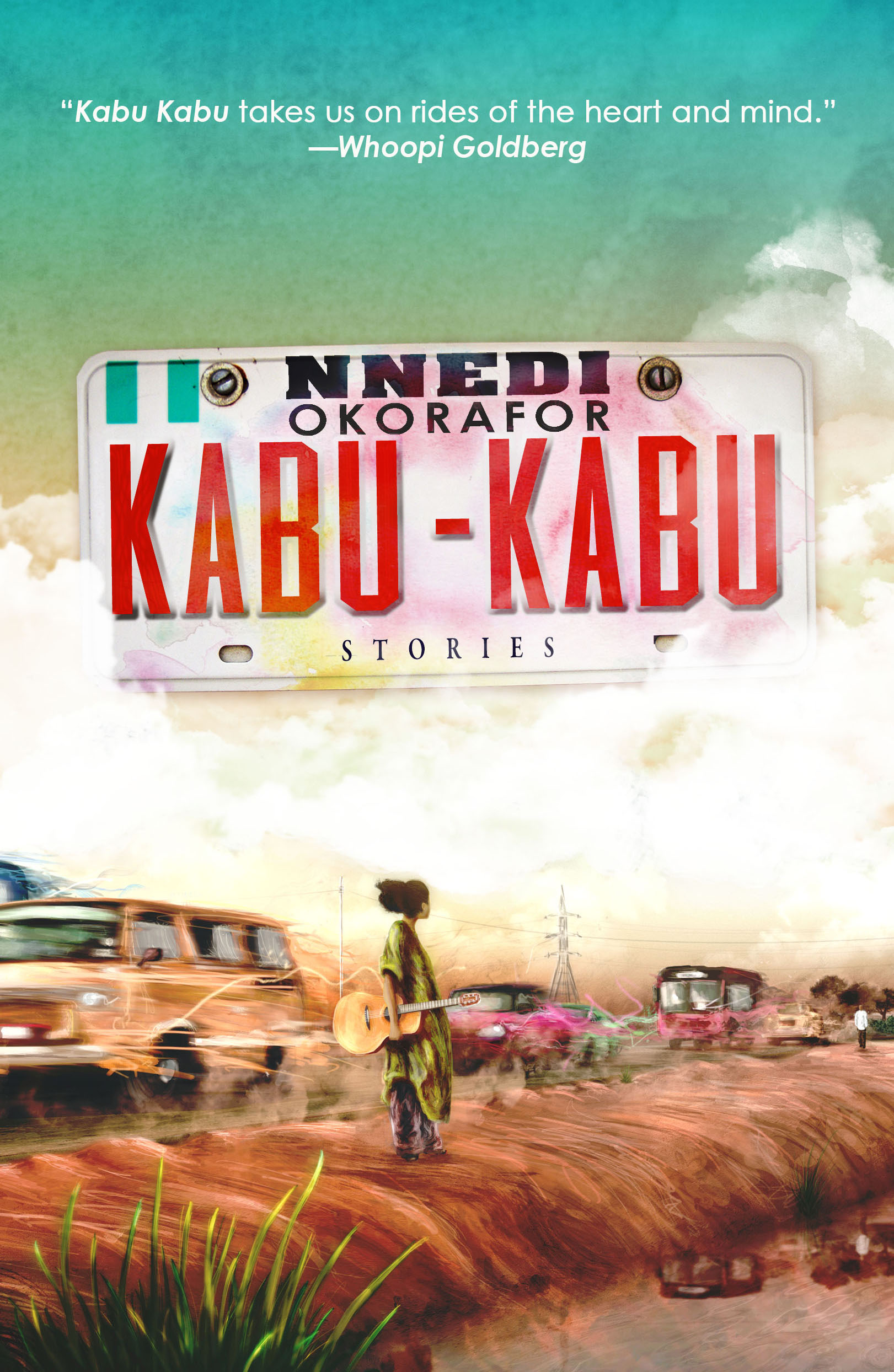
“Bakasi Man” was originally published in Okorafor’s collection Kabu-Kabu and it has not been reprinted.

Throughout history, many cultures have believed that hunchbacks are magical or a sign of the gods’ favor. Okorafor used this belief to create the story of Bakasi, a hunchback in an unnamed African country who uses his associated good fortune to achieve success, both in school and eventually in politics. Unfortunately, Bakasi is also a demagogue. As he rose to power, he decided that blaming the Agwe minority in the state of Ndi would help him build a political base.

The Agwe have followed his career, and they aren’t willing to let themselves be victimized by his need for scapegoats. A group of five Agwe, led by Rosemary, decides that Bakasi needs to be assassinated. Okorafor doesn’t explore the group’s planning or their expectations, merely showing their actions leading up to the assassination and its aftermath.

Read More Read More

In 500 Words or Less: Soledad by D.L. Young

In 500 Words or Less: Soledad by D.L. Young

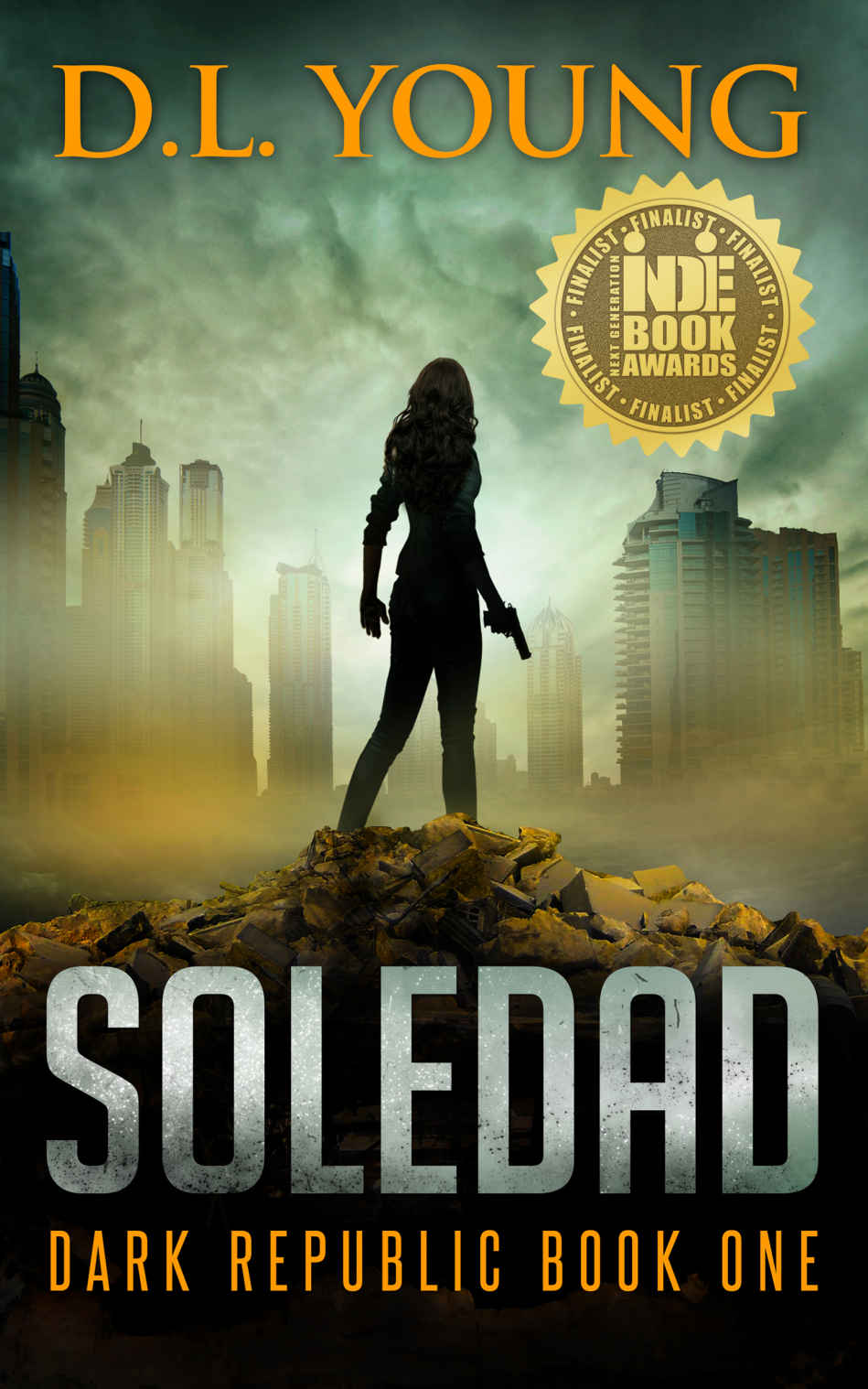
Soledad DL Young-smallSoledad (Dark Republic #1)
By D.L. Young
Concordia (244 pages, $12.99 paperback, April 2016)

Planning on throwing yourself into the community of science fiction and fantasy writers? In North America, at least, be prepared to start humming, “It’s a Small World, After All” every time you go to a conference or festival.

When I was first breaking into the short fiction market, two of my stories appeared in Tides of Possibility, an anthology published through the Houston Writers Guild. It was in that anthology that I first came across a story by D.L. Young, “The Reader,” which among a solid collection really jumped out at me.

That was 2014. I went about my business, occasionally seeing tweets and posts by Young and other Tides contributors until they stopped showing up as often in my feeds, courtesy of analytics. Then this past fall at World Fantasy in San Antonio, I walked past a dealer’s room booth with D.L. YOUNG displayed on a big poster, and realized, “Holy @#$%, I know that guy!”

Which is the long version of how, after catching up with Dave about writing and whatnot, I ended up with a copy of Soledad, the first novel in his Dark Republic series. It’s a blend of near-future post apocalypse with what could be considered fantasy, focused on a young woman surviving in a blighted version of Texas, surrounded by people who want to use her ability to “read” people and determine their lies. Through a desperate quest for answers, we see a potential future where natural gas is gold, the United States wants nothing to do with Texas, and a sharp dichotomy between rich and poor is shown via Dallas, the last bastion of high-tech civilization in the region.

This is the point when I will honestly admit that it’s rare for a self-published book to really blow me away. There are a lot of reasons for that (which might be good material for another post) but for anyone who might be leery of self-pub in today’s oversaturated market: Soledad is an awesome novel. It’s got complex characters that blur the line between hero and villain and maintains a quick and effective pace with twists that I genuinely didn’t see coming.

Read More Read More

New Treasures: The Hollow Tree by James Brogden

New Treasures: The Hollow Tree by James Brogden

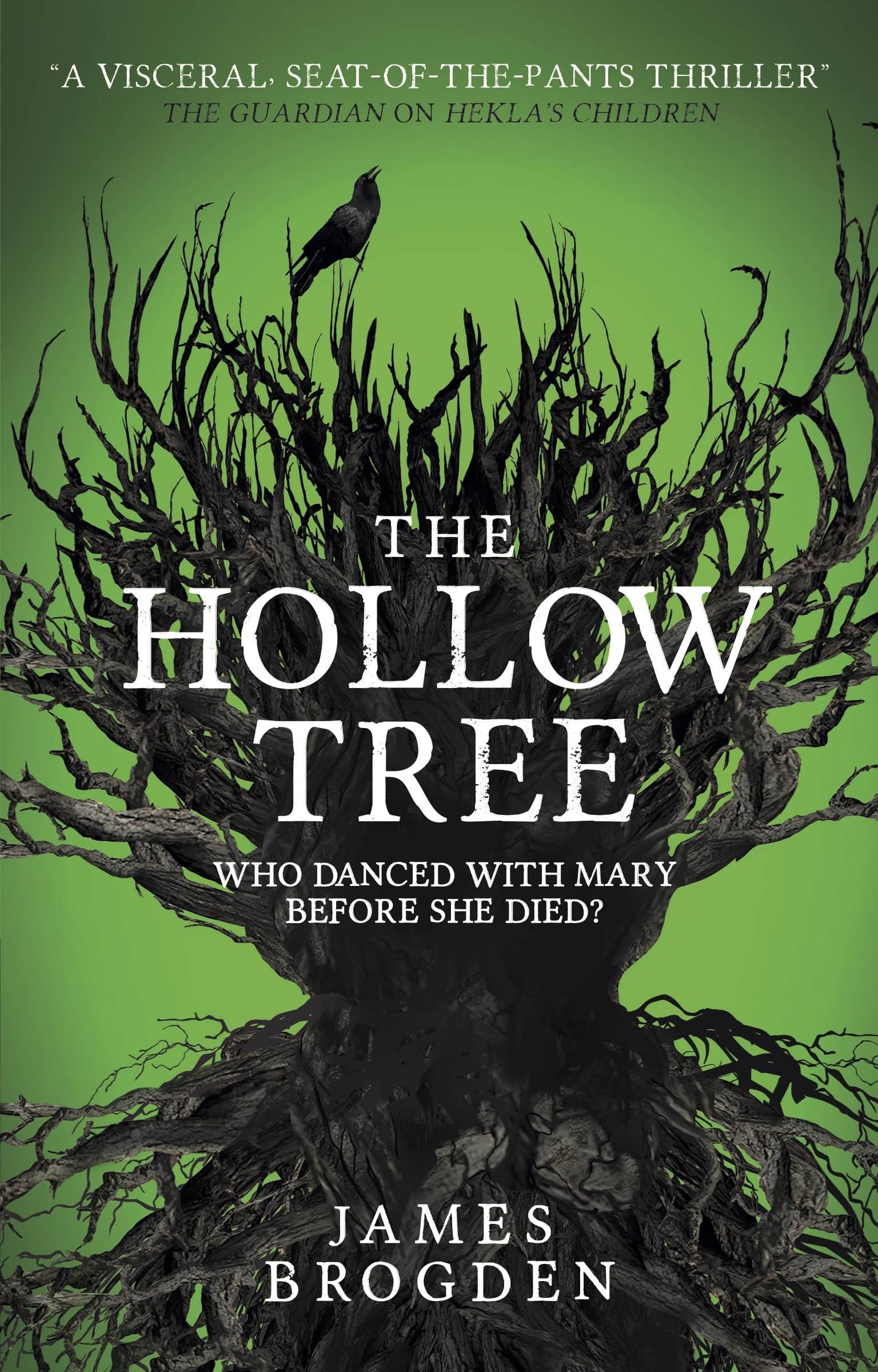
The Hollow Tree-smallJames Brogden’s Hekla’s Children was one of the breakout horror novels of 2017. Tim Lebbon called it “Brilliant… full of great twists, beautifully drawn characters, exceptional writing, and some really startling ideas,” and Steven Savile said “There’s some dark, sinister magic going on in these pages. Brogdan’s… one of the most compelling new voices out there.” Here’s Mark Morris:

Hekla’s Children marks the emergence on to a vibrant horror scene of an exciting new talent. James Brogden offers us a compulsive and unpredictable page-turner in which the ancient and modern world clash with devastating effect. Engaging characters, mind-bending concepts and enthralling set pieces propel the reader through a story in which the stakes are high and nothing can be taken for granted. Terrific stuff!

His new novel The Hollow Tree is something very different, the tale of a woman pulled into our world from…. somewhere else.

After her hand is amputated following a tragic accident, Rachel Cooper suffers vivid nightmares of a woman imprisoned in the trunk of a hollow tree, screaming for help. When she begins to experience phantom sensations of leaves and earth with her missing limb, Rachel is terrified she is going mad… but then another hand takes hers, and the trapped woman is pulled into our world.

This woman has no idea who she is, but Rachel can’t help but think of the mystery of Oak Mary, a female corpse found in a hollow tree, and who was never identified. Three urban legends have grown up around the case; was Mary a Nazi spy, a prostitute or a gypsy witch? Rachel is desperate to learn the truth, but darker forces are at work. For a rule has been broken, and Mary is in a world where she doesn’t belong…

The Hollow Tree was published by Titan Books on March 13, 2018. It is 483 pages, priced at $14.95 in trade paperback and $8.99 for the digital edition. Read an excerpt at Dread Central.