Convention Report: Ad Astra 2012
 Last weekend I went to Toronto to attend the Ad Astra science fiction and fantasy convention. It was the third convention I’ve been to in my life. I learned a fair bit.
To start with, I learned a bit about the thriving Toronto sf scene. Toronto’s a huge city, both geographically and in terms of population; over six million people live in the Greater Toronto Area, and over eight and a half in the ‘golden horseshoe’ region around the western shore of Lake Ontario. That’s the population base the sf community there draws from. There are writers of all levels of experience in and around the city, and a friend of mine told me there are at least three critique groups of published writers. Publishers are based in the city, notably ChiZine Publications. And, in tough days for retail booksellers, there’s still a dedicated sf bookstore, Bakka Phoenix. As well as three separate annual conventions, that I know of.
Ad Astra was first held in 1980, and focusses on written fantastika. Guests of honour this year were author Harry Turtledove, writer/actress Lesley Livingston, artist Joe Jusko, editor Shelly Shapiro, and fan organizer/scholar Peter Halasz. The 2012 convention was technically north of the city of Toronto proper, in the neighbouring municipality of Markham.
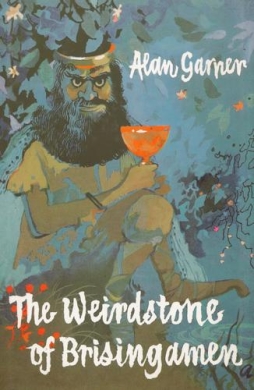 In mid-March the news emerged that writer Alan Garner was returning to the storylines of his first two books, The Weirdstone of Brisingamen and The Moon of Gomrath. His next novel, Boneland, to be published this August, will complete the trilogy he’d always envisioned. Garner
 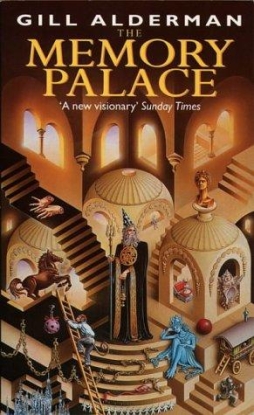 Sometimes, you need to grow as a reader to be able to appreciate a certain book. In 1996, I bought a paperback fantasy novel called The Memory Palace, by Gill Alderman. It was a whim, I suppose; maybe something about the cover appealed to me, or more likely something in the synopsis on the back, promising a story about a fantasy writer who gets lost in his fictions and confronts an archmage of his own making. Whatever the reason, I started in on it, swiftly lost interest, set it aside, and only came back to it sixteen years later.
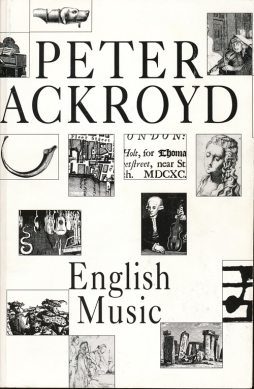 Literary traditions are useful things. They’re constructions of literary critics, sure, but useful constructions. A well-articulated tradition can show how different writers deal with the same idea or theme, demonstrating different approaches to a given problem or artistic ideal. It can show affinities between writers, sometimes bringing out resemblences between different figures in such a way as to cast new light on everyone involved. At the grandest level, the whole history of writing in a given language or from a given nation can be seen to be part of a tradition, showing the evolution of a language or the concerns of a people.
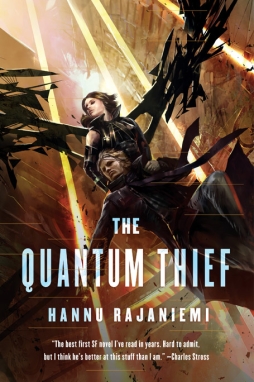 The Quantum Thief
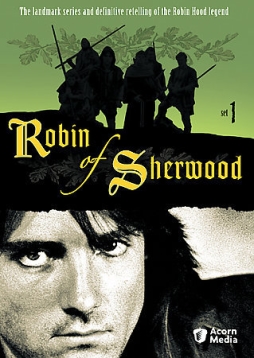 I read some bad news earlier this week: Richard Carpenter died. Carpenter, 78 at the time of his death on February 26, was an actor and television writer. He created several shows; he’s probably best known for his children’s series Catweazle, the animated Dr. Snuggles, and the show that I want to talk about here, the ITV-broadcast series Robin of Sherwood. It’s easily my favourite interpretation of the Robin Hood story, and perhaps my favourite filmed piece of sword-and-sorcery.
 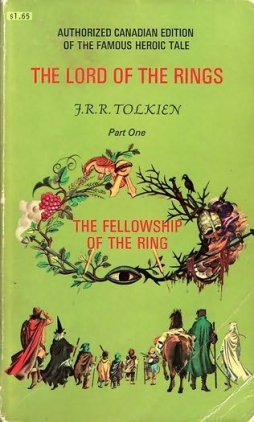 What follows may well be total coincidence.
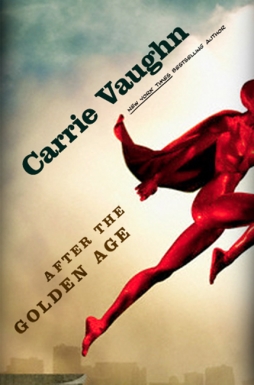 After the Golden Age
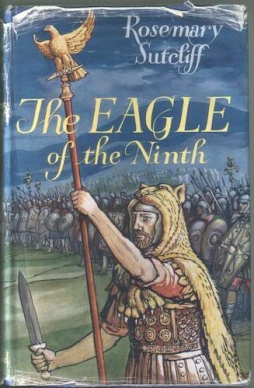 What I know about Rosemary Sutcliff:
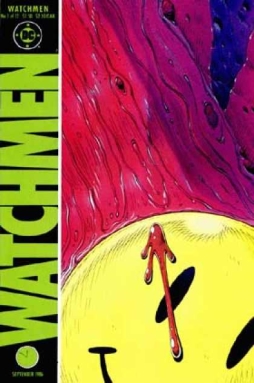 Last Wednesday, DC Comics announced a new publishing venture: “Before Watchmen,” a set of related miniseries that would act as a prologue to the best-selling and critically acclaimed Watchmen graphic novel. The news was met with a considerably mixed reaction. Alan Moore, writer and primary creator of Watchmen, has spoken out against the project. Personally, I’m not going to buy any of DC’s new series, and I want to explain why.