Modular: Castles & Crusades 7th Printing
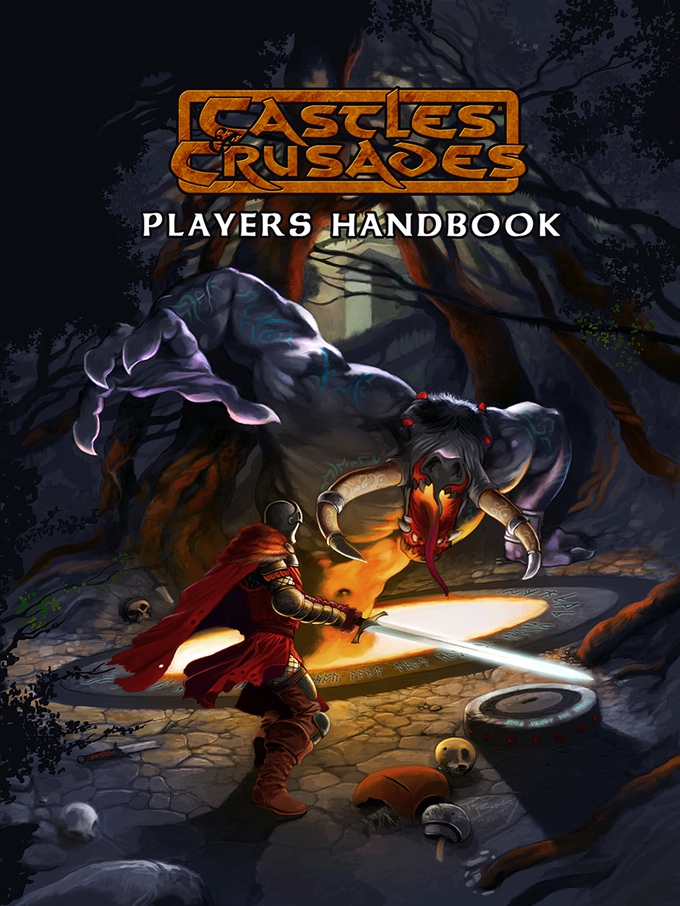 Troll Lord Games has just hit its funding goal for the 7th edition of Castles & Crusades Player’s Handbook, to be released in June of 2017. What’s Castles & Crusades and why should you want it when you have so many other fantasy games to choose from? Take it away, Troll Lords:
You’ll find with C&C that the game is easy to play, but more importantly is its versatility. You can take your house rules and drop them right on top of the C&C mechanic (the Siege Engine) and keep on playing. You are in control. Take the advantage/disadvantage system from 5E and use it with C&C. There’s nothing stopping you.
What’s even better, because the whole game is driven by attribute checks that have only loose guidelines, the game master chooses what attribute check the player rolls. If they want the wizard to swim better, make the character roll an intelligence check to swim the river. It’s your game. Take it.
How does the Siege Engine Work?
- You are already familiar with Castles & Crusades.
- You’ll find the same classes, races, attributes and many of the same monsters as in most other games.
- To succeed at any action, you need to make an attribute check (unless the CK deems it doesn’t need one)
- There are two types of attributes: Primary & Secondary
- Primary attributes have a base chance to succeed of 12 on a d20. Secondary have a base chance to succeed of 18. The CK adds a challenge level based on hit dice and other circumstance. The character adds their attribute bonus and level to their roll.
- You are playing C&C.
It’s fast, versatile and open. Allowing you to make it as complex or as simple as you desire.
I happen to agree with the advertising copy; Castles & Crusades is one of my very favorite role-playing systems because everything discussed above is quite true.


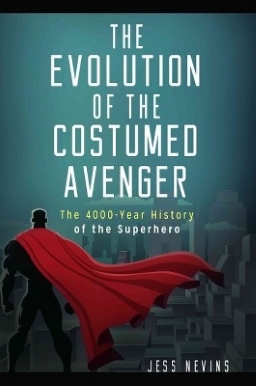 Though he’s written short stories and three self-published novels, Jess Nevins is likely best known as an excavator of fantastic fictions past: an archaeologist digging through the strata of the prose of bygone years, unearthing now pieces of story and now blackened ashes of some once-thriving genre long since consumed and built over by its lineal successor. Across annotated guides (three to Alan Moore and Kevin O’Neill’s League of Extraordinary Gentlemen, one to Bill Willingham and Mark Buckingham’s Fables) and self-published encyclopedias (of Pulps and of Golden Age Superheroes with Pulp Heroes soon to come, as well as 2005’s Monkeybrain-published Encyclopedia of Fantastic Victoriana) Nevins has reassembled old pieces of fantastika, indicating direct influences on modern writing and establishing directories of almost-forgotten story. He’s one of the people broadening the history of genre, in his books, and in articles such as