With summer waning, I wanted to take a moment to provide thumbnail reviews of things many of you should find of interest.
DVD
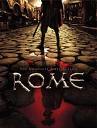 Rome – Pretty much a must-see for any fan of sword-and-sorcery or historical fiction. As far as I’m concerned, the two genres are closely related, and I’m sure a fan of either will be a fan of this.Not for the faint-of-heart due to sex and violence… but extremely well written and acted. The story arcs get more and more compelling the deeper into the series you watch. I haven’t been this caught up in a TV series since a friend loaned me the Firefly boxed set.
BOOKS
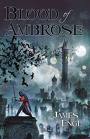 Blood of Ambrose – It should come as no small wonder that I enjoyed James Enge’s first Morlock novel. I’ve been a fan of his work since his first appearance in Black Gate. Good stuff, brimming with brilliant world building, witty characters, and swordplay and foul sorcery.
Bill Ward and I are planning an in-depth look at some of the fine work coming out from the Warhammer game publisher, and I wanted to provide a sneak peek of the goodness we found within.
 Blackhearts Ominbus – I’m halfway through Nathan Long’s collection and have loved every minute of it. A dirty dozen type series in a fantasy land, with flawed but likable characters, fabulous pacing, and great action sequences. I have the suspicion that the rest of it will hold up just as well.
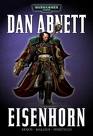 Eisenhorn Omnibus– Dan Abnett wasn’t satisfied with creating a fabulous lead character in an action-packed space opera; he sent him to fantastic places and provides a series of detective/investigative stories full of logical turns, surprises, and plenty of action.
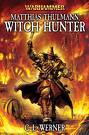 Witch Hunter Omnibus – I finally got to read C. L. Werner’s first two Mathias Thulman books, full of Gothic menace and brooding castles. I would never have guessed that I would be rooting for a witch hunter, but Werner pulls it off, and delivers plenty of surprises along the way.
GAMING
 Mongoose Games has a license for Traveller, and the core book and first supplements (High Guard and Traders and Gunboats) have been well-handled. I look forward to seeing what more they have planned.
 Cortex System Role Playing Game, from Margaret Weis games, is the engine behind their Firefly game. It’s a slim, elegant-looking system, and will be reviewed in-depth in the next issue of Black Gate.
 Goodman Games has a new magazine, Level Up, that seems at least partly inspired by the original Dragon. Adventures and articles on game play and character interaction are included within. We’ll be reviewing in-depth next issue, but my initial impression is one of delight.
Howard Andrew Jones
 I tend to go through my “to be read pile” looking for themes as an approach to wend my way through and choose what I want
 to attack next. These two are about the realities of war and the casualties of those who manage to survive. The first, Denis Johnson’s Tree of Smoke is a novel about the Vietnam war fiasco; the other is non-fiction, The Forever War (also the title of Joe Haldeman’s classic satire of hard SF and the Vietnam war, whether by coincidence or intention I don’t know), a memoir by Dexter Filkins of his experiences as a reporter in Afghanistan and Iraq. Harrowing, unsettling stuff and highly recommended as a dose of “reality” (even when, as in the case of Johnson’s novel, it is presented through a fictional lens) from fantasy swashbuckling.
 What’s the point of toiling long hours in relative obscurity for Black Gate, if we don’t pimp your new books?
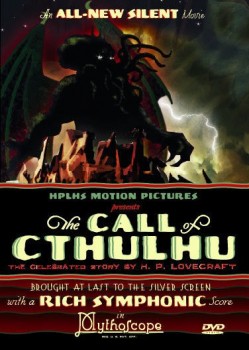 Directed by Andrew Leman; starring Matt Foyer, Chad Fifer, Noah Wagner, Ramon Allen Jr., and Ralph Lucas.
 Eric Knight scooped me by breaking the news below, but I thought this was worth making a little noise about.
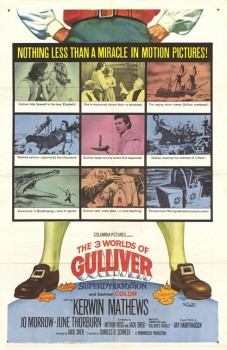 The 3 Worlds of Gulliver (1960)
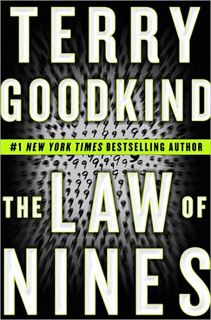 Regarding two earlier posts: