Writing: Serial Characters and the Book Deal
A growing number of Black Gate authors have moved on to book deals, and some were published novelists before they appeared in the magazine.
Two of us, James Enge and myself, landed book deals featuring recurring characters that had appeared in Black Gate short stories.
They were the Dabir & Asim stories for me (“Whispers from the Stone” and “Sight of Vengeance“) and the Morlock tales for James (six appearances in BG so far, starting with “Turn Up This Crooked Way” and “Payment Deferred,” and most recently the novella “Destroyer” in Black Gate 14).
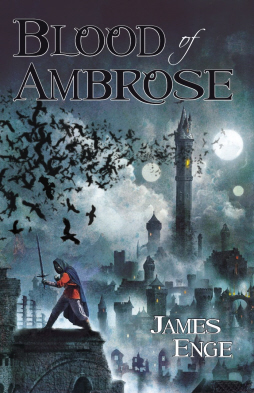
Back before James got nominated for the World Fantasy Award in the Best Novel category (for his first novel, no less! — that’s Blood of Ambrose, if you don’t have a copy yet) the two of us got talking one day about the connections between magazine sales and book deals.
We decided to turn the thing into a public back-and-forth discussion about writing serial fantasy characters, starting with a look at the idea that short story successes lead naturally to selling books.
I’ve captured and condensed that conversation here for your enjoyment.

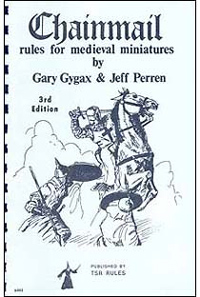 I’m an old TSR module fan, and as such I’ve always been intrigued by how the concept of such media came into existence. For the most part they fall in series, kind of like writers follow Tolkien with the concept of connected books and characters in a trilogy. It makes perfect sense, especially if you’re trying to create an extended campaign with a gaming group that meets on a regular basis. Series modules facilitate that, and recently I had the opportunity to chat with one of the original designers of a TSR foundation adventure path, the L Series ‘Lendore Isles.’
 In one of my first posts here, I mentioned that I was hoping to figure out what it is, exactly, that I like about fantasy fiction; what it is I get from fantasy that I get nowhere else.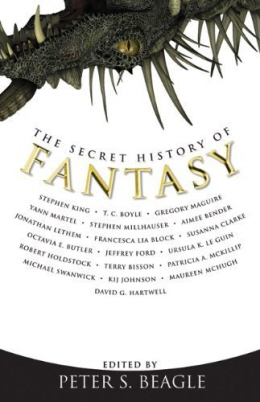
 Hallo again, Ye Faithful Paladins of the Black Gate!
![[info]](http://l-stat.livejournal.com/img/userinfo.gif)


 If you don’t understand the headline, you’re probably too young to remember Max Headroom, originally a British television movie that became a short-lived series for American broadcast (1987-1988) featuring a computer generated talking head–that would be Max–who later became a music video host, a “spokesperson” for New Coke (and if you don’t know what New Coke was, you’re really too young to care about this), and later brought out of retirement in the United Kingdom to explain the switch from analog to digital TV (this, you might remember). Though, today, any 12 year old with a cheap laptop could probably program a character like Max, back in the 1980s this was beyond the technical reach and budget constraints of broadcast television; Max was played by Canadian actor Matt Frewer outfitted in a latex get-up to make him appear pixalated.