Art of the Genre: Art of the Iconic Female #3: Wonder Woman
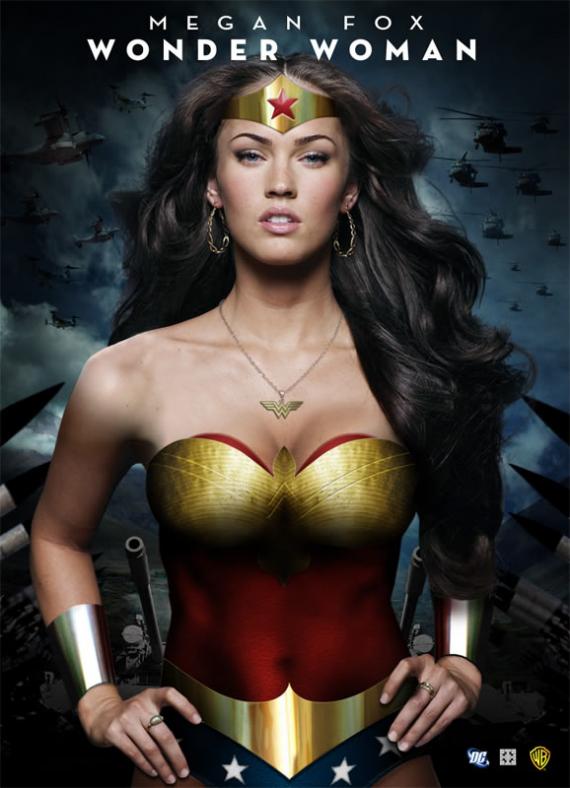 I have no memory of the first time I saw Wonder Woman, although I’d assume it wasn’t the comic but the live action 70s TV version with Linda Carter. Recollections of those shows were certainly something that stuck with me as they sparked something in my prepubescent state that would certainly lead to a grander appreciation of the female form as I grew up. Remember, this was circa 1975-1979, so I was only a max of 8 years old when watching them and yet the name Linda Carter still quickens my heart rate to this day. Something about that just isn’t right… or I guess in the case of DC Comics bottom line is exactly right.
Perhaps that reaction today isn’t such a good thing, as my wife is wont to remind me, but the ability of the American propaganda and marketing machine was certainly gearing up to a fevered pitch in that glamorous disco-tropic decade concerning how women should look and what they should wear.
Wonder Woman, for all her powerful beginnings, finds herself cast in the role of sex object just as 95% of all other super heroines, and that is a tragedy.
Silly side note here, my mother has always watched The Young and the Restless, and therefore I’ve always watched The Young and the Restless. It humors me greatly that the twenty odd characters in the show must always get together, break up, and then get together with someone else again and again and again. After several decades, relationship trees become so convoluted that I get great joy at having a running dialogue as I watch the show detailing just how inherently creepy each new relationship has become when I get to count how many people in each scene have slept together. In essence, comic books are the same beast, and with only a very limited number of super heroines to go around, I’ve always been intrigued by covers depicting them in the arms of an iconic super hero, my favorite being those with Wonder Woman and Superman thusly portrayed. I mean seriously, if you put in the words ‘Wonder Woman Kissing’ into Google, the first four default options are Nightwing, Superman, Batman, and Jean Grey [wowza!].
 Who would think at the start of the summer that Brave was concealing more of its plot and themes than
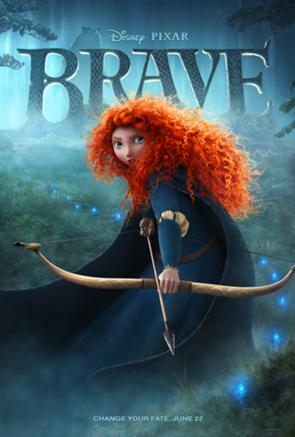 The Disney/Pixar partnership has always been willing to take some risks. Let’s face it, these are the people who turned a lost fish, talking cars, and Ed Asner in a floating house into deeply rich character-driven stories about the human condition. It’s really a wonder if there’s anything they can’t do well!
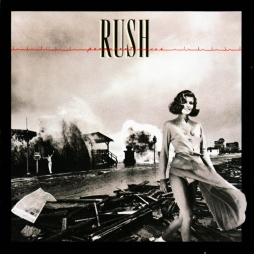 This is the second part of a look at Rush, whose new steampunk epic Clockwork Angels came out earlier this month. I think it’s a wonderful album, but to explain why it seemed to me worth looking at their earlier work — I looked at what they’ve accomplished as a band, and what drummer and lyricist Neil Peart has become as a writer. Last time, I looked at their records up through 1978’s Hemispheres; I therefore begin here in 1980, with the next album, Permanent Waves. (You can find that first post
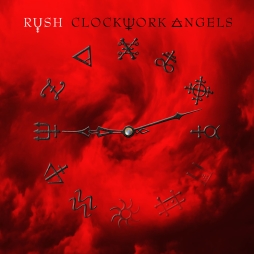 On June 12 the new album by veteran Canadian power-prog-rock trio Rush was released. I went out in pouring rain to buy a copy because I had to have it that day. In reading what follows (the first of three posts, with part two
 A Prince of Mars