Black Gate Online Fiction: “Devotion” by Robert Rhodes
 A resourceful swordsman find himself very far from home indeed, caught up in a sorcerous trap with a surprising twist.
Piran’s blood ran cold, and his vision dimmed. But the numbness passed like a chilling wave, and he cut down through the witch’s cloak. She screamed and crumpled to the ground.
On the bloodstained leaves of the forest, she seemed pitiful. A sunken cheek bore a sinuous brand, marking her not as a spy but as the slave — escaped? — of a lich-lord in the cruel South. Something glistened beside her gnarled fingers — an arc of silvery liquid spilling from a milkglass phial.
Piran closed his eyes and gave thanks. He’d struck before she finished her devilry. But only just, for his muscles ached with a strange weariness.
“She’s dead,” he said over his shoulder to Amara and Ferris. He grinned and reached for the phial.
Until he realized he was alone.
Robert Rhodes has appeared in Heroic Fantasy Quarterly and other markets. He was the author of the “20 Heroes in 2010” series at FantasyLiterature.com, and his essay “Servants of the Secret Fire: Why Fantasy & Science Fiction Matter” won second-place in Pyr’s fifth anniversary contest. Most recently, his story “The Dead Travel Silently” won first-place in the forthcoming Stealth: Challenge anthology from Rogue Blades Entertainment. He is an attorney who lives in Spartanburg, South Carolina, and prosecutes child and elder abuse cases.
The complete catalog of Black Gate Online Fiction, including stories by Jason E. Thummel, Ryan Harvey, Steven H Silver, Nina Kiriki Hoffman, Emily Mah, C.S.E. Cooney, Howard Andrew Jones, Harry Connolly, and many others, is here.
“Devotion” is a complete 5,000-word tale of adventure fantasy offered at no cost.

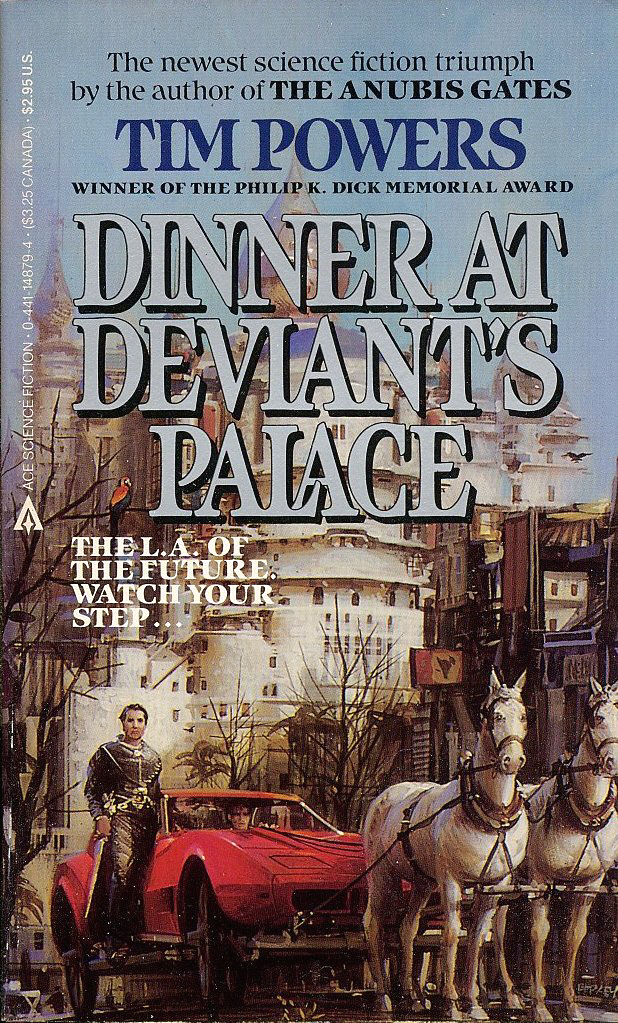
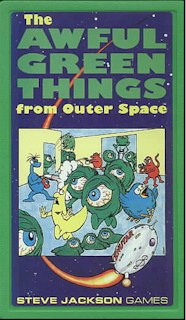
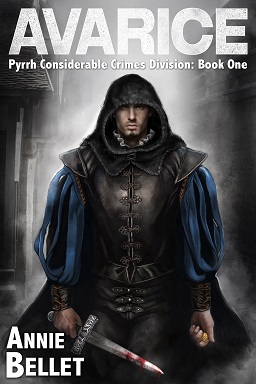

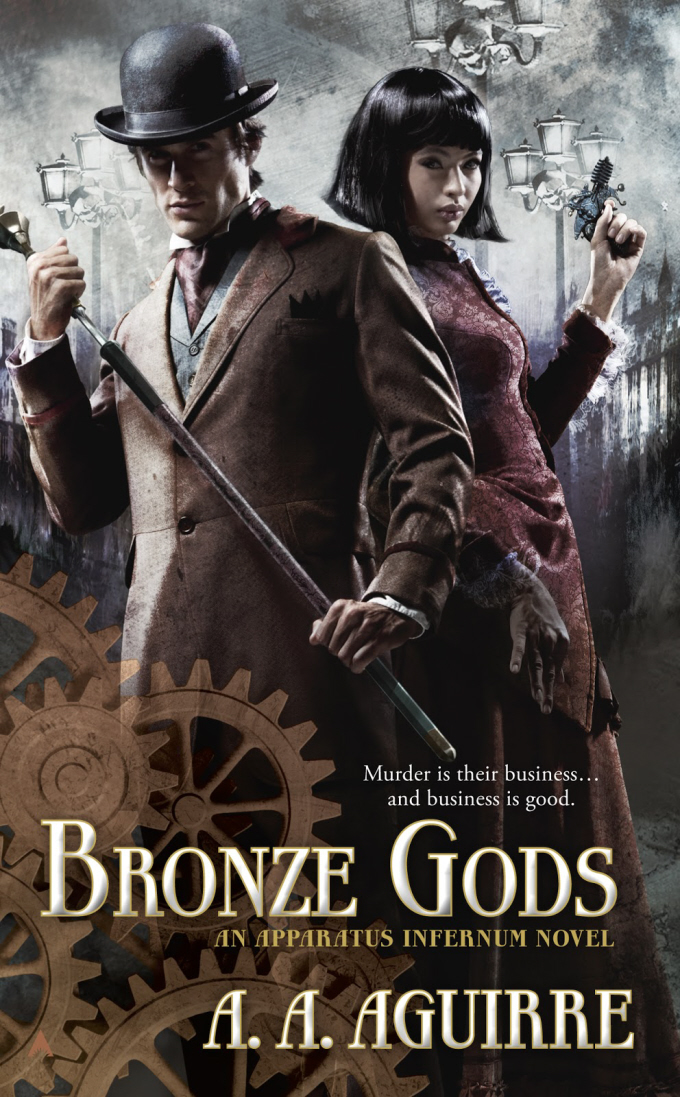

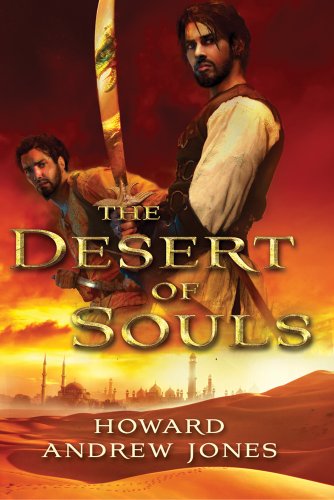 Howard Andrew Jones’s “Two Sought Adventure” details the problems and potentials in stories that have more than one hero. A story with multiple heroes is very different from a one-hero story with a sidekick, love interest, foil, nemesis, or whatever. There are plenty of straightforward techniques for using secondary characters to reveal a single protagonist’s character. Using two (or more) heroes to do this for one another in a way that feels balanced and gratifying for the reader is a tougher trick. Dialogue is crucial, and Jones offers close readings of dialogue from his own work and others’ that illustrate ways to welcome the reader into the shorthand, in-jokes, and shifting tones in conversations between longtime friends. He also addresses a problem I’ve seen in too much professionally published fiction: the duo that bickers like an old married couple, to the point where you wish they would split up, go away, or get eaten by the monster already. Friends have conflict, and friends engaged in epic heroics may have epic conflicts, but bickering is only entertaining in small doses, and it’s rarely illuminating. Jones offers a variety of specific alternative ways to handle conflict between heroes, and to interweave it with a story’s other conflicts.