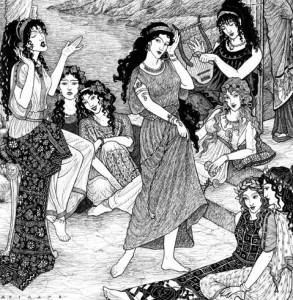
Invocation of The Muses
One of Steven Pressfield’s main topics of focus in The War of Art is the fight against what he calls Resistance — the unrelenting struggle a writer faces to NOT write. Every day a writer has to push forward and make the writing happen. You just can’t wait for inspiration, at least not if you’re going to write professionally.
I’ve found that The War of Art is one of the most useful writing books I’ve ever read because of its description of and advice about waging the battle against Resistance (note the capital R — you must respect the enemy). To help me do battle, one of my tactics is to recognize that when you sit down to write, you’re entering a different kind of mental state. I tell writing students that just as a professional athlete would not simply arrive at the track field and start sprinting, a writer will be poorly served to jump into the seat and immediately start typing.
It’s my thought that you have to acknowledge that change, that transition from one mental state (where you’re worrying about groceries and laundry or that news article) to another where the story is all, in order to do good work.
On the first page of The War of Art, Pressfield describes what he does each day to prepare to write so that he can be in the proper frame. Amongst several other personal rituals, Pressfield says a prayer. His is the Invocation of the Muse from Homer’s Odyssey, translated by T.E. Lawrence (that’s Lawrence of Arabia, incidentally).
I’ve never been much of a praying man myself, but I liked the sound of this, so I looked up the prayer, which I had read as a school boy and probably blipped over.
 Kids under age six are not lying to you, not exactly. When they want something to be true, they genuinely cannot tell that it isn’t. When they fear something might be true, no amount of reassurance is enough, because
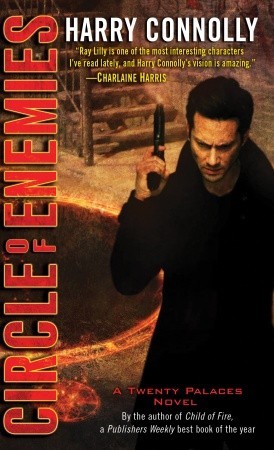
 I confess: I’m horror-illiterate. Being horrified on my way to some other reading experience is often worthwhile, but reading just to poke my
  No wonder the writer I was back in college never finished anything big. She lacked the patience for the kind of slog I’m slogging through now. She knew some nice tricks — could turn out a kickass sonnet in two hours by writing backwards, last line to first — but if she had ever managed to produce a complete book-length draft, she would have wandered off to a next never-to-be-finished project once the revision got tough. She would not have been game for as many rounds of tightening, fact-checking, and continuity repairs as I have had to do for the novella collection I’m sending off to its small press publisher next week.
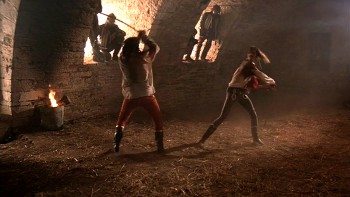 One of the oddest, most esoteric regrets in my life is that I long ago gave away my collection of the now defunct American Film magazine. Most of these, purchased primarily from sidewalk vendors in Manhattan, I do not care to recover; but I would give a great deal to have again the October issue from 1986. It contains a dialogue with film producer David Puttnam, and one small paragraph in that interview taught me more about collaboration than any other single event I know.