Fantasia 2016, Day 19: Critiques of Cartesian Dualism, Plus an Elk (Embers, L’Élan, We Are the Flesh)
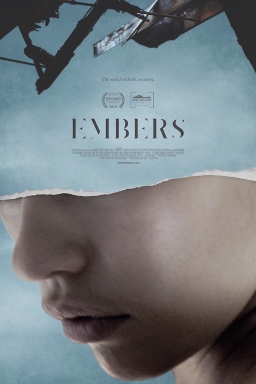 By Monday, August 1, the end of the 2016 Fantasia Film Festival was in sight. Two more days, and it’d be over for another year. Bearing that in mind I was determined to pass by the Festival’s screening room and catch up with some films I’d missed earlier in the festival. First, though, I was headed to the De Séve Theatre for a showing of the American-Polish science-fiction movie Embers, about a world struck by a plague of forgetting. After that I’d go to the screening room, where I’d watch the French absurdist comedy L’Élan and the Mexican horror-fantasy We Are the Flesh (Tenemos la carne).
A short film called “Event Horizon” played before Embers. Directed and written by Josépha Celestin, it’s a sweet but slow film about a young girl (Kate McLaughlin) in 1997 with a desire to explore, and a black hole that appears not far from her home in a Scottish village. Other youths aren’t as idealistic as she is, providing some tension to the piece. It’s an understated story, for good or ill, with striking cinematography. It’s remarkable for doing something character-based with a distinctly science-fictional premise.
Embers is the first feature film from director Claire Carré, with a script by Carré and Charles Spano. It gives us a future in which the world’s afflicted by a mysterious global plague robbing its victims of their short-term memories. The plague struck ten years before the film begins, and seems to have infected virtually everyone. Embers follows several different plot strands — some of which overlap and some of which do not — in the decayed world that has resulted. Time having passed since I saw Embers at Fantasia, I will note that it’s now on Netflix in Canada and the US; and I will say at once that anyone looking for a cerebral yet character-centred science-fiction film should see this movie. Well-crafted and elliptical, it avoids presenting easy answers or obvious genre structural strategies while being science-fiction in the most profound sense, using a nominally technologically-based shift in the world to raise questions about identity and human nature.
 Lately I’ve been looking at adaptations, both novel-to-movie, and novel or movie to TV series. I been talking about them in terms of what I thought was successfully done, and occasionally pointed at my favourites. In their comments people observed that while they agreed, for the most part, with my suggestions, they had suggestions of their own. All of us had to admit, however, that we were sometimes unfamiliar with either the source work, or the adaptation, or even both.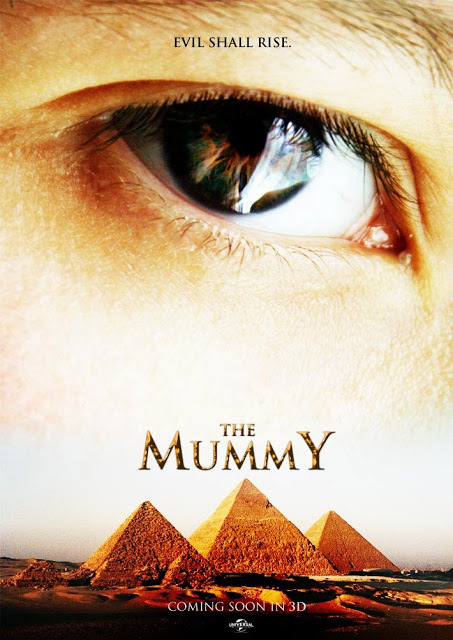
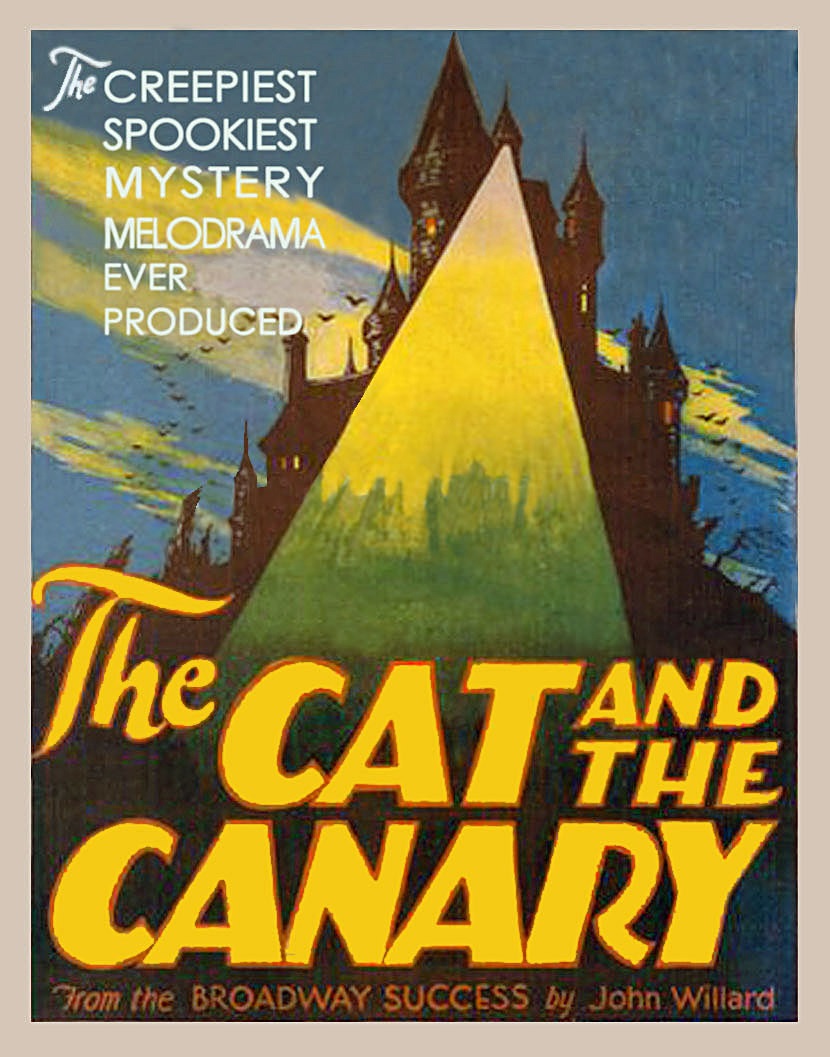
 Not long ago I posted about my top ten novel-to-movie adaptations, (see
 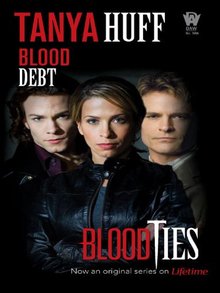 As Goldman says about adapting novels for film, the TV series should retain the intention of the original material, but perhaps the issue of length isn’t as problematic. On the contrary, the more of the original source’s complexity that can be kept, the better, as TV adaptations can explore avenues and characters in ways a movie can’t. On the other hand, series requirements sometimes lead to unexpected changes to the source material.
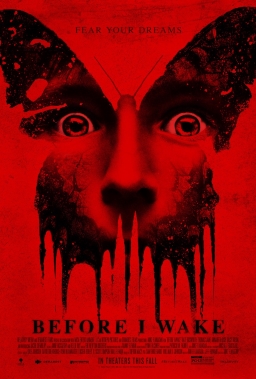 As the evening of Sunday, July 31, began I was looking forward to two films I planned to see at the Hall Theatre. The directors of both movies had interesting track records. Before I Wake, following the strange events surrounding an orphan boy whose dreams cross over into reality, was a new film from Oculus director Mike Flanagan. After that would come The Top Secret: Murder in Mind (Himitsu the Top Secret), a science-fiction murder mystery from Keishi Otomo, maker of the