Browsed by
Category: Books

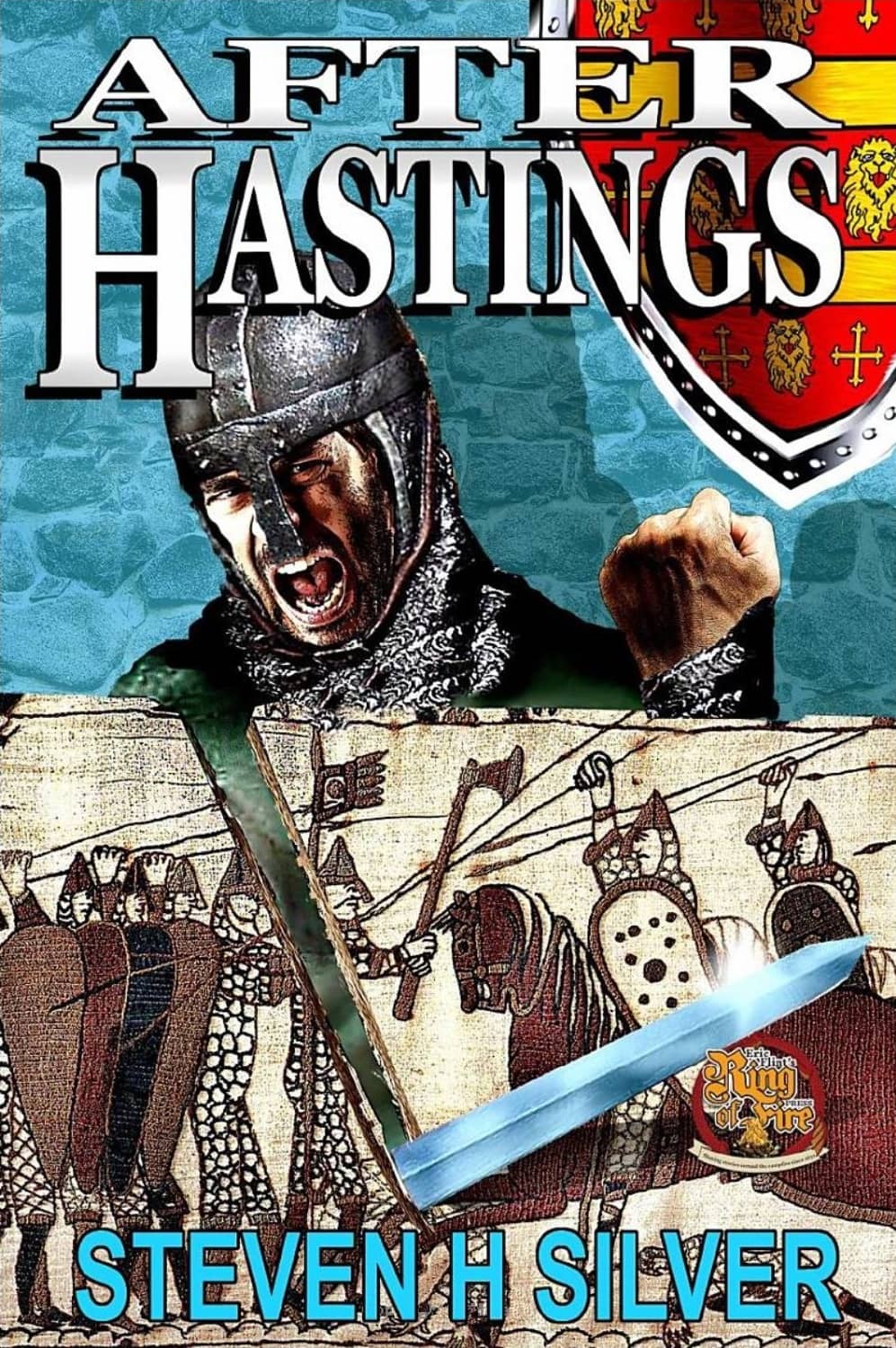
What if King Harold had Prevented the Norman Conquest: After Hastings by Steven H Silver
What if King Harold had Prevented the Norman Conquest: After Hastings by Steven H Silver

After Hastings-small After Hastings-back-small

Cover designed by Laura Givens

Steven H Silver is one of Black Gate‘s most prolific contributors. He produced many reviews for the print magazines, sold me the terrific short story “The Cremator’s Tale” back in 2013, and has written an astonishing 471 articles for the blog.

Steven’s many accomplishments don’t end with Black Gate, however. He’s an acclaimed editor, co-editing three DAW anthologies with Martin H. Greenberg (Wondrous Beginnings, Magical Beginnings, and Horrible Beginnings), and the two volume Selected Stories of Lester del Rey for NESFA Press. His most recent anthology is Alternate Peace (June 2019), co-edited with Joshua Palmatier. From 2004-2012 he was the publisher and editor of ISFiC Press, and his annual fanzine Argentus has been nominated for the Hugo Award multiple times. In fact Steven has received 17 Hugo nominations over the years.

Last week Steven’s writing career entered an exciting new phase with the publication of his long-awaited debut novel After Hastings, a masterfully constructed alternate history from one of the field’s true experts. I asked Steven to say a few words about it for BG readers, and this is what he shared:

After Hastings is an exploration of a world in which King Harold of England successfully beats back the Norman Conquest but finds himself facing other enemies, both domestic and foreign, leading him to jump start the reformation four hundred years early.

After Hastings was published by Ring of Fire Press on July 10, 2020. It is 347 pages, priced at $15.99 in paperback and $5.99 in digital formats. The cover was designed by Laura Givens. Order copies here.

See all our coverage of recent releases by Black Gate staff here.
James Davis Nicoll on Five Science Fiction & Fantasy Works Inspired by Role Playing Games

James Davis Nicoll on Five Science Fiction & Fantasy Works Inspired by Role Playing Games

Son of a Liche-small The Order of the Stick 4 Don't Split the Party-small Spiderlight-smaller

I enjoyed James Davis Nicoll’s recent posts here at Black Gate, Ten Classic Unplayed RPGs, and Ten WTF Moments from Classic RPGs. James and I were both introduced to role playing games in Canada in the late 70s, and he shares both my fascination and enduring sense of wonder with the early games of that era.

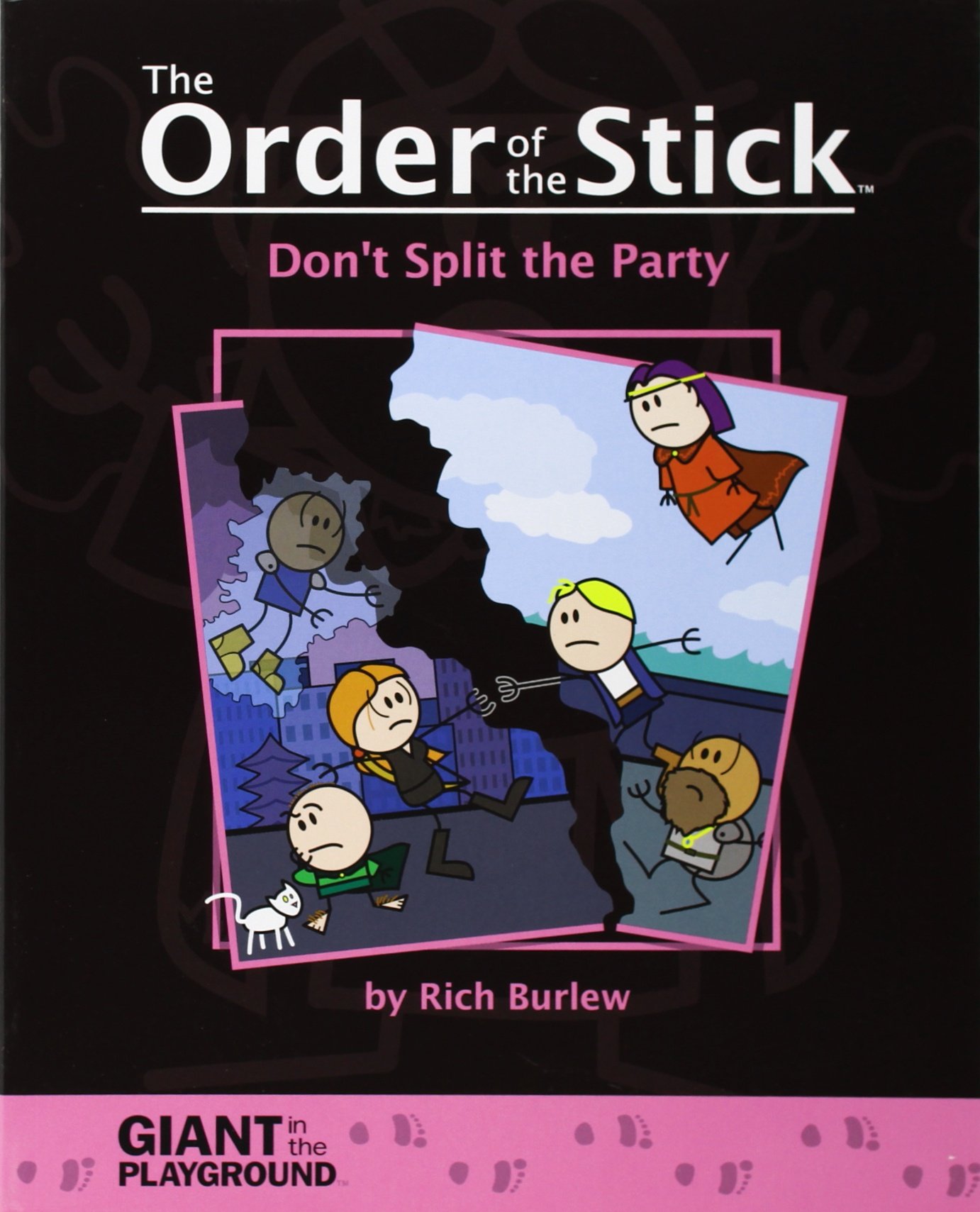
James maintains his own site, jamesdavisnicoll.com, one of the better SF book blogs. (This month he’s reviewed Roger Zelazny’s 1969 minor classic Creatures of Light and Darkness, David Gerrold’s A Matter for Men from 1983, and Silvia Moreno-Garcia’s just released Mexican Gothic, about a perfect blend of old and new in my book.) But what I want to highlight today is his regular column at Tor.com, and in particular his June 10 article “Five SFF Works Inspired by RPGs.” Mostly because it showcases one of the greatest webcomics ever created, Rich Burlew’s brilliant Order of the Stick.

Of course, the standard by which RPG-themed satire is judged is Rich Burlew’s long-running Order of the Stick (2003 to present). What began as a gag-a-strip stick-figure webcomic mocking the quirks of 3rd and 3.5th edition D&D quickly grew into something more. Sane Man fighter Roy Greenhilt has assembled a ragtag gang of eccentric colleagues and set out to defeat the evil lich Xykon. Seventeen years later, the lich is still… uh, “alive” may be the wrong word… active.

What began as a simple plan to find and kill an undead being of unparalleled power and evil has spiralled into an epic tale featuring grand sieges, true love, tragic death, character growth, and increasingly alarming revelations about the likely fate of this world. It’s an impressive work. There are reports that a conclusion looms, so this would be a good time to catch up on the archive. Note that print collections are available.

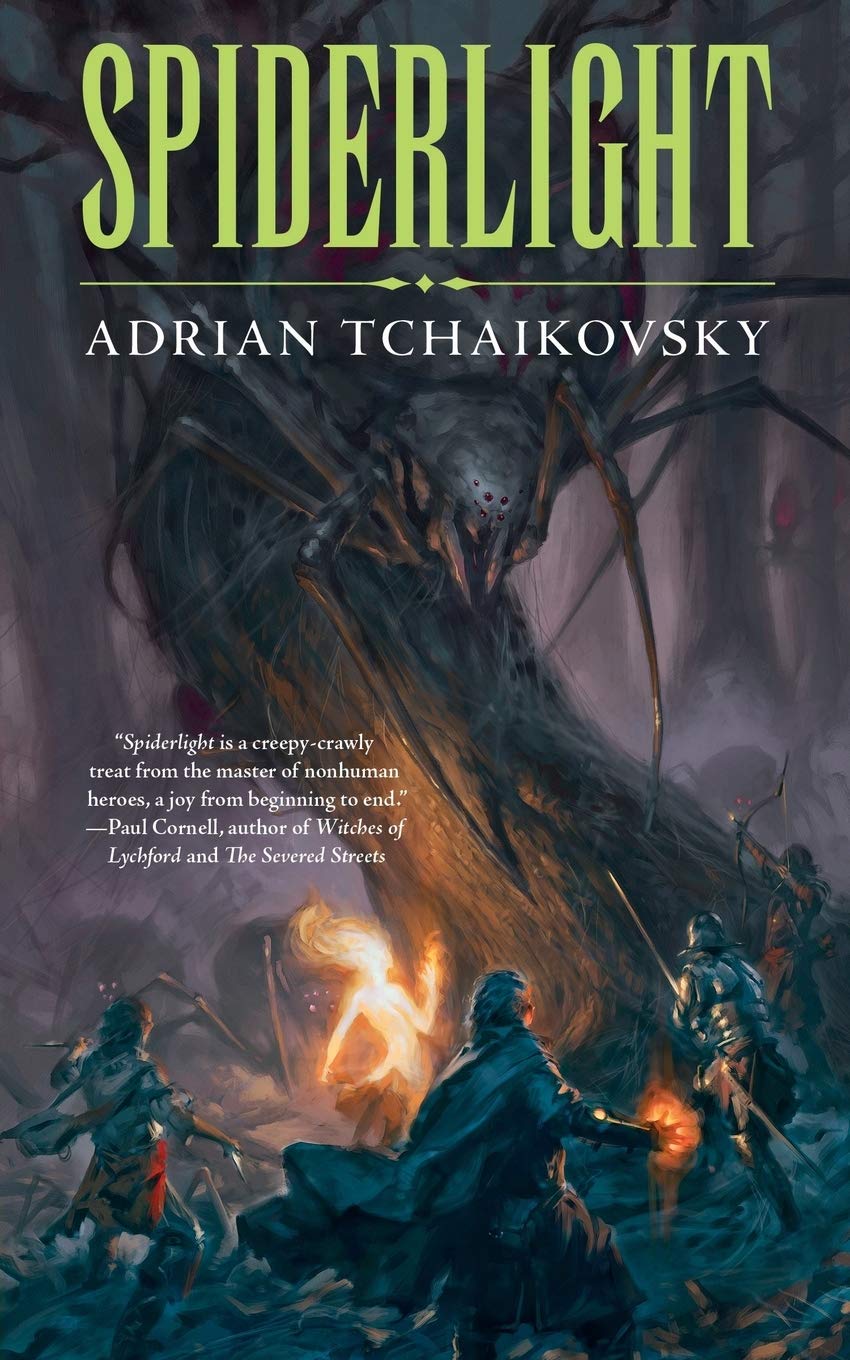
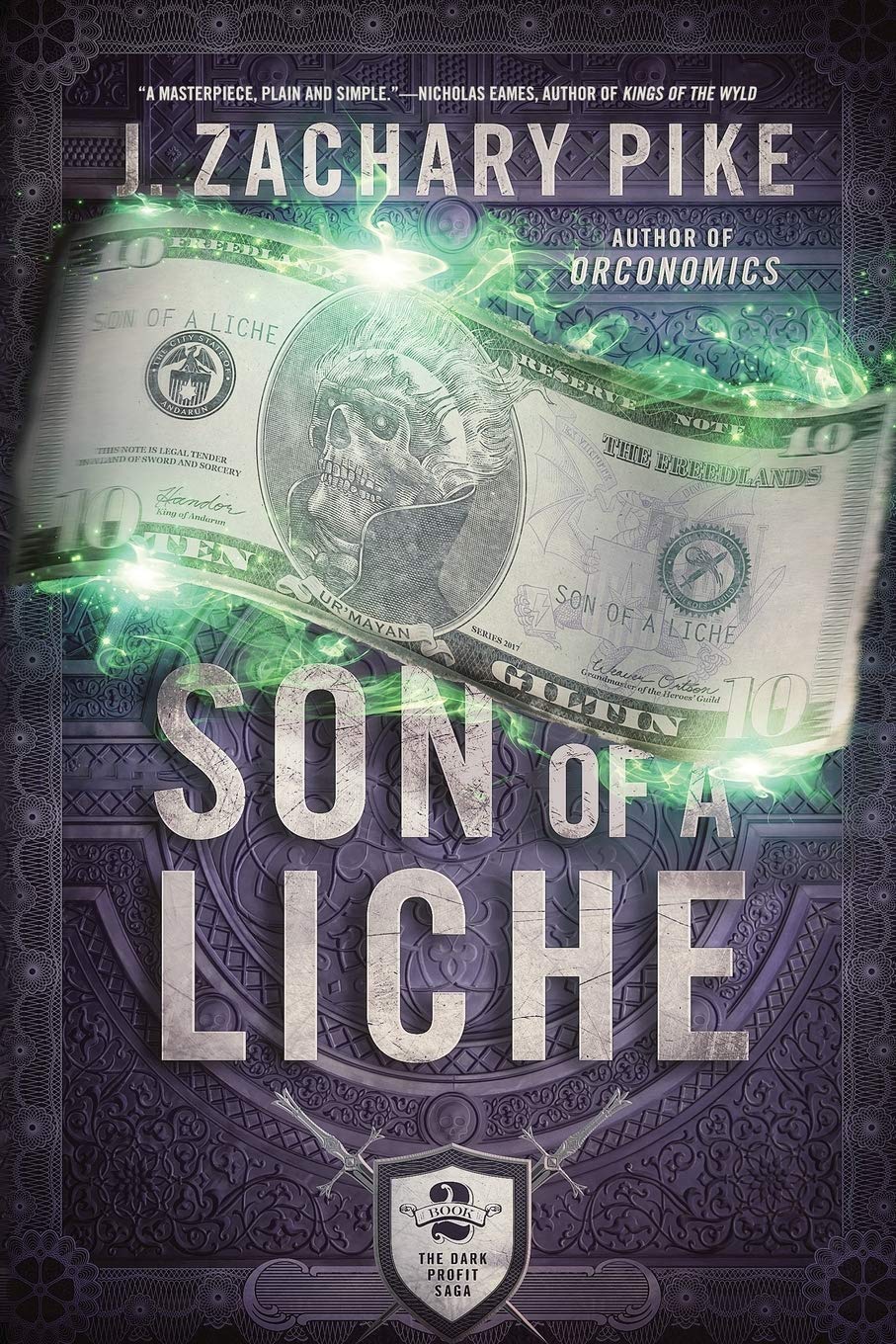
The article also discusses J. Zachary Pike’s Dark Profit Saga, Meg Syverud & Jessica “Yoko” Weaver’s webcomic Daughter of the Lilies, Adrian Tchaikovsky’s 2016 novel Spiderlight, and Phil Kahn and T Campbell’s long-running webcomic Guilded Age. Read the whole thing here.

Vintage Treasures: The Aliens Among Us by James White

Vintage Treasures: The Aliens Among Us by James White

The Aliens Among Us James White-small The Aliens Among Us James White-back-small

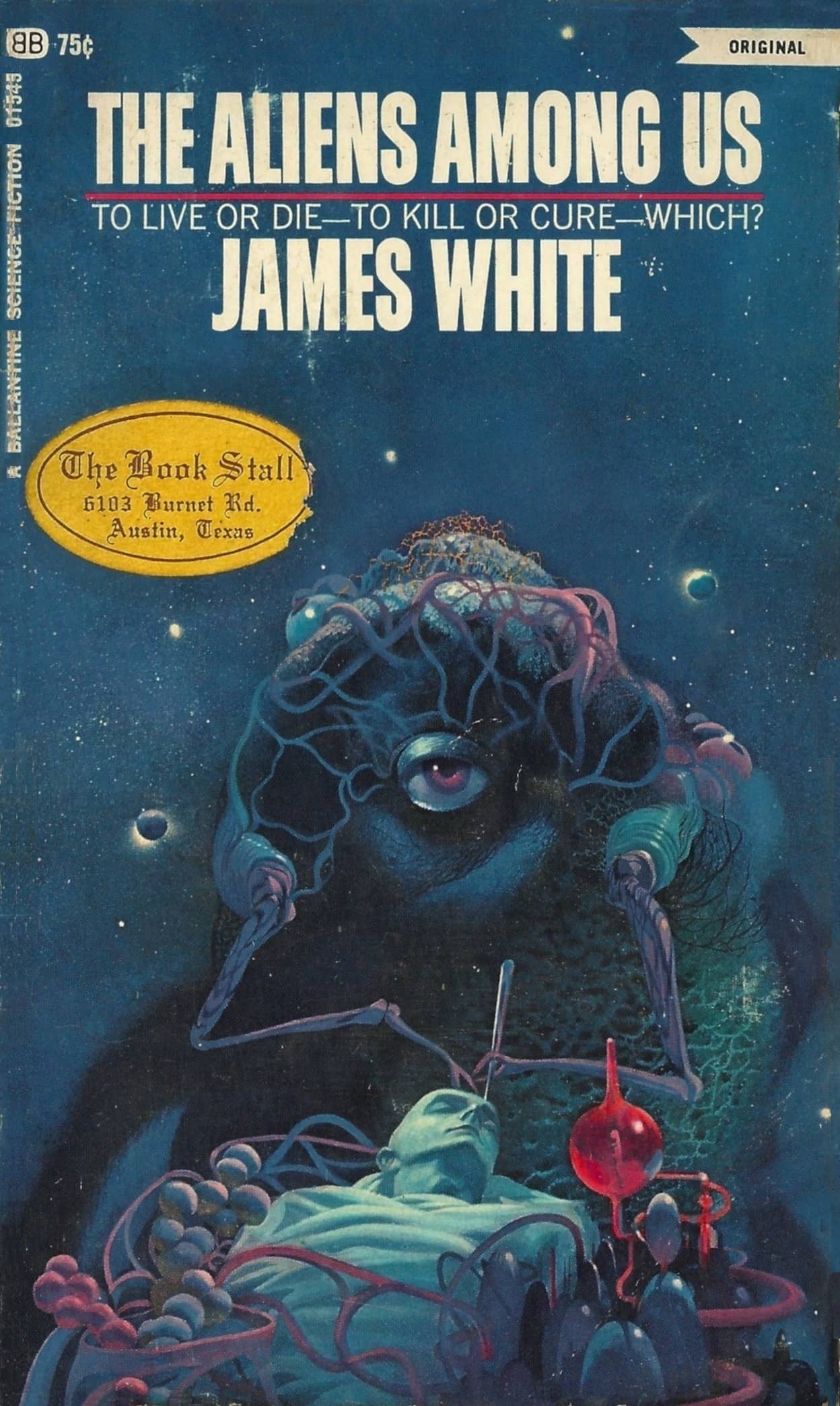
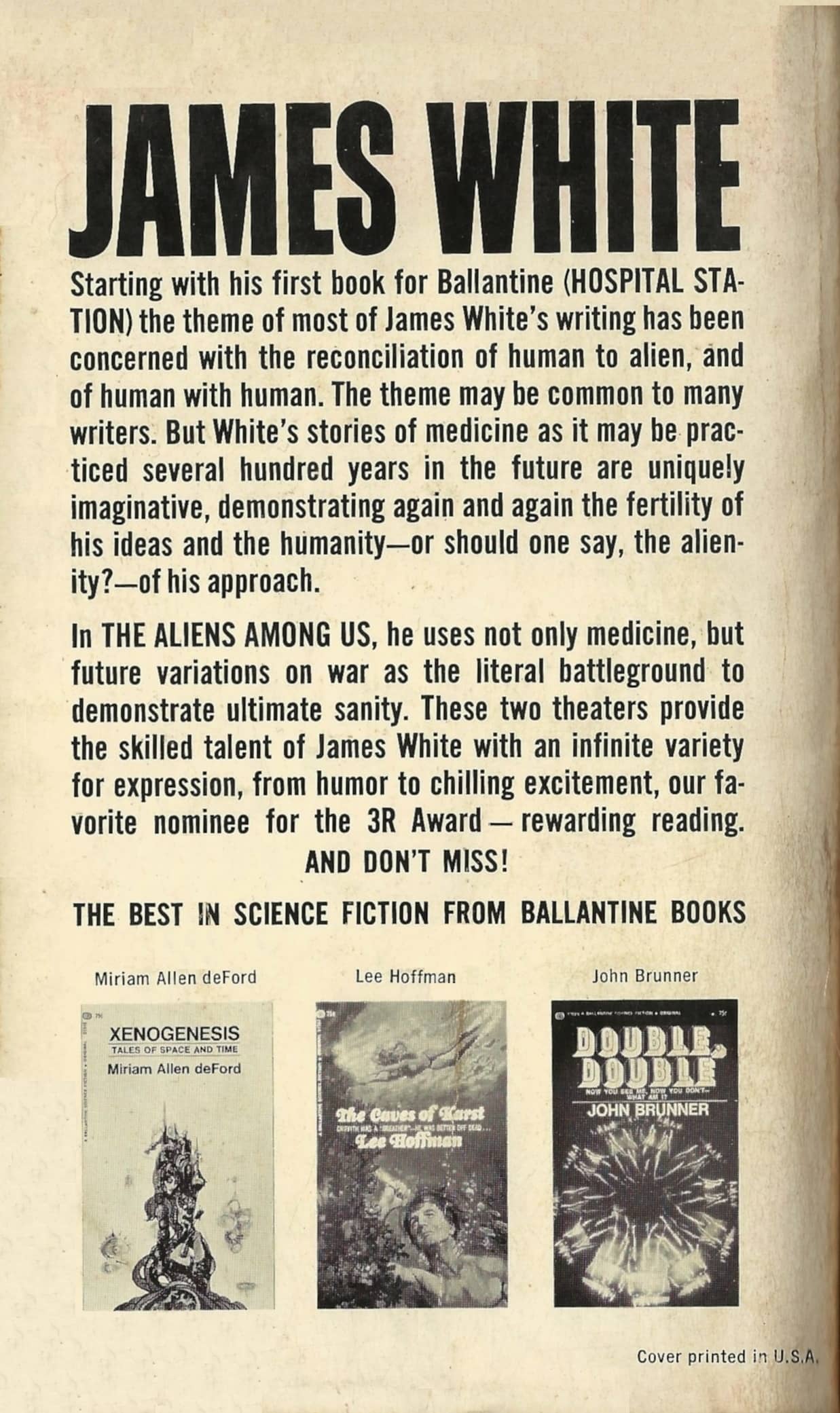
The Aliens Among Us by James White. Ballantine Books, 1969. Cover by Paul Lehr

I’ve read very little by James White, and that’s a serious oversight.

White was an Irish SF writer who’s not very well remembered today, but he was a big deal in SF circles in the 80 and 90s. He began writing professionally in 1953, and published some 20 novels and five collections in a career than spanned nearly five decades. His last novel Double Contact appeared in 1999, the year he died.

White’s most popular creation was Sector General, a deep space medical installation that treats all the races of the galaxy. It was the setting for a long-running series — a dozen novels and collections — published between 1957-1999. Most of the stories were fairly light fare, low-stakes galactic hospital drama, but their enduring popularity earned White a solid rep. A total of four omnibus collections were published, one by the Science Fiction Book Club (Tales of Sector General, 1999), and three by Orb, Beginning Operations (2001), Alien Emergencies (2002), and General Practice (2003). Believe it or not, all three of the Orb volumes are still in print, nearly two long decades later. That’s an impressive legacy.

If White can keep omnibus editions in print for 20 years, why do I say he’s not well remembered? Because while Sector General remains popular among older fans, White’s star has otherwise dimmed significantly. How little demand is there for his work? Five years ago when I won a nearly complete set of James White — 24 vintage paperbacks — on eBay, I was the only bidder. The price? $5.

I still think White speaks to modern audiences, and that’s why I’m still talking about him. Today I want to point you towards his second collection, The Aliens Among Us, published by Ballantine in 1969.

Read More Read More

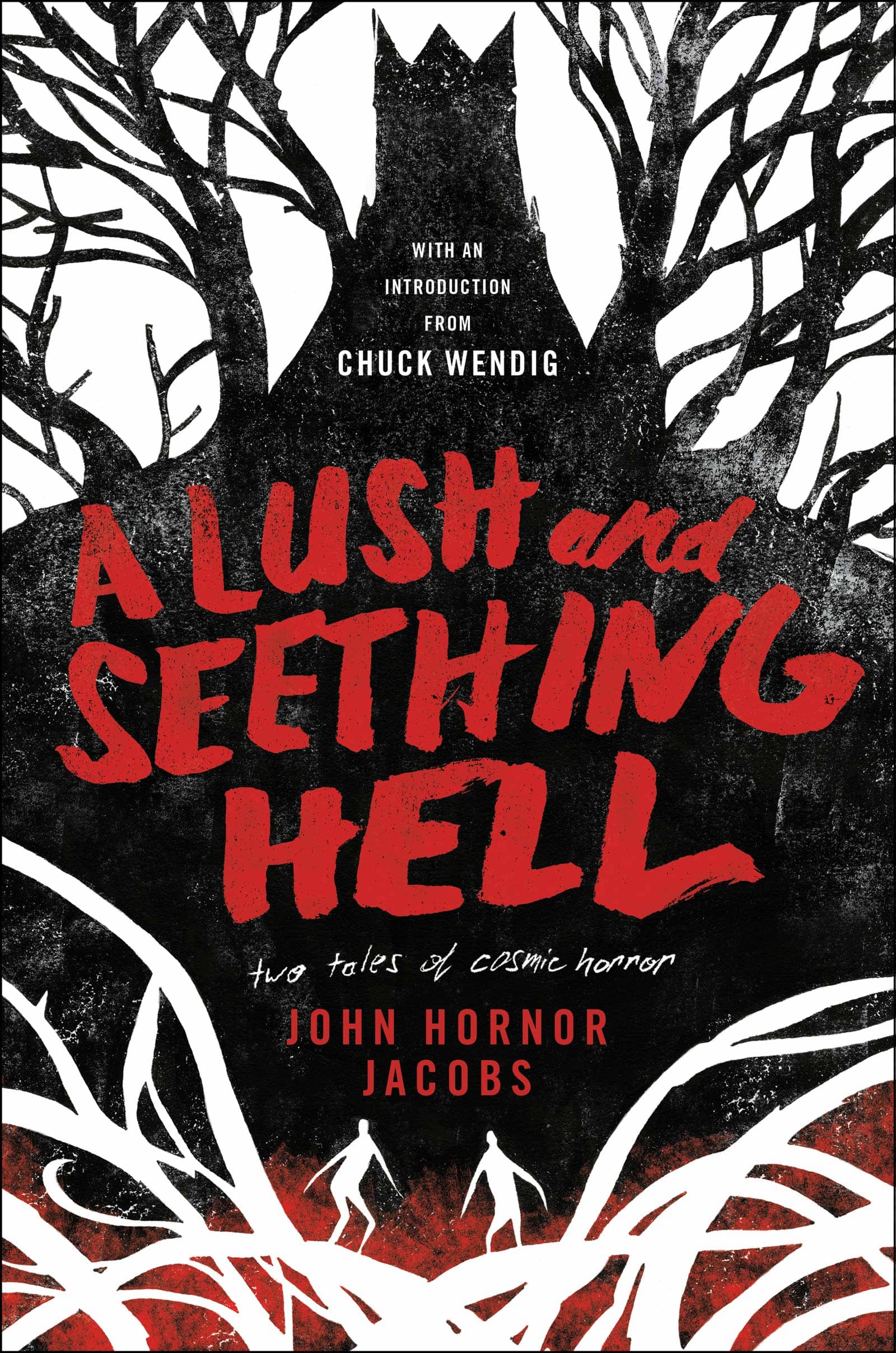
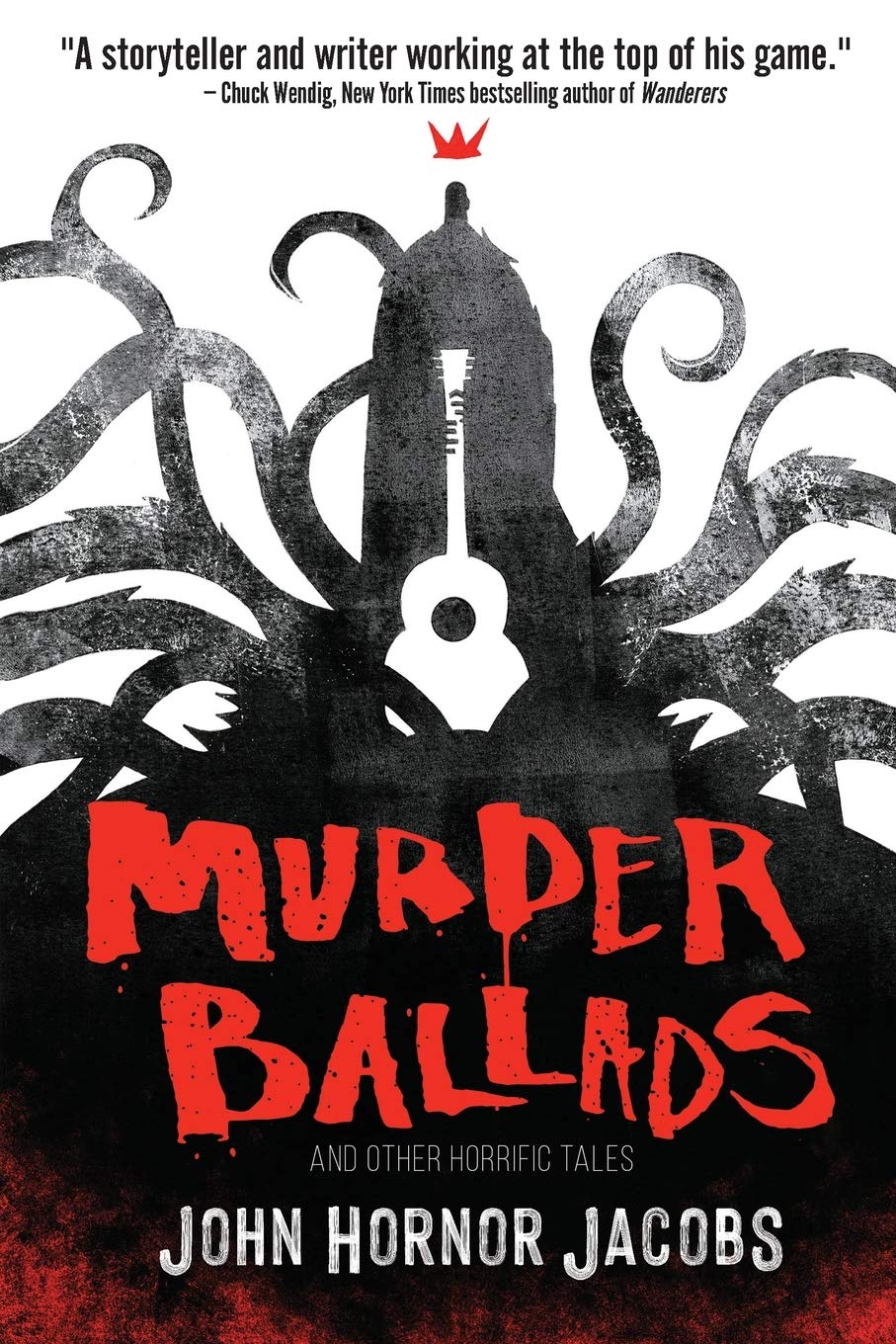
New Treasures: Murder Ballads and Other Horrific Tales by John Horner Jacobs

New Treasures: Murder Ballads and Other Horrific Tales by John Horner Jacobs

A Lush and Seething Hell Two Tales of Cosmic Horror-small Murder Ballads and Other Horrific Tales-small

Covers by Jeffrey Alan Love

John Horner Jacobs’s new collection Murder Ballads and Other Horrific Tales has arrived from JournalStone, and my, my. It looks very handsome on my bookshelf right next to A Lush and Seething Hell, his 2019 collection of two novellas of cosmic horror. Yes indeed. The fabulous covers are by Jeffrey Alan Love, and they do look very sharp side by side.

Murder Ballads collects 10 tales of weird horror, and has been called “masterful… marvelously eerie” by Publishers Weekly, in case you let things like reviews sway you (instead of cool cover art, which is the way we prefer to be swayed here at Black Gate.) Here’s the description.

A terrifying collection of horror and crime noir from the author of Southern Gods and A Lush and Seething Hell.

Featuring ten tales, two never before in print, Murder Ballads and Other Horrific Tales is an exciting glimpse into the dark territories of the human heart.

These are coming-of-age stories. Stories of love and loss, grief and revenge. Survival and redemption. From old gods to malevolent artificial intelligences, vampires to zombies to ghosts, Jacobs exposes our fears and worst imaginings.

CONTAINS THE SEQUEL TO SOUTHERN GODS

The sequel to Southern Gods they mention so breathlessly in that last line is the title story, a novella that PW calls “a southern gothic extravaganza.” Here’s a look at the back cover.

Read More Read More

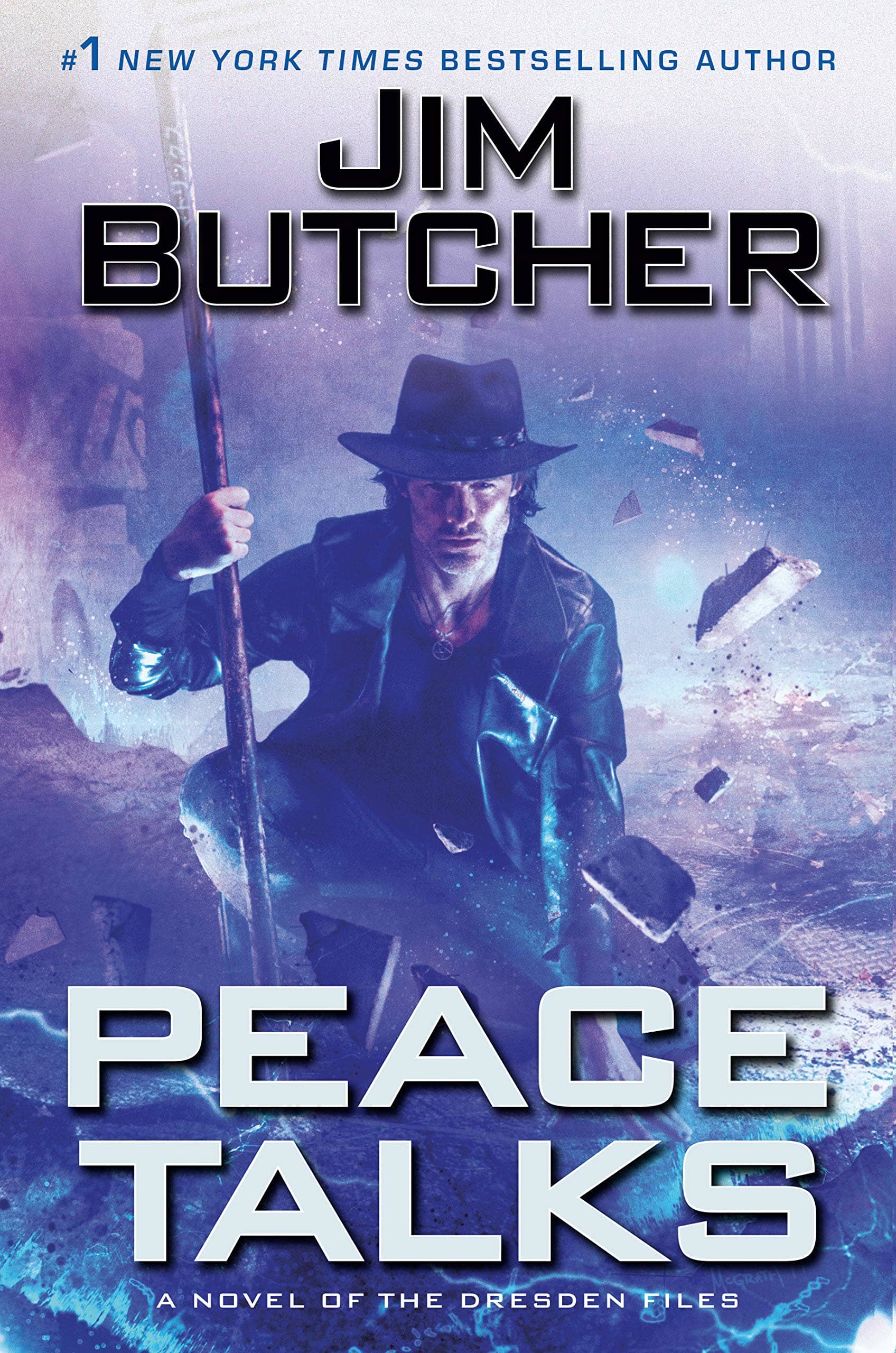
Future Treasures: Peace Talks by Jim Butcher

Future Treasures: Peace Talks by Jim Butcher

Peace Talks Jim Butcher-smallIt’s been six long years since we’ve seen Harry Dresden.

The Dresden Files was one of the first big breakout fantasy hits of the 21st Century; beginning with Storm Front in 2000, and continuing at roughly a book a year until Skin Game, the 15th novel in the series, was published in 2014. Author Jim Butcher took a long pause after that — but now Harry Dresden returns in his long-awaited sixteenth novel, Peace Talks, which arrives in hardcover from Ace Books next week.

Tor.com broke the news last December with an announcement that included a handy summary of the series to-date:

A contemporary urban noir series that has been described as “Buffy the Vampire Slayer starring Philip Marlowe” (Entertainment Weekly), the Dresden Files follows Harry Dresden, Chicago’s only professional wizard, as he takes on supernatural cases throughout the city and an alternate magical realm. Peace Talks follows wisecracking private investigator Harry Dresden as he joins the White Council’s security team to ensure negotiations between the Supernatural nations of the world remain civil. Harry’s task is challenging, because dark political manipulations threaten the very existence of Chicago — and everything he holds dear.

A book as hotly anticipated as this doesn’t need early reviews to heighten the anticipation… but there’s no reason they shouldn’t try. Here’s a snippet from Publishers Weekly’s review.

Butcher ramps up the tension for wizard Harry Dresden in this open-ended 16th installment… When Thomas Raith, Harry’s half-brother, attempts to assassinate the leader of the Svartalves, one of the groups in attendance, Harry comes under suspicion for his role in the crime. With the aid of vampire Lara Raith and human detective Karrin Murphy, Harry frees Thomas from prison and certain death. Along the way, he discovers a new threat that could upend both the mundane and supernatural worlds… When Butcher finally pushes the story forward, readers are rewarded for their patience with gritty magical worldbuilding and bursts of dark humor.

Peace Talks will be published by Ace Books on July 14, 2020. It is 352 pages, priced at $28 in hardcover and $14.99 in digital formats. The cover is by Chris McGrath. Read the first six chapters for free at Jim Butcher’s website.

See all our recent coverage of the best forthcoming releases in SF, fantasy and horror here.

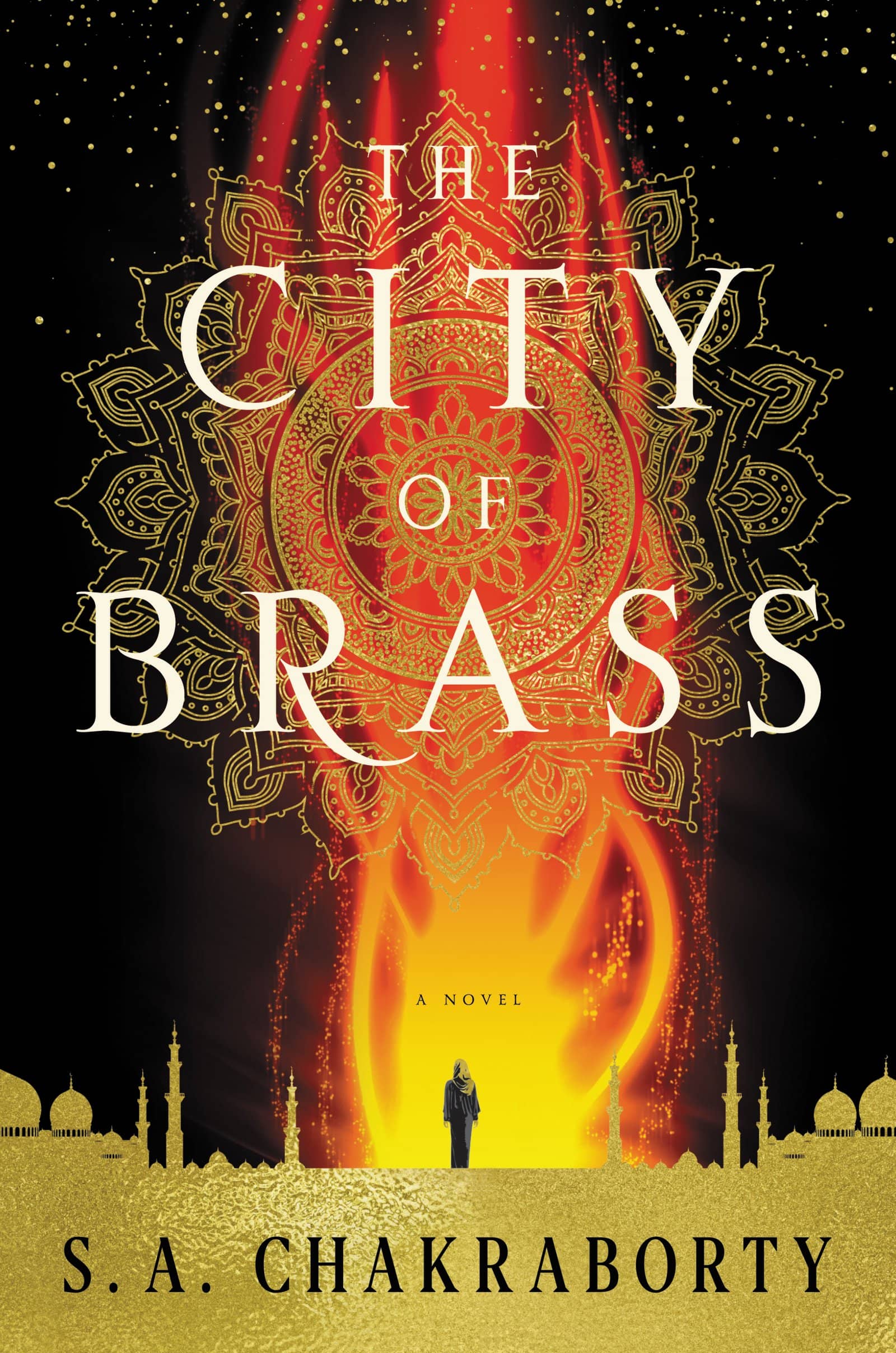
Revisit the Fabled City of Brass: S. A. Chakraborty Wraps The Daevabad Trilogy with The Empire of Gold

Revisit the Fabled City of Brass: S. A. Chakraborty Wraps The Daevabad Trilogy with The Empire of Gold

The-City-of-Brass-smaller The-Kingdom-of-Copper-small The Empire of Gold-small

It’s always a delight to watch a talented writer successfully wrap up a fantasy series.

And that’s especially true of S. A. Chakraborty’s The Daevabad Trilogy, which opened with one of the most popular debuts of the last few years. The City of Brass. Here’s what Brandon Crilly’s said in his enthusiastic review right here at Black Gate in 2018.

Chakraborty creates a world that’s nuanced and detailed. It has exactly the vivid freshness we continue to need in the fantasy genre, as a balance for the variations on the same Eurocentric worldviews that are still widely common…. But the novel is much more than its world – at the end of the day, my interest is always characters. Our two main protagonists, Cairo street urchin Nahri and immortal warrior Dara, are great counterparts; they’re equally passionate and protective, but in different ways, and both are seeking to find their place in the world… The City of Brass is excellent. It’s rare that I find a fantasy novel that’s so vividly detailed.

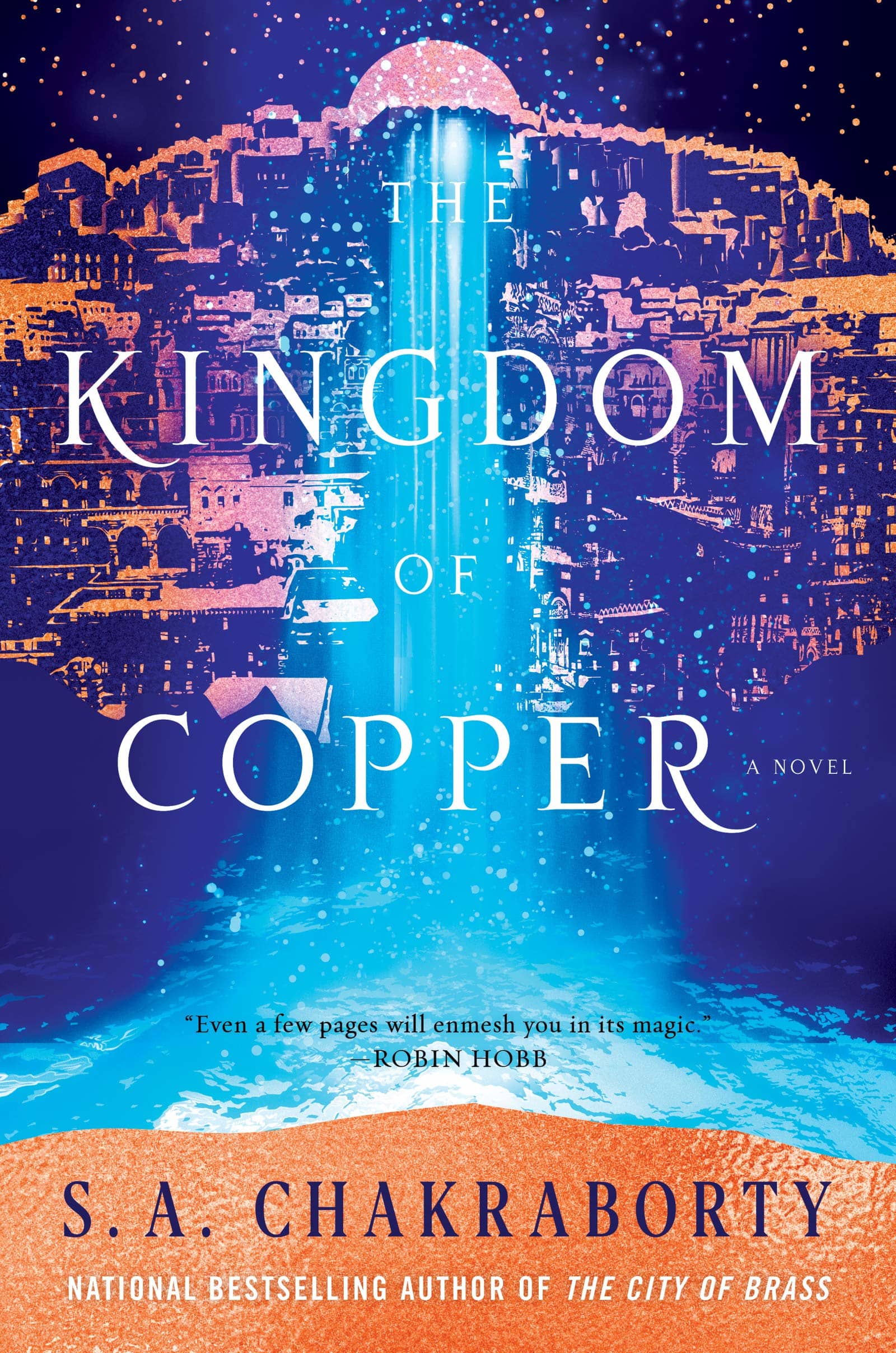
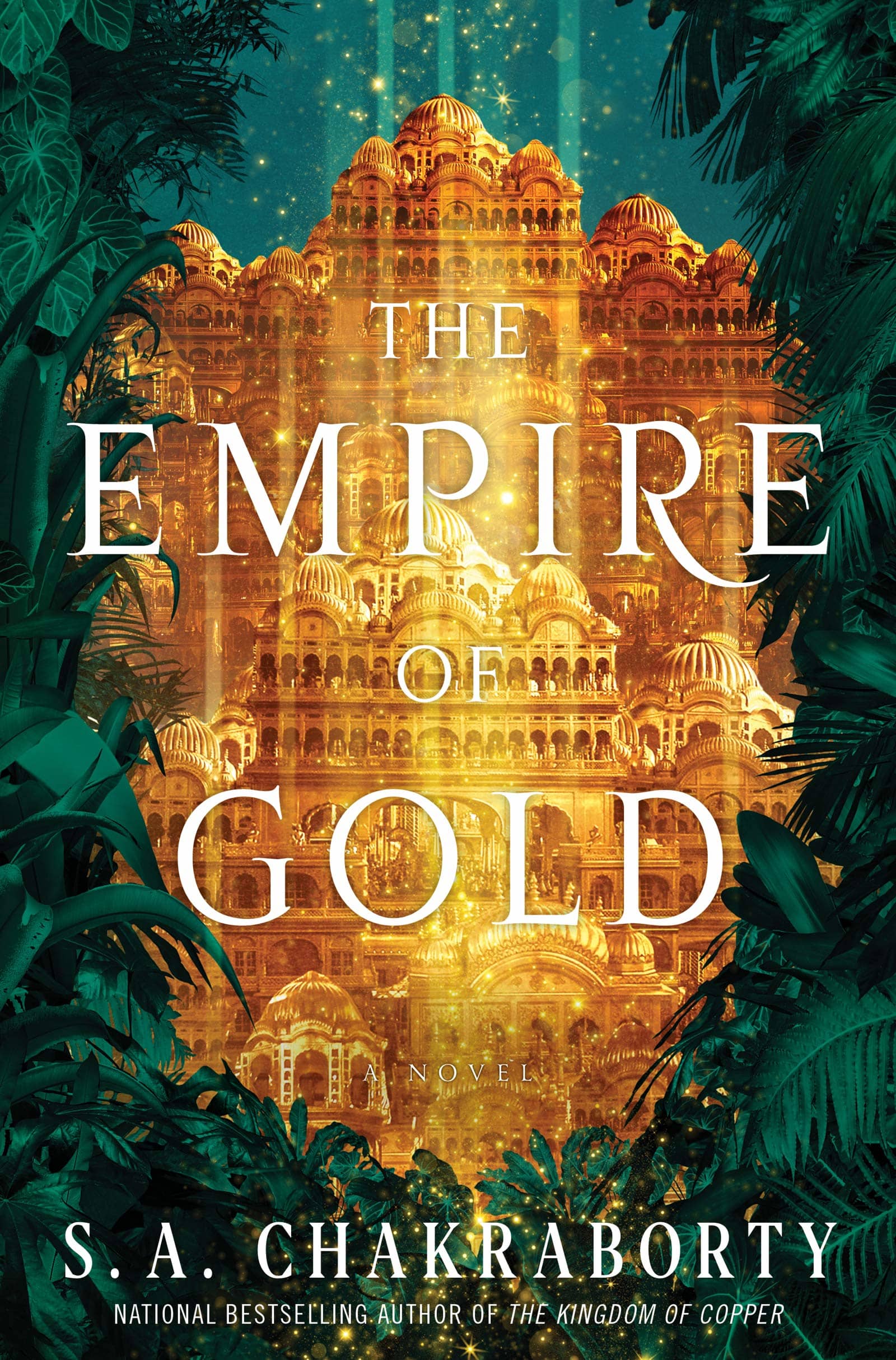
The Kingdom of Copper arrived last year; Kirkus Reviews called it “As good or better than its predecessor.” And now the concluding volume, the massive 784-page The Empire of Gold, arrives in hardcover; here’s the description.

Read More Read More

Vintage Treasures: Dark Stars edited by Robert Silverberg

Vintage Treasures: Dark Stars edited by Robert Silverberg

Dark Stars Silverberg-small Dark Stars Silverberg-back-small

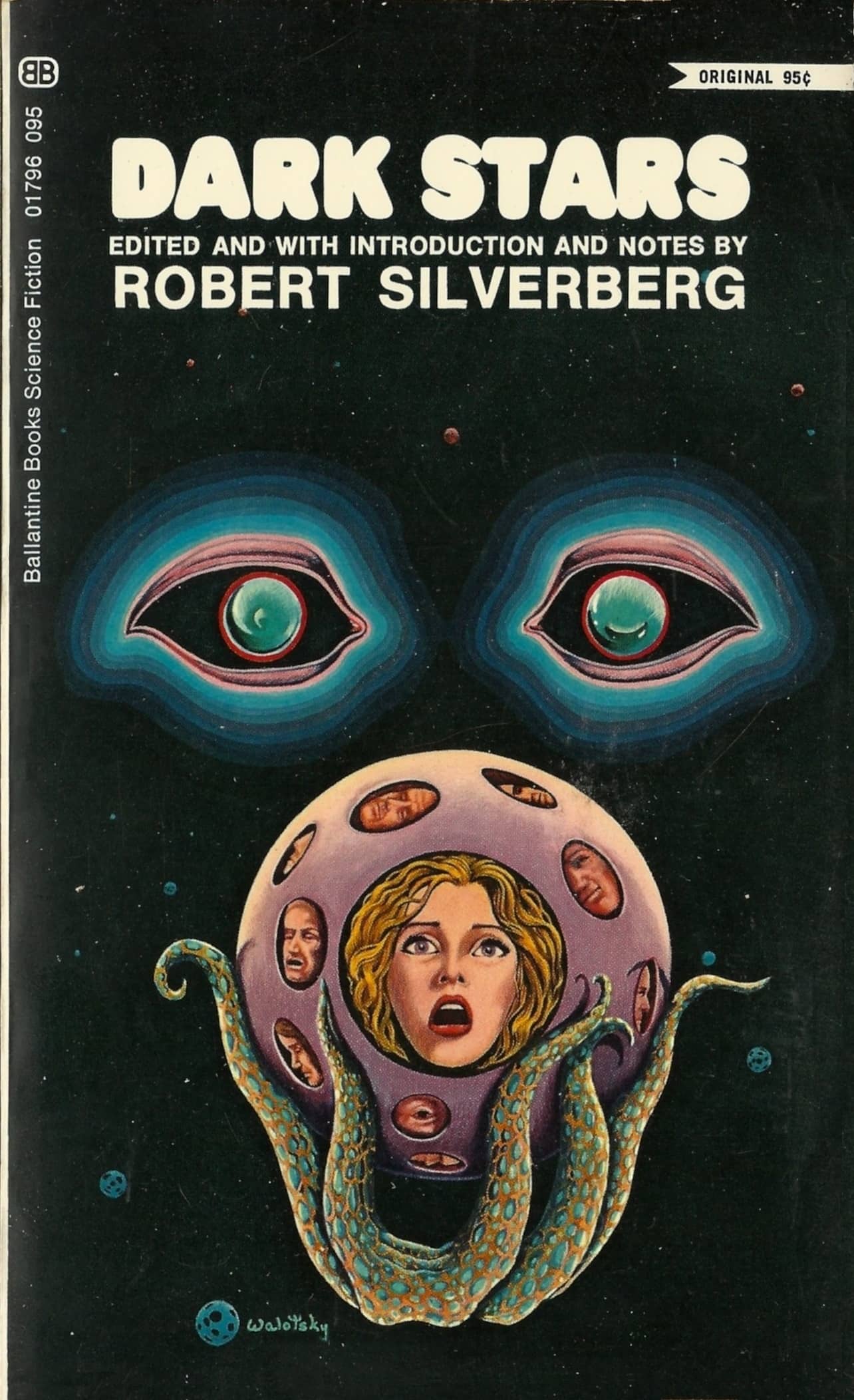
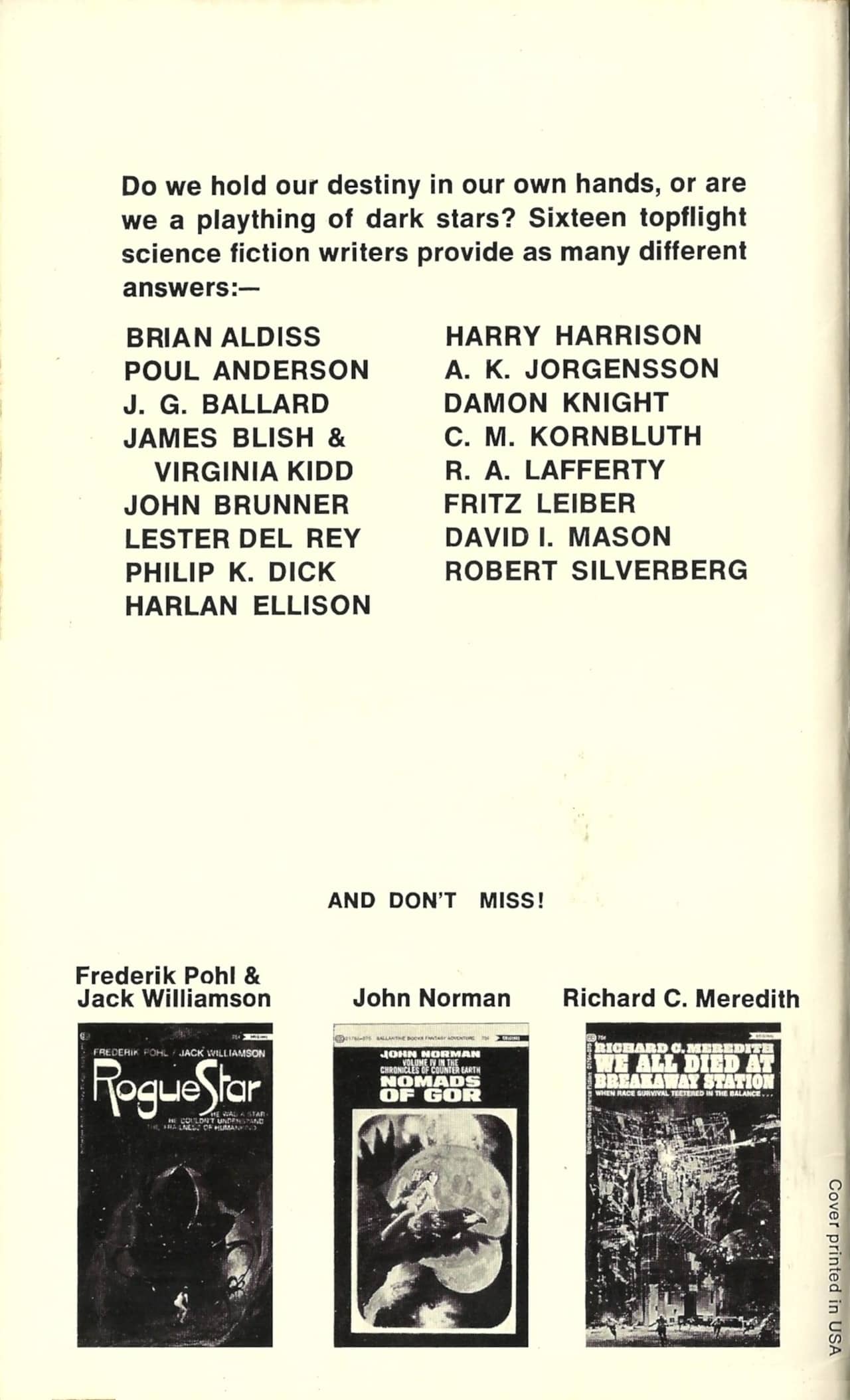
Dark Stars (Ballantine Books, 1969). Cover by Ronald Walotsky

I’ve lamented before (more than a few times, as some regular readers have wearily noted) about the death of the mass market SF anthology.  They were a fixture on bookstore shelves a generation ago, and were a great way to discover new writers. In fact, I discovered virtually all of my favorite writers — Roger Zelazny, Clifford D. Simak, Isaac Asimov, James Tiptree, Jr. — in paperback anthologies in the 70s and 80s.

Well, if I can’t celebrate new ones, I can still tell you about the old ones, and encourage you to hunt down a few. At least as long as vintage SF paperbacks remain cheap, plentiful, and easy to find — which looks like forever, if AbeBooks and eBay are any indication. Today’s subject is a neat little one-off anthology by Robert Silverberg from 1969, with an unusual theme: dark science fiction. Here’s Silverberg from the introduction.

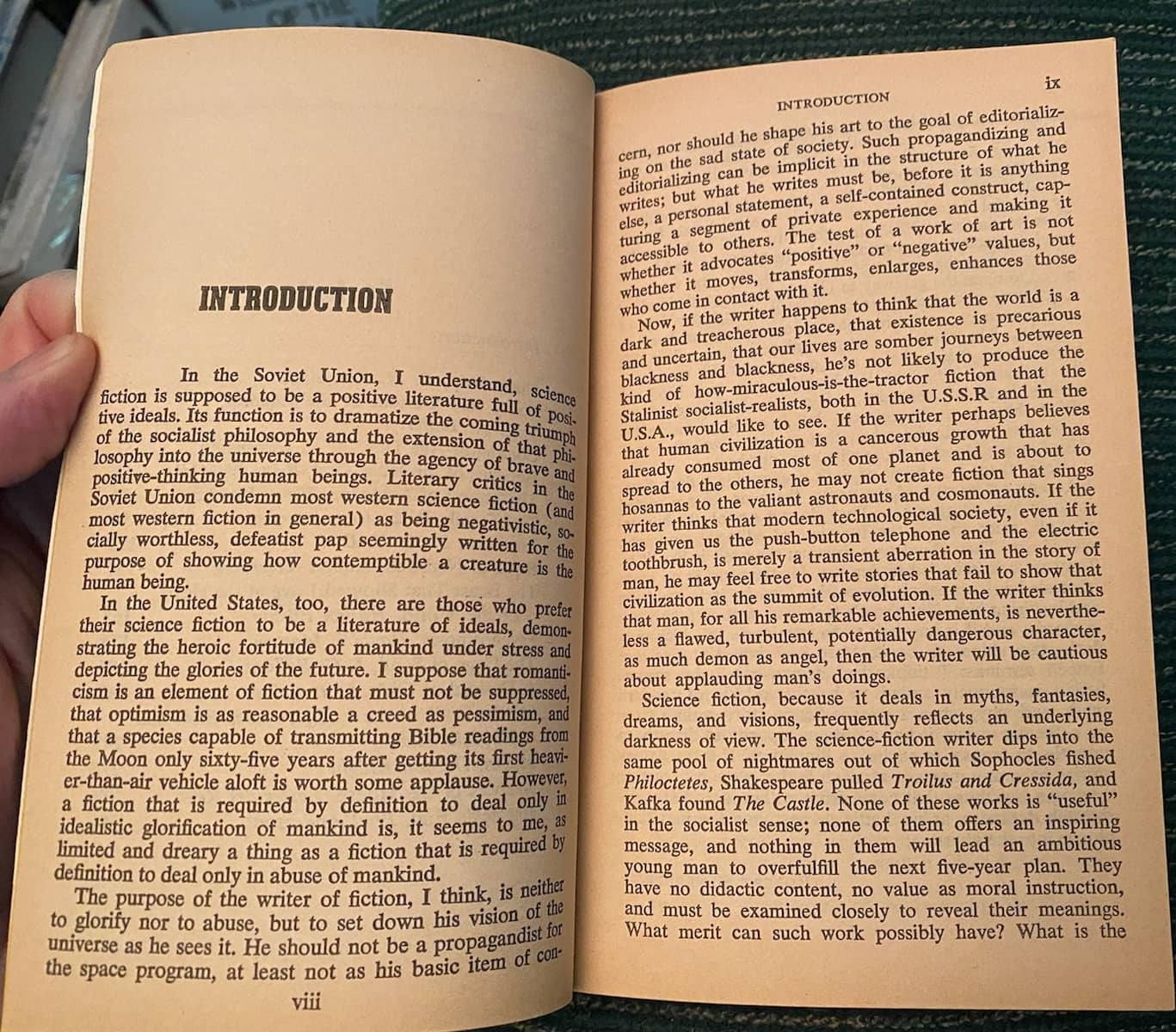
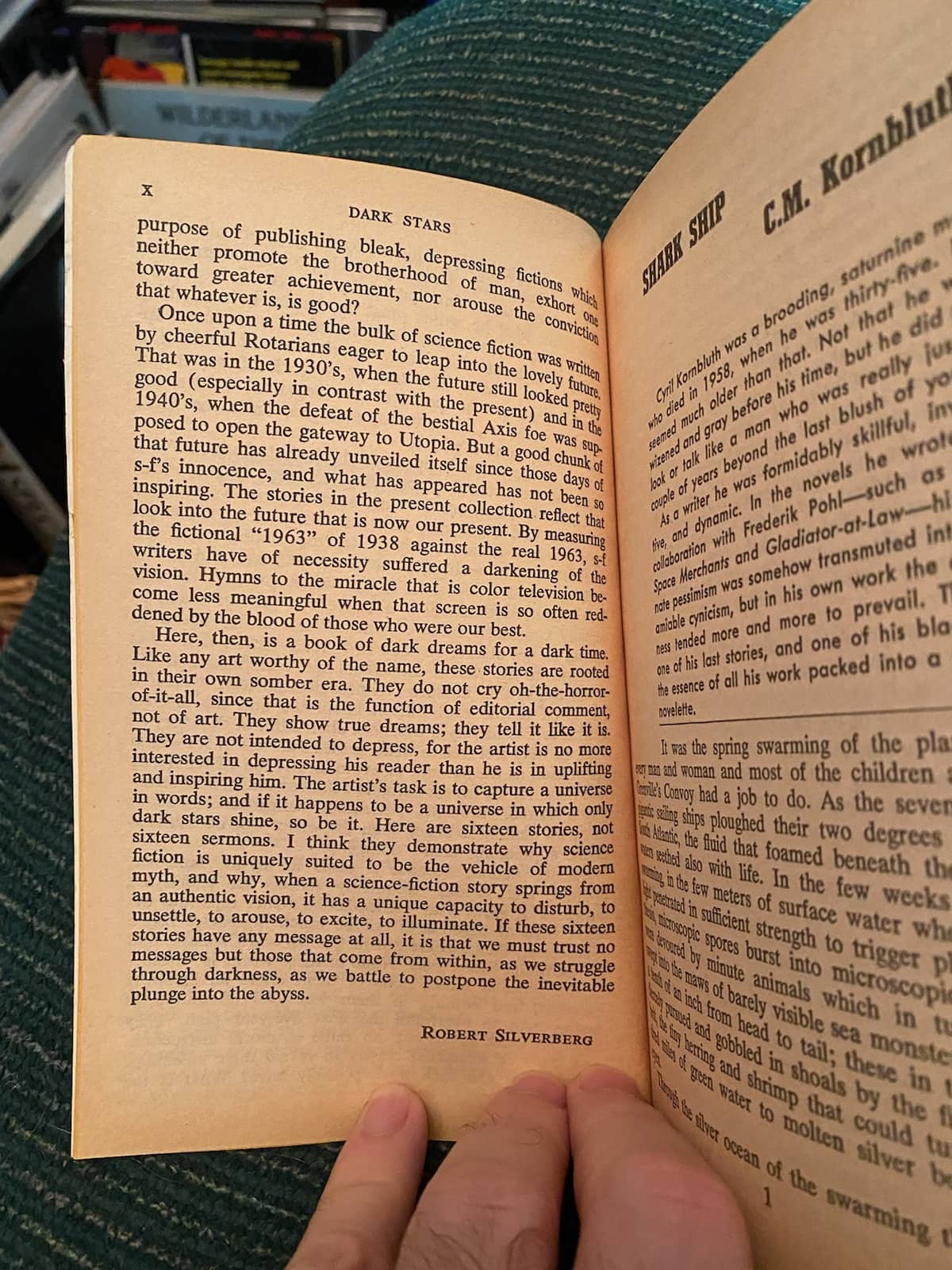
In the Soviet Union, I understand, science fiction is supposed to be a positive literature full of positive ideals. Its function is to dramatize the coming triumph of the socialist philosophy and the extension of that philosophy into the universe…. In the United States, too, there are those who prefer their science fiction to be a literature of ideals, demonstrating the heroic fortitude of mankind under stress and depicting the glories of the future… The purpose of the writer of fiction, I think, is neither to glorify not to abuse, but to set down his vision of the universe as he sees it. He should not be a propagandist for the space program, at least not as his basic item of concern….

Once upon a time the bulk of science fiction was written by cheerful Rotarians eager to leap into the lovely future. That was in the 1930’s, when the future still looked pretty good (especially in contrast with the present) and in the 1940’s, when the defeat of the bestial Axis foe was supposed to open the gateway to Utopia. But a good chunk of that future has already unveiled itself since those days of s-f’s innocence, and what has appeared has not been so inspiring. The stories in the present collection reflect that look into the future that is now our present. By measuring the fictional “1963” of 1938 against the real 1963, s-f writers have of necessity suffered a darkening of vision. Hymns to the miracle that is color television become less meaningful when that screen is so often reddened by the blood of those who were our best.

Here, then, is a book of dark dreams for a dark time.

If you don’t mind reading yellowing pages from high-res photos, you can see Bob’s complete 3-page intro to Dark Stars using the pics I took with my new iPhone here and here.

Read More Read More

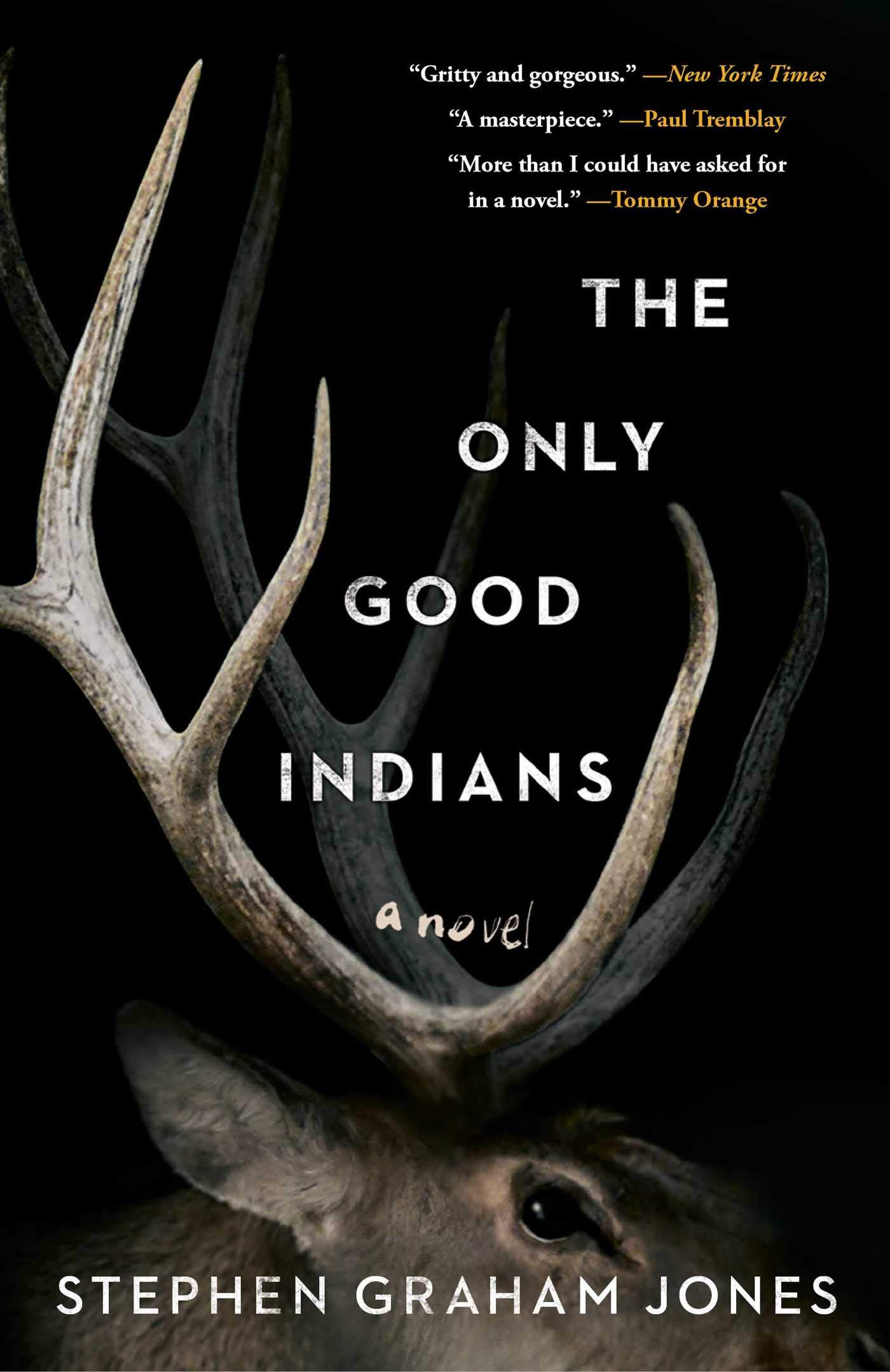
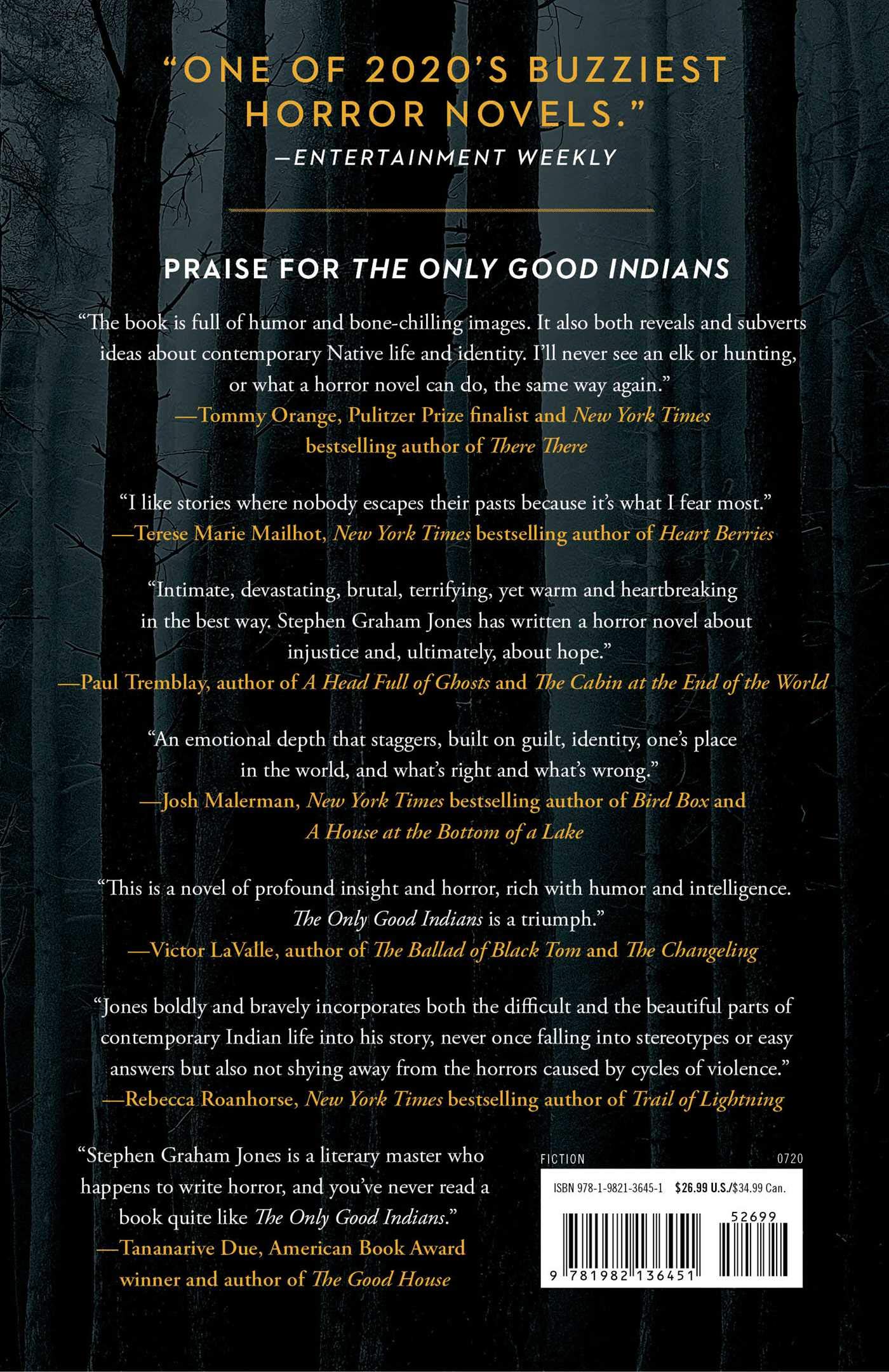
Future Treasures: The Only Good Indians by Stephen Graham Jones

Future Treasures: The Only Good Indians by Stephen Graham Jones

The Only Good Indians-small The Only Good Indians-back-small

Cover designed by Ella Laytham

Stephen Graham Jones is the author of the World Fantasy Award nominee Mapping the Interior, The Last Final Girl, Mongrels, and the acclaimed collection After the People Lights Have Gone Off. His latest novel, The Only Good Indians, arrives from Saga Press in two weeks. Paul Tremblay calls it “A masterpiece,” and my interest was greatly heightened by a rave review at Columbia Journal by Max Asher Miller. Here’s an excerpt:

It’s unabashedly a slasher, and blood is plentiful, but a deeper layer runs through the material as Jones, a Blackfeet native, uses the trappings of horror to delve into a dissection of contemporary Native American identity.

The Only Good Indians follows a friend group of Blackfeet a decade after they trespass on hunting land reserved for tribal elders and slaughter a herd of elk, including a pregnant cow who refuses to die easily. The vengeful spirit manifests as a woman with the head of an elk who tracks the group down one by one to exact revenge. The killings are shocking, yes, but they feel like exclamation points on larger ideas. They are not the entre, but the garnish upon it.

The novel puts its ideas on the table almost immediately with a prologue in which the first of the four main characters, Ricky Boss Ribs, is jumped by a group of white guys from his construction crew outside a dive bar. The racialized dynamic of the attack is its focal point, Jones delineating the body politics of the beat-down…. Constant awareness of what it means to navigate the world as Native American is of central concern to the novel’s characters…

A terrifying whirlwind of blood with the brains to match, The Only Good Indians is sure to be among the most exciting novels this summer can scare up.

The Only Good Indians will be published by Saga Press on July 14, 2020. It is 310 pages, priced at $26.99 in hardcover and $7.99 in digital formats. The cover was designed by Ella Laytham.

See all of our recent coverage of the best upcoming fantasy and horror here.

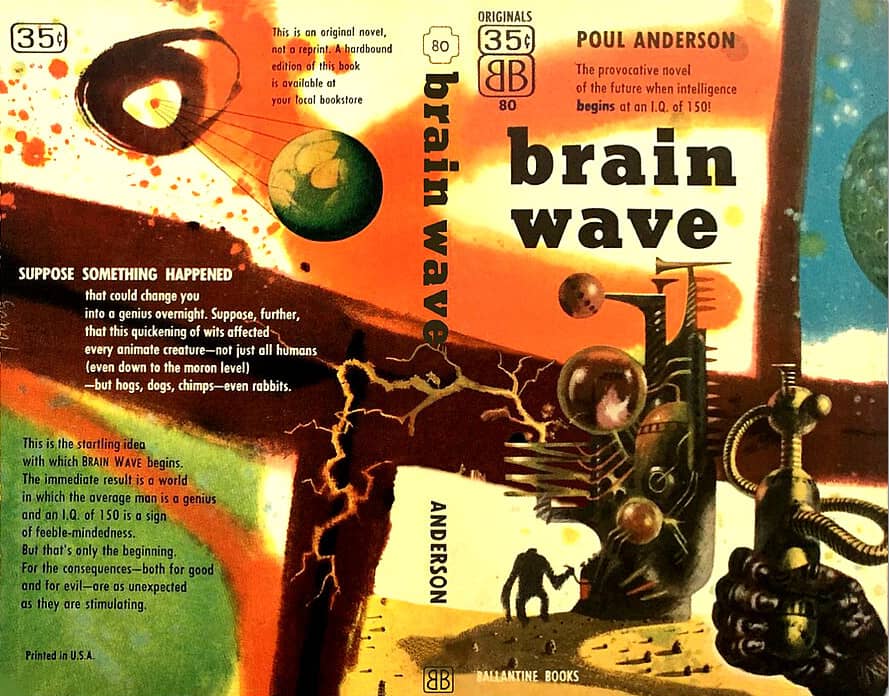
Humanity Uplifted: Poul Anderson’s Brain Wave

Humanity Uplifted: Poul Anderson’s Brain Wave

Brain Wave Poul Anderson

Brain Wave by Poul Anderson; First Edition: Ballantine Books, 1954
Cover art by Richard Powers

Brain Wave
by Poul Anderson
Ballantine Books (164 pages, $0.35, paperback, June 1954)
Cover by Richard Powers

Poul Anderson was a prolific writer of both science fiction and fantasy from the late 1940s to his death in 2001. He was especially known for a couple space opera series, one about the Psychotechnic League and others about Dominic Flandry and Nicholas Van Rijn (I have not read any of these). But his best novels, reputedly, were his singletons, like Brain Wave (1954), The High Crusade (1960), Three Hearts and Three Lions (1961), and Tau Zero (1970), and later works like The Avatar (1978) and The Boat of a Million Years (1989), from decades when everyone’s novels got much longer.

Brain Wave was Anderson’s third novel, after juvenile SF Vault of the Stars in 1952 and fantasy novel The Broken Sword earlier in 1954. The first part of Brain Wave appeared in Space Science Fiction in 1953, but the magazine went out of business before serializing the remainder.

I reread this book recently not to extend a series of reviews of first — or almost-first — novels, but because I wanted to revisit its striking premise. I think I’ll revisit Tau Zero soon, for the same reason.

Read More Read More

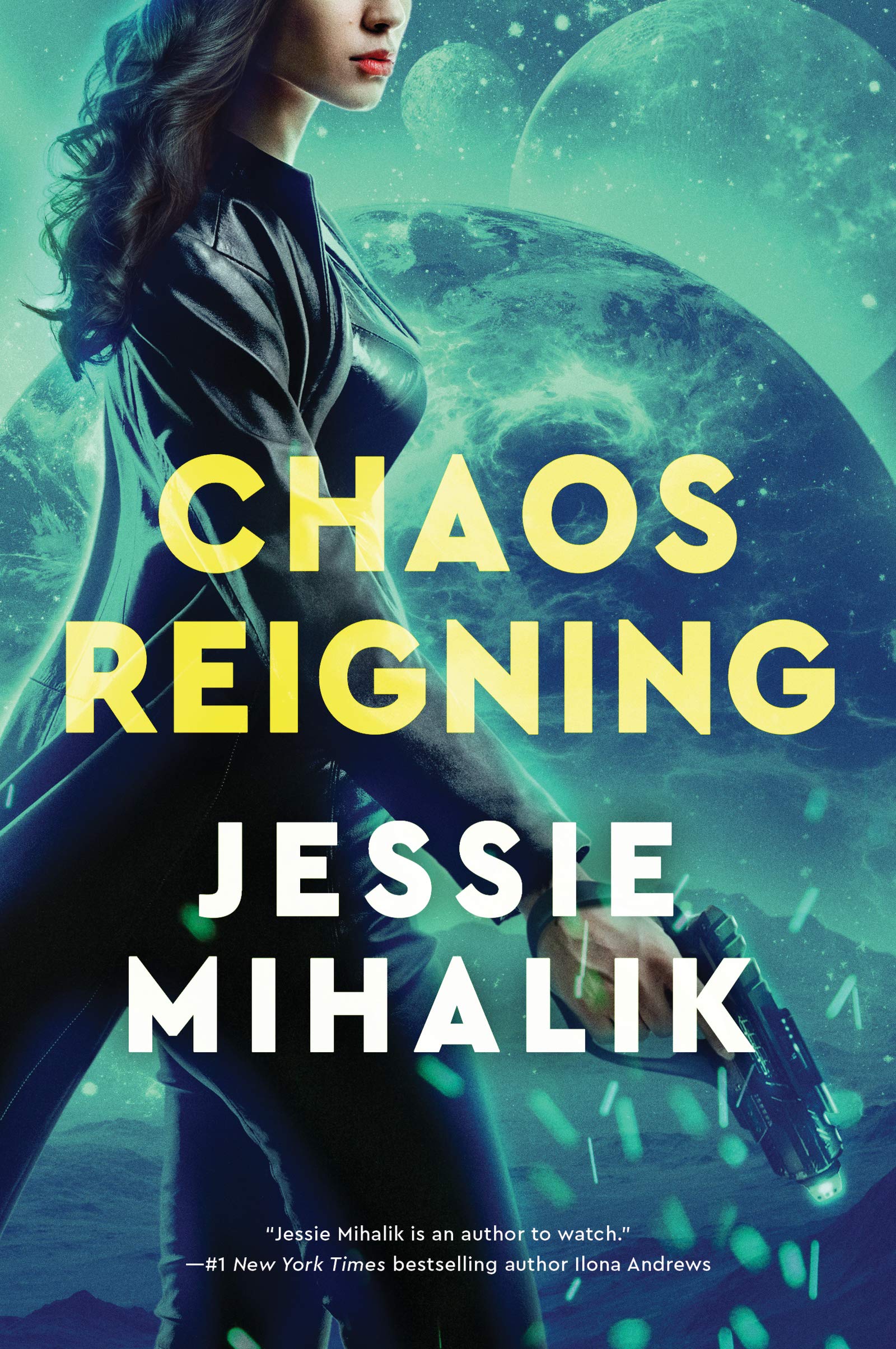
Space Opera and Romance in Equal Measure: The Consortium Rebellion Trilogy by Jessie Mihalik

Space Opera and Romance in Equal Measure: The Consortium Rebellion Trilogy by Jessie Mihalik

Polaris Rising-small Aurora Blazing-small Chaos Reigning-small

Authors love to blend genres these days, and I’m heartily glad to see it. Thus you get the Horror Comedy, the Science Fiction Police Procedural, the Weird Western (my favorite!) and many other tasty fiction concoctions.

Of course, some are harder to craft than others. I think the trickiest may be the science fiction romance, just based on the fact that there are so few successful examples. So I was very intrigued to see Jessie Mihalik’s 2019 debut novel Polaris Rising hit a bullseye with critics. Here’s The New York Times.

Jessie Mihalik’s splendid Polaris Rising… [is] a thrill of a book. Ada von Hasenberg is the fifth child of one of the three royal houses of the universe’s ruling Consortium. She’s been on the run for the last two years, fleeing an arranged marriage with the son of a rival house. When she finds herself about to be captured by her intended, she manages to escape with a fellow prisoner: Marcus Loch, the Devil of Fornax Zero, and the most wanted man in the universe. Ada soon discovers that the small ship they’ve stolen for their escape holds secrets that could topple the universe’s delicate balance of power.

Mihalik’s universe is vividly imagined… The book is told entirely from Ada’s point of view, offering the reader no more insight past Loch’s cold exterior than Ada herself has. It’s a risk on Mihalik’s part — Loch starts out menacing and mysterious, and he always remains a bit opaque — but it pays off as the reader, right along with Ada, gets to treasure every small crack in his stoic facade. Besides, Ada’s a tremendous heroine, brilliant and capable but never infallible, and I wouldn’t want to give up a moment with her. The set pieces skew toward sci-fi, but the burgeoning attraction between Ada and Loch is just as important to the story. This is space-opera adventure and sweeping romance in equal parts, an enthralling and eminently satisfying book.

You can check out the full review here. Mihalik followed up the success of her first book with Aurora Blazing (“A standout, memorable book that oozes crossover appeal” — BookPage) late last year, and in May of 2020 the series concluded with Chaos Reigning. The Seattle Review of Book says “The third and final volume in this blaster-filled space adventure romance series lands with a bang…” (Is that a euphemism for sex? I’m pretty sure it is.)

Read More Read More