Browsed by
Author: John ONeill

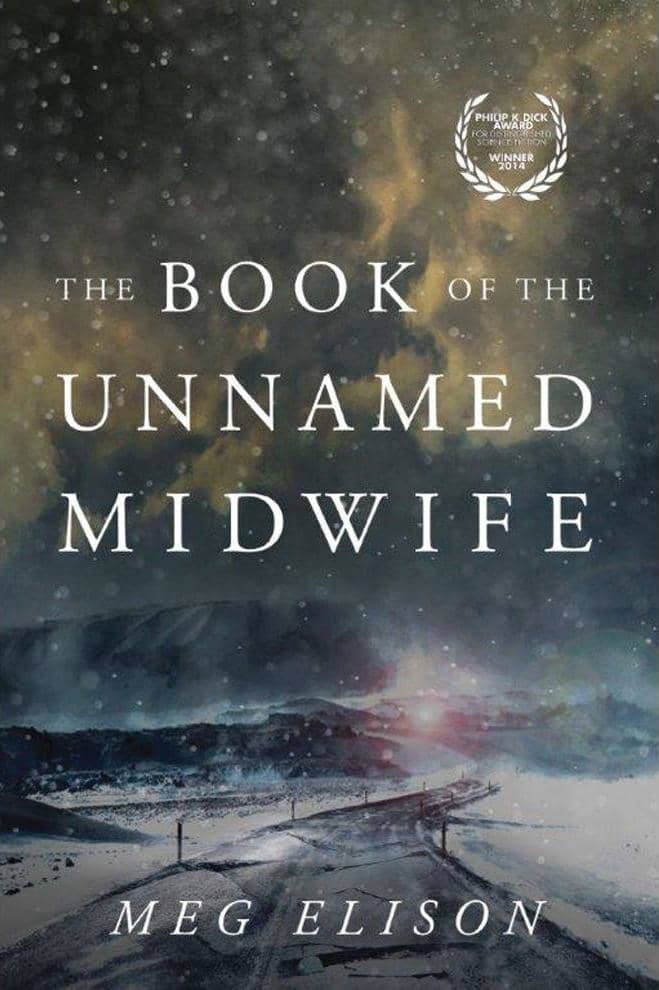
When Surviving the Apocalypse is Only the Beginning: The Road to Nowhere Trilogy by Meg Elison

When Surviving the Apocalypse is Only the Beginning: The Road to Nowhere Trilogy by Meg Elison

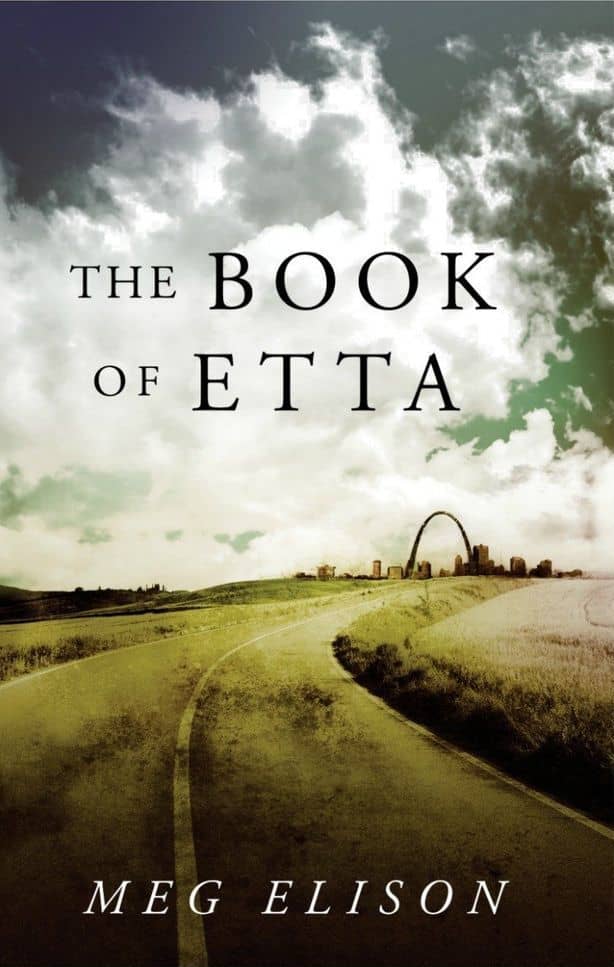
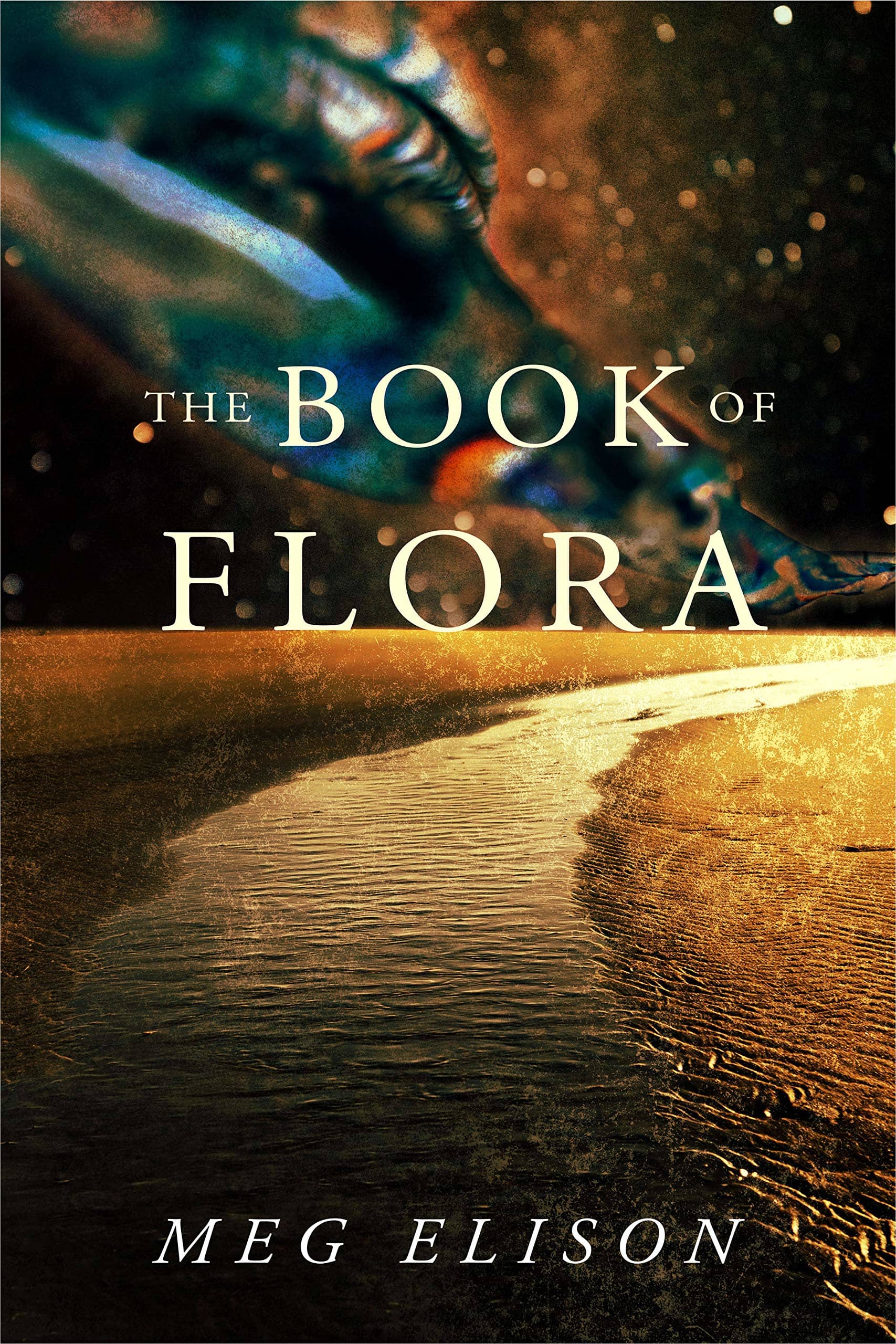
The Book of the Unnamed Midwife-small The Book of Etta-small The Book of Flora-small
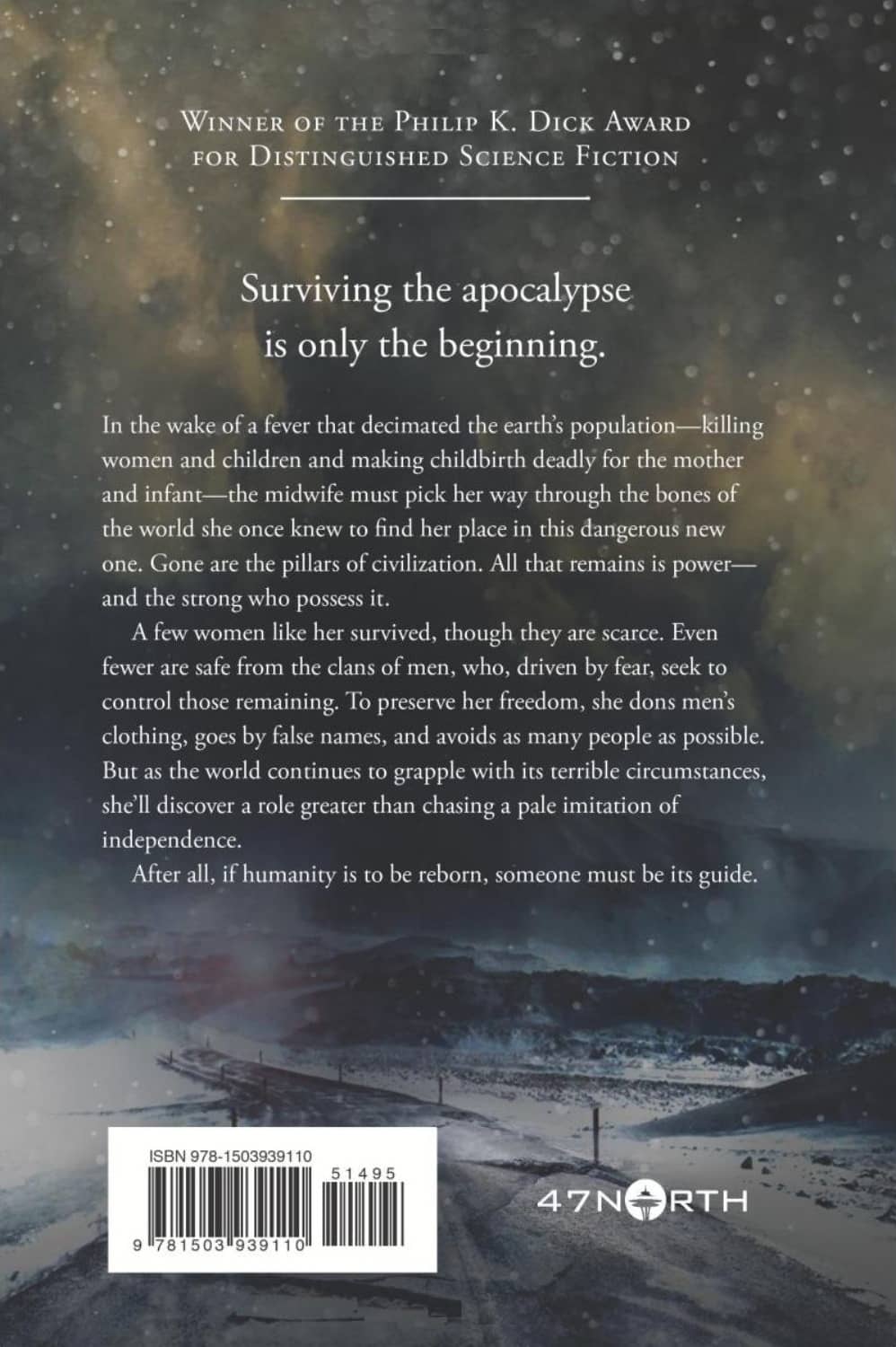
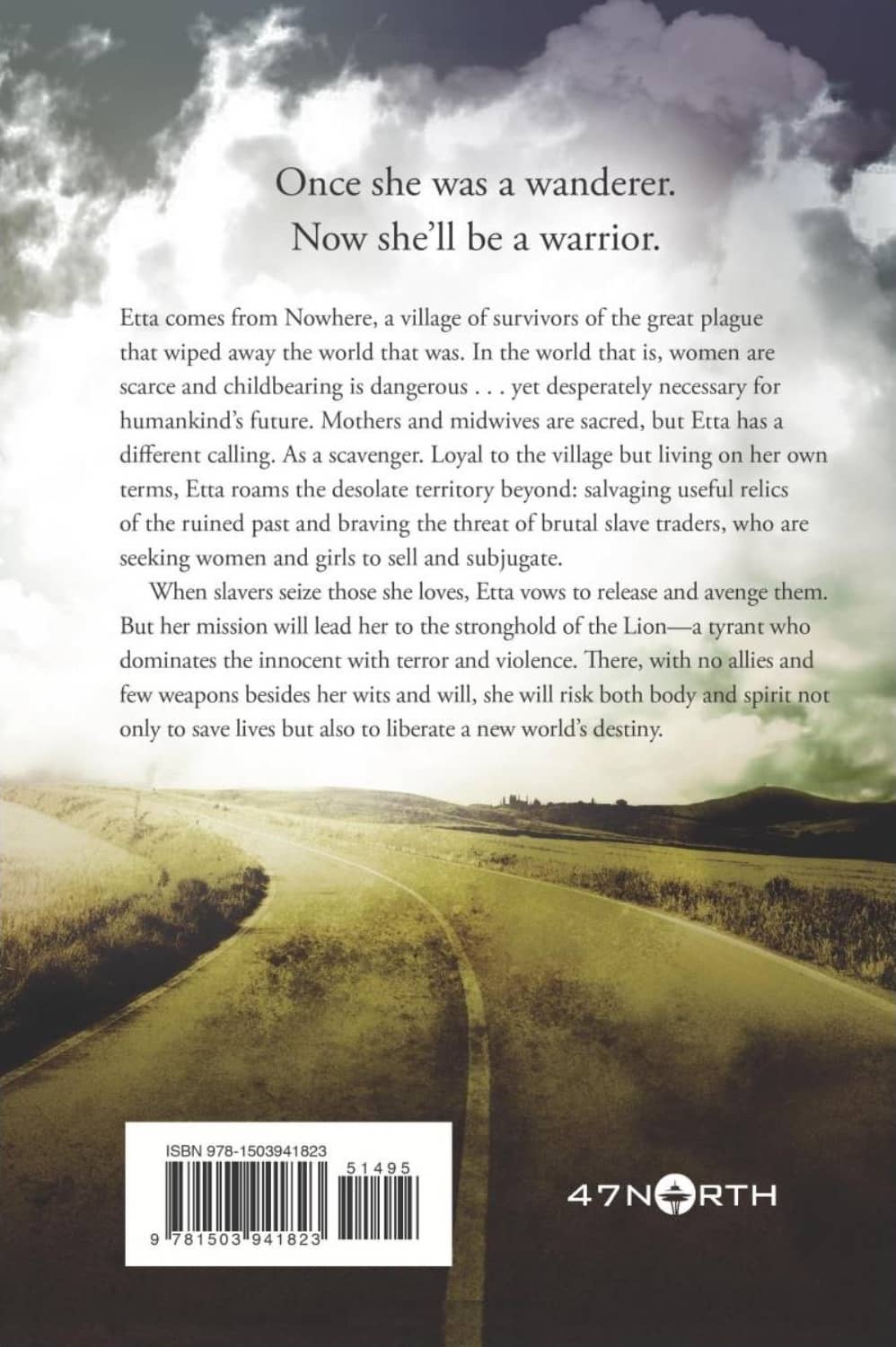
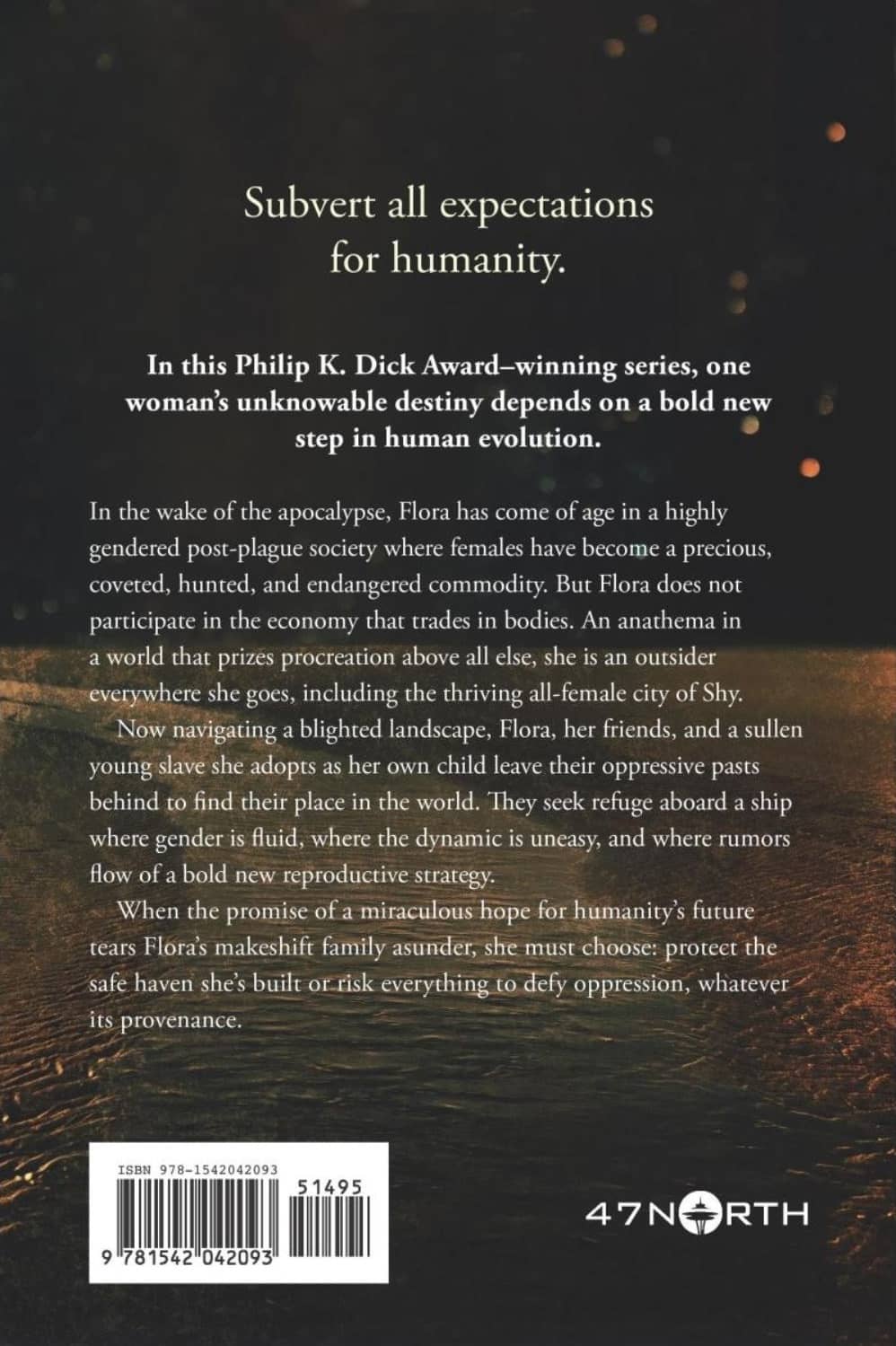
The Book of the Unnamed Midwife-back-small The Book of Etta-back-small The Book of Flora-back-small

It’s good to see Meg Elison, who made such an impressive splash with her debut novel The Book of the Unnamed Midwife, finally start to connect with wider audiences.

The Book of the Unnamed Midwife (2014) won the 2014 Philip K. Dick award and was a Publishers Weekly Best Book of 2016. The second novel in The Road to Nowhere Trilogy, The Book of Etta (2017) was also a finalist for the Philip K. Dick Award. And in April of this year the highly anticipated third volume, The Book of Flora, was published in paperback by 47 North. As each book has arrived the acclaim and recognition for the series has grown, and when I checked tonight I was surprised and delighted to discover that the first book in the series had reached the #3 position in Amazon Kindle Best Sellers in Science Fiction.

Back in 2016, Slate called The Book of the Unnamed Midwife the 2014 Sci-Fi Novel that Eerily Anticipated the Zika Crisis. More germane to those of us looking for a good story, Sci-Fi Scary labeled it “moving and intelligent work. Brutal and chilling at times, but also hopeful and very human. It immersed me right from the start and kept me gripped to the last page.” Now that the series is a proper trilogy, we’ll get to work baking it a cake.

All three volumes are available in trade paperback from 47 North. Click the images above for apocalypse-sized versions.

Vintage Treasures: The Weird Tales Anthologies

Vintage Treasures: The Weird Tales Anthologies

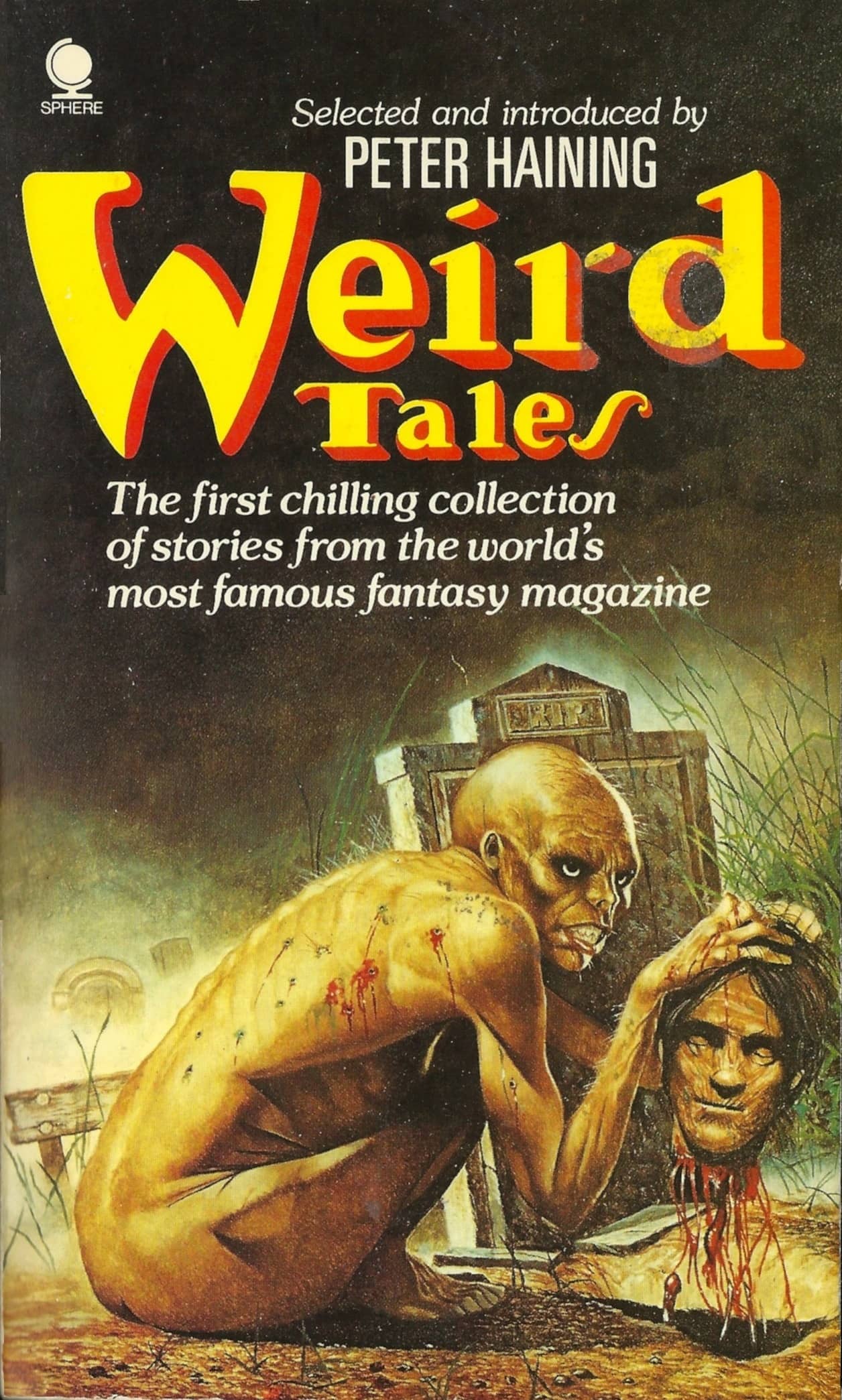
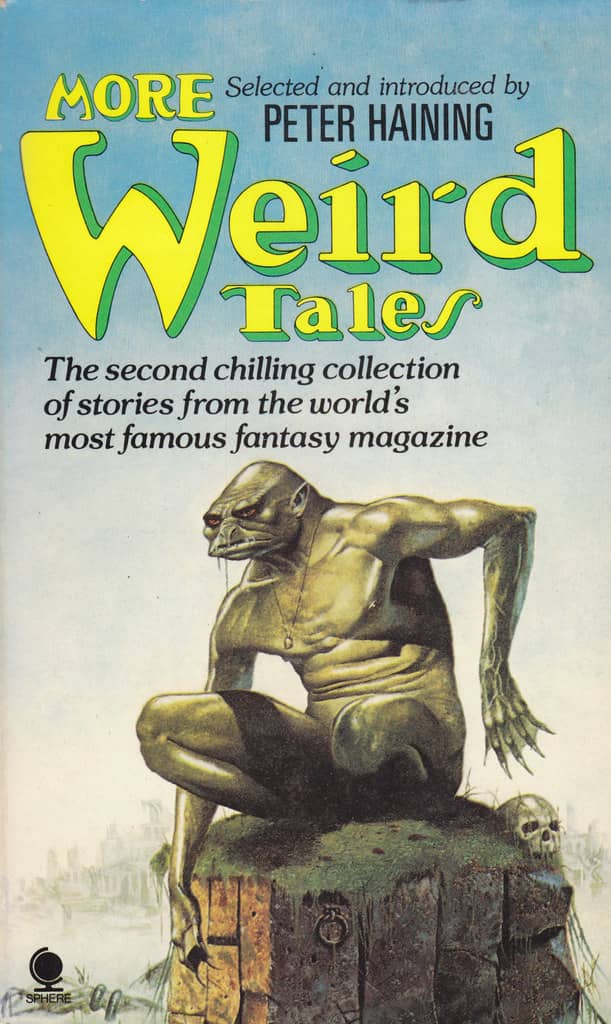
Weird Tales Peter Haining-small More Weird Tales Peter Haining-small

Weird Tales and More Weird Tales (Sphere, 1978). Covers by Les Edwards

Weird Tales is unquestionably the most storied and respected American fantasy magazine. It first appeared in March 1923, and published its last issue in Spring 2014 — a nearly 91-year run. That’s impressive by any standard.

Of course, Weird Tales isn’t measured purely by its longevity. The three greatest pulp fantasy writers — Robert E. Howard, H.P. Lovecraft, and Clark Ashton Smith — did their most important work in its pages, and it also published classic fiction by Edmond Hamilton, C.L. Moore, Henry Kuttner, Algernon Blackwood, E. Hoffmann Price, Robert Bloch, Manly Wade Wellman, Seabury Quinn, Ray Bradbury, Fritz Leiber, Eric Frank Russell, Fredric Brown, Mary Elizabeth Counselman, Theodore Sturgeon, and hundreds of others. It remains the most collectible and desirable fantasy pulp, and individual issues sell for hundreds (sometimes thousands) of dollars.

There have been numerous anthologies and collections gathering much of the best work from Weird Tales over the years. Most were produced by Arkham House, the publishing house founded in 1939 by August Derleth and Donald Wandrei to preserve the work of H.P. Lovecraft. Arkham mined Weird Tales for decades, issuing many hardcover volumes, and in the process preserved the work of many fine writers. Many of their reprints are now highly collectible on their own, which doesn’t help those of us looking for an inexpensive introduction to the glories of Weird Tales.

Fortunately for folks like you and me, there are a number of affordable and highly readable books out there that can do the job. Here’s a dozen to get you started.

Read More Read More

Raiders and Rogues in a Cursed World: Forbidden Lands by Modiphius

Raiders and Rogues in a Cursed World: Forbidden Lands by Modiphius

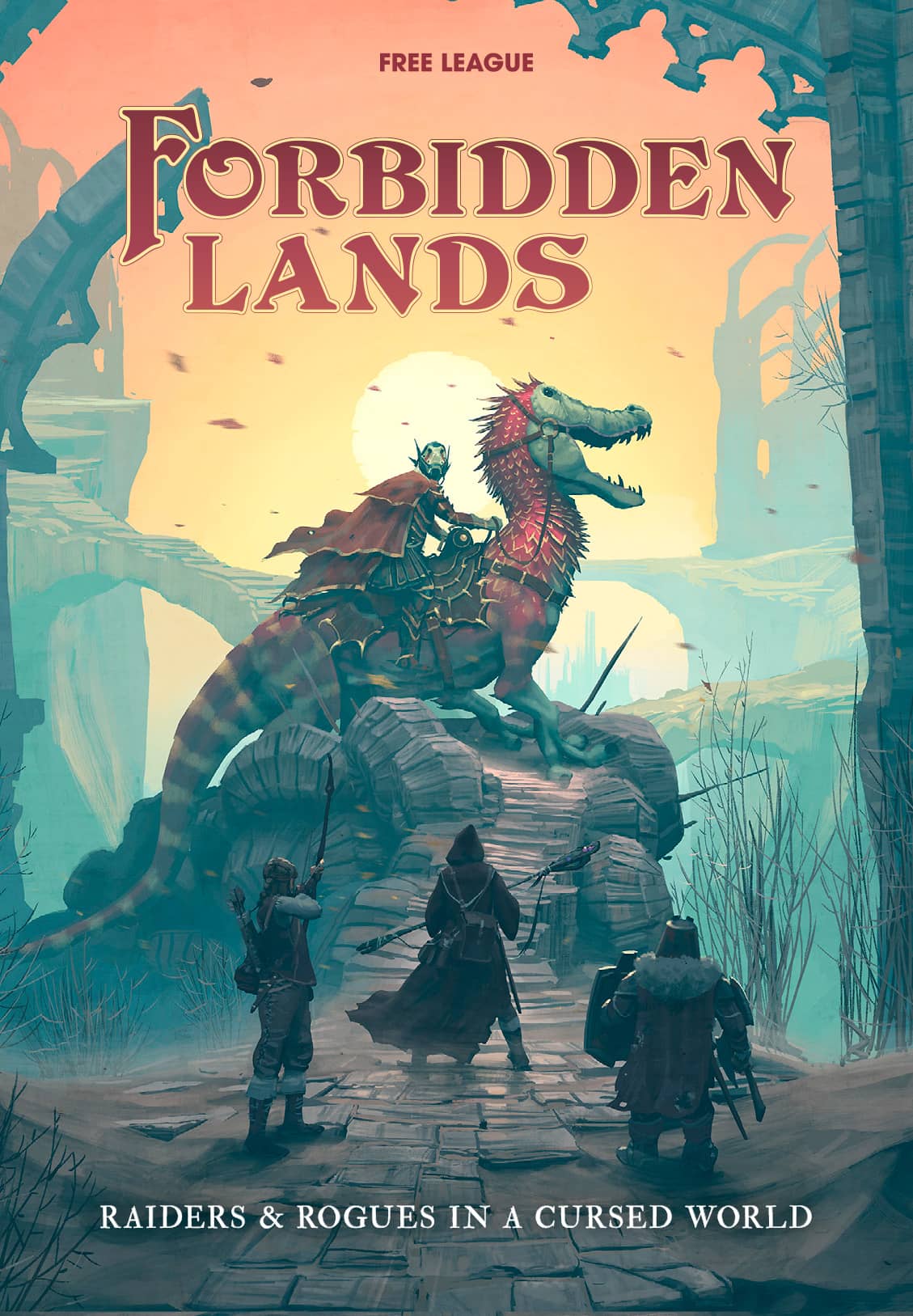
Forbidden Lands Modiphius-small Forbidden Lands Modiphius -back-small

While I was at the Spring 2019 Games Plus Auction, I took the time to shop around in the New Arrivals section, since Games Plus is probably the best-stocked games store I’ve ever visited. As usual, I picked up a few magazines and the latest issues of Jolly Blackburn’s excellent Knights of the Dinner Table comic. But there was another game that caught my eye: Forbidden Lands, a boxed RPG developed by accomplished Swedish development house Fria Ligan (Free League in English), makers of the excellent Coriolis science fiction game, as well as the acclaimed Tales from the Loop and the upcoming Alien Roleplaying Game, and distributed in the US by Modiphius.

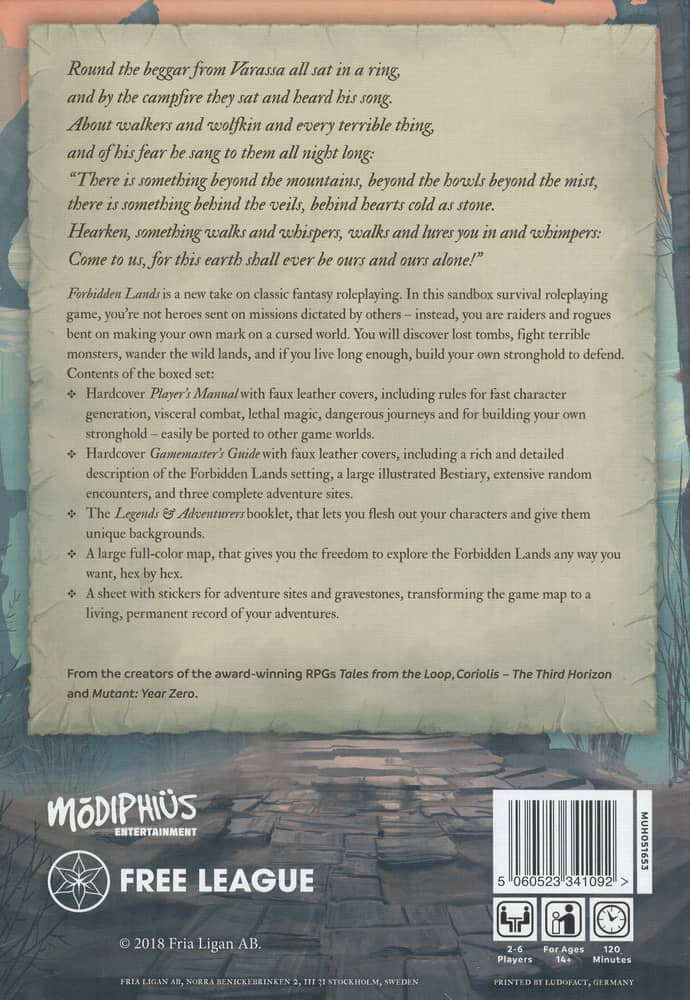
What drew me to Forbidden Lands? Truthfully it was the cover art by Simon Stålenhag, and the impressively sized (and heavy!) box. Once I picked it up however, it was the back-cover text that fired my imagination.

In this open-world survival roleplaying game, you’re not heroes sent on missions dictated by others — instead, you are raiders and rogues bent on making your own mark on a cursed world. You will discover lost tombs, fight terrible monsters, wander the wild lands and, if you live long enough, build your own stronghold to defend.

Last thing I need is another fantasy RPG crowding my shelves, especially one in a generic fantasy setting. But the evocative text sold me on the promise of a dark world far-removed from routine high fantasy tropes, and characters that sounded a lot closer to sword & sorcery archetypes than I’m used to. The price on the box was $49.99, and I decided to take a chance.

Read More Read More

The Barnes & Noble Sci-Fi & Fantasy Blog on the Best Science Fiction & Fantasy of May 2019

The Barnes & Noble Sci-Fi & Fantasy Blog on the Best Science Fiction & Fantasy of May 2019

Children of Ruin Adrian Tchaikovsky-small Westside W M Akers-small Empire of Grass Tad Williams-small

It’s the last day of May, and you know what that means. You’re another month behind in your reading.

Fortunately for you, there are some excellent resources out there to help you discover just how badly you blew it (yet again) by not spending every spare moment in May reading. My new favorite is The Barnes & Noble Sci-Fi and Fantasy Blog, which does a terrific job month-after-month of letting us know just how bad we suck. Here’s some of the highlights from Jeff Somers summary of The Best Science Fiction & Fantasy Books of May 2019.

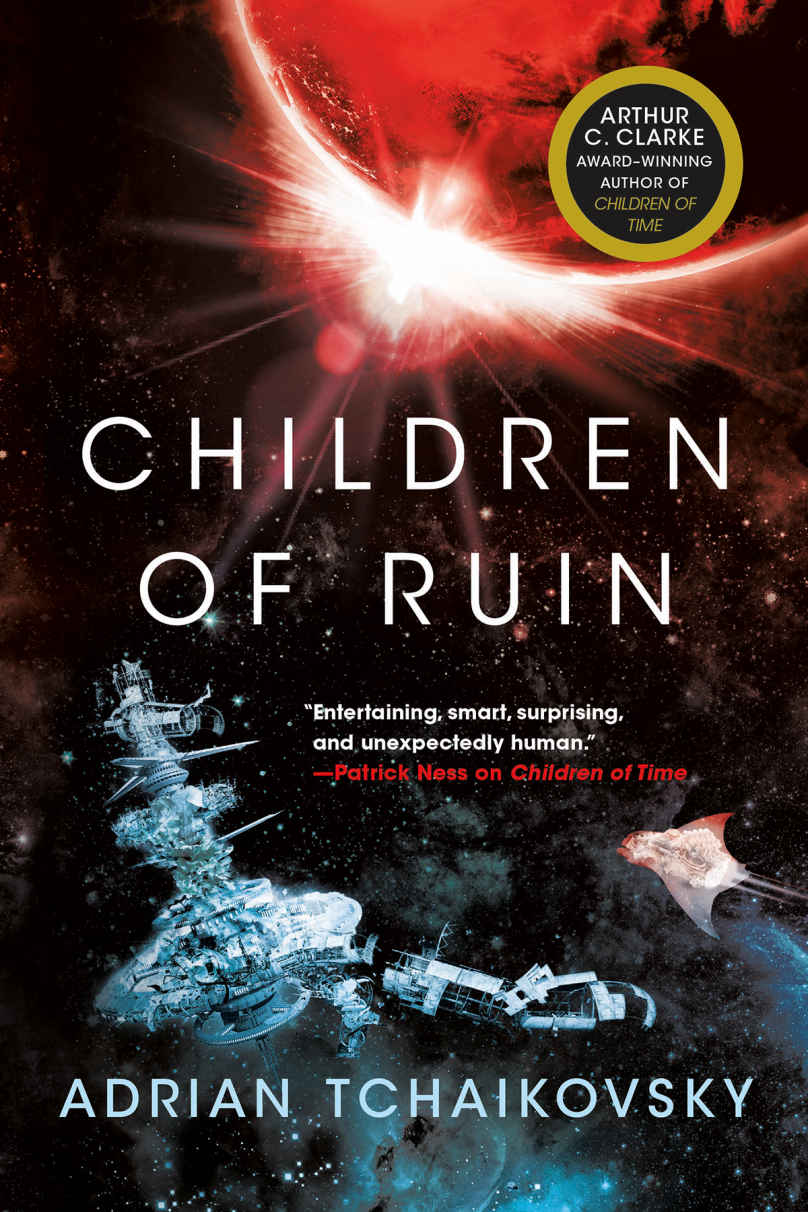
Children of Ruin, by Adrian Tchaikovsky (Orbit, 576 pages, $15.99 trade paperback/$9.99 digital, May 14)

The sequel to the British Science Fiction Award-winning Children of Time returns to the unlikely new cradle of humanity, a colony planet whereupon a disastrous terraforming attempt resulted in the creation of a new society of uplifted ants and spiders whose civilization evolved at breakneck speed before the desperate remnants of the a ravaged Earth could arrive. Now unlikely allies, the humans and the insects catch fragmentary signals broadcast from light years away, suggesting there might be other survivors from their shared homeworld. A mixed expedition sets out to solve the mystery, but what’s waiting for them out in space is another calamity set in motion by long-dead Earth scientists’ arrogant and desperate efforts to ensure the survival of their species. Children of Ruin managed to completely deliver on a truly absurd premise, and the sequel offers similar pleasures.

Read More Read More

New Treasures: The Outlaw and the Upstart King, Book 2 of The Map of Unknown Things by Rod Duncan

New Treasures: The Outlaw and the Upstart King, Book 2 of The Map of Unknown Things by Rod Duncan

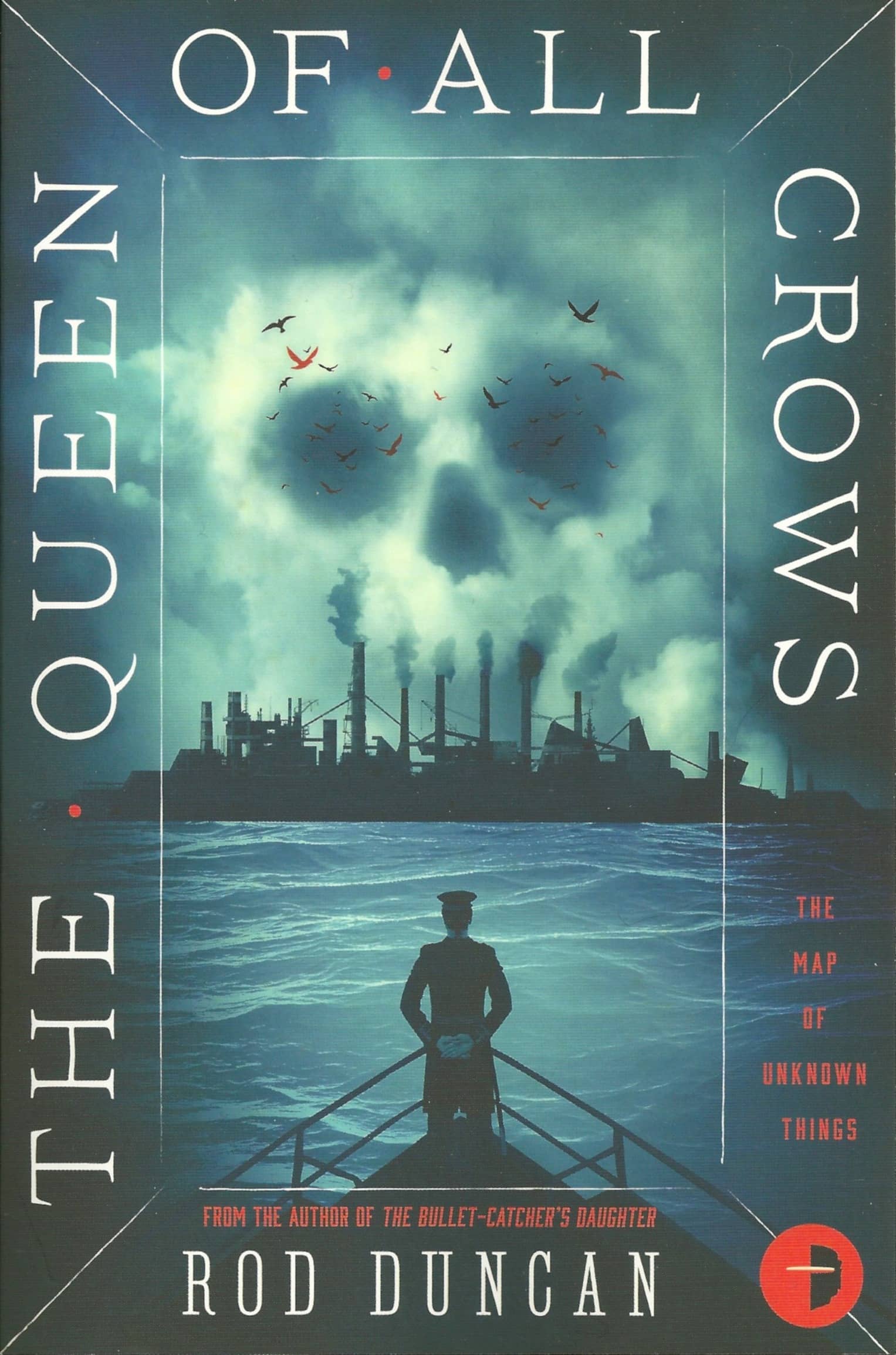
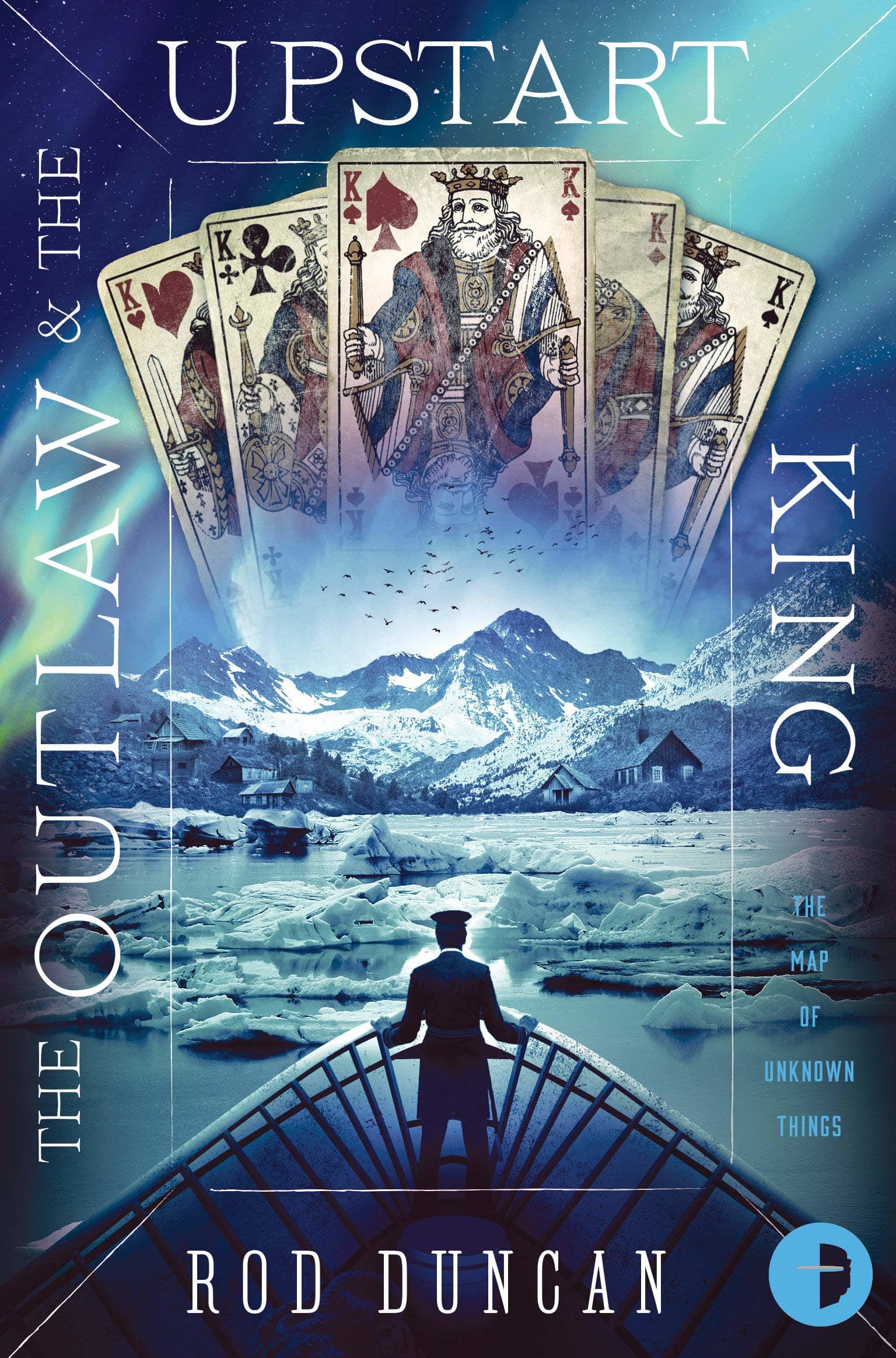
The-Queen-of-All-Crows-medium The Outlaw and the Upstart King-small

Rod Duncan is the author of The Fall of the Gas-Lit Empire trilogy, a supernatural mystery series featuring Elizabeth Barnabus, who lives a double life as herself and as her brother, a private detective. The first volume, The Bullet-Catcher’s Daughter (2014) was a finalist for the 2014 Phillip K. Dick Award.

His next project is The Map of Unknown Things, a new series set in the same world that follows the continuing adventures of Elizabeth. It began with Queen of all Crows (2018), which was warmly reviewed by several of my favorite review sites. Sydney Shields at The British Fantasy Society said “Duncan’s Gas-lit Empire reads and feels like the world of a Victorian detective adventure (think Sherlock Holmes, the Blake & Avery Mysteries, Charles Dickens) but the twist is that the year is actually 2012… Definitely recommend.” And The Speculative Shelf gave it an enthusiastic write-up:

Fresh off her battle with the International Patent Court, Elizabeth Barnabus finds herself working on behalf of that very organization that brought her so much trouble in the past. She sets sail to investigate the disappearance of an airship that went down in the Atlantic.

The concept of the worldwide alliance that maintains world peace at the cost of technological advancement continues to be a fascinating one…Duncan has crafted a solid adventure story that featured some superb scenes and passages. I remain impressed by Duncan’s skills as a writer. His prose is clean, readable, and rich. There’s a great theatricality infused into his stories that make the mundane seem grand… this is another enjoyable adventure featuring a great protagonist and set of side characters.

The second volume in the series, The Outlaw and the Upstart King, was published by Angry Robot earlier this year. Here’s a scan of both back covers.

Read More Read More

Vintage Treasures: Emergence by David R. Palmer

Vintage Treasures: Emergence by David R. Palmer

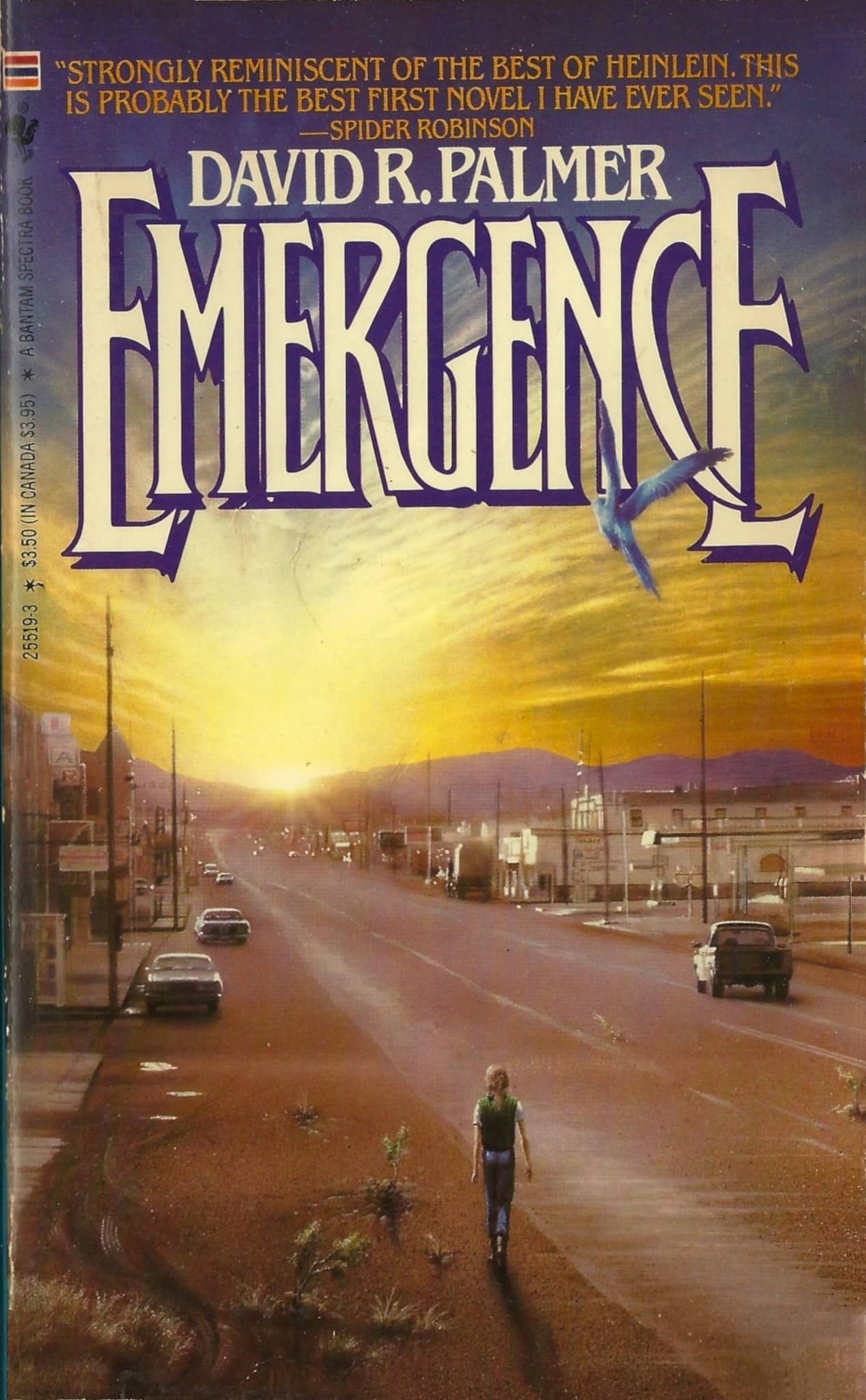
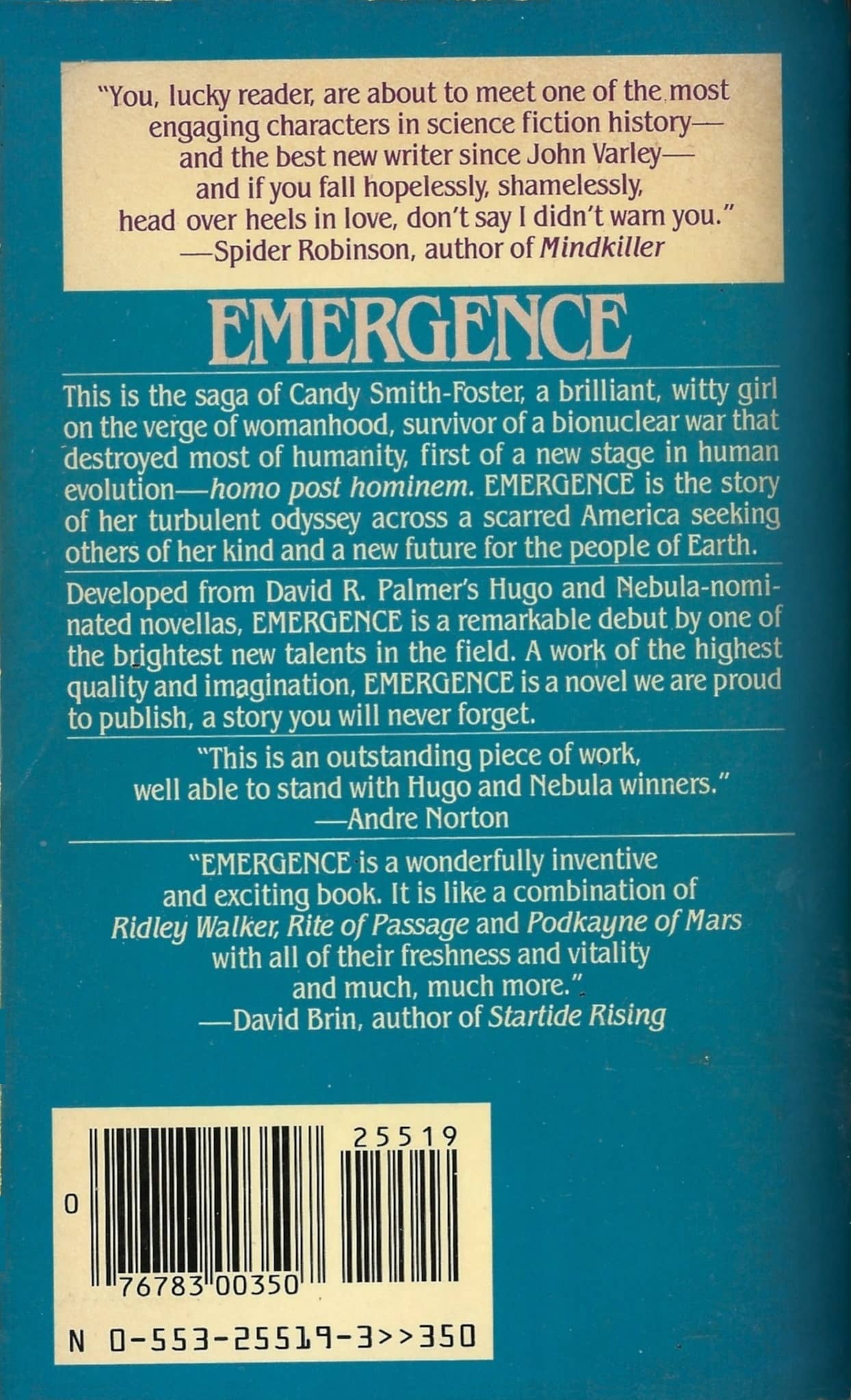
Emergence David Palmer-small Emergence David Palmer-back-small

Cover by Jim Burns

The mid-80s were a good time to be a science fiction short story author. If you had a pair of popular tales in top-selling magazines like Analog or Asimov’s SF, that’s all it took to catapult you near the top of the field.

Take David R. Palmer, for example. His first published story, “Emergence,” was published in the January 1981 issue of Analog; it won the magazine’s Readers Choice awards, and was nominated for a Hugo Award for Best Novella. He followed it with his second (and last) short piece, the novella “Seeking,” in the February 1983 Analog, which also won the Analog award, and was nominated for both a Hugo and Locus Award for Best Novella. Palmer used the stories as the first two parts of his first novel Emergence (Bantam Spectra, 1984) and voila. He had a best seller.

Emergence made a major splash, especially for a first novel. It won the Compton Crook Award for Best First Novel, and was nominated for the Hugo, Locus, and Philip K. Dick Awards. The long-awaited sequel, Tracking, appeared 14 long years later. It was serialized in Analog magazine between the July and October issues, but has never been published in book form. In fact, other than a single follow up novel (Threshold, 1985), Palmer has never published another book — or short story, for that matter. Despite rumors over the years, he has yet to deliver on the astonishing promise of his first book.

Read More Read More

There’s a Lifetime of Reading in DAW Omnibus Volumes

There’s a Lifetime of Reading in DAW Omnibus Volumes

The Initiate Brother Duology-small The Nightfall Duology-small Species Imperative-small

DAW Books was founded in 1971 by uber-editor Donald A. Wollheim after he left Ace Books. In the last five decades it’s published almost two thousand science fiction and fantasy novels (W. Michael Gear’s Pariah, released on May 14, is Daw Book #1823), and it has launched the careers of hundreds of writers, including C. J. Cherryh, Julie E. Czerneda, Patrick Rothfuss, Tad Williams, Kristen Britain, Melanie Rawn, Violette Malan, and Tanith Lee.

Right. So there’s lots of reasons to love DAW Books. But here’s another one you may not be aware of: it has a fascinating tradition of re-releasing much of its most popular SF and fantasy in compact and affordable paperback omnibus editions. In fact, of those 1800 DAW titles released since 1971, nearly a hundred are omnibus editions, many of which are still in print.

Hard to believe? I didn’t believe it myself until I found all three of the omnibus collections above in a recent trip to my local B&N and, after I brought them home, began to poke around to see just how many others were still available. I counted well over 50 without even trying. Here they are.

Read More Read More

New Treasures: Zero Bomb by M.T. Hill

New Treasures: Zero Bomb by M.T. Hill

Zero Bomb-small Zero Bomb-back-small

Cover by Julia Lloyd

M.T. Hill used to write under the name Matt Hill. Under that name he published the 2017 Philip K. Dick Award nominee Graft, which we covered back in 2016. Lots of folks really liked that book; Edward J Rathke called it “a brilliant eulogy for our ruined future” and Publishers Weekly said it “captures the dark underbelly of Manchester in visceral prose… [a] refreshing take on a futuristic mystery.” His follow-up Zero Bomb was released in March, and is already winning accolades. Here’s an excerpt from Paul Di Filippo’s Locus Online review.

The byline M.T. Hill is a not-too-opaque screen for the writer Matt Hill, whose two previous books under that name have been The Folded Man (2013) and Graft (2016). I mention this fact only because his third novel, Zero Bomb, is so good that you will want to snatch up copies of the first two, as I just did… It features a not-unfamiliar and especially au courant theme — near-future societal and technological collapse — but presents it in so poignant and authentic and original a manner… that it feels fresh, insightful and powerful.

Part I opens in the year 2030, and focuses on a man, approaching middle age, named Remi. Due to a family tragedy — the death of his young daughter Martha — Remi suffers a mental breakdown and abandons his wife Joan and every aspect of his successful life. He becomes more or less a vagrant temp-worker, gets hooked on the drug spark, recovers, and begins to lift himself out of the pit of despair and nihilism. When the tale really kicks off, Remi is a bike messenger in London… One day his current errand is short-circuited when a driverless car attempts to kill him. After that, the deluge. Remi is contacted by a cybernetic fox, who, we eventually learn, is named Rupal, and is one of the more charming personages in the story. The fox delivers a package to Remi with instructions for delivery. Arriving, coerced, at his destination, Remi discovers he has been enrolled willy-nilly in a conspiracy to topple the civilization of “automatic England…” The whole conspiracy is modeled on an old SF novel from 1971: The Cold Veil, by Laurel M. Brace. In fact, Brace might still be around and leading the movement. Part II leaves Remi behind and gives us an abridged sample of The Cold Veil itself. It’s a spot-on rendition of such an artifact from a different era.

Zero Bomb was published by Titan Books on March 19, 2019. It is 303 pages, priced at $14.95 in trade paperback and $3.99 in digital formats. The cover was designed by Julia Lloyd. Read an excerpt at Tor.com. According to Hill’s website, Zero Bomb and his upcoming novel The Breach (Titan, March 2020) “share a fictional northern town called Dillock… but they’re otherwise standalone.”

A Tale of Two Covers: If This Goes On edited by Charles Nuetzel and Cat Rambo

A Tale of Two Covers: If This Goes On edited by Charles Nuetzel and Cat Rambo

If This Goes On Charles Nuetzel If This Goes On Cat Rambo-small

Art by Albert Nuetzell and Bernard Lee

If This Goes On seems like the perfect title for a science fiction anthology; I’m surprised it hasn’t been used more often. It was first used by Robert A. Heinlein for his 1940 famous novella, which became a key part of his massive science fiction Future History. The story won a Retro Hugo in 2016, but was renamed Revolt in 2100 for its publication as a novel in 1953. Charles Nuetzel co-opted the title 25 years after Heinlein used it for his first (and only) anthology, published in paperback in 1965, reprinting stories by Fredric Brown, Richard Matheson, A. E. van Vogt, Isaac Asimov, Fritz Leiber, Forrest J. Ackerman, and others (above left).

My recent interest springs, of course, from Cat Rambo’s brand new anthology If This Goes On (above right), funded by a June 2018 $12,000 Kickstarter campaign and published in trade paperback by our friends at Parvus Press in March. It contains 30 brand new SF tales by some of the most exciting writers in the field today, including Andy Duncan, Nisi Shawl, Sarah Pinsker, Scott Edelman, Beth Dawkins, and many more. Subtitled The Science Fiction Future of Today’s Politics, this ambitious anthology looks at what today’s politics and policies will do to shape our world a generation from now. Tales within include:

  • “Green Glass: A Love Story” by Lily Yu, Hugo and World Fantasy Award nominee, and winner of the 2012 John W. Campbell Award for Best New Writer, filters the future of now through a wholly relatable lens: relationships and marriage.
  • Hugo-winning editor Scott Edelman’s “The Stranded Time Traveler Embraces the Inevitable” expertly employs an age-old science fiction convention to tell a deeply human tale of love, loss, and desperate hope.
  • Streaming our everyday lives has become commonplace, but in “Making Happy” Zandra Renwick examines a very uncommon consequence of broadcasting your every experience.
  • Former Minnesota Viking and noted equal rights advocate Chris Kluwe’s “The Machine” deals with one of the most important and hotly contested questions of the day: what truly defines citizenship and American identity?
  • Nebula winner Sarah Pinsker’s “That Our Flag Was Still There” uses possibly the most powerful symbol in American iconography to create a frightening and darkly illuminating vision of freedom of speech.
  • NAACP Image Award winner for Outstanding Literary Work Steven Barnes offers up the consequences of integrating technology and surveillance into our daily lives with his detective story “The Last Adventure of Jack Laff: The Dayveil Gambit”

Here’s the complete Table of Contents.

Read More Read More

Future Treasures: Time’s Demon, Book 2 of the Islevale Cycle by D. B. Jackson

Future Treasures: Time’s Demon, Book 2 of the Islevale Cycle by D. B. Jackson

Time's Children DB Jackson-small Time's Demon new hires-small

D. B. Jackson is the author of four novels in the popular Thieftaker Chronicles, a historical urban fantasy set in pre-Revolutionary Boston, and the collection Tales of the Thieftaker, which Fletcher Vredenburgh called “tense… the mysteries [are] good, the characters well-drawn… is a brisk read with an engaging lead, a colorful supporting cast, and a nicely detailed setting.” ‘D.B. Jackson’ also happens to be Black Gate contributor David B. Coe, whose blog posts here have covered topics as diverse as World Building and Nicola Griffith’s 90s classic Slow River.

David’s 2018 novel Time’s Children was the opening novel in the Islevale series. It related the adventures of Tobias Doljan, time-traveling agent of the court of Daerjen. In her Black Gate review Margaret S. McGraw said:

This is an epic fantasy with magic, sword fighting, political intrigue, demons, assassins, and budding romance. Plus time travel! And well done time travel at that. I’m a sucker for time travel stories, but I’m often disappointed by their simplistic delivery or avoidance of temporal paradox — that’s not the case here at all. Jackson created an entirely believable world of Travelers and other magical beings… I look forward to Time’s Demon — where I hope we will learn more about Droë, as well as the continued adventures of Tobias, Mara, and Sofya.

Time’s Demon finally arrives next week amid much anticipation. Here’s the description.

Read More Read More