What I’m Watching: 2020 (Part Two)
 A couple weeks ago, I talked about some of the shows I’ve watched during this Pandemic-plagued 2020. Well, I have a few more to talk about – along with some movies. So, awaaaay we go!
My Name is Bruce
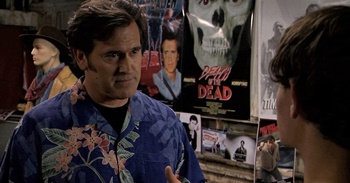
In the first essay, I mentioned that I did a complete rewatch of The Adventures of Brisco County Jr, which is my second-favorite show of all time. Along with listening to Campbell read both of his autobiographies (highly recommended), I re-watched My Name is Bruce. It is an amusing parody of both his own career and his low budget B-movies. Campbell has a fantastic sense of self-deprecating humor (trust me on the autobiographies: great reads, and great fun to hear him narrate his own life story), and this movie is all about him poking fun at himself.
He filmed the whole thing up in Oregon on his own property, and the cast is full of old friends, including several folks from The Evil Dead. Ted Raimi plays no less than three different parts. And he’s funny in all of them. I quite enjoy this silly movie. The in-jokes are fun to look for.
The Expanse
I mentioned this one in the earlier post, and I’ve since completed seasons two through four, so I’m all caught up. Season three was a disappointment, but I liked season four well enough that I’m looking forward to the fifth installment, which should drop on Prime in December.
Based on a series of novels by James S. Corey, this is intellectual scifi. There’s action, but the show is more about political intrigue, genetics, national expansionism, and evolving character relationships. I felt this was a better version of the Battlestar Galactica remake. That show just plodded along, weighed down by its own gravitas. I was more bored than intrigued and I gave up on it.The Expanse has the same heft, but moves along more smoothly and kept my interest.



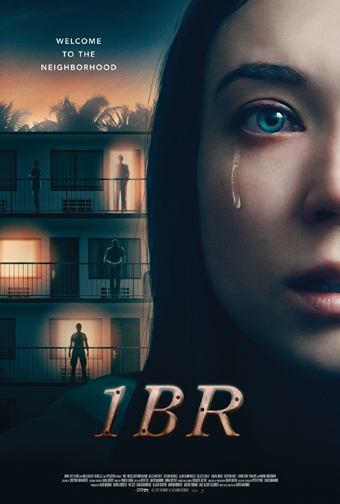 Last year I almost reviewed a movie at Fantasia called 1BR. But exhaustion got to me as the festival wore on, and I passed on the film. I’m never happy about having to compromise with fatigue, though, and since 1BR recently came to Netflix — where for a while it was among their 10 most-streamed movies, at one point even reaching the top 5 — I decided to rectify last year’s omission and take a look at it now.