DC Comics Goes Back to the Pulps
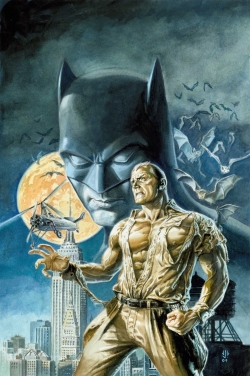 The comic book superhero was born in the late 1930s, during the time when the dominant form of popular culture reading was the pulp magazine. During the next decade, the pulps would start their slow demise: wartime paper shortages that forced the publishers to cut back on the more risky material to focus on the steady sellers, the paperback influx competed on the genre scene and were popular with soldiers overseas, and the rise of the comic book took away much of the younger readers. That the comic book should play such a large part in the end of the pulp magazine industry is an ironic reversal, since the hero pulps fueled the creation of those first four-color superheroes. No Batman without the Shadow. No Superman without Doc Savage.
The comic book industry is now doing some payback to the long-vanished cheap paper fiction magazines. DC Entertainment Inc. has an upcoming project where they are going to let their characters revert back to the 1930s and turn into true pulp heroes once more. It’s an alternate universe version of the DC Universe with no super-powered characters, set firmly in the 1930s. And it will not only feature their own creations like Batman, but also genuine pulp stars Doc Savage and the Avenger, to whom DC owns the comic book rights. The first publication in the new setting is next month’s Batman/Doc Savage Special, written by Brian Azzarello and illustrated by Phil Noto.
That’s all you need to get my blood a’ rushing. I rarely buy DC or Marvel monthly comics, since I think their indulgence in crossover mega-events has reached a level of mania/boredom, but this… oh, I am all over this in so many ways. Just having Doc Savage back in comics is enough, but Batman is also going to get pulled back to the decade of his nativity. I love comic book superheroes (Batman in particular), but since my mid-twenties I’ve turned more toward the pulp characters (The Shadow in particular), and seeing them get a whole corner of the universe of one of the two big comic book publishers is like a five-Red Bull high. And behold the Bama-influenced Doc Savage on the cover!
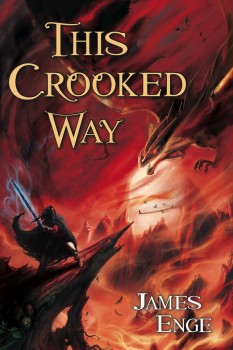 James Enge’s Morlock stories have been some of the most popular fiction we’ve published in Black Gate. His first Morlock novel, Blood of Ambrose, published by Pyr in April, was very warmly received, and described as “A future classic… this novel succeeds beautifully” (The Great Geek Manual) and “Like Conan as written by Raymond Chandler” (Paul Cornell).
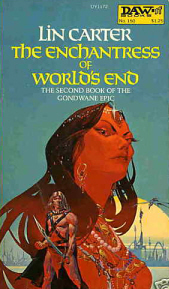 Linwood Vrooman Carter (1930-1988) was one of the heroes of my youth. In the decades since his death his reputation has wallowed in the aftermath of the Last Great Sword & Sorcery Boom. He helped start it, with the Conan books he and L. Sprague de Camp brought back into print, edited, and in many cases wrote, as with the Ballantine Adult Fantasy Series of works he edited and thus brought back into print. (Not adult fantasy as in sex, but adult fantasy as in great classic works that weren’t kid stuff). Books by Lovecraft and Clark Ashton Smith and James Branch Cabell; title I never would’ve read in a million years otherwise, but books which shaped the tastes of many another fantasy enthusiast, myself among them.
 I’ve been in reviewer overload lately, reading, taking notes, and penning reviews for the next issue of Black Gate. But, more than that, I’ve also been coordinating our crop of reviewers this time out, and thinking in terms of what exactly it is that ought to be in the review section of the magazine, not just in the reviews I put up on my own website. Having done over 50 reviews in the last year and a half or so, I think I’ve learned a few things, and I’d like to share my thoughts on what a good review should consist of. And at the end of this essay I’ll also offer some practical advice to anyone that wants to become a web reviewer themselves and share the reasons behind just why someone would want to take the time to review a book in the first place.
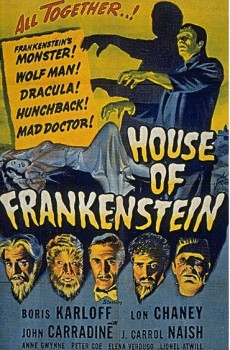 House of Frankenstein (1944)
 Fans of Tom Waits are often divided into two camps: those who favor the early boozy Kerouac, be-bop inspired crooner of life’s derelicts and losers up until he transmogrified beginning with the “Heartattack and Vine” album and “crossed over” into Kurt Weill cacaphonous orator of the absurd; fans of the later period sometimes disdain the earlier, and vice versa, despite the obvious connections. Me, I’m in the third camp as a huge admirer of both milieus. (I suppose there’s a further quarter of people who can’t stand Waits at all, but, much like the folks who still tiresomely maintain Dylan hasn’t done anything since his protest days, aren’t worth serious attention.)
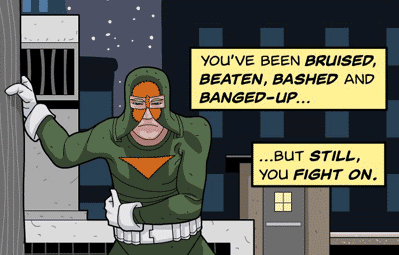 Before he became a regular artist for Black Gate, Bernie Mireault was already something of a Renaissance man in the comics industry. He’s been a writer, artist, letterer, and highly acclaimed colorist, and worked with Matt Wagner (Grendel), Joe Matt, Mike Allred, and many others. His comics include Dr. Robot, Bug-eyed Monster, The Blair Witch Chronicles, and his masterpiece, The Jam.
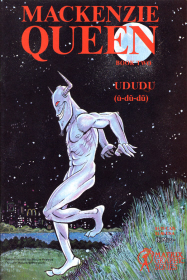 I say “first meeting that we know of” because Bernie and I were born in the exact same (and very small) place — a Canadian Air Force base in Marville, France — only a few years apart in the early 60s. Did we pass briefly as toddlers in the officer’s mess, and maybe compare our love for cartoons and comics while our fathers saluted each other over trays of french bread and beans? Probably not. But hey, man. It’s possible.
