Ryan Harvey Wins Big
 It gives me great pleasure to announce what some of you may have already heard — the talented Ryan Harvey, author and Black Gate blogger extraordinaire, has placed third in the International Writers of the Future contest for the First Quarter of 2010.
Judged by a panel of experts made up of well-known speculative fiction writers like Orson Scott Card, Anne McCaffrey, Eric Flint (to name just a few!) the Writers of the Future contest was established 27 years ago by L. Ron Hubbard “to discover and provide talented new and aspiring writers of science fiction and fantasy a chance to have their work seen and acknowledged.”
I can think of few writers as deserving of notice as Ryan, who’s been tirelessly drafting brilliant essays and reviews not only at Black Gate, but for his own blog and the defunct swordandsorcery.org web site and other places besides.
What many of you may not know is that Ryan is also a talented fiction writer. The winning story is from his Ahn-Tarqa short fiction cycle which — if you haven’t already experienced it — will be featured in two upcoming stories in Black Gate.
I hope you’ll join with us in wishing Ryan congratulations!
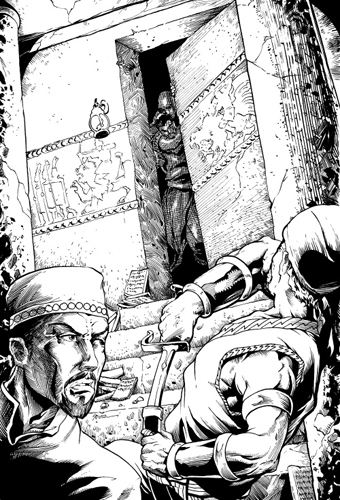 Last week I wrote about obtaining my first book deal
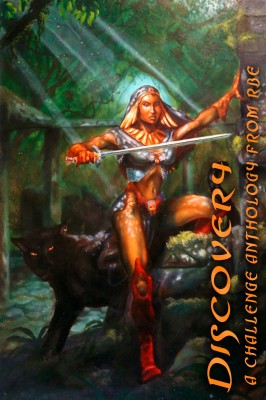 Rogue Blades Entertainment (RBE) has published some terrific fantasy anthologies over the past few years, including Return of the Sword and
 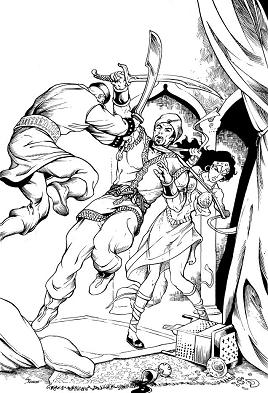 In late July of 2009 I got an offer for a historical fantasy novel from St. Martin’s imprint Thomas Dunne featuring my series characters, Dabir and Asim.
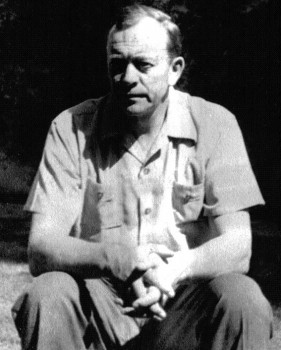 “So it will be when we are dead that perhaps our lives will stand for something.”
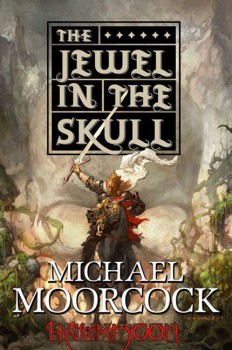 Last week Tor.com ran a terrific article by Michael Moorcock about the origins of his (recently reprinted) Hawkmoon stories. In ‘
 The Sorcerer’s Guild
 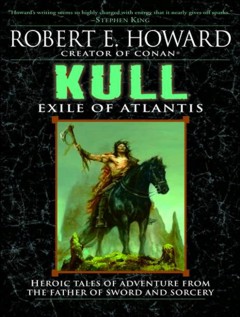 I wanted to point all of you to the fine series of articles over on