Deities and Demigods of the Word Count: or, How to Write 500 Novels and Still not be Considered Prolific
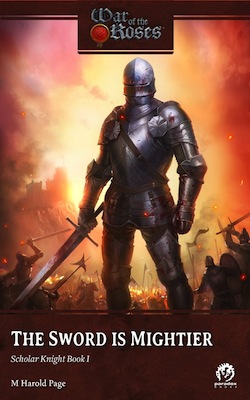
Last week, M Harold Page posted an interesting article here on Black Gate about achieving a steady word count as a writer, giving some insights into his own practice. He said,
I manage 1,000 words a day at the start and an average of 3,000 words a day once I’m underway. Sprinting – 5,000 to 7,000 words a day; that’s for the last half.
Many newbie writers would screech in horror and say no one can write that fast, while most MFA snobs would turn up their noses and say it’s impossible to write anything of worth at that rate, that writing must be an agonizing process of constant revision and polishing. They’re both wrong, as Page’s own writing attests.
The fact is, however, Page’s speed is rather modest. Mine is about the same, so I’m not knocking him. I know how hard it is to keep up a good momentum while maintaining your responsibilities to family, not to mention the distractions of the Internet and local pub. I’m fortunate enough that writing is my day job, so at least I don’t have a separate career getting in the way of my productivity.
Page and I may both have a bunch of books to our name, but we are mere henchmen, mere spear carriers to the great Deities and Demigods of publishing — the truly prolific. Dean Wesley Smith, who has written well over 100 novels and about 500 short stories and only seems to be picking up speed, recently shared a link to an interesting blog post titled 17 Most Prolific Writers in History. I have a lot of quibbles with this list, as I’m sure you will too, but while it isn’t authoritative or entirely accurate, it’s certainly inspiring and daunting in equal measure.